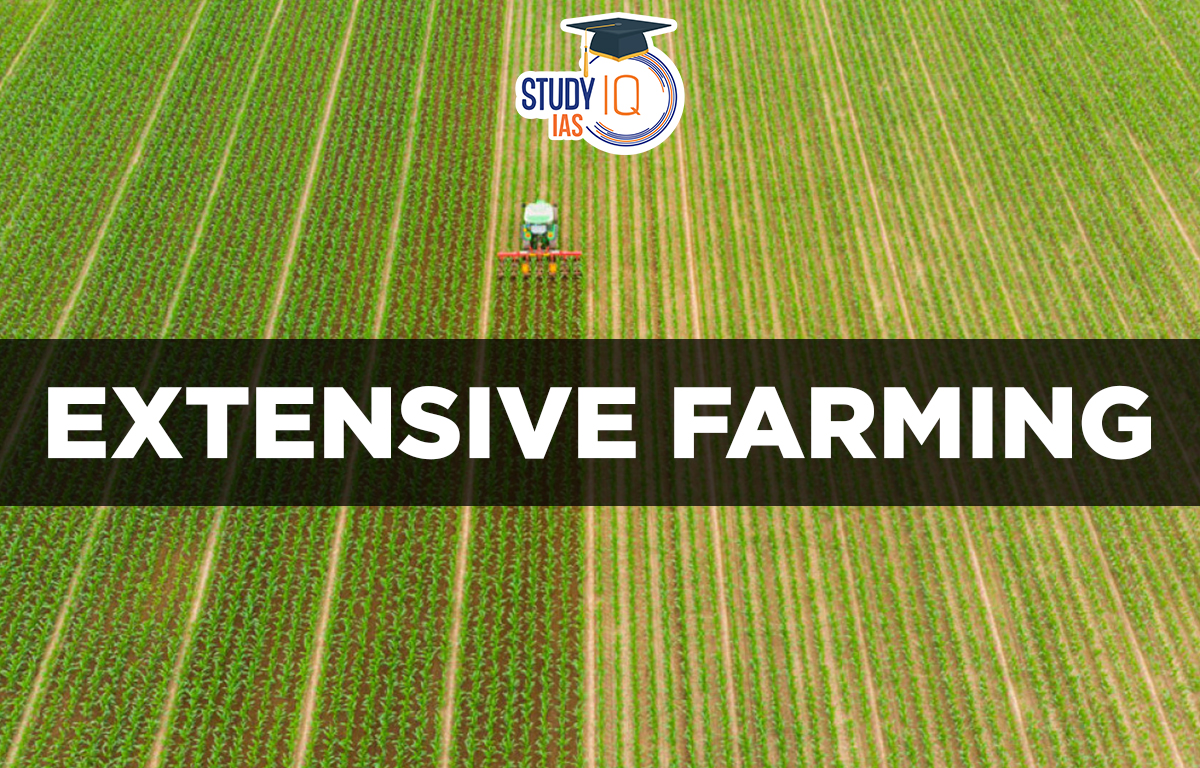
Extensive Subsistence Agriculture: Practical Examples and Operational Frameworks
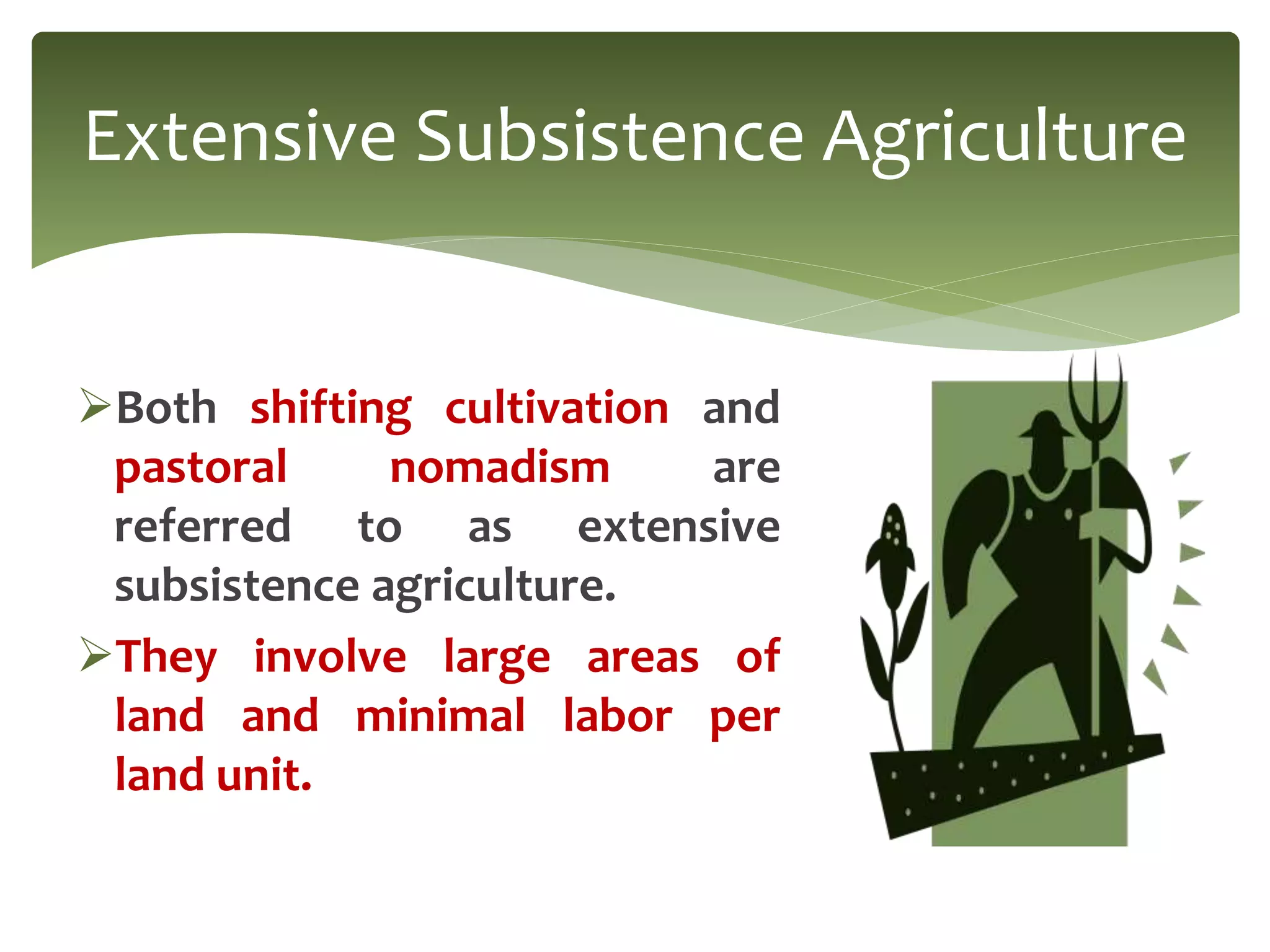
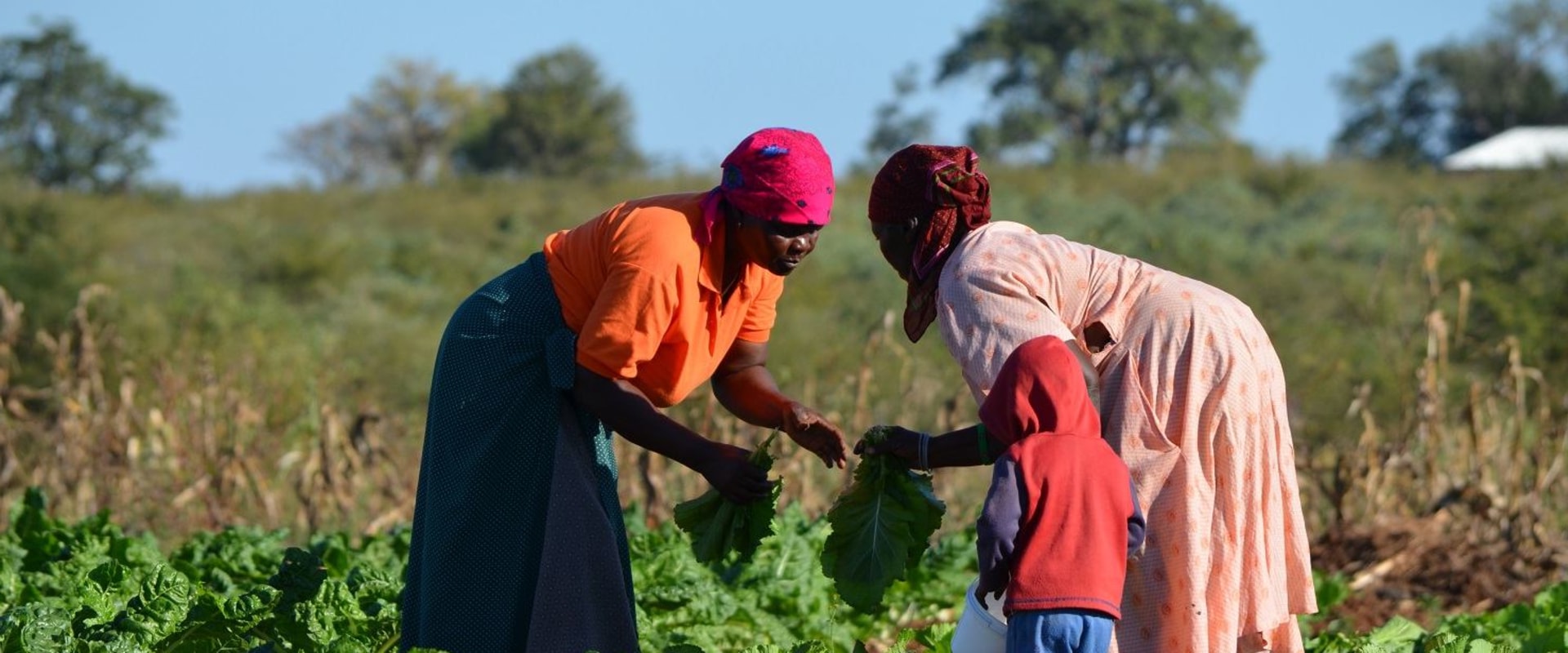
Extensive subsistence agriculture is a low-input land management system characterized by the cultivation of large areas of land with minimal labor or capital investment per hectare. Designed primarily to provide food for a family or sm...
Extensive subsistence agriculture is a low-input land management system characterized by the cultivation of large areas of land with minimal labor or capital investment per hectare. Designed primarily to provide food for a family or small community, this practice relies on natural soil fertility and extensive land use rather than synthetic fertilizers, advanced machinery, or large-scale irrigation systems.
Contents
Understanding the Mechanics of Extensive Subsistence Agriculture
At its core, extensive subsistence agriculture is defined by its low output per unit area, compensated for by the use of large land tracts. Unlike intensive farming, which maximizes yields through chemical inputs and precision technology, extensive systems are ecological in nature. They represent an ancestral approach to food security where the primary objective is domestic consumption rather than market-driven profit.
The viability of this agricultural model depends heavily on the availability of land and the environmental resilience of the local ecosystem. Because farmers in these systems do not typically employ fertilizers to restore nutrients, the practice often necessitates movement or rotational fallowing to allow the soil to regain its natural fertility over time. This approach effectively balances human nutritional needs with the limitations of the local landscape, though it remains highly vulnerable to climate variability and demographic pressures.
Primary Examples in Practice
Across the globe, extensive subsistence agriculture manifests through several distinct regional methodologies. Each serves as a strategy for populations residing in regions where soil nutrient density is low or where capital for modern agricultural tools is unavailable.
Shifting Cultivation (Slash-and-Burn)
Commonly found in tropical forest regions—such as parts of the Amazon Basin, the Congo Basin, and Southeast Asia—shifting cultivation involves clearing a small patch of forest, burning the vegetation to release nutrients into the soil, and planting crops for a few seasons. Once the soil becomes depleted, the farmer moves to a new plot, allowing the original site to return to forest cover. This fallow period is the most critical technical component; if it is shortened too drastically due to population growth, the land cannot recover, leading to soil degradation.
Nomadic Herding (Pastoralism)
In arid and semi-arid regions, such as the Sahel in Africa or the steppes of Central Asia, subsistence takes the form of pastoral nomadism. Here, households rely on moving herds of livestock—such as cattle, sheep, goats, or camels—across vast territories to find seasonal water and grazing lands. This is an extensive system because it requires immense land areas to support a relatively small number of animals, ensuring that no single pasture is permanently overgrazed.
Dryland Mixed Farming
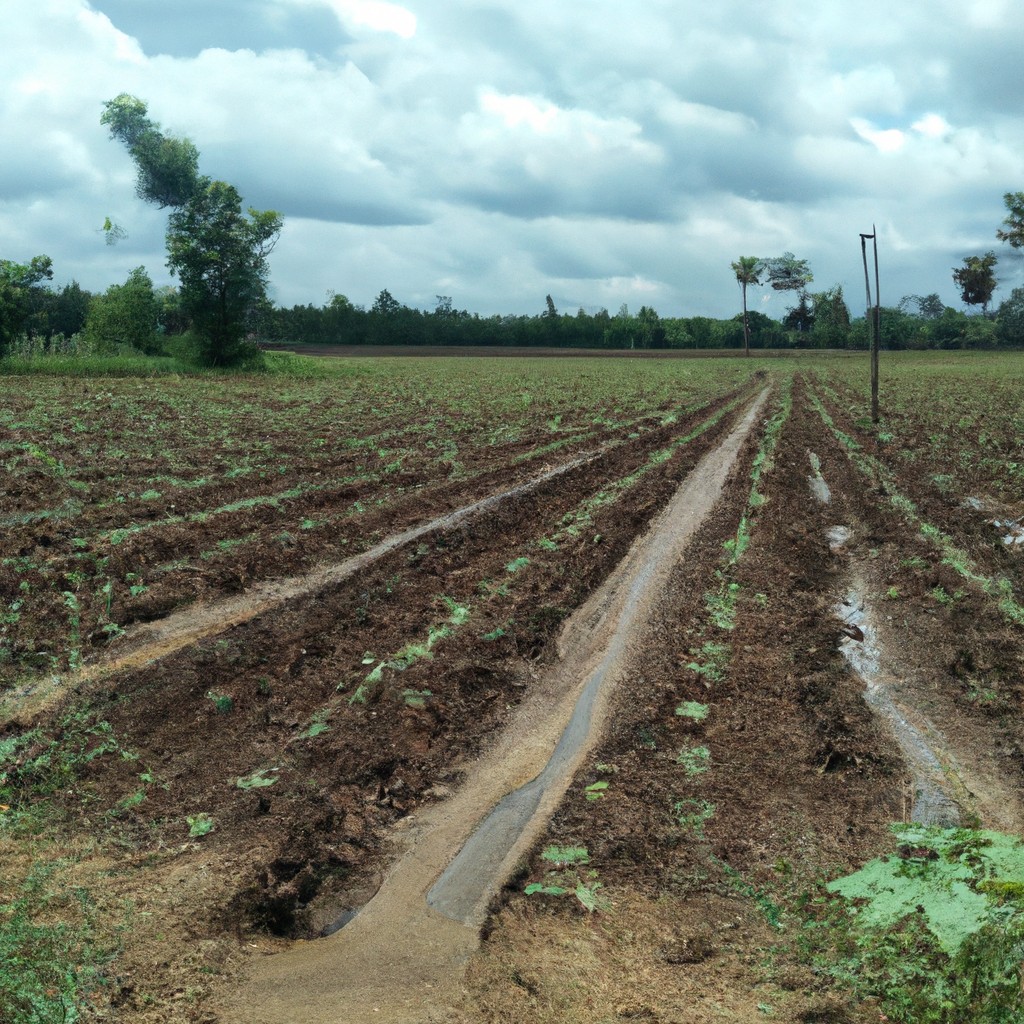
In certain temperate, semi-arid, or mountainous regions, farmers practice extensive dryland cropping. This involves planting hardy, drought-resistant cereal crops over broad areas. Farmers rely on natural precipitation rather than irrigation. By spreading the crop across a large footprint, the farmer mitigates the risk of total loss; even if one section fails due to localized rainfall patterns, other areas may yield enough to support the family.
Comparative Analysis: Extensive vs. Intensive Systems
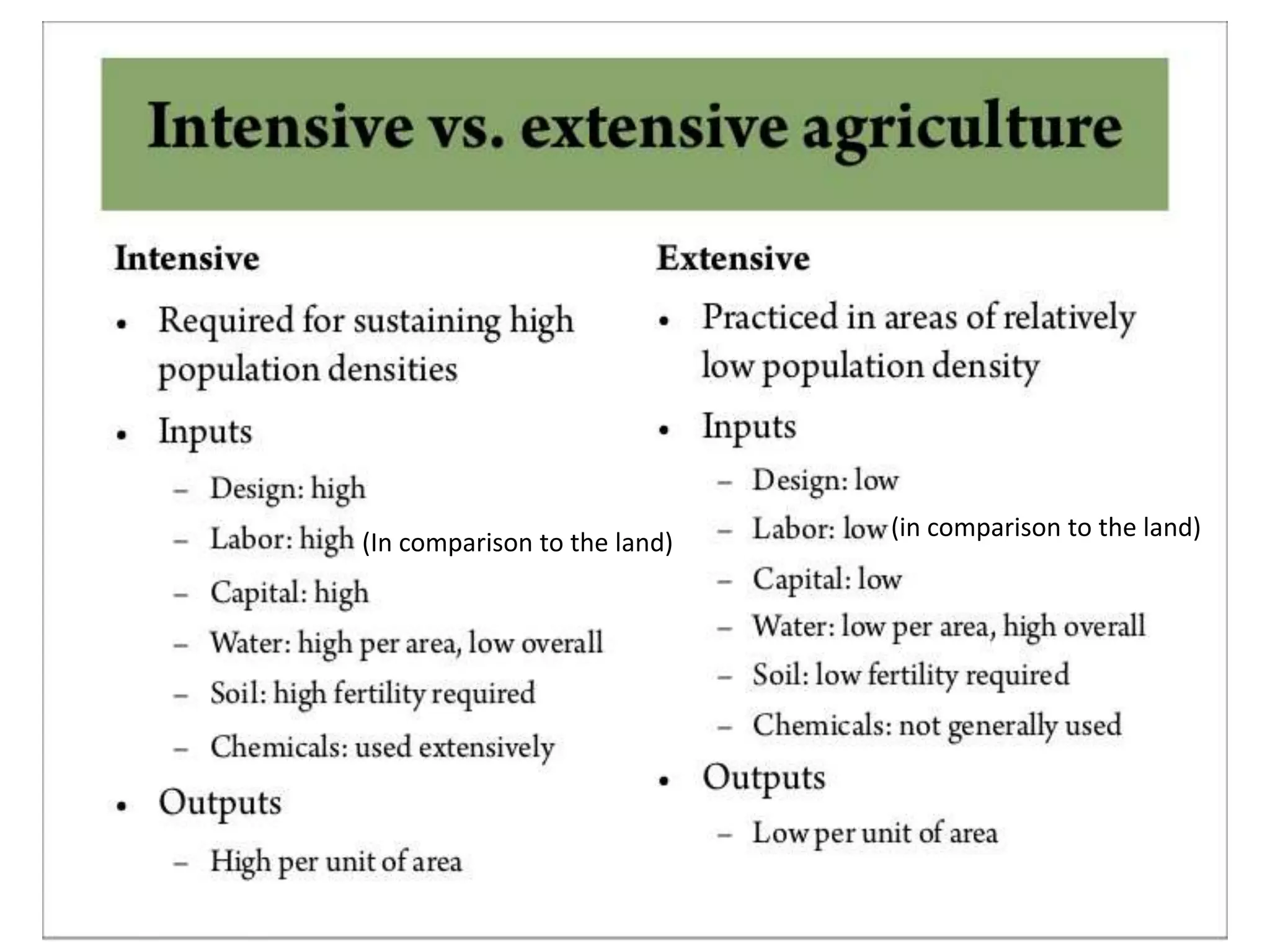
To determine the suitability of extensive practices, it is necessary to compare them against modern intensive frameworks. The following table highlights the operational differences.
| Feature | Extensive Subsistence Agriculture | Intensive Commercial Agriculture |
|---|---|---|
| Primary Goal | Household consumption | Profit and market supply |
| Land Usage | High (vast areas per person) | Low (precision per square meter) |
| Capital Input | Very low; manual labor dominant | High; machinery and automation |
| Soil Management | Fallowing and rotation | Synthetic fertilizers and chemicals |
| Yield per Hectare | Low | Very high |
| Climate Reliance | Extremely high; limited tech mitigation | Mitigated by irrigation and climate control |
Prerequisites for Operational Sustainability
For an extensive subsistence system to remain productive over generations, several ecological and social prerequisites must be met.
- Sufficient Land Tenure: Because these systems require large areas for rotation, secure access to land is the primary requirement. Without guaranteed rights to move between plots or pasture lands, the system collapses, forcing farmers to overwork the same soil.
- Environmental Equilibrium: The pace of land use must never exceed the pace of natural regeneration. In shifting cultivation, this means the fallow period must be long enough for secondary forest to establish.
- Low Population Density: Extensive systems are inherently incapable of supporting high-density urban populations. They function best in rural areas where the human-to-land ratio allows for low-intensity extraction.
- Traditional Knowledge Systems: Because there are no "instruction manuals" for synthetic inputs, farmers must possess deep, localized knowledge of weather patterns, plant varieties, and soil conditions to time their planting and harvesting effectively.
Common Challenges and Limitations
Despite its historic stability, extensive subsistence agriculture faces significant modern pressures. The most pressing issue is land scarcity. As global populations rise and commercial agricultural interests expand, the vast, "underused" lands typically favored by subsistence farmers are increasingly partitioned for infrastructure, conservation, or large-scale industrial farming.
Furthermore, these systems are highly sensitive to climate change. Since extensive farmers lack irrigation, they have no buffer against extended droughts or shifts in the monsoon cycle. When rainfall patterns change, the entire subsistence strategy—which assumes a predictable cycle of weather—is disrupted, leading to potential food shortages. Lastly, the lack of market access means that while these farmers are food-secure during good years, they have little ability to accumulate the capital needed to purchase technology or veterinary medicine when things go wrong.
Frequently Asked Questions
Does extensive agriculture contribute to deforestation? In its traditional, low-density form, shifting cultivation exists in balance with the forest. However, when population growth forces farmers to return to sites before the forest has fully regenerated, it results in permanent land clearing.
Is nomadic pastoralism still practiced in 2026? Yes. Millions of people across Africa, the Middle East, and Asia continue to rely on pastoral nomadism. While many have adopted modern communication tools like mobile phones to track weather and market prices, the core practice of moving livestock across extensive rangelands remains unchanged.
Can extensive subsistence farming be scaled up? Generally, no. Extensive farming is defined by low productivity per hectare. Attempts to "scale up" or intensify production often lead to soil nutrient depletion and erosion because the land is not designed to support high-intensity extraction.
How do these farmers manage pests without chemicals? They utilize "polyculture," which involves growing a variety of crops together rather than a single monoculture. This diversity limits the impact of pests, as a disease or infestation that destroys one crop may not affect the others, effectively acting as a natural buffer.
What is the role of the government in these regions? Governments often face the challenge of balancing the protection of land rights for indigenous or subsistence farmers against the pressure to develop land for industrial use. In 2026, sustainable development policy increasingly focuses on securing land tenure as a means to prevent food insecurity.
Next Steps for Implementation and Research
If you are evaluating the feasibility of extensive subsistence methods for small-scale development or academic research, prioritize the assessment of soil regeneration rates within the specific climate zone. The sustainability of any extensive system is dictated by its fallow period; calculate the ratio of cultivation years to fallow years to ensure the ecological footprint is net-neutral. For those looking to support these communities, the most impactful intervention is usually the formalization of land titles, which protects the necessary space for traditional, low-impact rotational practices to persist.
Image Gallery