How to Find Reliable Auto Insurance Claims Lawyers
A high-quality auto insurance claims lawyer is a licensed attorney who specializes in tort law, insurance bad-faith litigation, and personal injury recovery. They provide value by managing complex evidence, negotiating with insurance a...
A high-quality auto insurance claims lawyer is a licensed attorney who specializes in tort law, insurance bad-faith litigation, and personal injury recovery. They provide value by managing complex evidence, negotiating with insurance adjusters to overcome low-ball settlement offers, and representing policyholders in court when a claim is wrongfully denied or inadequately compensated.
Contents
Understanding the Role of Auto Insurance Claims Lawyers
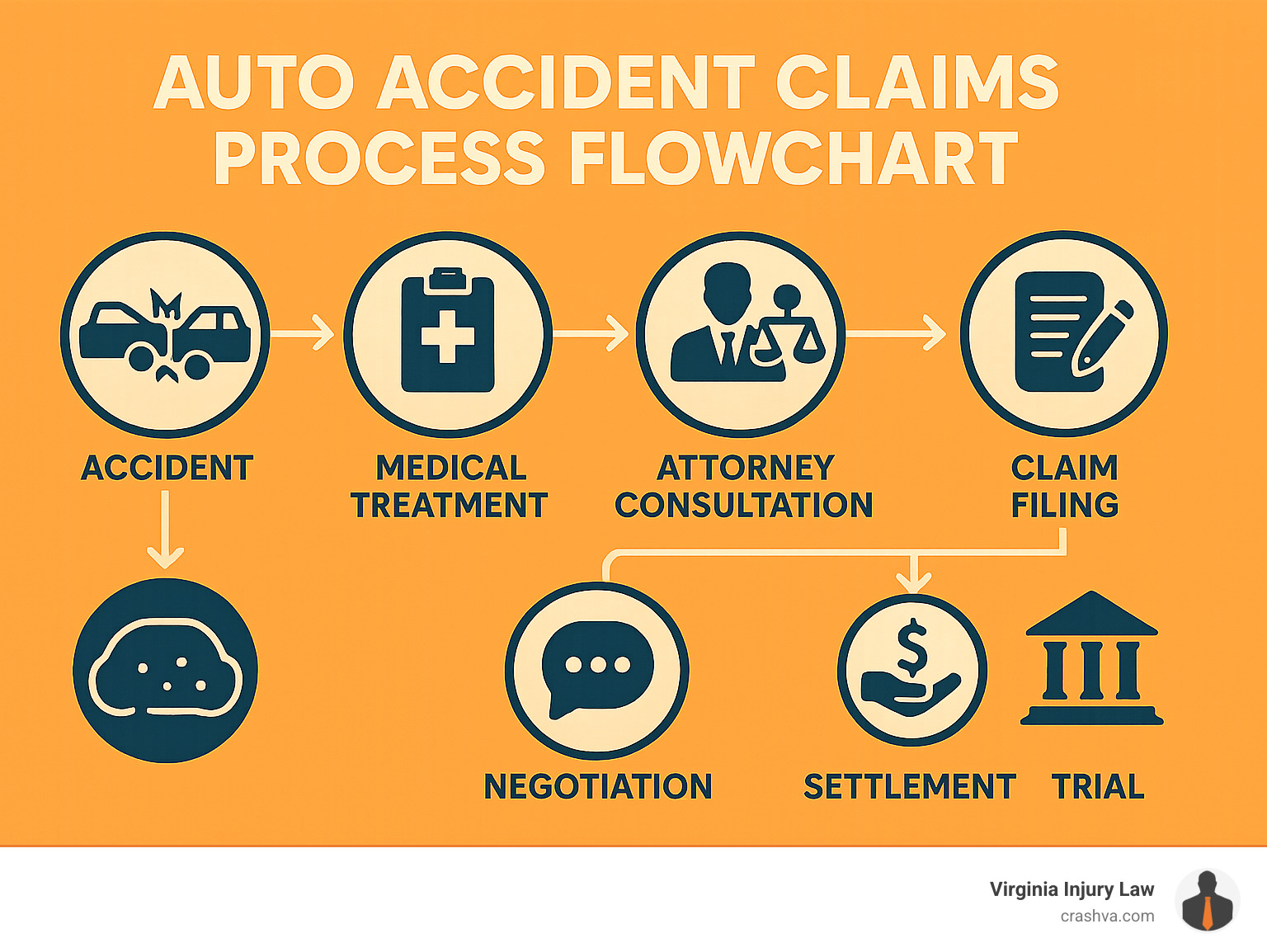
Navigating an auto insurance claim often feels straightforward until the insurance provider disputes liability or limits the payout. While a minor fender-bender with clear liability may not necessitate legal counsel, accidents involving severe property damage, medical expenses, or disputes over fault require professional intervention.
Auto insurance claims lawyers serve two primary functions: they act as skilled negotiators against profit-driven insurance firms, and they serve as litigators who understand the jurisdictional statutes of your state. Because insurance companies employ adjusters trained to minimize liability, an attorney acts as a buffer, ensuring that your communications are legally sound and that you do not inadvertently waive rights to future compensation through premature statements or signed releases.
Identifying Qualifications of a "Good" Attorney
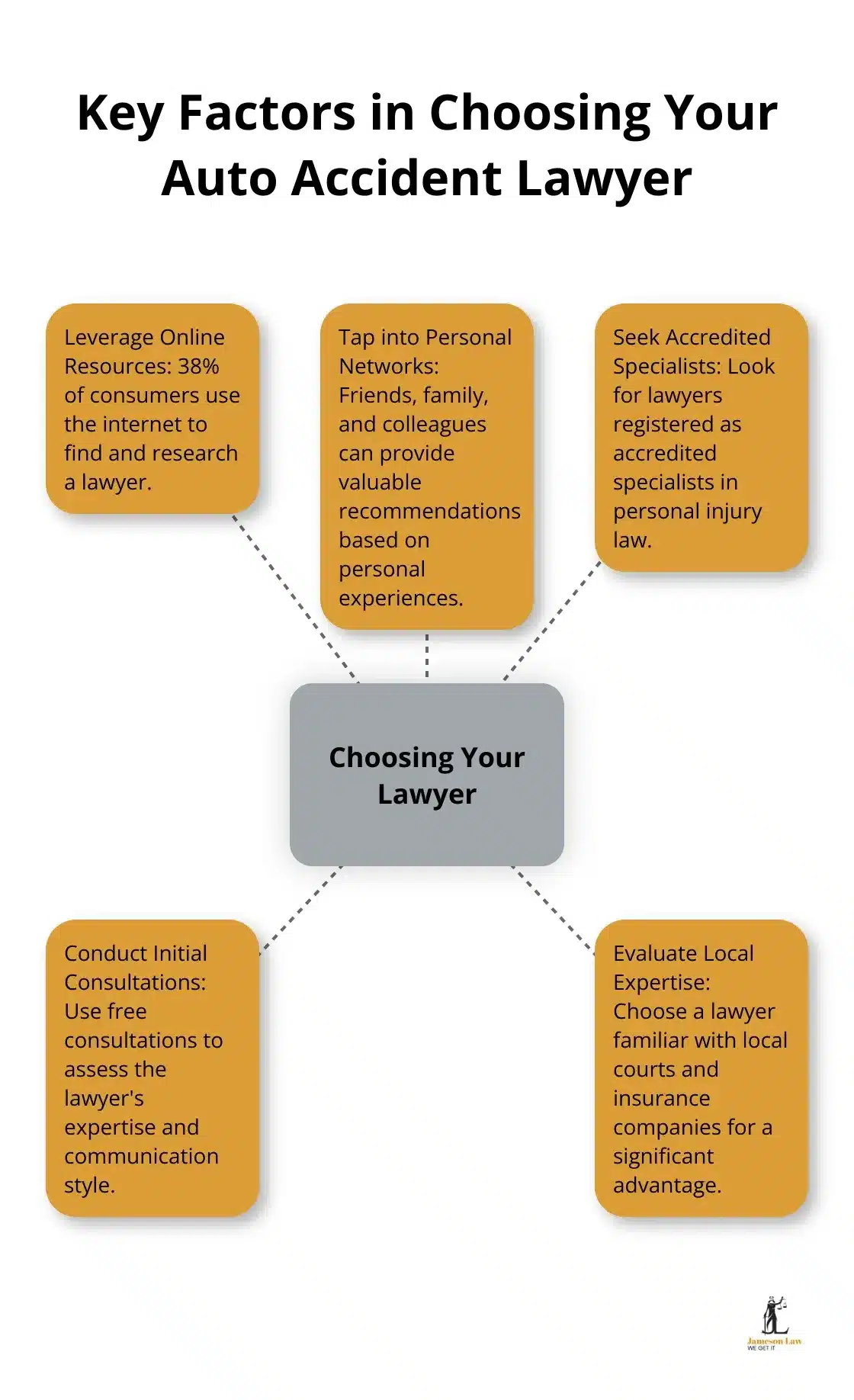
Finding a lawyer who is "good" for your specific circumstances requires looking beyond generic advertising. A qualified attorney must possess specific experience in your local jurisdiction, as insurance laws vary significantly by state, particularly regarding "no-fault" versus "at-fault" insurance models.
Key indicators of a competent lawyer include:
- Specialization in Insurance Law: Look for practitioners who focus on torts and insurance disputes rather than general practitioners who split their time between real estate, family law, and litigation.
- Contingency Fee Structures: Most reputable firms in this sector operate on a contingency basis, meaning they only receive a percentage of the final settlement or verdict. This aligns the lawyer’s interests with yours.
- Litigation History: Ask prospective firms about their experience in taking cases to trial. While most claims settle, insurance companies often offer higher settlements to firms known for successfully litigating cases to verdict.
- Professional Transparency: A good lawyer will provide a clear assessment of your case's strengths and weaknesses, including the potential for recovery versus the costs involved.
When to Seek Legal Representation
Many individuals wait too long to consult an attorney, mistakenly believing that insurance companies are obligated to provide a fair payout immediately. You should consider hiring an auto insurance claims lawyer if you encounter any of the following scenarios:
- Denial of Coverage: The insurance company rejects your claim, citing specific policy exclusions that you believe are being misinterpreted.
- Unfair Settlement Offers: The offer provided is significantly lower than the costs of medical treatment, vehicle repair, and loss of income.
- Complex Liability: Multiple parties are involved, or the police report is ambiguous regarding who caused the collision.
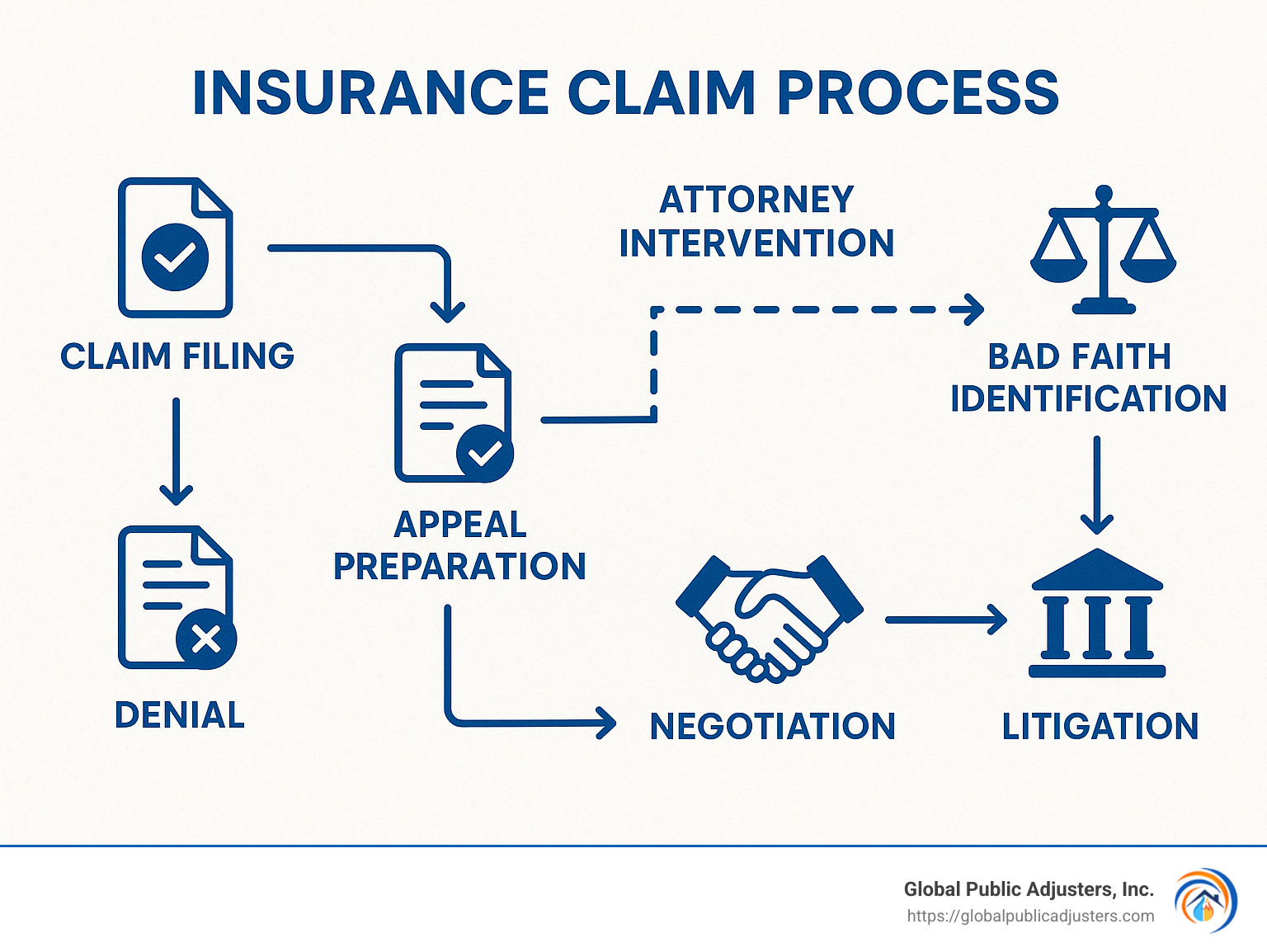
- Bad Faith Practices: The insurer is engaging in delaying tactics, failing to respond to correspondence, or intentionally misrepresenting policy terms.
- Serious Injuries: Accidents involving long-term disability, permanent scarring, or significant rehabilitation requirements require expert documentation of future damages, which standard claims processors rarely calculate correctly.
Evaluating Potential Legal Costs and Structures
Understanding the financial relationship is critical to ensuring your interests remain protected. Most auto insurance lawyers work on a contingency fee basis. As of 2026, standard contingency fees typically range between 33% and 40% of the gross recovery, depending on whether the case settles before or after a lawsuit is filed.
| Cost Element | Typical Responsibility | Description |
|---|---|---|
| Contingency Fee | Attorney | A percentage of the final payout, contingent on winning. |
| Court Filing Fees | Client/Attorney | Costs to initiate a lawsuit; often advanced by the attorney. |
| Expert Witnesses | Client/Attorney | Costs for medical or accident reconstruction experts. |
| Medical Records | Client | Costs to retrieve and format clinical documentation. |
Before signing a retainer agreement, ensure you receive a written explanation of how expenses are deducted. Some firms deduct expenses before calculating their fee, while others do so after. Clarifying this in advance prevents disputes during the final payout phase.
Common Pitfalls in the Claims Process
The most common mistake policyholders make is speaking directly to the insurance adjuster without legal counsel. Adjusters are trained to solicit recorded statements that may later be used to minimize the perceived severity of injuries or to shift blame.
Another frequent error is accepting an "initial offer" too quickly. Insurance companies often extend low-ball offers immediately after an accident to resolve the matter before the claimant fully understands the scope of their medical needs or property damage. By signing a release, you waive the right to seek additional funds, even if complications arise later. A "good" lawyer prevents these mistakes by managing all correspondence and ensuring that all long-term damages—such as future surgical costs or diminished vehicle value—are included in the demand package.
Resolving Disputes with Your Own Insurer
Sometimes the dispute is not with the other driver’s insurance, but with your own underinsured or uninsured motorist coverage. In these instances, you are effectively in an adversarial position against your own insurance provider. When this occurs, the contractual relationship you have with your insurer is governed by the state’s "duty of good faith and fair dealing." If the company fails to act in good faith, your attorney may be able to pursue a "bad faith" claim, which can sometimes lead to damages beyond the value of the original insurance claim itself.
Frequently Asked Questions
1. How do I verify a lawyer's disciplinary record? You should search the official State Bar Association website for your jurisdiction. This portal lists an attorney’s current license status and any record of professional misconduct or formal grievances filed against them.
2. Is a consultation usually free? Yes, most reputable personal injury and insurance claims firms offer free initial consultations to evaluate the viability of your claim. This is an opportunity to gauge their communication style and professional experience.
3. What documentation should I bring to my first meeting? Bring the police report, photographs of the scene and damage, all correspondence from insurance companies, copies of your insurance policy declarations page, and medical records related to the accident.
4. How long does an auto insurance claim take to settle? Timelines vary widely based on the complexity of injuries and the willingness of the insurer to negotiate. A simple property-damage-only claim may settle in weeks, whereas cases involving litigation can take 12 to 24 months.
5. What if I can't afford the upfront costs of a lawsuit? Most auto insurance claims lawyers advance the costs of litigation. These costs are recovered from the final settlement. If you do not win or settle the case, you generally do not owe the attorney for these advanced costs, depending on your specific retainer agreement.
Final Next Action
If you believe your insurance claim has been unfairly handled, search for local attorneys via your state’s bar association directory, prioritizing those who specialize in "First-Party Insurance Litigation" or "Personal Injury." Schedule consultations with at least two different firms to compare their assessment of your case and their strategy for recovering your losses. Ensure that any agreement you sign is clearly explained and that you feel comfortable with the attorney’s proposed plan of action before proceeding.
Image Gallery