The Ownership of Omaha Steaks Explained: Inside the Simon Family Legacy
Omaha Steaks is a privately held, family-owned company currently owned and operated by the fifth and sixth generations of the Simon family. Founded in 1917, the business has remained under the continuous stewardship of the Simons for o...
Omaha Steaks is a privately held, family-owned company currently owned and operated by the fifth and sixth generations of the Simon family. Founded in 1917, the business has remained under the continuous stewardship of the Simons for over a century, maintaining its headquarters in Omaha, Nebraska, while operating as a major national direct-to-consumer food retailer.
Contents
The Origins of Table Supply Meat Co.
The story of Omaha Steaks' ownership begins not with a corporate merger, but with a journey of immigration. In 1898, J.J. Simon and his son, B.A. Simon, fled religious persecution in Riga, Latvia, eventually settling in Omaha, Nebraska. They chose Omaha specifically because the city was already establishing itself as a central hub for the American meatpacking industry, rivaling Chicago in its output and quality of livestock.
In 1917, J.J. and B.A. Simon purchased a small storefront at 1618 Howard Street in downtown Omaha. They named the venture the Table Supply Meat Co. At its inception, ownership was a simple partnership between father and son. Their business model was straightforward: provide high-quality cuts of beef to local residents and the growing number of hotels and restaurants in the expanding Midwestern city.
The ownership structure remained strictly familial throughout these early years. The Simons focused on craftsmanship and relationship-building, which allowed them to survive the Great Depression. By the 1940s, the second and third generations were already deeply involved in the day-to-day operations, ensuring that the proprietary methods of aging and cutting beef were passed down as family trade secrets.
The Strategic Shift to Omaha Steaks International
As the mid-20th century approached, the ownership realized that local retail and wholesale would only take the company so far. In 1952, the Simon family initiated their first mail-order venture. This was a high-risk move at the time, as shipping perishable meat across state lines required innovative uses of insulated wax-lined cartons and dry ice.
The success of the mail-order business necessitated a rebranding to reflect their growing national reach. In 1966, the company officially changed its name to Omaha Steaks International. This transition was overseen by the third and fourth generations, specifically Frederick J. Simon and Bruce Simon’s father.
Under this era of ownership, the company expanded its footprint significantly. They moved beyond simple mail-order catalogs to include:
- Toll-free calling centers: One of the first in the industry to leverage telemarketing for food sales.
- Retail locations: Establishing physical stores in high-traffic areas across the United States.
- Corporate gifting: Diversifying ownership’s revenue streams by targeting the B2B market.
Despite this massive scaling, the Simon family rejected numerous offers for public listing or acquisition by larger food conglomerates. They maintained that private ownership allowed them to prioritize long-term brand integrity over short-term quarterly earnings—a philosophy that continues to define the company in 2026.
Current Ownership and Leadership Structure
As of 2026, Omaha Steaks remains a privately held corporation. This means that there is no ticker symbol on the New York Stock Exchange, and the company is not required to disclose its full financial statements to the public. The ownership is concentrated within the Simon family trust and active family members.
The Fifth and Sixth Generations
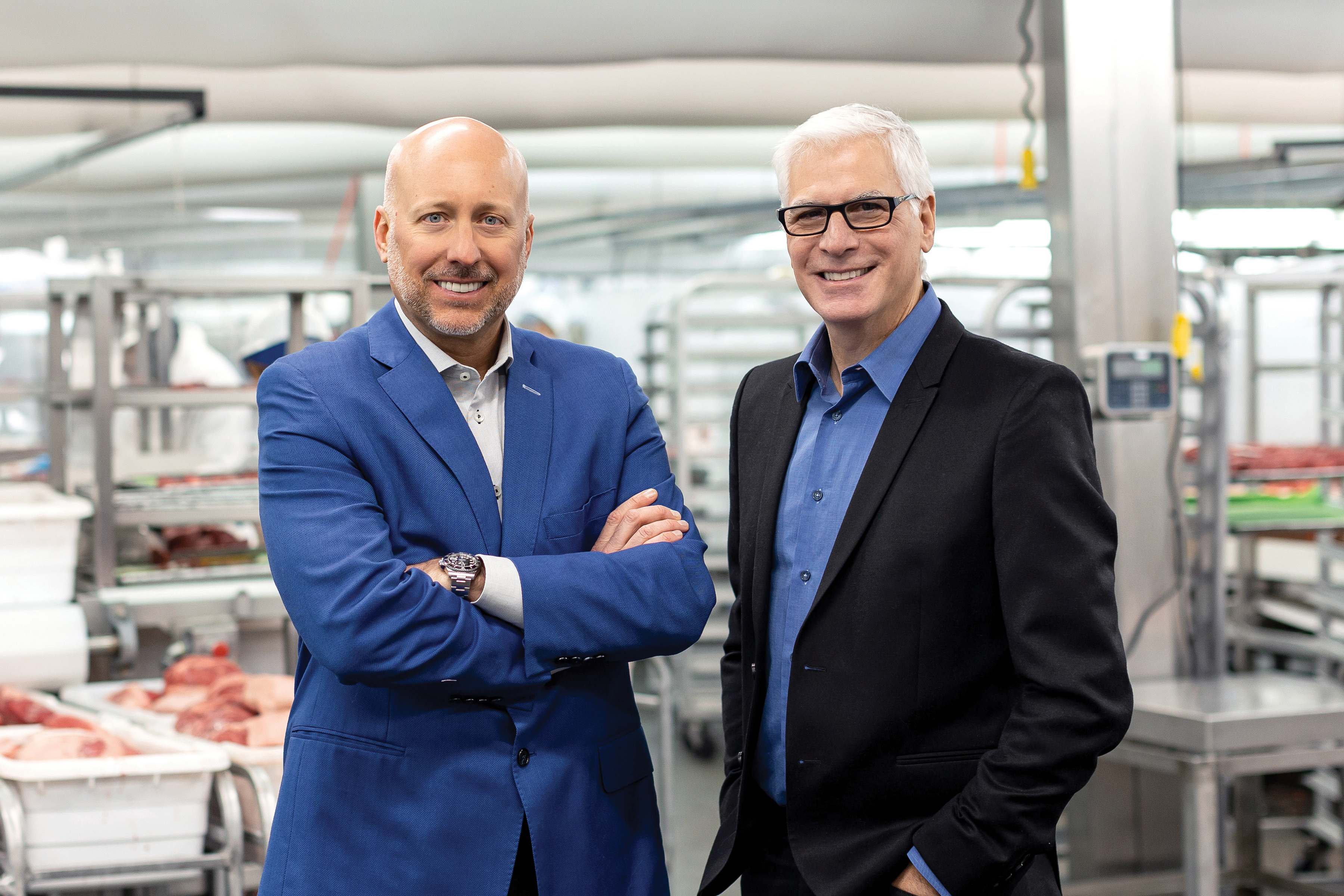
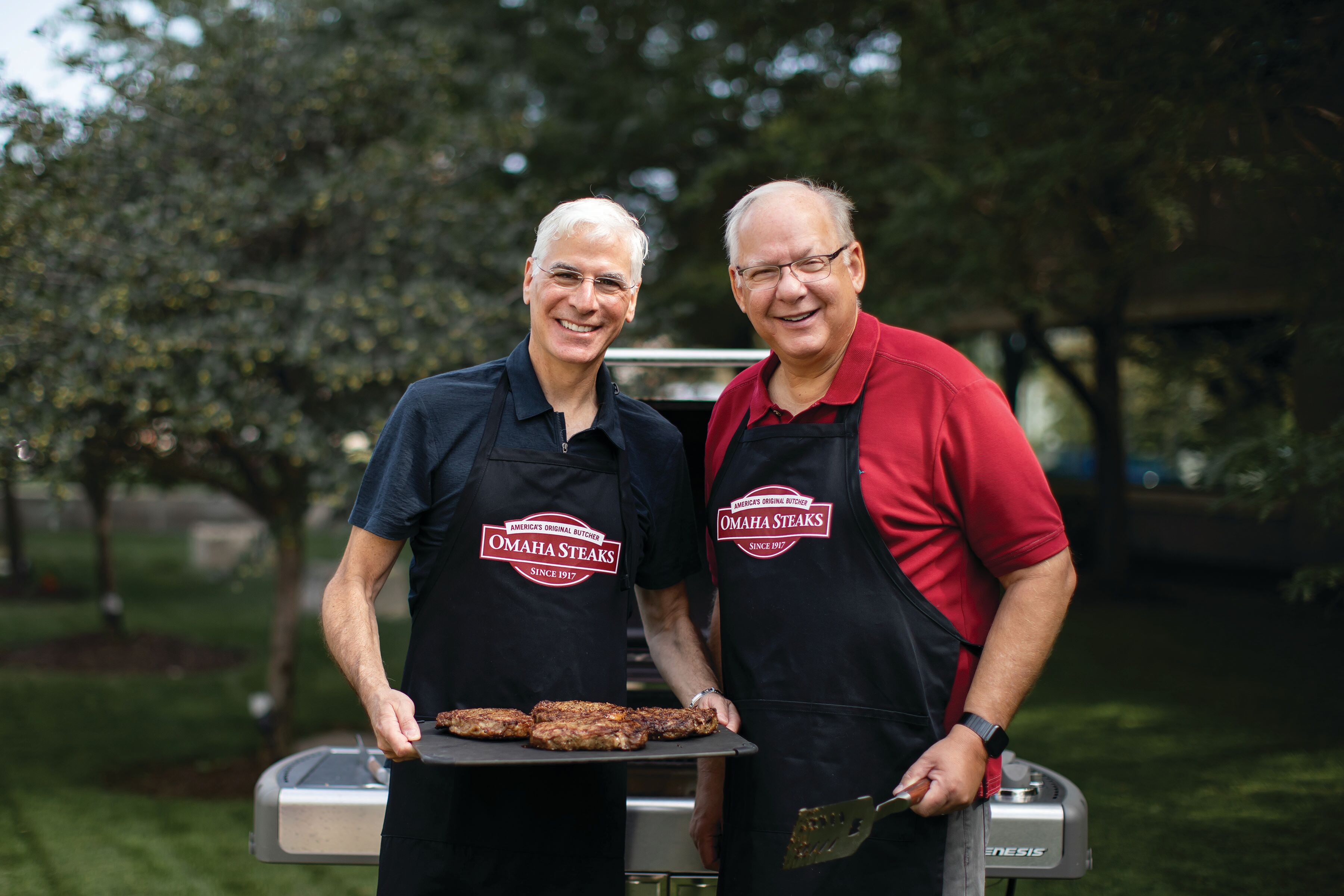
The leadership transition to the fifth generation occurred over several decades, with Bruce Simon and Todd Simon taking the helm. Bruce Simon served as the long-time President and CEO, while Todd Simon focused on marketing and the brand’s substantial philanthropic efforts.
In recent years, the company has integrated the sixth generation of Simons into various operational and executive roles. This continuity is a rarity in the American food industry, where most heritage brands are eventually absorbed by multinational entities like JBS or Tyson Foods.
Professional Management Integration
While the Simon family retains 100% ownership, they have modernized their governance by hiring external executive talent. In 2021, the family appointed Nate Rempel as President and CEO. This marked a significant milestone in the company’s history—hiring a non-family member to lead the executive suite while the family maintains oversight as the Board of Directors and owners.
This "hybrid" model allows the company to benefit from outside professional expertise in logistics, e-commerce, and supply chain management while the Simon family ensures the brand adheres to its historical quality standards.
Timeline of Ownership and Leadership Milestones
| Year | Event | Ownership/Leadership Phase |
|---|---|---|
| 1917 | Founding of Table Supply Meat Co. | J.J. Simon and B.A. Simon (1st & 2nd Gen) |
| 1924 | Move to larger facility on Douglas St. | Expansion of the family partnership |
| 1952 | First Mail-Order Shipments | B.A. Simon and Lester Simon (2nd & 3rd Gen) |
| 1966 | Rebranded to Omaha Steaks International | Transition to 3rd and 4th Generation |
| 1976 | First Retail Store Opened | Introduction of physical brick-and-mortar strategy |
| 1990s | Digital Transformation | Bruce and Todd Simon (5th Gen) take leadership |
| 2021 | Non-family CEO Appointment | Nate Rempel joins; Simon family retains full ownership |
| 2026 | Current Status | 5th and 6th Generation active in ownership and strategy |
Why Omaha Steaks Remains Privately Owned
The decision to remain a family-owned, private entity in 2026 is a calculated business strategy. The Simon family has frequently cited several reasons for resisting the "exit" strategies common in the venture capital world.
1. Quality Control and Sourcing
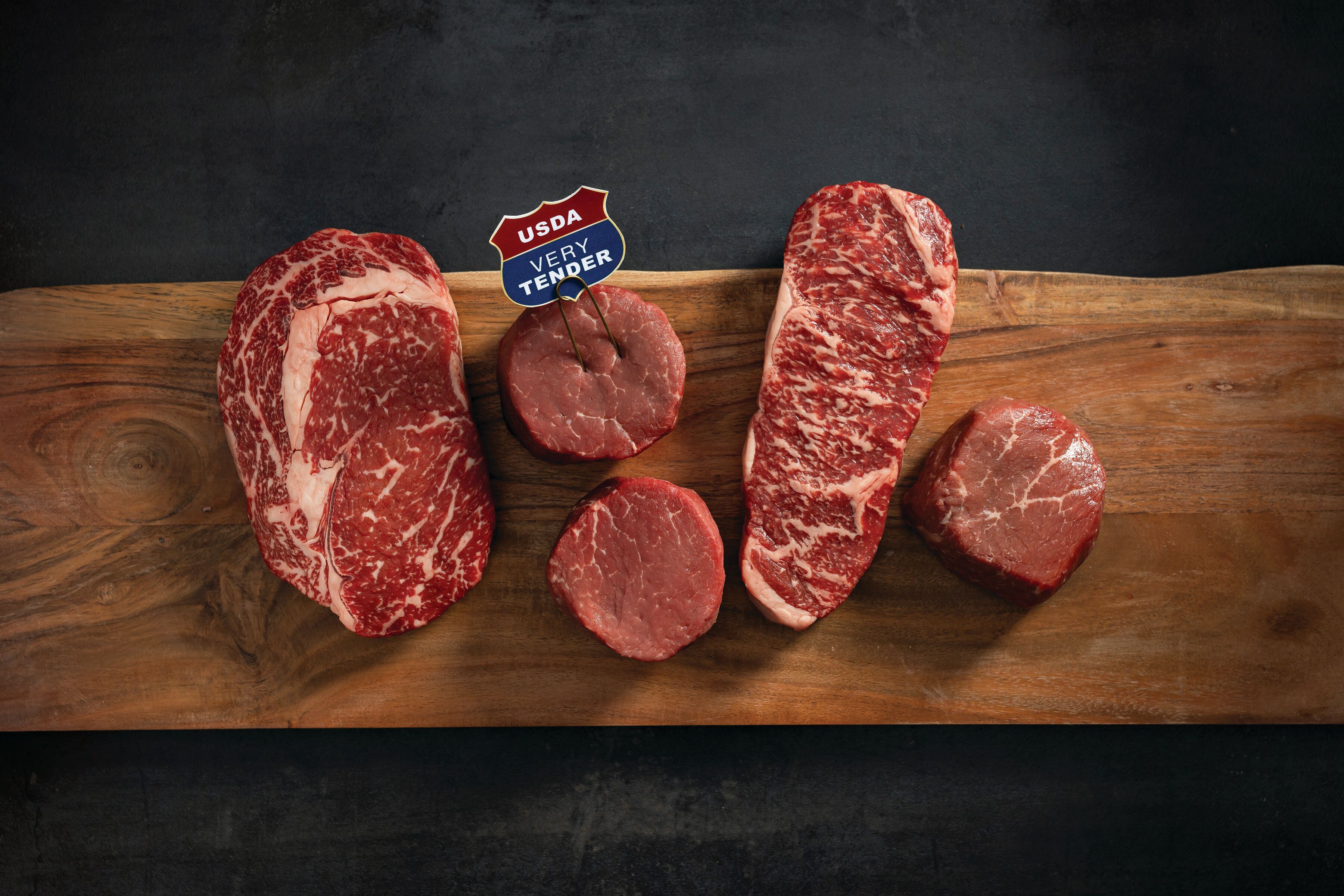
Publicly traded companies are often pressured by shareholders to reduce COGS (Cost of Goods Sold). For a premium meat provider, this often means sourcing lower-quality grain-fed cattle or shortening the aging process. By maintaining private ownership, the Simons control the sourcing of their "Omaha Steaks Grain-Fed Beef" and their specific 21-day aging process without having to justify the higher costs to an external board focused on margins.
2. Long-Term Brand Equity
Omaha Steaks is more than a meat processor; it is a lifestyle brand associated with gifting and luxury. The owners view the brand as a multi-generational asset. Private ownership allows them to invest in expensive infrastructure—such as their proprietary flash-freezing technology and massive cold-storage facilities—that may take a decade to see a return on investment.
3. Philanthropy and Community Ties
The Simon family is deeply embedded in the Omaha, Nebraska, community. Their ownership allows the company to direct significant portions of its profits toward local initiatives, including the Omaha Community Playhouse and various arts and education programs. A public corporation or a private equity owner would likely scrutinize these expenditures as non-essential to the bottom line.
Operational Scope Under Private Ownership
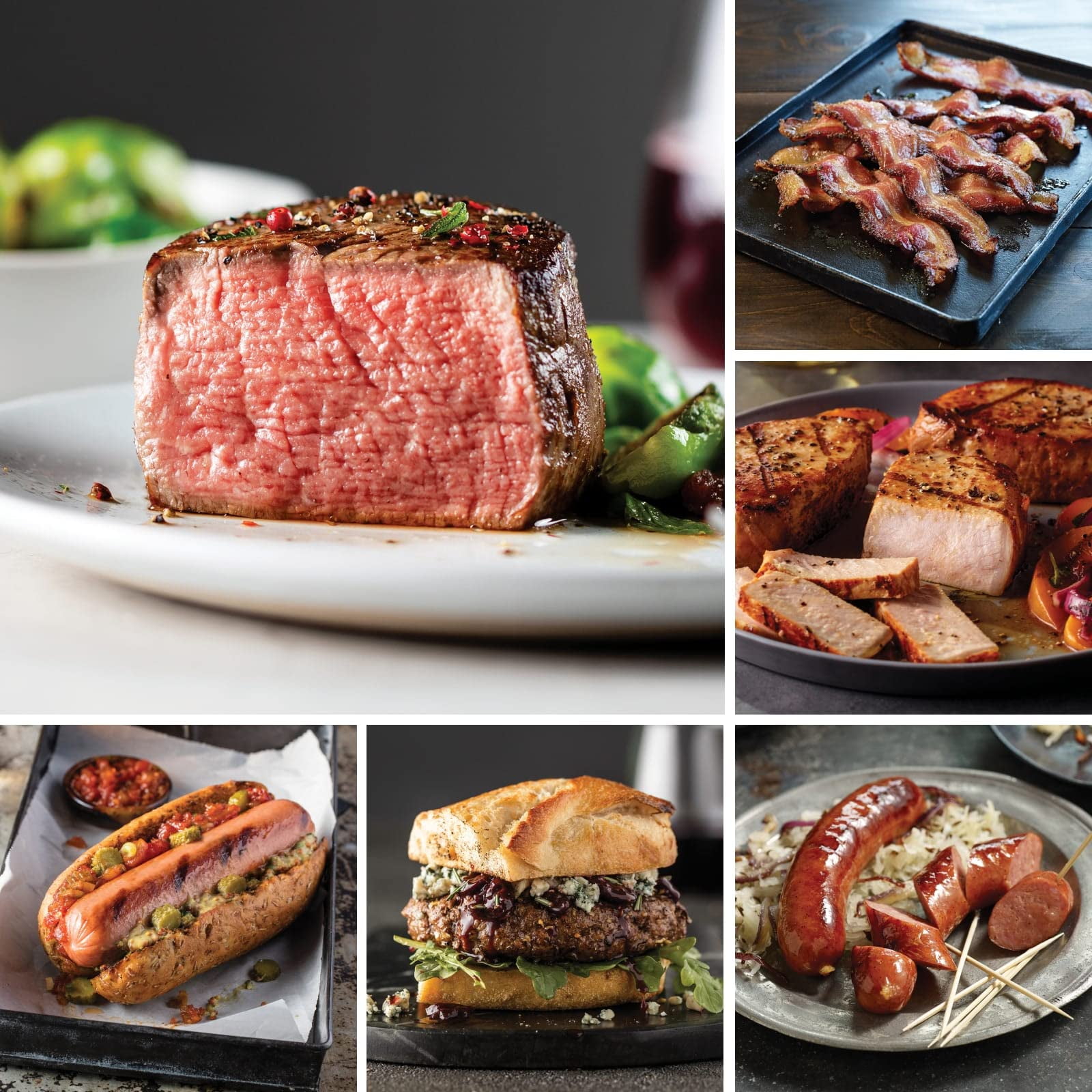
Under the Simon family's direction, the company has expanded far beyond its namesake product. While steaks remain the flagship, the private ownership has successfully diversified into a full-scale gourmet food provider.
- Custom Cuts: They maintain a team of master butchers who hand-carve steaks, a tradition maintained since the Table Supply Meat Co. days.
- Complementary Lines: The company now owns and manages brands that produce appetizers, sides, desserts, and even premium seafood (World Port Seafood).
- Wine Pairings: Recognizing the synergy between steak and wine, the owners launched Omaha Steaks Wine, leveraging their existing distribution network.
- Logistics Excellence: The family owns a sophisticated logistics network that includes temperature-controlled fulfillment centers capable of reaching any address in the United States within a 1-to-3-day window.
Challenges of Family Ownership in 2026
Despite its success, the Simon family faces modern challenges in maintaining its independent ownership. The rise of "meat-free" alternatives, the volatility of the cattle market, and the increasing dominance of Amazon in the grocery space have forced the owners to be more agile.
In 2026, the company has doubled down on its Direct-to-Consumer (DTC) roots. By owning the entire customer journey—from the butchery to the final delivery truck—they bypass the "middleman" fees associated with third-party retailers. This vertical integration is only possible because the family reinvests their profits back into the company rather than paying out dividends to public stockholders.
FAQ
Is Omaha Steaks owned by a larger corporation?
No. Omaha Steaks is a family-owned business and is not a subsidiary of any larger food conglomerate. The Simon family has owned and operated the company since its inception in 1917.
Can I buy stock in Omaha Steaks?
No, you cannot buy stock in Omaha Steaks. It is a privately held company. There is no public stock offering, and the company does not trade on any public exchange as of 2026.
Who is the current CEO of Omaha Steaks?
As of 2026, the CEO is Nate Rempel. While the Simon family maintains full ownership and serves on the Board of Directors, Rempel was brought in to lead executive operations, marking a shift toward professional management while preserving family ownership.
Where are Omaha Steaks processed?
Most products are processed and shipped from the company's facilities in Omaha, Nebraska. The family maintains strict oversight of their central processing plant to ensure the quality standards established by the earlier generations are met.
How many generations of the Simon family have owned the company?
The company is currently in its fifth and sixth generations of family ownership. The business has been passed down directly through the Simon lineage for over 100 years.
Summary and Next Steps
The ownership of Omaha Steaks is a rare example of the American Dream evolving into a multi-generational corporate dynasty while remaining entirely independent. By keeping the company private and family-owned, the Simons have preserved a brand identity focused on premium quality and a "small-town butcher" feel, even as they operate on a national scale.
For consumers or business researchers, understanding this ownership structure is key to understanding why Omaha Steaks maintains its premium pricing and specific market niche. If you are looking to interact with the brand, your next step is to explore their current offerings or visit one of their retail locations, where the family's influence on product curation is most evident. Whether you are ordering a gift or stocking your freezer, you are participating in a century-old family legacy that continues to define the mail-order food industry.
Image Gallery