Who Is the KISS Musician? The Members and Personas of the Iconic Rock Band
The term "the KISS musician" does not refer to a single individual, but rather to the members of the legendary American rock band KISS. Founded in New York City in 1973, the group is world-renowned for its members' distinct face paint,...
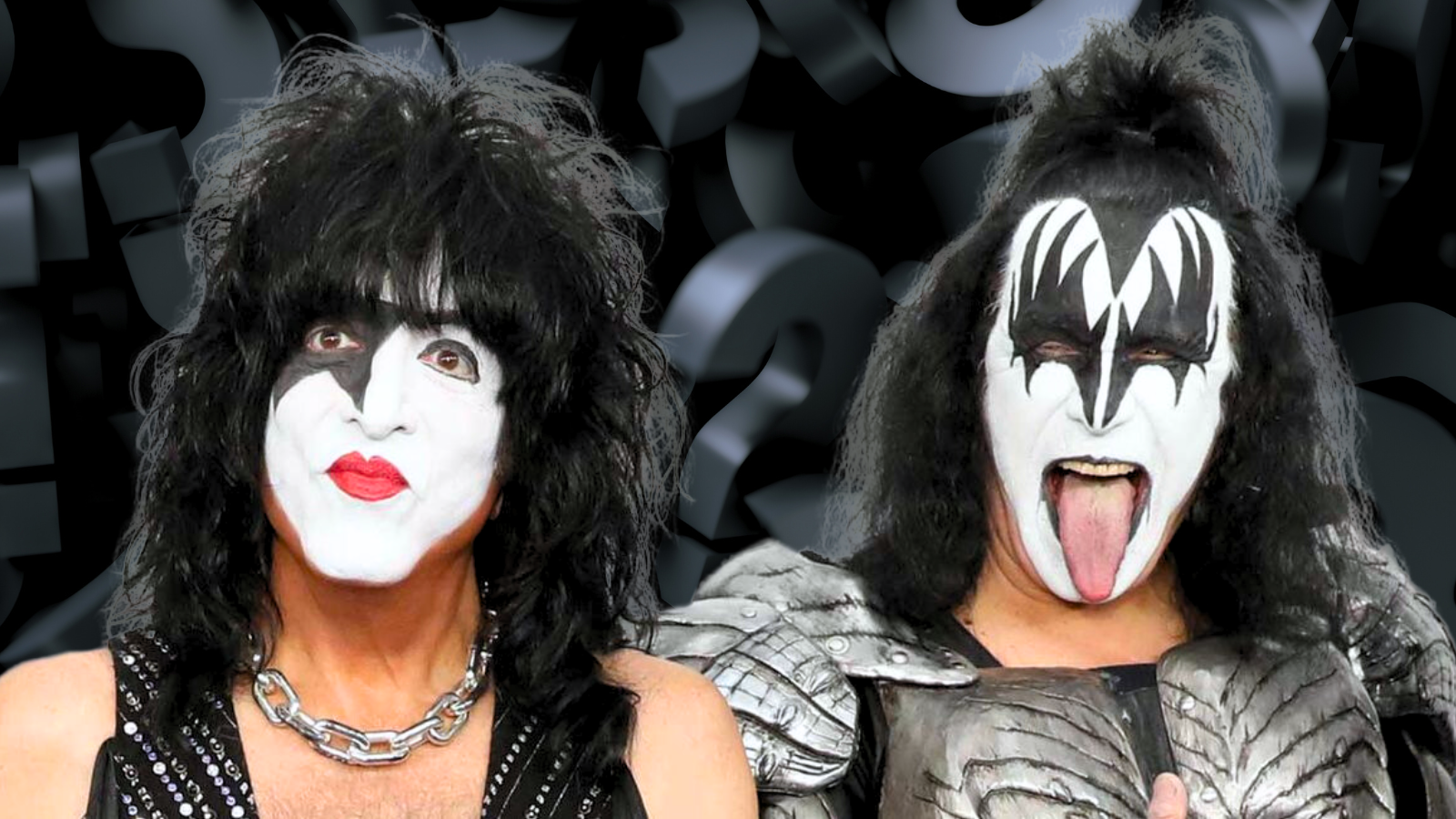
The term "the KISS musician" does not refer to a single individual, but rather to the members of the legendary American rock band KISS. Founded in New York City in 1973, the group is world-renowned for its members' distinct face paint, elaborate stage costumes, and larger-than-life personas, most notably "The Starchild" (Paul Stanley) and "The Demon" (Gene Simmons).
Contents
The identity of a KISS musician is inextricably linked to the character they portray on stage. While the band has seen several lineup changes over its five-decade career, the personas have largely remained constant, even when portrayed by different musicians. As of 2026, following the band's retirement from live human performances in late 2023, these identities have transitioned into a digital era, but the historical figures behind the masks remain the cornerstone of rock history.
The Founders: The Architects of the KISS Legacy
To understand who the KISS musicians are, one must begin with the two constants: Paul Stanley and Gene Simmons. Together, they formed the band out of the ashes of their previous group, Wicked Lester, with a vision to create "the band they never saw on stage."
Paul Stanley: The Starchild
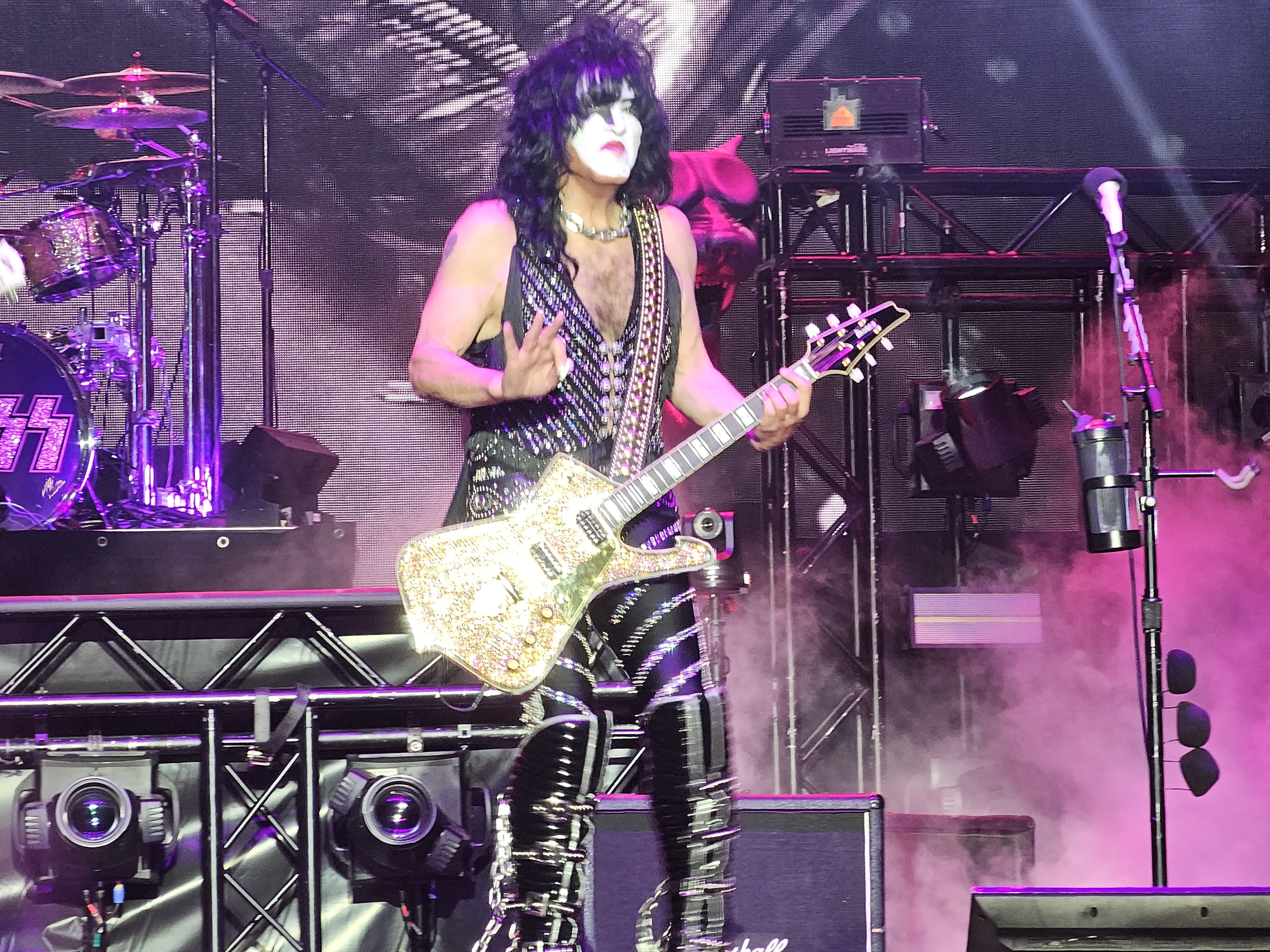
Paul Stanley, born Stanley Bert Eisen, is the rhythm guitarist and co-lead vocalist of KISS. His persona, The Starchild, is characterized by a single black star over his right eye and bright red lips. The Starchild represents the "hopeless romantic" and the quintessential rock frontman.
Stanley’s role in the band extends far beyond his stage character. He is responsible for writing many of the band’s greatest hits, including "Rock and Roll All Nite" and "I Was Made for Lovin' You." Technically, Stanley is known for his wide vocal range and his ability to command massive stadium crowds. In the history of rock music, few musicians have maintained such high-level performance standards for over 50 years.
Gene Simmons: The Demon
Gene Simmons, born Chaim Witz (and later known as Eugene Klein), portrays The Demon. His makeup is perhaps the most iconic in rock history, featuring bat-wing shapes around the eyes. The Demon persona allowed Simmons to incorporate horror-movie aesthetics into rock music, famously involving fire-breathing and "blood-spitting" during bass solos.
As a musician, Simmons provided the thumping, melodic bass lines that anchored the KISS sound. However, his influence as a businessman is equally significant. Simmons was the driving force behind the "KISS" brand, which includes everything from action figures to coffins (the KISS Kasket). By 2026, Simmons' legacy is viewed as a blueprint for how musicians can leverage their intellectual property.
The Lead Guitarists: The Spaceman Persona
The lead guitarist role in KISS is defined by the Spaceman persona (sometimes called the Space Ace). This character is associated with silver face paint and "extraterrestrial" guitar pyrotechnics, such as smoking guitars and rockets launched from the headstock.
Ace Frehley (1973–1982, 1996–2002)
Ace Frehley was the original Spaceman. His blues-influenced, high-energy solos defined the "KISS sound" of the 1970s. Frehley’s technical contribution to the band was immense; his solo work on the 1978 KISS solo albums was the most commercially and critically successful of the four. Frehley's "Space Ace" identity was a reflection of his own eccentric personality and interest in science fiction.
Tommy Thayer (2002–2023)
After Frehley’s final departure, Tommy Thayer took over the Spaceman mantle. Thayer had been a long-time associate of the band, serving as a tour manager and guitar trainer for Frehley and Stanley. While some purists debated the use of the original makeup by a new member, Thayer earned respect for his technical precision and his ability to replicate Frehley’s classic solos with note-perfect accuracy. Thayer remained the lead guitarist until the band's final "End of the Road" tour concluded.
The Drummers: The Catman and The Fox
The drumming position in KISS has seen the most transition, involving three primary musicians and two distinct personas (plus a brief third).
Peter Criss: The original Catman (1973–1980, 1996–2004)
Peter Criss provided the jazz-influenced drumming and the raspy vocals for the band's biggest ballad, "Beth." His persona, The Catman, was inspired by his "nine lives" upbringing in Brooklyn. Criss was essential to the band's early chemistry, providing a swing-style rhythm that contrasted with the heavy riffs of Stanley and Simmons.
Eric Carr: The Fox (1980–1991)
When Criss left in 1980, the band introduced a new persona for his replacement, Eric Carr. The Fox featured orange and black makeup. Carr was a powerhouse drummer who brought a much heavier, "80s metal" sound to the band. His tenure ended tragically with his death in 1991, but he remains a beloved figure among the "KISS Army" for his technical skill and kind demeanor.
Eric Singer: The Catman (1991–1996, 2004–2023)
Eric Singer first joined KISS after Carr's passing, initially performing without makeup during the "unmasked" era. When the band returned to makeup permanently in the early 2000s, Singer took over the Catman persona. Singer is widely regarded as the most technically proficient drummer to ever play for KISS, having also played for Alice Cooper and Black Sabbath.
The Unmasked Era and Short-Lived Personas
While "the KISS musician" is usually visualized in makeup, there was a significant period from 1983 to 1996 when the band performed without it. This era featured notable musicians who contributed to the band's survival during the hair metal and hard rock boom of the 1980s.
- Bruce Kulick: The lead guitarist from 1984 to 1996. Kulick never wore a specific makeup persona (though he participated in the 1983 unmasking). He is celebrated for his sophisticated melodic sensibility and technical fluidity.
- Vinnie Vincent: Known as The Ankh Warrior (or The Wiz), Vincent replaced Ace Frehley briefly. He was a co-writer on the pivotal Creatures of the Night and Lick It Up albums.
- Mark St. John: A highly technical "shredder" who appeared only on the Animalize album (1984) before being forced to leave due to health issues (Reiter’s Syndrome).
Summary Table of KISS Musicians and Personas
| Musician | Persona | Primary Instrument | Years Active (Approx.) |
|---|---|---|---|
| Paul Stanley | The Starchild | Rhythm Guitar / Vocals | 1973–2023 |
| Gene Simmons | The Demon | Bass Guitar / Vocals | 1973–2023 |
| Ace Frehley | The Spaceman | Lead Guitar | 1973–1982, 1996–2002 |
| Peter Criss | The Catman | Drums / Vocals | 1973–1980, 1996–2004 |
| Eric Carr | The Fox | Drums | 1980–1991 |
| Vinnie Vincent | The Ankh Warrior | Lead Guitar | 1982–1984 |
| Eric Singer | The Catman | Drums | 1991–1996, 2001–2023 |
| Tommy Thayer | The Spaceman | Lead Guitar | 2002–2023 |
| Bruce Kulick | (Unmasked) | Lead Guitar | 1984–1996 |
The "Avatar" Era: Who Is the Musician in 2026?
As of 2026, the question of "who is the KISS musician" has taken a technological turn. Following their final live show at Madison Square Garden in December 2023, the band debuted digital avatars created by Industrial Light & Magic (the company behind Star Wars).
These avatars allow the personas of The Demon, The Starchild, The Spaceman, and The Catman to continue performing indefinitely. While the physical musicians (Stanley, Simmons, Thayer, and Singer) have retired from the rigors of touring in heavy platform boots, they remain the creative directors of the KISS brand. In 2026, the "KISS musician" is a hybrid of historical legacy and cutting-edge digital performance, ensuring that the characters live on long after the original performers have left the stage.
Technical Specifications of the KISS Performance
To be a musician in KISS required more than just musical talent; it required immense physical stamina. The technical requirements for a KISS show include:
- The Boots: Most members wore platform boots ranging from 5 to 8 inches in height. Performing complex guitar solos or drumming while wearing these required specialized training and balance.
- The Gear: Gene Simmons' "Axe" bass is a custom-shaped instrument that has become a staple of the band’s technical identity. Paul Stanley is famously associated with the Ibanez Iceman guitar.
- The Costume Weight: By the final tours, the costumes worn by the musicians weighed between 30 and 40 pounds, largely due to the leather, studs, and hidden pyrotechnic triggers.
- Makeup Application: Even after 50 years, the application of the iconic greasepaint took approximately two hours before every show to ensure it would not run under the intense heat of the stage lights and pyrotechnics.
Frequently Asked Questions
Did KISS ever perform without makeup?
Yes, KISS officially "unmasked" on MTV in 1983. They performed without makeup for 13 years, covering albums such as Lick It Up, Asylum, and Revenge. They returned to the original makeup for the 1996 Reunion Tour and have used it ever since.
Why did Ace Frehley and Peter Criss leave the band?
Both original members left due to a combination of creative differences, personal struggles with substance abuse, and a desire for solo careers. While they returned for a successful reunion in the late 1990s, the physical and professional demands of the band eventually led to their permanent replacement by Tommy Thayer and Eric Singer.
Who owns the rights to the KISS makeup?
Paul Stanley and Gene Simmons own the intellectual property rights to all the KISS makeup designs. This is why the band was able to continue using the Spaceman and Catman personas even after Frehley and Criss were no longer in the group.
Is KISS still active in 2026?
KISS is active as a brand and a digital entity. While the "End of the Road" tour in 2023 marked the end of physical touring for the human members, the band continues to release archival recordings, manage the KISS World museum in Las Vegas, and develop their digital avatar concert experiences.
What was the most successful KISS lineup?
The original lineup of Stanley, Simmons, Frehley, and Criss is widely considered the most iconic and culturally significant. However, the lineup of Stanley, Simmons, Thayer, and Singer was the most stable, lasting for nearly two decades until the band's physical retirement.
Final Recommendation for Fans and Researchers
If you are looking to explore the work of a specific KISS musician, start with the "Solo Albums" released in 1978. Each of the four original members released a self-titled album on the same day—a feat never repeated by another band. These albums provide the best insight into the individual musical personalities behind the makeup. For those interested in the technical evolution of the band, the KISSology DVD series offers a comprehensive look at every era of the band’s performance history.
Image Gallery