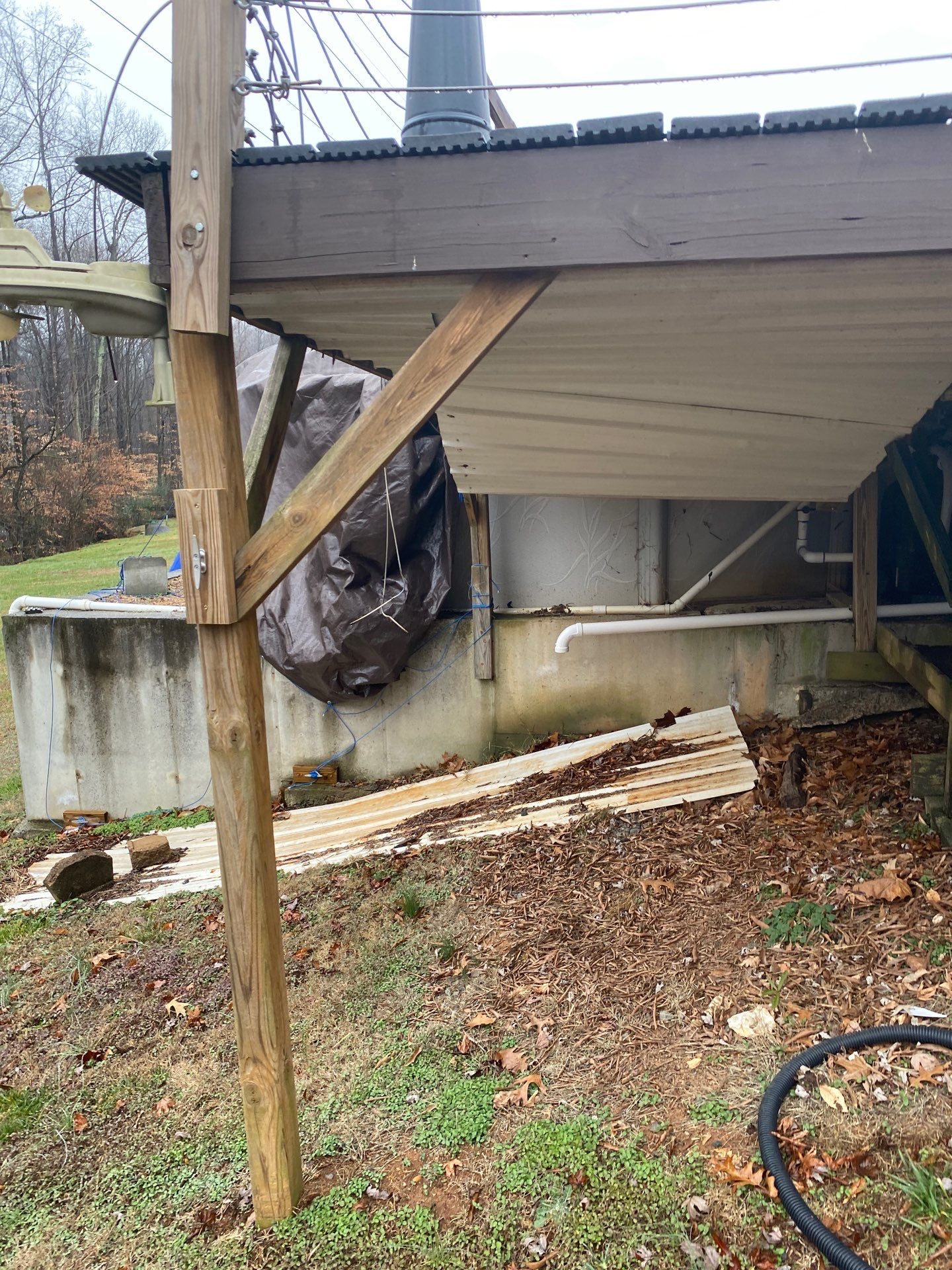
Understanding Structural Foundation and Crawlspace Repair Services
Structural foundation and crawlspace repair services encompass the professional assessment, stabilization, and remediation of a building’s substructure. These services address critical issues such as settling foundations, bowing baseme...
Structural foundation and crawlspace repair services encompass the professional assessment, stabilization, and remediation of a building’s substructure. These services address critical issues such as settling foundations, bowing basement walls, moisture infiltration, and wood rot in floor joists. By utilizing techniques like underpinning, slab jacking, and crawlspace encapsulation, these interventions restore structural integrity and improve long-term building health.
Contents
The Relationship Between Foundations and Crawlspaces
Foundations are the bedrock of structural safety, transferring the weight of a building to the earth. In many residential and light commercial structures, this foundation includes a crawlspace—an elevated, unfinished space between the ground and the first floor. Because these two systems are physically connected, the performance of one directly impacts the other.
When a foundation shifts or settles due to soil changes, it can cause the crawlspace floor joists to sag or the piers supporting the structure to become misaligned. Conversely, excess moisture within an unsealed crawlspace can lead to the deterioration of structural components, such as wooden support posts, which in turn leads to foundation instability. Understanding that these systems function as a singular support unit is the first step in diagnosing structural failures.
Identifying Signs of Structural Distress
Recognizing the early warning signs of foundation and crawlspace failure is essential for preventing catastrophic damage. Property owners should monitor the environment regularly for specific indicators that suggest professional intervention is required.
Visual Indicators of Foundation Movement
- Stair-Step Cracking: Diagonal cracks that form in masonry or brick veneer, typically indicating that one section of the foundation is sinking faster than another.
- Door and Window Jamming: Doors that stick or windows that become difficult to open often result from the frame losing its square alignment due to foundation shifting.
- Floor Unevenness: A perceptible slope or "bounce" in the floor, especially in rooms directly above a crawlspace, suggests that supporting piers have sunk or that floor joists have weakened.
- Visible Gaps: Separation between the walls and the ceiling or between the chimney and the siding indicates a shifting structure.
Crawlspace-Specific Red Flags
- Musty Odors: This is often the primary indicator of high humidity and fungal growth (mold) within the crawlspace.
- Efflorescence: A white, powdery mineral deposit on foundation walls, which indicates that moisture is being forced through the masonry.
- Pest Activity: Termites and wood-boring beetles thrive in moist, dark environments. Their presence often coincides with decaying subflooring or compromised structural posts.
Common Repair Methodologies
Repair strategies are highly localized and depend on soil composition, construction materials, and the specific nature of the damage. Contractors generally categorize repairs into two groups: foundation stabilization and crawlspace restoration.
Foundation Stabilization Techniques
- Steel Piers (Underpinning): These are driven deep into the ground until they hit stable load-bearing strata. The building’s weight is then transferred to these piers, effectively stabilizing or lifting the foundation back to its original position.
- Helical Piers: Similar to steel piers but utilizing a screw-like design, these are ideal for lighter structures or areas with specific soil conditions where deep reach is necessary.
- Slab Jacking (Mudjacking/Polyurethane Injection): This involves pumping a slurry or high-density foam beneath a concrete slab to lift it and fill voids created by soil erosion.
Crawlspace Restoration Techniques
- Crawlspace Encapsulation: This involves sealing the crawlspace from external moisture. Installers place a heavy-duty vapor barrier across the floor and up the walls, seal all vents, and install a commercial-grade dehumidifier.
- Support Post Replacement: If wooden piers have rotted, they are replaced with adjustable steel jacks that provide superior load capacity and are resistant to moisture damage.
- Joist Sistering: When floor joists are damaged by rot or pests, new lumber is attached to the existing joists to restore structural rigidity.
Cost Considerations and Professional Verification
The cost of foundation and crawlspace repair varies significantly based on the severity of the damage and the labor-intensive nature of the solution. Prices in 2026 reflect fluctuating material costs, such as steel and heavy-duty polyethylene liners.
| Service Type | Primary Purpose | Relative Cost Complexity |
|---|---|---|
| Piering (Steel/Helical) | Stabilizing settling foundations | High |
| Slab Jacking | Leveling uneven concrete | Moderate |
| Crawlspace Encapsulation | Moisture and rot prevention | Moderate |
| Post/Joist Repair | Replacing damaged supports | Low to Moderate |
Note: Property owners should obtain multiple quotes and ensure that the contractor provides a structural engineer’s assessment if the damage involves significant cracking or tilting.
The Role of Professional Assessment
Before any repair begins, a thorough investigation is required. In many jurisdictions, major foundation work requires a permit and inspection by a structural engineer. This is not merely a formality; it ensures that the proposed solution actually addresses the root cause of the problem—such as water drainage issues or improper soil compaction—rather than simply masking the symptoms.
Professional diagnostic services typically include a site survey to measure the elevation of the foundation, an inspection of the soil’s moisture content, and an evaluation of existing drainage systems (e.g., gutters and downspouts).
Frequently Asked Questions
Can I repair foundation cracks myself?
No. While minor, non-structural hairline cracks in concrete might be addressed with DIY sealants, true foundation cracks are often symptomatic of structural failure. Using improper materials or failing to address the underlying soil movement can worsen the issue.
Is crawlspace encapsulation necessary if I do not have mold?
Encapsulation is not just for mold remediation; it is a preventative measure. Even without visible mold, high humidity in an unsealed crawlspace promotes wood rot, attracts pests, and negatively impacts the air quality of the entire home.
How long do foundation repairs last?
When performed correctly using modern steel or helical pier systems, foundation repairs are often considered permanent. However, the lifespan of the repair is dependent on the stability of the soil and the effectiveness of water management systems surrounding the foundation.
Does homeowners insurance cover foundation repair?
Generally, no. Most standard homeowners insurance policies cover "sudden and accidental" damage. Foundation settlement or shifting caused by long-term soil issues is typically classified as a maintenance or "wear and tear" issue and is excluded from coverage.
What is the difference between a basement and a crawlspace repair?
A basement is a full-height living or storage space, whereas a crawlspace is limited-access and unfinished. Basement repairs often focus on wall pressure and lateral water intrusion, whereas crawlspace repairs focus on moisture control and the integrity of the floor assembly above.
Next Steps for Property Owners
If you suspect your building has structural or crawlspace issues, do not wait for the symptoms to worsen. The first action is to conduct a walk-around inspection to identify visible cracking or standing water. Document these findings with photographs and dates. Next, contact a reputable, licensed foundation repair specialist to conduct a professional evaluation. Always ask if their assessment includes a structural engineer’s report or if such a report is required for the permit process in your specific municipality. Addressing moisture management and structural stabilization early is the most effective way to protect the long-term value of your property.
Image Gallery