Cartoons in Spain: Historical Overview and Contemporary Landscape
Cartoons in Spain encompass a rich, centuries-long tradition that evolved from satirical nineteenth-century press illustrations and Franco-era censorship-era magazines into a vibrant, internationally recognized contemporary landscape o...
Cartoons in Spain encompass a rich, centuries-long tradition that evolved from satirical nineteenth-century press illustrations and Franco-era censorship-era magazines into a vibrant, internationally recognized contemporary landscape of animation studios, graphic novels, and digital art platforms. Understanding this trajectory reveals how Spanish artists balanced political pressure and economic shifts to build a distinct Mediterranean style of visual storytelling.
Contents
Roots of Spanish Caricature and Early Print Culture
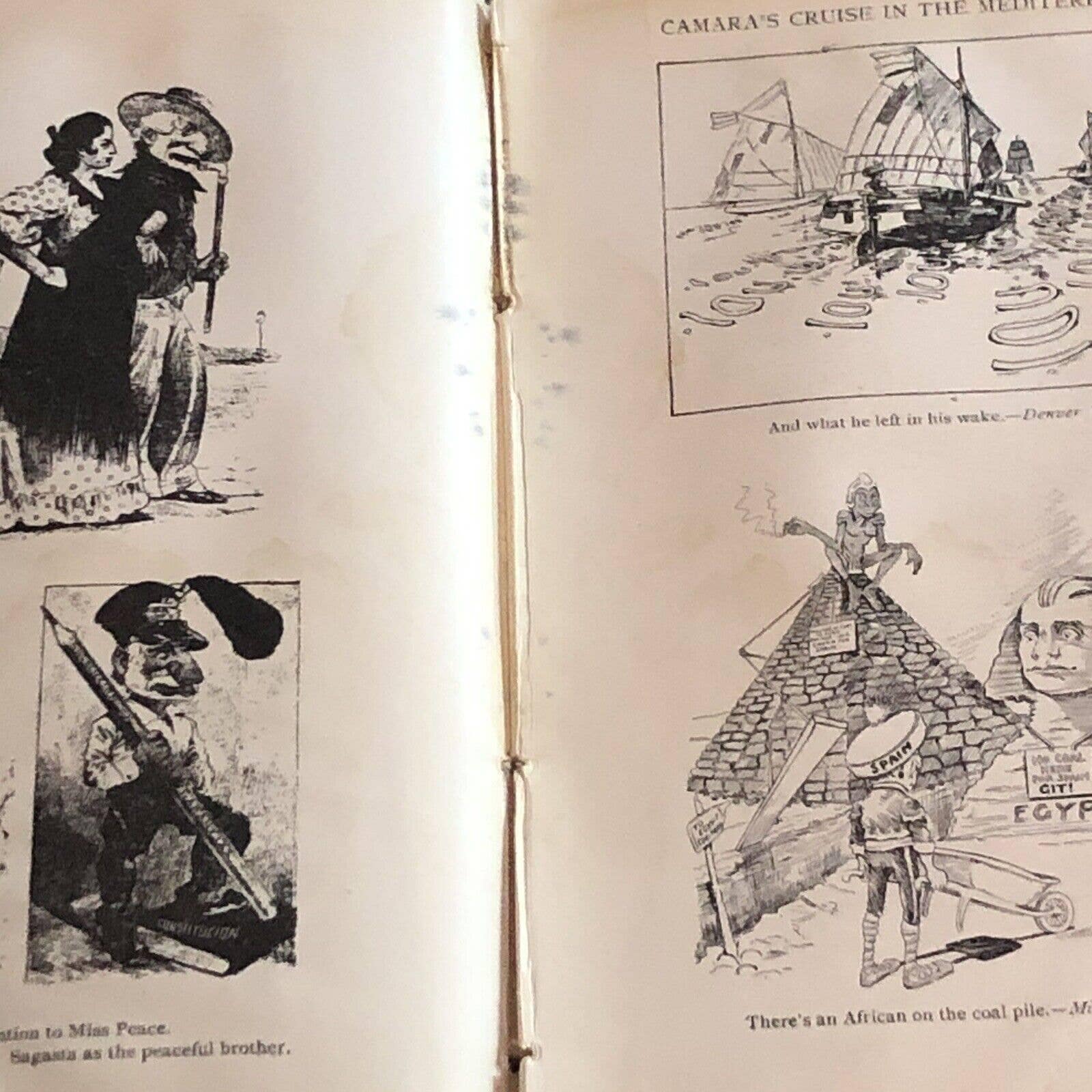
The history of Spanish animation and cartooning begins long before moving images graced the screen, anchored deeply in print culture, political satire, and illustrated magazines. During the nineteenth century, political instability, shifts in constitutional governance, and the expansion of urban literacy fostered an environment where caricature became a potent tool for social commentary.
Publications like Gil Blas (founded in 1864) and later Madrid Cómico (established in 1880) provided platforms for pioneering illustrators and caricaturists. Artists such as Eduardo Sojo and Francisco Ortego used exaggerated features and biting visual wit to critique government policies, monarchy, and societal hypocrisy. These print roots established a visual grammar characterized by sharp line work, expressive character design, and a strong emphasis on narrative sequence—elements that would directly influence later comic strips (tebeos) and animated shorts.
As the nineteenth century bled into the twentieth, the weekly magazine Gutiérrez (1912–1933) further professionalized the medium, showcasing a generation of draftsmen who blended Spanish costumbrismo with European modernist art movements like Art Nouveau and early Cubism.
The Franco Era: Censorship, Propaganda, and the Rise of Tebeos
The Spanish Civil War (1936–1939) and the subsequent establishment of the Franco regime radically restructured the cultural landscape. The state imposed strict ideological controls over all media, including print and emerging visual arts. Cartoonists and animators faced rigorous pre-publication censorship, forcing a shift away from biting political satire toward either regime-sanctioned patriotic propaganda or escapist entertainment for children.
Despite these restrictions, or perhaps because of the intense demand for harmless distraction, this era birthed the golden age of the Spanish comic book, universally known as tebeos (derived from the pioneering children's magazine TBO, launched in 1917). Publishing houses like Editorial Bruguera became cultural institutions.
- Editorial Bruguera's Staple Artists: Creators like Francisco Ibáñez (Mortadelo y Filemón), Escobar (Zip y Zape), and Vázquez (Las hermanas Gilda) created enduring characters that defined generations of childhoods.
- Narrative Style: These comics relied on frantic slapstick, recurring visual gags, working-class domestic settings, and subversive, absurdist humor that subtly poked fun at authority without crossing state-mandated red lines.
In the realm of moving animation, the post-war period saw the ambitious but financially troubled production of Garbancito de la Mancha (1945), directed by Arturo Moreno. Recognized as the first full-length animated feature film in color produced in Europe outside of the United Kingdom, it was heavily influenced by Disney aesthetics yet grounded in traditional Spanish folklore. However, chronic underfunding and economic isolation stunted the growth of a domestic feature animation industry for decades.
Transition, Democracy, and the Explosion of Adult Graphic Novels
The death of Francisco Franco in 1975 and the transition to democracy unleashed a cultural renaissance known as la movida madrileña and a parallel revolution in adult comic art. Censorship boards were dismantled, and a new generation of creators sought to reclaim artistic freedom, exploring themes of sexuality, politics, counterculture, and psychological depth that had long been forbidden.
Magazines such as El Víbora, Makoki, and Totem championed an underground, raw, and provocative aesthetic. Artists like Nazario (pioneer of underground queer comics), Max, and Javier Mariscal challenged traditional boundaries. Mariscal’s work, in particular, bridged fine art, graphic design, and comics, eventually leading to the creation of Cobi, the iconic mascot of the 1992 Barcelona Olympic Games.
This era also professionalized animation training and production. Studios began servicing international co-productions, while television broadcast networks started commissioning domestic series, setting the stage for the modern digital era.
The Contemporary Landscape: Studios, Digital Production, and Global Reach
Today, Spain's cartoon and animation landscape is a technologically advanced, globally integrated sector. Spanish studios regularly collaborate with major international platforms like Netflix, HBO, Disney+, and Movistar Plus+, producing content that ranges from preschool series to prestige adult animation.
The industry is anchored by regional clusters, particularly in Madrid, Catalonia, Valencia, and the Basque Country, supported by tax incentives and regional film commissions.
| Era / Movement | Key Publications / Studios | Defining Characteristics & Themes | Notable Figures |
|---|---|---|---|
| Early Print Era | Madrid Cómico, Gil Blas | Political satire, social caricature, rise of urban literacy. | Eduardo Sojo, Francisco Ortego |
| Golden Age of Tebeos | Editorial Bruguera, TBO | Slapstick humor, episodic formats, covert subversion of authority. | Francisco Ibáñez, Escobar, Vázquez |
| Democratic Transition | El Víbora, Makoki | Counterculture, underground aesthetics, adult themes, political freedom. | Nazario, Max, Javier Mariscal |
| Contemporary Digital | The Spa Studios, Ilion Animation, various indie houses | High-end 3D/2D hybrid production, global streaming partnerships, visual innovation. | Sergio Pablos, Alberto Vázquez |
A prime example of Spain's contemporary animation prowess is The Spa Studios, founded by Sergio Pablos. Their critically acclaimed feature Klaus (2019), distributed by Netflix, revolutionized traditional 2D animation pipelines by introducing volumetric lighting and texture mapping techniques that won a BAFTA and received an Academy Award nomination. Similarly, auteur directors like Alberto Vázquez (Decorado, Unicorn Wars) have carved out a distinct niche in adult-oriented, allegorical fantasy and dark psychological animation, winning multiple Goya Awards.
Challenges and Future Outlook
Despite international acclaim and robust technical capabilities, the Spanish cartoon and animation sector faces persistent structural hurdles:
- Funding and Capital Access: Securing early-stage development capital remains difficult compared to North American or French production models, often forcing studios to rely heavily on complex international co-productions.
- Intellectual Property Retention: Many local studios act primarily as service providers for foreign IP holders rather than retaining ownership of their own creations, limiting long-term residual revenue.
- Talent Retention: While Spanish animators and storyboard artists are globally sought after, competitive domestic salaries are necessary to prevent brain drain to studios in the UK, Canada, and the US.
Nonetheless, the widespread adoption of real-time rendering engines, artificial intelligence-assisted pipelines for non-creative grunt work, and the global appetite for diverse streaming content position Spanish cartoonists and animators for continued cultural and commercial impact.
Frequently Asked Questions
What was the first full-length animated feature film made in Spain?
The first full-length Spanish animated feature film in color was Garbancito de la Mancha, released in 1945 and directed by Arturo Moreno. It adapted a traditional Spanish folk tale about a tiny boy and utilized traditional cel animation techniques heavily influenced by contemporary American studio styles.
How did the Franco dictatorship affect Spanish cartooning?
The Franco regime imposed strict political and moral censorship, which severely limited satirical press cartoons and adult comic books. This political climate steered the industry toward children's entertainment, moralizing educational content, and slapstick humor in magazines like those published by Editorial Bruguera, where subversion had to remain subtle.
What are tebeos in Spanish culture?
Tebeos is the traditional Spanish term for comic books and magazines, originating from the name of the pioneering children's publication TBO (launched in 1917). For generations, tebeos were a staple of Spanish youth culture, featuring serialized humorous adventures of recurring characters.
Which Spanish animation studio created the Oscar-nominated film Klaus?
Klaus was created by The Spa Studios, an animation studio based in Madrid founded by veteran animator Sergio Pablos. The film broke new ground by blending traditional hand-drawn 2D character animation with proprietary volumetric lighting technology.
Where is the center of the contemporary Spanish animation industry?
Production is geographically distributed, but the primary hubs are concentrated in Madrid and Catalonia, followed by active regional clusters in Valencia, Andalusia, and the Basque Country, supported by local tax rebates and specialized universities offering animation degrees.
Conclusion and Next Actions
For researchers, industry professionals, and enthusiasts looking to engage further with Spanish cartooning, exploring original archives at events like the Salón del Cómic de Barcelona or visiting specialized institutions like the Casal Solleric and national film archives provides invaluable primary exposure. Supporting contemporary independent creators through digital crowdfunding platforms and streaming original Spanish animation directly contributes to the sustainability of this dynamic artistic tradition.
Image Gallery