Navigating the Best Renters Insurance in Nevada: A Comprehensive Guide
Finding the best renters insurance in Nevada involves balancing affordable premiums with sufficient coverage limits for personal property, liability protection, and additional living expenses. Because Nevada residents face unique regio...
Finding the best renters insurance in Nevada involves balancing affordable premiums with sufficient coverage limits for personal property, liability protection, and additional living expenses. Because Nevada residents face unique regional risks, including extreme heat, desert wildfire potential, and specific urban crime patterns in areas like Las Vegas and Reno, selecting a policy requires a clear understanding of your individual financial needs and the limitations of standard dwelling insurance.
Contents
Renters insurance is a specialized contract between you and an insurance carrier designed to cover your personal possessions—such as electronics, furniture, and clothing—in the event of perils like fire, theft, or vandalism. Unlike a landlord’s insurance policy, which only covers the physical structure of the building, renters insurance protects your financial stability by providing replacement costs for your belongings and shielding you from personal liability claims if someone is injured within your rental unit.
Understanding the Components of a Nevada Renters Policy
To determine which provider offers the best coverage for your situation, you must first understand the three core pillars of a standard HO-4 renters insurance policy.
1. Personal Property Coverage
This is the heart of your policy. It provides funds to replace or repair your personal belongings if they are damaged or destroyed by a covered peril. When shopping for a policy in Nevada, you must choose between "actual cash value" (ACV) and "replacement cost" coverage. ACV pays out based on the current depreciated value of an item, while replacement cost coverage pays for the price of a brand-new item of similar quality. Given the rapid devaluation of modern electronics, replacement cost is generally considered the superior option for most tenants.
2. Personal Liability Coverage
If a guest suffers an injury while visiting your apartment or if you accidentally cause damage to a neighboring unit (for example, by leaving a stove unattended), your liability coverage handles legal fees and medical bills up to your policy limit. In Nevada, where rental density in metropolitan areas is high, accidental water damage to lower-floor units is a common, costly liability concern.
3. Additional Living Expenses (ALE)
Known as "loss of use" coverage, this component pays for temporary housing, food, and other essential costs if your rental becomes uninhabitable due to a covered event, such as a fire or structural failure. In the Nevada desert climate, where extreme heat can make temporary displacement urgent, having sufficient ALE coverage is vital.
Evaluating Nevada-Specific Considerations
The "best" insurance provider often depends on your specific location within the state. Nevada is a geography of extremes, and insurers adjust their premiums and coverage availability based on risk assessments specific to your ZIP code.
- Wildfire Risk: While primarily a concern for homeowners, renters in proximity to wildland-urban interfaces in the foothills around Reno or the outskirts of Las Vegas should verify that their policy includes comprehensive fire coverage.
- Theft and Property Crime: Urban centers often see higher rates of property crime. Ensure your policy includes coverage for items stolen outside the home, such as from your vehicle, which is a common add-on benefit offered by premium carriers.
- Flood and Earthquake Exclusions: It is a critical misconception that standard renters insurance covers all natural disasters. In Nevada, flood and earthquake coverage are almost universally excluded from standard HO-4 policies. If you live in a flood-prone area or wish to protect against seismic activity, you must purchase separate, specialized "difference in conditions" policies or earthquake endorsements.
How to Compare Providers
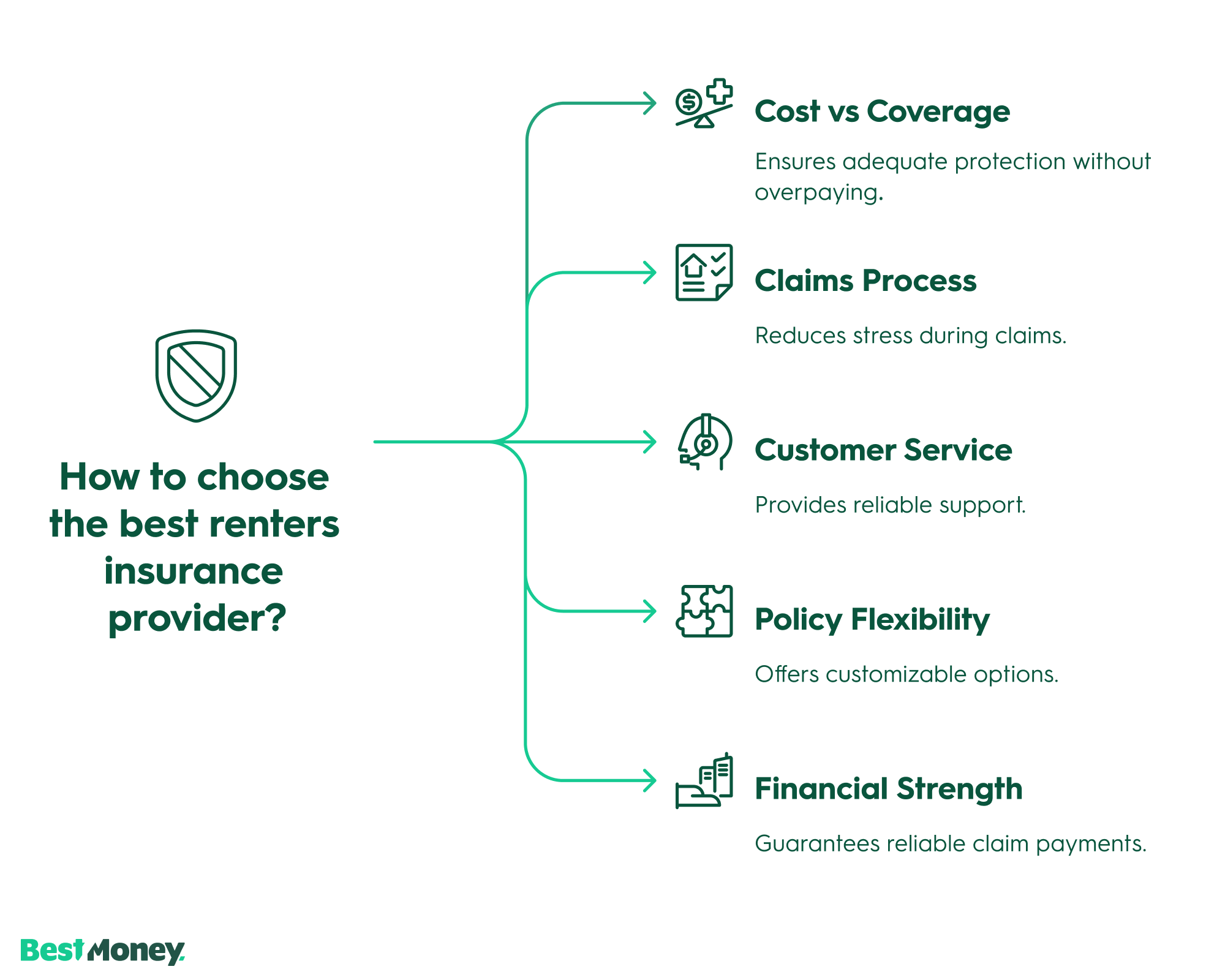
When comparing quotes, do not rely on price alone. Use the following criteria to evaluate whether a company is the right fit for your living situation:
| Feature | Importance | What to Look For |
|---|---|---|
| Financial Strength | High | Check A.M. Best ratings to ensure the insurer has the liquidity to pay claims. |
| Claims Process | High | Look for carriers with 24/7 digital portals or dedicated mobile apps for filing. |
| Replacement Cost | Essential | Verify if the policy defaults to replacement cost or depreciated cash value. |
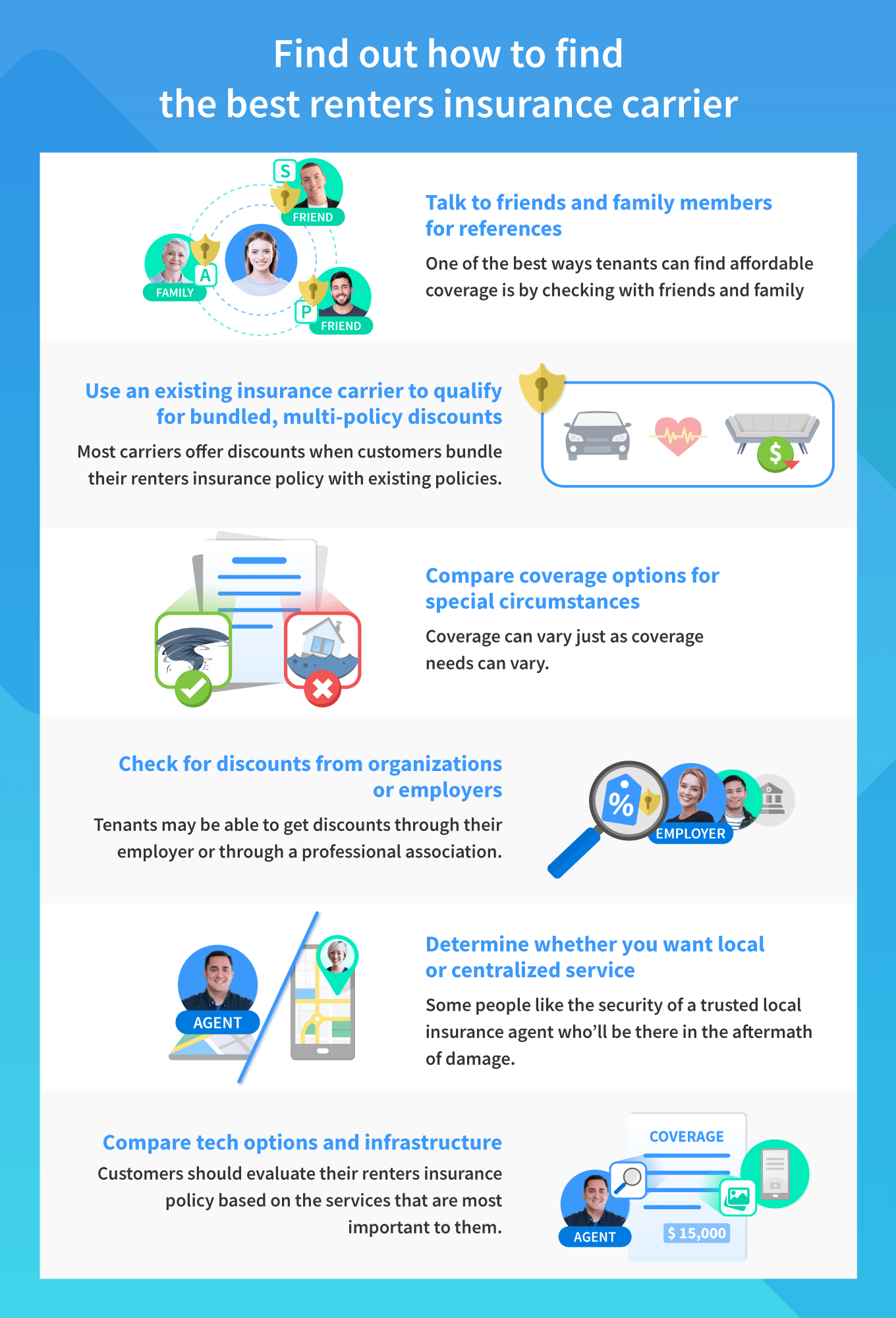
| Discounts | Medium | Inquire about multi-policy (bundling with auto) or security system discounts. |
| Liability Limits | Medium | A standard $100,000 limit is common, but $300,000 provides better protection. |
Steps to Securing Your Policy
- Inventory Your Belongings: Before requesting quotes, walk through your home and record a video or photo inventory of your major assets. High-value items, such as jewelry, art, or specialized equipment, may require a "scheduled personal property endorsement" to be fully covered, as base policies have sub-limits for such items.
- Request Multiple Quotes: Obtain quotes from at least three different national and regional carriers. Ensure the quotes use identical coverage limits so you are comparing "apples to apples."
- Verify the Deductible: The deductible is the amount you pay out-of-pocket before insurance kicks in. A higher deductible will lower your monthly premium, but ensure the amount is something you can realistically afford in an emergency.
- Review the Fine Print: Read the "Declarations Page" carefully. Confirm the start date, the specific address, and the list of covered perils.
Common Pitfalls to Avoid
The most frequent error renters make is under-insuring. Many people assume their belongings are worth less than they actually are. When you factor in the cost of replacing your entire wardrobe, kitchenware, furniture, and technology simultaneously, the total quickly exceeds what most people estimate. Always overestimate your property value slightly to account for inflation.
Another mistake is failing to update your policy. If you acquire expensive new gear, move to a new apartment, or acquire pets (which may affect liability coverage), you must inform your provider. Some dog breeds are excluded from liability coverage by certain insurers; if you are a pet owner, transparency with your agent is mandatory to prevent a claim denial later.
Legal and Financial Advice Limitations
This information is intended for educational purposes and does not constitute professional financial, legal, or insurance advice. Insurance regulations in Nevada are governed by the Nevada Division of Insurance. Always consult with a licensed insurance agent or a financial advisor to tailor a policy to your specific legal and financial circumstances.
Frequently Asked Questions
Does renters insurance cover my roommate? Generally, no. A standard policy usually only covers the named insured and immediate family members residing in the household. If you have a roommate, they should secure their own policy to protect their specific assets and their own liability.
How does my credit score affect my premium? In Nevada, insurers are permitted to use credit-based insurance scores as a factor in calculating premiums. Maintaining a healthy credit score can often result in lower monthly costs for renters insurance.
Is renters insurance mandatory in Nevada? State law does not mandate renters insurance. However, the vast majority of landlords in Nevada require it as a condition of your lease agreement. Always check your specific lease terms for minimum liability coverage requirements.
What happens if I move within Nevada? Renters insurance is portable but address-specific. If you move to a new apartment, you must notify your insurance company immediately to update the policy. Failure to update your address can invalidate your coverage for the new location.
Does renters insurance cover mold damage? Standard policies typically exclude mold unless it is the direct result of a covered peril, such as a burst pipe. Gradual mold growth due to humidity or poor ventilation is usually considered a maintenance issue and is not covered.
Next Actions for Renters
To move forward, begin by creating a digital spreadsheet of your assets. Once you have a rough valuation, visit the websites of three top-rated national carriers to input your Nevada ZIP code and obtain baseline quotes. If you own a vehicle, start by checking the rates from your current auto insurer, as "bundling" your renters and auto policies is the most consistent way to secure a multi-policy discount in the Nevada market.
Image Gallery