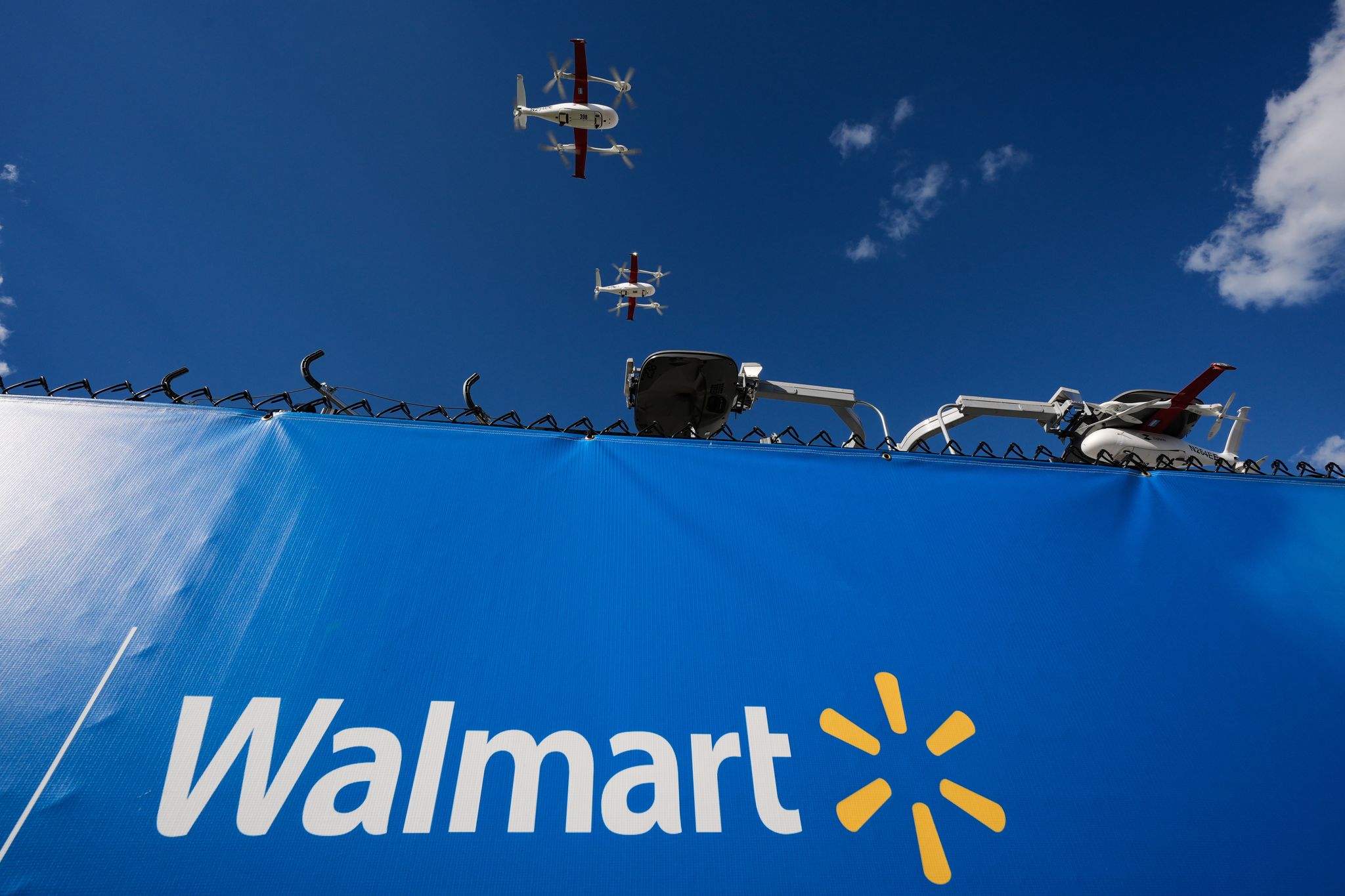
Walmart All Over the World: Global Presence and Strategy in 2026
As of 2026, Walmart operates approximately 10,500 stores and clubs under various banners in 19 countries, complemented by extensive e-commerce platforms. While the company has strategically divested from certain markets like the United...
As of 2026, Walmart operates approximately 10,500 stores and clubs under various banners in 19 countries, complemented by extensive e-commerce platforms. While the company has strategically divested from certain markets like the United Kingdom and Japan to focus on high-growth regions, it remains a dominant force in Mexico, Canada, and China, while aggressively expanding its digital ecosystem in India.
Contents
The landscape of global retail has shifted significantly over the last decade. Walmart, once defined primarily by its massive physical "Supercenters" across the United States, has evolved into a sophisticated omnichannel entity. The "Walmart all over the world" narrative is no longer just about building more brick-and-mortar stores; it is about localizing brands, mastering cross-border logistics, and integrating financial services into the shopping experience.
The Foundation of Walmart International
Walmart’s international journey began in 1991 with a joint venture in Mexico. Since then, the company has navigated a complex path of rapid expansion, strategic retreats, and digital pivots. By 2026, the international division serves as a critical engine for the company’s overall valuation, contributing significantly to its annual revenue through a mix of wholly-owned subsidiaries, majority-owned companies, and joint ventures.
The primary strategy governing Walmart's global footprint is "geographic prioritization." This means the company allocates capital to markets where it can achieve a clear leadership position or where the digital growth potential outweighs the risks of physical expansion. This shift explains why the company’s store count may seem lower than its peak years, even as its global market influence and GMV (Gross Merchandise Volume) continue to rise.
Major Markets: Where Walmart Dominates in 2026
To understand Walmart's global presence, one must look at the specific regions where the company has established deep roots. Walmart rarely uses the "Walmart" name exclusively; instead, it often operates through local banners that resonate more effectively with regional consumers.
Mexico and Central America (Walmex)
Walmart de México y Centroamérica, commonly known as Walmex, is the company’s most successful international venture. Headquartered in Mexico City, it operates across Mexico, Guatemala, El Salvador, Honduras, Nicaragua, and Costa Rica. In 2026, Walmex continues to be a powerhouse, leveraging several distinct formats:
- Bodega Aurrera: A discount store focused on low-income demographics, which remains the most popular retail banner in Mexico.
- Walmart Supercenter: The traditional one-stop-shop for middle-class urban consumers.
- Sam’s Club: A membership-based warehouse model that has seen explosive growth in Mexican metropolitan areas.
Canada
Walmart Canada has remained a stable and high-performing segment of the business. With over 400 stores, it serves millions of Canadians daily. By 2026, the focus in Canada has shifted almost entirely to "modernization and fulfillment." Massive investments in automated distribution centers in Ontario and British Columbia have allowed Walmart Canada to compete directly with Amazon, offering same-day delivery to a vast majority of the population.
China
The Chinese market presents a unique dichotomy for Walmart. While traditional hypermarkets have faced stiff competition from local giants like Alibaba and JD.com, Sam’s Club has become a prestigious brand for the Chinese middle class. In 2026, Sam’s Club is the primary growth driver for Walmart in China, with dozens of new locations opened to meet the demand for imported goods and high-quality bulk items.
India (Flipkart and PhonePe)
Walmart's presence in India is perhaps the most significant departure from its traditional model. Instead of thousands of physical stores, Walmart’s "presence" is defined by its majority stake in Flipkart, one of India's leading e-commerce platforms. Furthermore, PhonePe, the digital payments leader in India owned by the group, has become a cornerstone of the country's financial infrastructure. In 2026, India represents Walmart’s largest long-term growth opportunity, focusing on the "kirana" (small neighborhood shop) digitization program.
Strategic Divestments and "The Great Exit"
A crucial part of understanding Walmart all over the world is recognizing where the company is not present. Between 2018 and 2024, Walmart underwent a massive restructuring of its international portfolio. The company realized that competing in every global market was less efficient than dominating specific, high-return markets.
- United Kingdom: Walmart sold its majority stake in Asda in 2021. The move allowed Walmart to exit a hyper-competitive market with low margins while retaining an equity stake.
- Japan: After years of struggling to adapt the "Everyday Low Price" model to Japanese consumer habits, Walmart sold the majority of its stake in Seiyu to KKR and Rakuten.
- Brazil: Walmart Brazil was once a major focus, but logistical challenges and intense local competition led to the sale of an 80% stake to Advent International in 2018.
- Germany: Historically, Germany remains Walmart's most famous failure. The company exited in 2006 after failing to navigate strict labor laws and a consumer base that preferred local discounters like Aldi and Lidl.
Global Operations Comparison (2026 Data)
The following table outlines the status of Walmart's international presence across key regions as of the 2026 fiscal year.
| Region | Primary Banners | Primary Business Model | Market Status |
|---|---|---|---|
| Mexico | Bodega Aurrera, Walmart, Sam's Club | Hybrid (Brick & Mortar / Digital) | Dominant Market Leader |
| Canada | Walmart Canada | Omnichannel Retail | Stable / Mature |
| China | Sam's Club, Walmart | Membership Warehouse / Hypermarket | High Growth (Sam's Club) |
| India | Flipkart, PhonePe, Best Price | E-commerce & Fintech | Digital Leader |
| Africa | Massmart (Game, Builders) | Wholesale & DIY | Restructuring / Niche |
| Central America | Paiz, La Despensa, Maxx Consumo | Discount & Supermarket | Strong Regional Presence |
| Chile | Líder, Express de Líder | Supermarket | Regional Leader |
The Role of Supply Chain and Global Sourcing
Walmart’s global dominance is underpinned by one of the most sophisticated supply chain networks in human history. To maintain "Everyday Low Prices" across 19 countries, the company utilizes a global sourcing office based in Hong Kong, with satellite offices in key manufacturing hubs like Vietnam, India, and Turkey.
In 2026, this supply chain has become increasingly "circular." Walmart has invested heavily in sustainability initiatives, pressuring global suppliers to reduce carbon footprints and plastic waste. This isn't just for environmental reasons; it is a logistical necessity. By streamlining packaging and localizing certain production chains (particularly in Mexico and India), Walmart reduces shipping costs and mitigates the risks of geopolitical trade disruptions.
Furthermore, the company's Global Tech division—with hubs in Bangalore, Silicon Valley, and Bentonville—manages the proprietary AI that predicts inventory needs across continents. This ensures that a Sam’s Club in Shanghai and a Bodega Aurrera in Mexico City are stocked based on hyper-local data while benefiting from global purchasing power.
Frequently Asked Questions
Does Walmart operate in Europe in 2026?
As of 2026, Walmart does not have a significant physical retail presence in Continental Europe or the United Kingdom. After exiting Germany in 2006 and selling its majority stake in the UK's Asda in 2021, the company has focused its capital on the Americas and Asia. Walmart still maintains sourcing offices and some corporate functions in Europe, but you will not find Walmart-branded retail stores there.
How many countries have Walmart stores?
Walmart currently operates in approximately 19 countries. This number includes countries where they operate under different brand names, such as Líder in Chile or Bodega Aurrera in Mexico. The company also maintains a digital-first presence in several other regions through its e-commerce investments.
Why does Walmart use different names in different countries?
Walmart uses local banners to maintain consumer trust and brand equity. In many cases, Walmart entered new markets by acquiring existing successful chains (like Seiyu in Japan or Asda in the UK). Keeping the local name helps avoid the "Americanization" stigma and allows the company to cater to specific local shopping habits that a generic US-style Supercenter might miss.
Is Walmart still the world's largest retailer?
Yes, in 2026, Walmart remains the world's largest retailer by revenue. While Amazon competes fiercely in the e-commerce space, Walmart's massive physical footprint and growing digital marketplace combined keep it at the top of the Fortune 500 and global retail rankings.
Can I use my Walmart+ membership internationally?
Generally, Walmart+ benefits are region-specific. A membership purchased in the United States does not provide free shipping or fuel discounts in Mexico or Canada. However, the company has begun exploring "Global Membership" perks for Sam's Club members, allowing for some cross-border benefits between the US and Mexico.
Practical Recommendations for Global Consumers and Investors
For those tracking Walmart’s global footprint in 2026, the key is to look beyond the "Walmart" sign. If you are an investor, focus on the growth of Walmex and Flipkart, as these are the primary drivers of international value. For consumers traveling abroad, do not look for a store called "Walmart" in every country; instead, research the local subsidiary (like Líder in Chile) to experience the Walmart ecosystem.
The company's future "all over the world" will likely involve fewer physical hypermarkets and more integrated digital services. As global markets continue to mature, expect Walmart to continue its trend of exiting low-performing European and Asian markets to double down on the burgeoning middle class in India and Latin America.
Image Gallery