The Most Expensive Cities in Europe for Expats in 2026
In 2026, the cost of living for expats in Europe is primarily driven by a persistent housing shortage in major hubs and the stabilization of energy costs at higher post-crisis levels. Zurich, Geneva, and London remain the most expensiv...
In 2026, the cost of living for expats in Europe is primarily driven by a persistent housing shortage in major hubs and the stabilization of energy costs at higher post-crisis levels. Zurich, Geneva, and London remain the most expensive cities, characterized by astronomical rents and high service costs, followed closely by Dublin and Nordic capitals like Oslo and Copenhagen.
Contents
Relocating to Europe offers diverse cultural experiences and career opportunities, but the financial implications vary wildly across the continent. For expatriates, "expensive" is a multifaceted term involving rental prices, local taxation, healthcare requirements, and the relative purchasing power of local salaries. As of 2026, the gap between the most expensive tier and the rest of Europe has widened, largely due to the concentration of high-paying sectors like finance, technology, and international diplomacy in a few select urban centers.
The Dominance of Switzerland: Zurich and Geneva
Switzerland consistently occupies the top spots in global cost-of-living indices. In 2026, Zurich and Geneva remain the most expensive cities in Europe for expats, driven by the strength of the Swiss Franc (CHF) and a standard of living that demands high wages.
Zurich: The Financial Powerhouse
Zurich is not just a banking hub; it is a center for life sciences and technology. However, the cost of entry is steep. A one-bedroom apartment in the city center (districts like Kreis 1 or 8) typically exceeds CHF 3,500 per month.
Expats must also account for mandatory private health insurance, which in 2026 averages between CHF 450 and CHF 600 monthly for an adult with a standard deductible. While salaries are among the highest in the world, the "invisible" costs—such as mandatory recycling bags, expensive public transport (ZVV), and high-priced services (haircuts, cleaning)—can erode disposable income quickly.
Geneva: The Diplomatic Hub
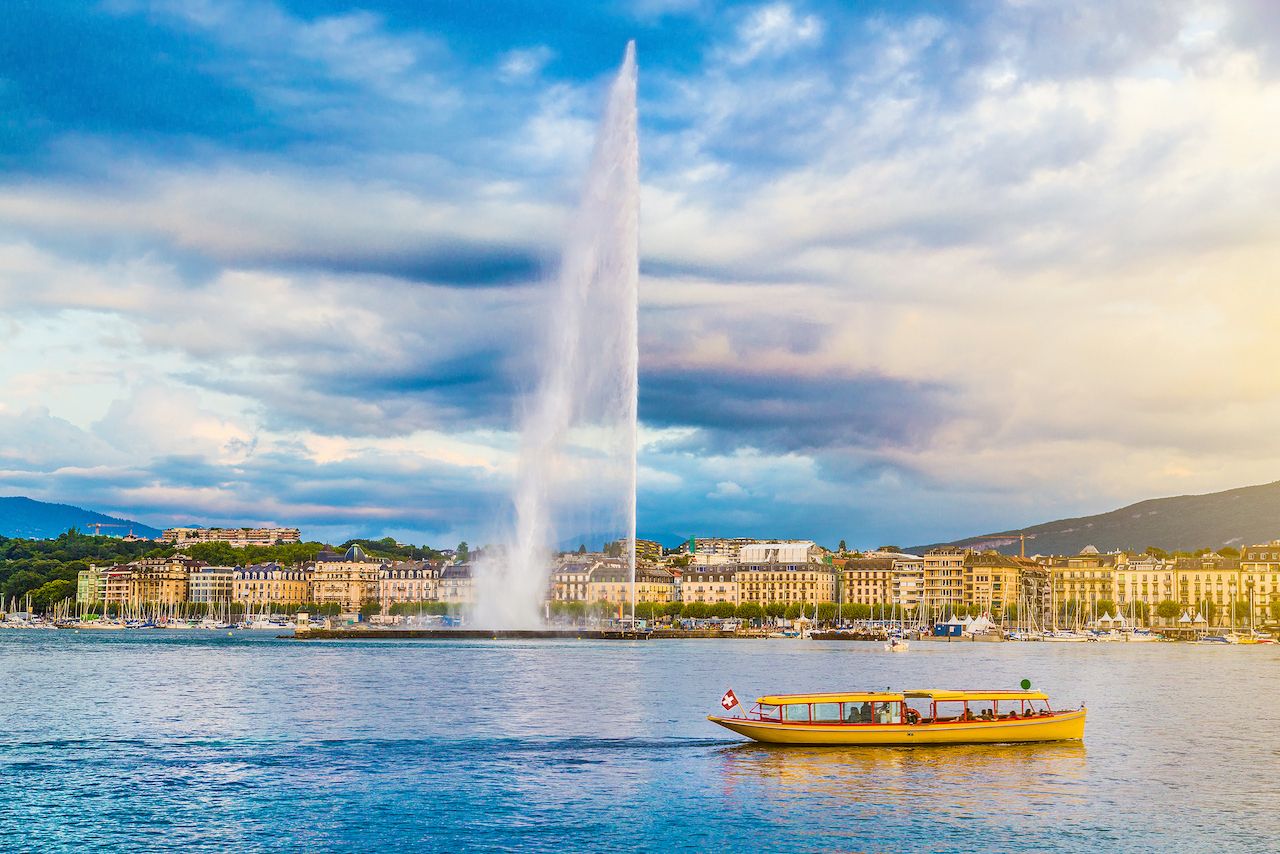
Geneva’s profile is shaped by the presence of the United Nations and numerous NGOs. The geographic constraints of the city, nestled between Lake Geneva and the French border, have created a permanent housing crisis.
Many expats in Geneva choose to live in neighboring French towns like Annemasse or Ferney-Voltaire to save on rent—a practice known as "frontalier" living. However, for those residing in the city proper, dining out is a luxury, with a basic three-course meal for two often exceeding CHF 140.
The United Kingdom: London's Rental Crisis
London remains a premier destination for expats, yet in 2026, it challenges even the Swiss cities for the title of the most expensive location due to its volatile rental market. Following years of under-supply, rents in popular expat boroughs like Chelsea, Islington, and Canary Wharf have reached record highs.
Beyond rent, London’s cost of living is exacerbated by:
- Council Tax: A mandatory monthly fee paid to the local authority, which can add £150–£300 to monthly expenses.
- Transportation: Despite a world-class network, the London Underground remains one of the most expensive transit systems globally. A monthly travel card for Zones 1-3 now costs significantly more than equivalent passes in Paris or Berlin.
- Utility Costs: While energy prices have stabilized since the early 2020s, the standing charges and unit rates in the UK remain higher than the European average.
The Rise of the "Tech Hubs": Dublin and Amsterdam
The expansion of multinational corporations has transformed Dublin and Amsterdam into high-cost zones that rival traditional financial centers.
Dublin’s Housing Shortage
In 2026, Dublin presents perhaps the most difficult housing market for expats in Europe. The concentration of European headquarters for companies like Google and Meta has led to a massive influx of high-earning professionals. Consequently, the rental market is extremely competitive, with "Rent Pressure Zones" attempting to curb increases, yet failing to address the fundamental lack of supply. Expats should expect to spend 40-50% of their net income on housing in the Dublin 2 or Dublin 4 areas.
Amsterdam and the 30% Ruling
Amsterdam remains attractive due to its high quality of life and the 30% ruling—a tax advantage for highly skilled migrants. However, the Dutch government has implemented stricter caps on this benefit as of 2026. Combined with a severe housing shortage and high gas-based heating costs, Amsterdam is now firmly entrenched in the top five most expensive cities for expats in Western Europe.
The Nordic Standard: Oslo, Copenhagen, and Reykjavik
The Nordic countries are famous for high taxes, but for expats, the immediate shock comes from the "sticker price" of daily goods and services.
- Oslo: Driven by Norway’s oil wealth, Oslo has extremely high labor costs, which translates to expensive services. Alcohol and tobacco are heavily taxed, making social life significantly more expensive than in Southern Europe.
- Copenhagen: The Danish capital is consistently rated as one of the most livable cities, but the cost of car ownership is prohibitive due to high registration taxes. While biking saves money, the cost of groceries and childcare remains among the highest in the EU.
- Reykjavik: Iceland’s isolation necessitates the importation of most goods, leading to high prices for fresh produce and household items.
Cost Comparison Matrix (Estimated 2026 Data)
The following table compares the estimated monthly costs for a single expat living in a city-center apartment, including rent, utilities, food, and transport.
| City | Monthly Rent (1-Bed) | Groceries (Monthly) | Monthly Transit Pass | Quality of Life Index |
|---|---|---|---|---|
| Zurich | €3,600 | €750 | €90 | Very High |
| Geneva | €3,400 | €720 | €85 | High |
| London | €3,100 | €550 | €210 | Moderate/High |
| Dublin | €2,850 | €500 | €120 | Moderate |
| Oslo | €2,400 | €680 | €80 | Very High |
| Amsterdam | €2,600 | €520 | €105 | Very High |
| Copenhagen | €2,300 | €600 | €75 | Very High |
| Paris | €2,100 | €580 | €84 | Moderate/High |
Note: Estimates are based on 2026 projections and exchange rates. "Quality of Life" factors in safety, healthcare, and environment.
Hidden Costs Expats Often Overlook
When calculating the budget for a move to an expensive European city, many expats fail to account for "ancillary" expenses that are unique to certain jurisdictions.
1. Security Deposits and Agency Fees
In cities like Paris and Amsterdam, it is common to pay 2–3 months of rent as a security deposit. In some cases, "key money" or non-refundable administration fees to rental agencies can add thousands of euros to the initial relocation cost.
2. Compulsory Insurance
As noted in Switzerland, health insurance is private. In Germany and the Netherlands, expats must also navigate complex social security and health insurance contributions that are deducted directly from the gross salary, often surprising those moving from lower-tax jurisdictions like the US or UAE.
3. Education
For expats with families, the cost of international schools in cities like Zurich or London is a major factor. In 2026, tuition for a reputable international school can range from €25,000 to €45,000 per child, per year.
Is the High Cost Worth It?
The decision to move to an expensive city usually hinges on the Local Purchasing Power Index. While Zurich is expensive, the average local salary allows for a higher standard of living and greater savings potential than a lower-cost city like Lisbon or Athens, where salaries are proportionally much lower.
For example, a software engineer in Zurich may pay €3,600 in rent but earn €12,000 gross per month. In contrast, the same role in Madrid might pay €4,500 gross, with rent at €1,600. The "residual income" after essential expenses is often higher in the "expensive" cities.
Frequently Asked Questions
Which European city has the highest rent for expats in 2026?
London and Zurich currently vie for the highest rents. While Zurich's base rent is higher, London's additional costs like Council Tax and significantly higher commuting expenses often make the total "cost of shelter" comparable or higher in the UK capital.
How does inflation affect expat costs in Europe in 2026?
Inflation has stabilized across the Eurozone to approximately 2%, but the "compounded" effect of the 2022-2024 inflation surge means that prices for services and dining have reached a new, higher baseline that shows no signs of retreating.
Are there tax-efficient expensive cities for expats?
Luxembourg City and Zurich offer relatively lower income tax rates compared to the Nordic countries or France. However, these tax savings are often offset by the high cost of housing and services. It is essential to calculate the "net-net" (income after tax and after all living expenses).
Can remote work help mitigate these costs?
Yes, many expats in 2026 utilize "hybrid" models, living in smaller cities with high-speed rail links to hubs like Paris (e.g., Lille) or London (e.g., Reading) to reduce rental outlays while maintaining high-city salaries.
What is the cheapest "expensive" city?
Vienna and Berlin are often considered the most affordable among the major European hubs. While prices have risen, they still offer a high quality of life with rents that are significantly lower than those in London or Dublin, thanks to more robust social housing policies and rent controls.
Strategic Recommendation for Expats
Before committing to a relocation in 2026, perform a comprehensive net-disposable income analysis. Do not look at the gross salary in isolation; instead, use tools like Numbeo or Eurostat to compare the cost of a specific basket of goods. If moving to Switzerland or Ireland, secure housing before or as part of your employment contract, as the lack of supply is a greater hurdle than the price itself.
Image Gallery