Understanding the Debit Balance in Accounting
A debit balance in accounting refers to an entry on the left side of a ledger account that either increases asset or expense accounts or decreases liability, equity, and revenue accounts. In double-entry bookkeeping, every financial tr...
A debit balance in accounting refers to an entry on the left side of a ledger account that either increases asset or expense accounts or decreases liability, equity, and revenue accounts. In double-entry bookkeeping, every financial transaction requires equal debits and credits, ensuring that the fundamental accounting equation always remains in balance.
Contents
Navigating the mechanics of double-entry bookkeeping requires a firm grasp of how debits and credits interact with various types of financial accounts. For business owners, finance students, and accounting professionals alike, misinterpreting a debit balance can lead to distorted financial statements, compliance issues, and flawed managerial decisions. This guide explores the foundational principles of the debit balance, explains how it functions across different ledger accounts, and provides practical insights for maintaining accurate financial records.
Foundations of Double-Entry Bookkeeping and the Accounting Equation
The architecture of modern accounting rests on the double-entry system, popularized by Luca Pacioli in the 15th century. This system is governed by the fundamental accounting equation:
$$\text{Assets} = \text{Liabilities} + \text{Equity}$$
Every transaction affects at least two accounts, where the total debits must precisely equal the total credits. The term "debit" (abbreviated as Dr.) originates from the Latin debitum, meaning "that which is owed," while "credit" (abbreviated as Cr.) comes from creditum, meaning "something entrusted to another." However, in modern accounting practice, these terms have shed their everyday meanings and simply represent the left and right sides of a general ledger account, respectively.
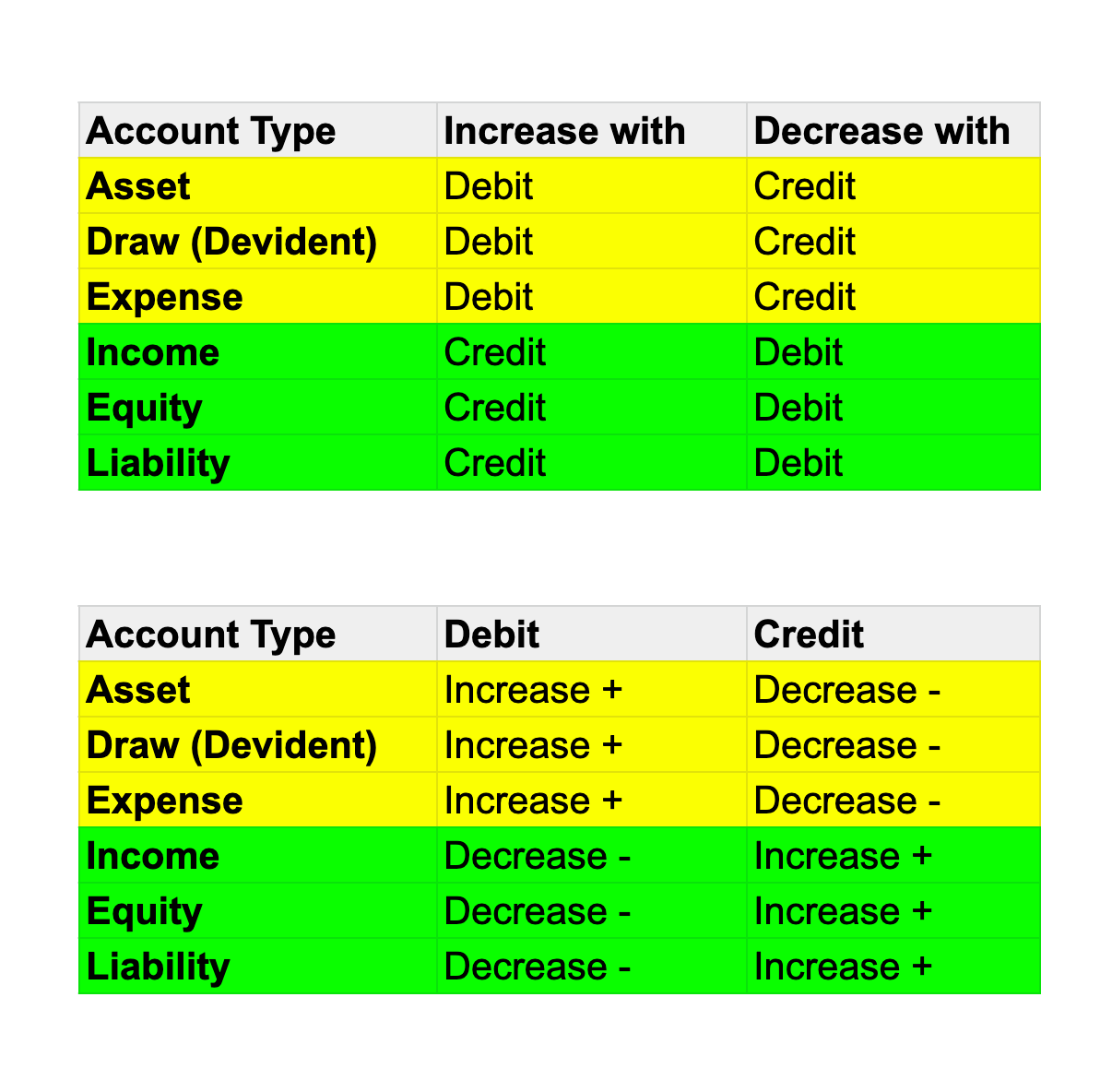
Understanding whether a debit increases or decreases an account depends entirely on the classification of that account within the financial statements. The universal rule dictates that debits increase asset and expense accounts while decreasing liability, equity, and revenue accounts. Conversely, credits do the exact opposite.
How Debits Function Across the Five Major Account Types
To fully understand a debit balance, one must examine how debits behave across the five primary pillars of accounting: assets, liabilities, equity, revenues, and expenses. Each category responds uniquely to debit and credit entries based on its normal balance—the expected side (debit or credit) where an account maintains a positive balance under normal operational conditions.
Asset Accounts
Assets represent economic resources owned or controlled by an entity that are expected to provide future financial benefits. Examples include cash, accounts receivable, inventory, equipment, and land.
- Normal Balance: Debit.
- Effect of Debit: Increases the account balance.
- Effect of Credit: Decreases the account balance. When a company purchases office supplies with cash, the asset account for cash is credited (decreased), while the asset account for supplies is debited (increased).
Expense Accounts
Expenses are the costs incurred during normal business operations to generate revenue, such as rent, salaries, utilities, and advertising. Because expenses reduce net income and, by extension, retained earnings, they behave similarly to assets regarding debits.
- Normal Balance: Debit.
- Effect of Debit: Increases the account balance.
- Effect of Credit: Decreases the account balance (typically only adjusted during closing entries at the end of an accounting period).
Liability Accounts
Liabilities are obligations owed to outside parties, such as accounts payable, loans payable, and accrued expenses.
- Normal Balance: Credit.
- Effect of Debit: Decreases the liability balance, signifying a repayment or reduction of debt.
- Effect of Credit: Increases the liability balance.
Equity Accounts
Equity represents the residual interest in the assets of the entity after deducting liabilities, encompassing common stock, paid-in capital, and retained earnings.
- Normal Balance: Credit.
- Effect of Debit: Decreases equity, often seen through owner draws or net losses.
- Effect of Credit: Increases equity through investments or net income.
Revenue Accounts
Revenues are inflows of economic benefits resulting from the sale of goods or services.
- Normal Balance: Credit.
- Effect of Debit: Decreases revenue, usually reserved for sales returns or allowances, or period-end closing entries.
- Effect of Credit: Increases revenue.
Comparing Normal Balances and Debit Effects
| Account Type | Normal Balance | Effect of a Debit Entry | Effect of a Credit Entry | Example Accounts |
|---|---|---|---|---|
| Assets | Debit | Increases (+) | Decreases (-) | Cash, Accounts Receivable, Inventory |
| Liabilities | Credit | Decreases (-) | Increases (+) | Accounts Payable, Notes Payable, Accrued Expenses |
| Equity | Credit | Decreases (-) | Increases (+) | Common Stock, Retained Earnings, Owner's Draw |
| Revenues | Credit | Decreases (-) | Increases (+) | Sales Revenue, Service Revenue, Interest Income |
| Expenses | Debit | Increases (+) | Decreases (-) | Rent Expense, Salaries Expense, Utilities Expense |
Normal Debit Balances vs. Abnormal Debit Balances
Normally, asset and expense accounts maintain debit balances, while liability, equity, and revenue accounts maintain credit balances. However, operational realities, timing differences, or accounting errors can sometimes result in an abnormal balance—where an account sits on the side opposite its normal balance.
An abnormal debit balance occurs when a liability, equity, or revenue account shows a net debit balance. For example:
- Accounts Payable: If a customer accidentally overpays an invoice or returns merchandise after paying their balance in full, the accounts payable subsidiary ledger may show a debit balance, representing a credit or refund owed to the customer.
- Cash (Bank Overdraft): If a company writes checks exceeding the available cash in its checking account, the cash account can temporarily reflect a credit balance until funds are deposited.
- Retained Earnings: A startup or established business that accumulates persistent net losses over multiple periods may see its retained earnings account shift from a normal credit balance to an abnormal debit balance, often referred to as an accumulated deficit.
Identifying abnormal balances during the preparation of trial balances serves as a crucial internal control mechanism. Accountants must investigate these anomalies immediately to determine whether they stem from transactional errors, posting mistakes, or legitimate operational conditions.
Practical Steps for Analyzing and Troubleshooting Debit Balances
When reconciling ledgers or reviewing financial statements, accountants frequently encounter unexpected debit balances that require systematic troubleshooting.
1. Review the Trial Balance
Begin by generating an unadjusted trial balance to verify that total debits equal total credits. While a balanced trial balance does not guarantee the absence of errors—such as omitted transactions or posting to the wrong account within the same category—it confirms mathematical accuracy.
2. Isolate Contra Accounts
Distinguish between standard accounts and contra accounts. A contra account is designed to have a normal balance opposite the primary account it is paired with. For example, Accumulated Depreciation is a contra asset account with a normal credit balance. Misinterpreting a contra account's balance as abnormal is a common error among novice bookkeepers.
3. Trace Source Documents
If an unexpected debit balance appears in a liability or revenue account, trace the general ledger entries back to original source documents, such as invoices, bank statements, purchase orders, and cash receipts. Verify that figures were not transposed and that credits were not mistakenly recorded as debits.
4. Adjusting Journal Entries
Ensure that month-end or year-end accruals, prepayments, and deferrals have been posted correctly. Failure to record necessary adjusting entries can leave accounts in an unnatural state, distorting the income statement and balance sheet.
Frequently Asked Questions
Does a debit balance always mean an increase in financial standing?
No. A debit balance only increases assets and expenses. For liabilities, equity, and revenues, a debit balance actually decreases the account value. Evaluating the financial impact requires knowing the specific account classification.
What causes an abnormal debit balance in accounts payable?
An abnormal debit balance in accounts payable typically occurs due to an overpayment by the company to a vendor, a returned item after a bill has been settled, or a duplicate entry error. This indicates that the vendor owes money to the company or holds a credit for future purchases.
How do contra accounts affect the interpretation of debit balances?
Contra accounts offset the balance of a related primary account. Because their normal balances run counter to standard rules—such as a credit balance reducing an asset—accountants must evaluate the net carrying value of the primary and contra accounts combined rather than reviewing them in isolation.
Why must total debits always equal total credits?
The equality of debits and credits is the mathematical foundation of double-entry bookkeeping, reflecting the principle that every economic resource acquired has a corresponding source or obligation. If debits do not equal credits, the ledger contains a recording error that violates basic accounting mechanics.
How are debit balances handled during period-end closing?
At the end of an accounting period, temporary accounts—including revenues and expenses—are closed out to retained earnings or the owner's capital account. Permanent accounts, which include assets, liabilities, and equity, carry their debit or credit balances forward into the next fiscal period.
Next Actions for Financial Record Management
Maintaining financial integrity requires disciplined ledger maintenance and routine internal audits. Accountants and business managers should establish monthly reconciliation schedules for all bank accounts, accounts receivable, and accounts payable ledgers. Any abnormal debit balances identified during these reviews should be documented, investigated against source documents, and corrected promptly via adjusting journal entries to ensure that published financial statements remain reliable and compliant with regulatory standards.
Image Gallery