Understanding Payday Loans in Irving, Texas: Costs, Regulations, and Alternatives
Navigating short-term financing in Irving, Texas requires a clear understanding of Texas state regulations, local storefront operations, and the substantial costs associated with high-interest cash advances. While payday loans offer im...
Navigating short-term financing in Irving, Texas requires a clear understanding of Texas state regulations, local storefront operations, and the substantial costs associated with high-interest cash advances. While payday loans offer immediate liquidity between paychecks, they carry high fees and strict repayment timelines that make them a risky choice for long-term financial stability.
Contents
Introduction to Short-Term Lending in Irving, Texas
When unexpected expenses arise—such as emergency auto repairs, sudden medical bills, or utility disconnection notices—residents in Irving, Texas, sometimes look to short-term credit options to bridge temporary cash flow gaps. Among these options are payday loans and auto title loans, which are widely available through storefront operations across the Dallas-Fort Worth metroplex and online lenders targeting Texas consumers.
However, entering into a short-term credit agreement without fully grasping the underlying cost structure can lead to severe financial distress. Unlike traditional bank loans or credit unions, which evaluate a borrower's overall creditworthiness and ability to repay over months or years, payday loans are designed to be repaid in a single lump sum, typically aligning with the borrower's next payday. Because these financial products do not rely on traditional credit checks, lenders mitigate their risk by charging exorbitant fees, which translate into exceptionally high annual percentage rates (APRs).
Understanding how these products work specifically within the regulatory framework of Texas is essential for anyone considering this form of credit. This guide examines the mechanics of payday lending in Irving, the applicable state laws governing these transactions, the true costs involved, and safer alternatives designed to help consumers manage financial emergencies without falling into a cycle of debt.
Regulatory Landscape: Payday and Credit Access Businesses in Texas
To understand how short-term loans operate in Irving, one must look at how the state of Texas regulates the industry. Unlike several other states that have enacted strict caps on interest rates or outlawed payday lending entirely, Texas utilizes a unique regulatory framework overseen by the Office of Consumer Credit Commissioner (OCCC).
The Credit Access Business (CAB) Model
In Texas, storefront payday lenders do not technically issue the loans themselves. Instead, they operate as Credit Access Businesses (CABs). Under Texas law, a CAB acts as a broker or facilitator between the consumer and an unaffiliated third-party lender.
- The Broker Role: The CAB helps the consumer obtain financial assistance from a third-party lender, charging a "CAB fee" for this service.
- Fee Structure: Because these CAB fees are unregulated by state-imposed interest rate caps, lenders can charge steep fees for arranging the loan. While traditional interest rates on the actual loan might comply with state limits, the added CAB fees drive the total cost of borrowing up significantly.
- Licensing Requirements: Any entity operating as a CAB in Irving must be licensed by the OCCC, display its license publicly, and adhere to state reporting guidelines.
Municipal Ordinances in the Dallas-Fort Worth Area
Recognizing the financial strain that high-cost short-term lending places on local communities, several Texas municipalities have enacted local ordinances to regulate the industry. While state law preempts local caps on interest rates and fees, municipalities have successfully implemented zoning and operational restrictions.
In the greater Dallas-Fort Worth region, including Irving, local regulations often require payday and auto title businesses to:
- Limit the maximum loan amount based on a percentage of the borrower's gross monthly income.
- Restrict the number of times a loan can be refinanced or "rolled over."
- Maintain specific distance requirements from residential zones and other credit access businesses.
Despite these local ordinances, consumers must remain vigilant, as the core financial mechanics—high fees, short repayment terms, and aggressive collection tactics if payments default—remain largely intact.
How Payday Loans Work: The Application and Repayment Cycle
The appeal of a payday loan lies in its accessibility and speed. For residents of Irving with limited savings or subprime credit scores, obtaining a traditional bank loan can take days or weeks. Payday loans, by contrast, can often be secured in minutes, either at a local storefront or through an online portal.
Step-by-Step Borrowing Process
- Application: The applicant provides proof of identity, proof of steady income (such as recent pay stubs or benefit statements), an active checking account, and contact information.
- Approval: Lenders generally do not perform hard credit inquiries through major credit bureaus, making the approval process swift.
- Fund Disbursement: Cash is handed over on the spot, or funds are deposited electronically into the borrower’s bank account, often by the next business day.
- Repayment Execution: At the time of the loan origination, the borrower typically provides a post-dated check or authorizes an electronic debit (ACH) from their checking account for the full amount borrowed plus fees, scheduled for their next payday (usually 14 to 30 days later).
The Rollover Trap and Extended Debt
The structural danger of payday loans centers on the repayment model. When the due date arrives, if the borrower lacks sufficient funds in their checking account to cover both living expenses and the loan repayment, they face immediate default.
To avoid returned-check fees and collection actions, borrowers frequently choose to "rollover" or renew the loan. This means paying only the fee to extend the due date for another two weeks while the principal balance remains untouched. Because the fees recur with every extension, a borrower can easily end up paying more in fees than the original amount borrowed, triggering a prolonged cycle of debt.
| Loan Feature | Standard Payday Loan | Traditional Bank Personal Loan | Local Credit Union Alternative |
|---|---|---|---|
| Typical APR | 300% to 500%+ (via CAB fees) | 6% to 36% | 10% to 18% |
| Credit Check | Usually none required | Comprehensive review | Moderate review |
| Funding Speed | Immediate to 24 hours | 2 to 5 business days | 1 to 3 business days |
| Repayment Term | 14 to 30 days | 12 to 60 months | 1 to 12 months |
| Risk of Rollover | Extremely high | None (fixed amortization) | Low |
Evaluating the True Costs of Short-Term Credit
When evaluating a financial product, transparency of cost is paramount. Payday loans are notorious for obscuring their true costs behind flat fee structures rather than expressed annual percentage rates.
Breaking Down the Fees
Consider a hypothetical scenario where a borrower in Irving secures a two-week loan of $300 with a $45 finance charge.
- On the surface, a $45 fee for getting cash quickly may seem manageable.
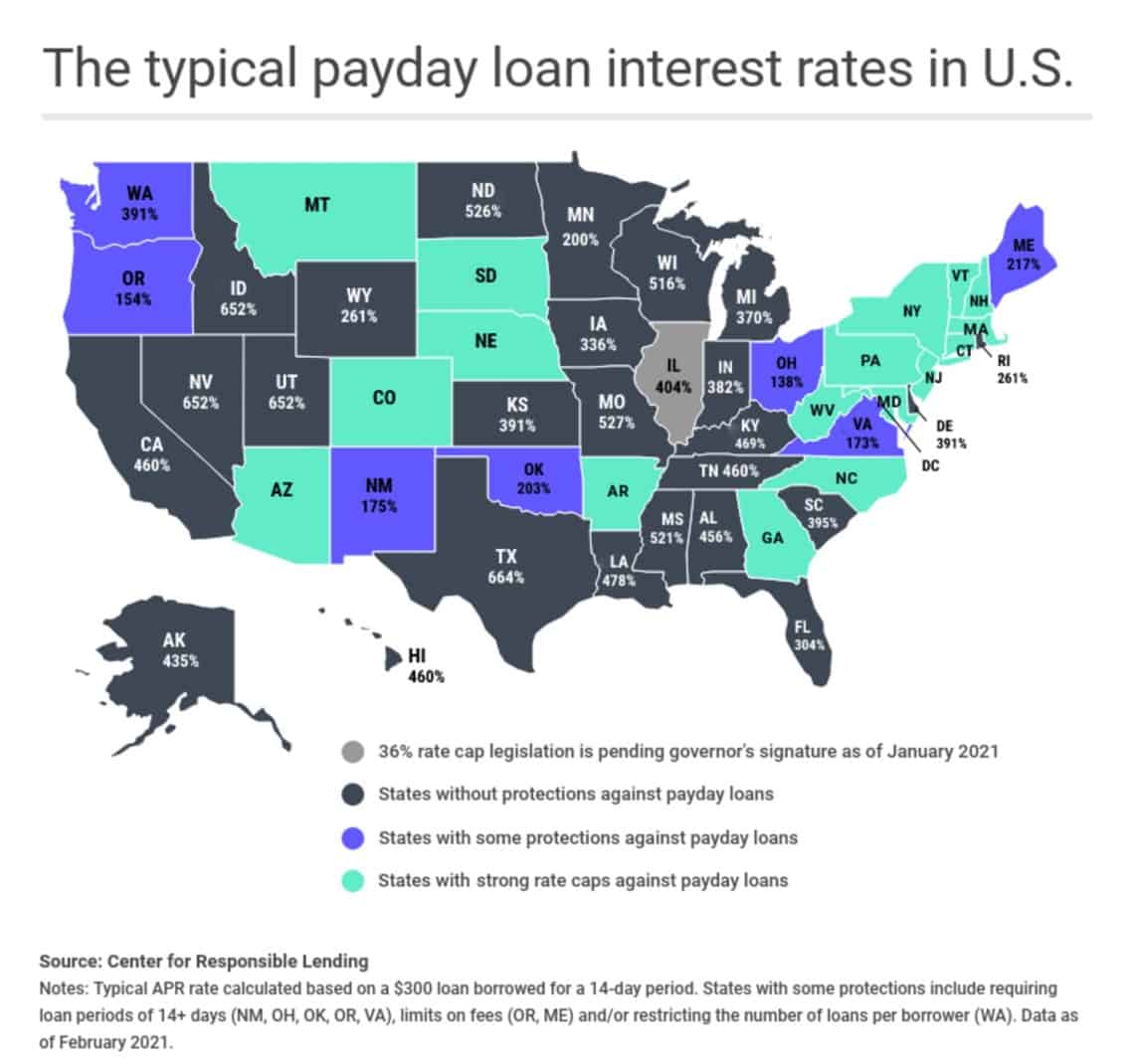
- However, when calculated as an annual percentage rate (APR), that $45 fee on a 14-day loan translates to an APR exceeding 390%.
- If the borrower cannot repay the $345 total at the end of two weeks and pays another $45 fee to roll it over, the cumulative cost escalates rapidly.
Impact on Overall Financial Health
The immediate relief provided by a payday loan often masks long-term negative consequences:
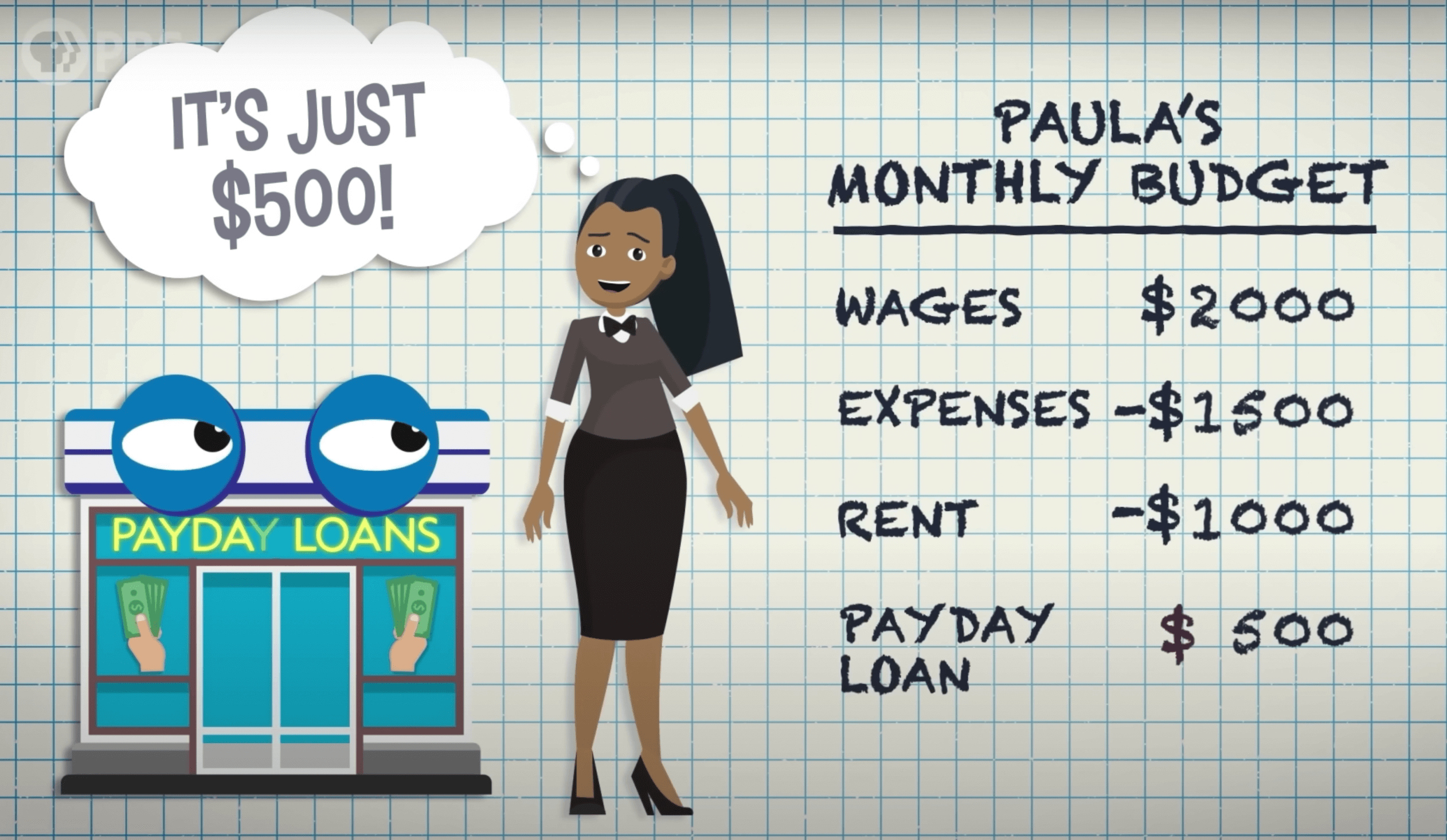
- Budget Displacement: Allocating an entire paycheck toward clearing a short-term loan leaves the borrower with zero funds for rent, utilities, or food, forcing them to take out another loan to cover basic survival needs.
- Bank Overdrafts: If an ACH debit hits a checking account with insufficient funds, the borrower incurs non-sufficient funds (NSF) fees from their bank in addition to lender penalties.
- Collection Pressures: Defaulting on a CAB-facilitated loan can lead to aggressive internal collection efforts and, in some cases, referral to third-party debt collectors.
Safer Alternatives for Irving Residents Facing Financial Emergencies
Before resorting to high-cost credit options, Irving residents should explore alternative financial resources that carry significantly lower risks and transparent repayment terms.
Local Community and Charitable Assistance
Several nonprofit organizations, religious institutions, and community agencies operate within Irving and Dallas County to assist families facing acute financial crises:
- Irving Cares: A local nonprofit providing emergency financial assistance for rent, utilities, and food to Irving residents facing temporary hardship.
- Texas Health and Human Services: Offers various public assistance programs that can help stabilize low-income households, reducing the necessity for emergency borrowing.
- Salvation Service Centers: Provide localized emergency relief and social services throughout the Dallas-Fort Worth metroplex.
Credit Union Payday Alternative Loans (PALs)
Federal credit unions and select state-chartered credit unions offer Payday Alternative Loans (PALs) specifically designed to help members break free from high-cost debt cycles.
- Regulated Rates: PALs feature strictly capped interest rates (significantly lower than traditional payday loans).
- Extended Terms: Instead of demanding full repayment in two weeks, PALs allow repayment terms ranging from one to six months.
- Membership Requirement: Borrowers typically need to join the credit union, which often requires living, working, or worshiping within the credit union's field of membership.
Employer-Sponsored Earned Wage Access (EWA)
Many modern employers partner with financial technology platforms to offer Earned Wage Access. These services allow employees to draw a portion of the wages they have already earned before the official payday, usually for a nominal, flat transfer fee rather than high interest rates.
Common Pitfalls and Best Practices
If a consumer decides that a short-term loan is their only viable option, adhering to strict risk-management practices can mitigate potential fallout.
What to Avoid
- Multiple Loans Simultaneously: Taking out loans from multiple lenders to pay off existing loans creates an unmanageable debt pyramid.
- Using Loans for Discretionary Spending: Short-term credit should never be used for non-essential purchases, entertainment, or luxury goods.
- Ignoring the Fine Print: Always review the full disclosure agreement to identify hidden administrative fees, default clauses, and arbitration requirements.
Best Practices for Responsible Management
- Strict Repayment Plan: Ensure there is a guaranteed, verified source of income arriving before the loan due date that can cover the balance without jeopardizing core living expenses.
- Verify Licensure: Check with the OCCC to ensure the CAB or lender is properly licensed to operate in Texas.
- Seek Credit Counseling: If short-term borrowing becomes a recurring necessity, consult a certified credit counseling agency to build a sustainable household budget and address underlying debt.
Frequently Asked Questions
Are payday loans legal in Irving, Texas?
Yes, payday loans are legal in Texas, but they operate under a Credit Access Business (CAB) model regulated by the Office of Consumer Credit Commissioner. Lenders act as brokers connecting borrowers to third-party lenders, and local municipal ordinances in the Dallas-Fort Worth area may impose specific operational and zoning restrictions on these businesses.
Why are payday loan interest rates so high in Texas?
Because Texas law does not place a direct cap on the fees charged by Credit Access Businesses, lenders utilize flat fees for arranging loans. When these administrative fees are annualized, they frequently result in triple-digit APRs, distinguishing them significantly from regulated bank loans.
What happens if I cannot repay my payday loan on time in Irving?
If you cannot repay the loan on time, you may face late fees, bank overdraft charges if an electronic debit fails, and collection calls. While Texas law prohibits lenders from using criminal prosecution to collect on standard unpaid consumer debts, they can pursue civil remedies or sell the debt to a collection agency.
Can I roll over or extend a payday loan in Texas?
State regulations and local municipal ordinances place restrictions on loan refinancing and rollovers to prevent endless debt cycles. However, practices vary by lender, and extending a loan generally incurs additional fees that increase the total cost of borrowing.
Are there alternatives to payday loans for bad credit in Irving?
Yes, options include applying for a Payday Alternative Loan (PAL) through a local credit union, seeking emergency assistance from community non-profits like Irving Cares, negotiating payment extensions directly with service providers, or utilizing employer-sponsored earned wage access programs.
Conclusion
Understanding payday loans in Irving, Texas, involves looking past the promise of instant cash to evaluate the real financial mechanics, regulatory structures, and long-term costs. While the Credit Access Business model provides rapid liquidity for emergencies, the steep fees and short repayment windows create substantial financial vulnerability. By exploring community resources, credit union alternatives, and sound budgeting strategies, consumers can navigate financial hurdles without compromising their long-term economic security.
Image Gallery