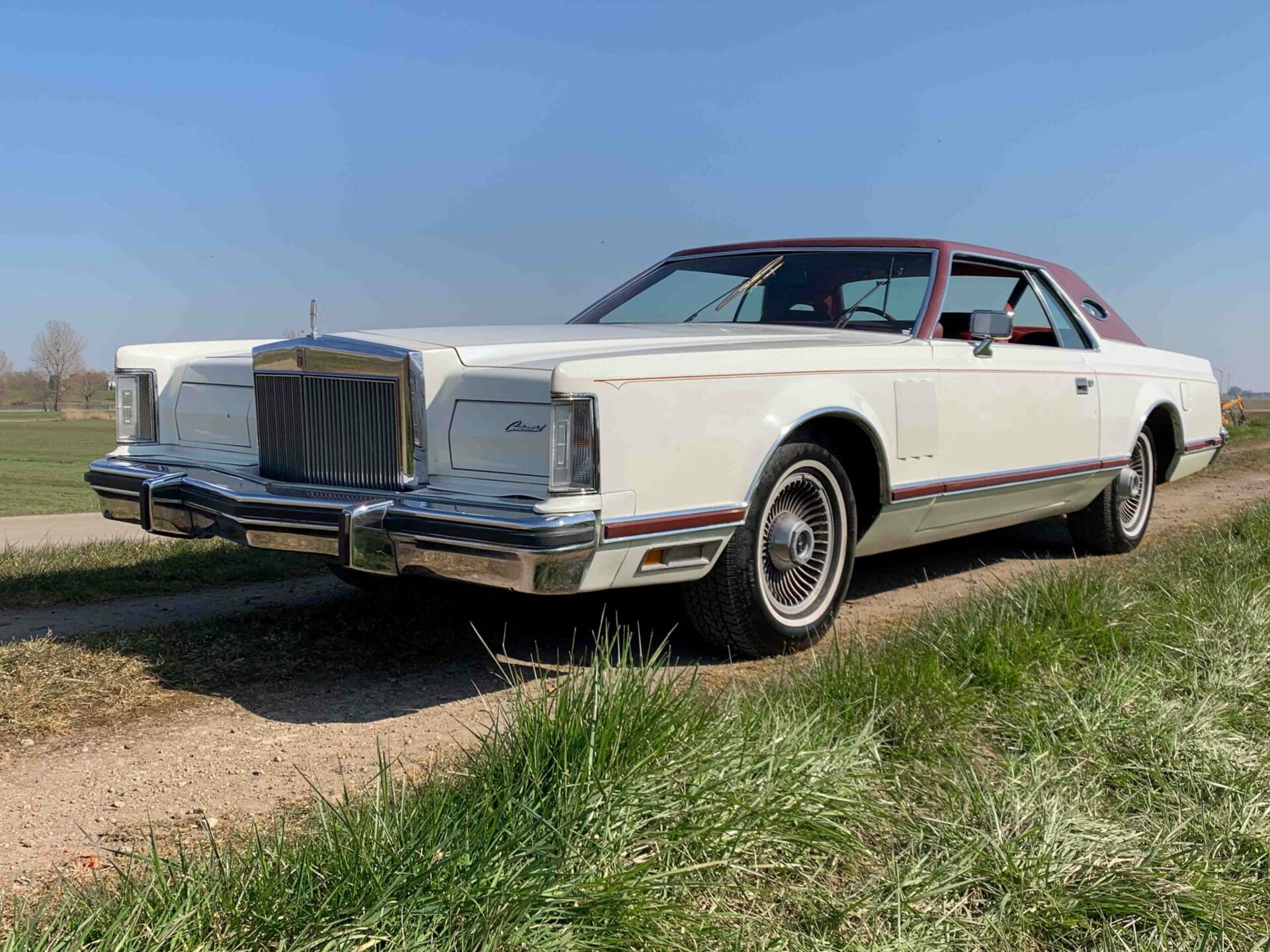
Mark Henry Cars in Classic Collections: An Analysis of Automotive Provenance and Valuation
The presence of Mark Henry cars within established classic collections refers to the acquisition and curation of vehicles associated with the former professional wrestler and Olympic athlete, Mark Henry. These vehicles are primarily so...
The presence of Mark Henry cars within established classic collections refers to the acquisition and curation of vehicles associated with the former professional wrestler and Olympic athlete, Mark Henry. These vehicles are primarily sought after for their celebrity provenance, unique customization, and role in high-profile automotive culture, often bridging the gap between niche celebrity memorabilia and serious classic car investment.
Contents
Understanding Celebrity Provenance in the Classic Car Market
In the specialized niche of classic car collecting, provenance—the documented history of a vehicle's ownership—is a primary driver of value. When a vehicle is owned by a public figure of Mark Henry’s stature, it often transcends its mechanical specifications. For collectors, a "Mark Henry car" is not merely an internal combustion engine mounted on a chassis; it is an artifact of cultural history.
Celebrity-owned cars often undergo bespoke modifications that reflect the owner’s personality. In the context of Mark Henry, who is known for his immense physical presence and "World’s Strongest Man" persona, his automotive choices often lean toward vehicles that balance luxury with raw power or custom-fitted dimensions. When these vehicles enter the secondary market or transition into classic collections, they carry with them the "celebrity premium," a market phenomenon where the value of an item is bolstered by the identity of its former owner.
Defining the "Classic" Status of Modern Custom Vehicles
A common point of confusion for new collectors is the classification of Mark Henry’s vehicles as "classics." In the automotive world, the term "classic" is often fluid. While the Antique Automobile Club of America (AACA) typically defines a classic car as one aged 25 years or older, the market definition is broader.
Many vehicles associated with modern celebrities, such as high-end custom SUVs, modified luxury sedans, or limited-production sports cars, are considered "future classics." These vehicles enter collections not because they meet a chronological age threshold, but because they possess:
- Significant Rarity: Low production numbers or one-of-a-kind customization.
- Cultural Impact: Association with a high-profile individual during their peak professional performance years.
- Mechanical Integrity: High-performance hardware that maintains relevance even as automotive technology shifts toward electrification in 2026.
Key Factors Influencing Valuation and Collection Strategy
When assessing a vehicle from a collection that features Mark Henry’s former inventory, collectors must look beyond the celebrity name. The real-world value of such an asset is calculated through a synthesis of market demand, original manufacturer specifications, and the quality of aftermarket modifications.
Documentation and Verification
The most critical prerequisite for any collector interested in celebrity provenance is the "paper trail." A vehicle purported to be from a specific collection must be accompanied by:
- Original Titles: Showing the transition from the celebrity to the current owner.
- Service Records: Highlighting any custom work done by reputable shops.
- Public Documentation: Photographs, video footage, or event participation logs that confirm the vehicle’s use by the individual.
The Role of Customization
Customization is a double-edged sword. While Mark Henry’s personal aesthetic preferences may make a car unique, aggressive modifications—such as interior space adjustments for physical size or custom engine tuning—can sometimes alienate purist collectors. However, in the realm of celebrity memorabilia, these modifications often enhance value by providing a tangible link to the owner’s lifestyle.
Comparison of Asset Classes in Automotive Collecting
The following table outlines how vehicles categorized as celebrity-provenance assets compare to standard investment-grade classic cars in the current 2026 market.
| Feature | Standard Investment-Grade Classic | Celebrity-Owned (Mark Henry) |
|---|---|---|
| Primary Value Driver | Originality and condition | Provenance and brand association |
| Maintenance Needs | High (parts scarcity) | Variable (depends on build quality) |
| Market Volatility | Low to Moderate | High (trend-dependent) |
| Exit Strategy | Traditional auction houses | Specialized private collectors |
| Appreciation Potential | Stable growth | Event-driven spikes |
Integrating Celebrity Vehicles into a Professional Portfolio
For serious collectors, integrating a vehicle associated with Mark Henry into a wider collection requires a balanced approach. One should not rely solely on the celebrity association to protect the investment.
Steps for acquisition and maintenance:
- Third-Party Inspection: Hire an ASE-certified technician to review the vehicle’s mechanical health, regardless of its history. Celebrity-owned vehicles are sometimes driven with high intensity, requiring a focus on suspension, drivetrain, and brake wear.
- Provenance Authentication: Obtain a bill of sale that explicitly mentions the vehicle’s origin. Verify this through the vehicle identification number (VIN) if the modifications are documented in public records.
- Insurance Considerations: Consult with specialized "agreed value" insurance providers. Standard auto insurance policies rarely account for the "celebrity premium," which could result in a significant financial loss if the vehicle is damaged.
- Strategic Storage: Maintain a climate-controlled environment. The materials used in celebrity custom builds—such as non-standard upholstery or specialized sound systems—can be sensitive to humidity and temperature fluctuations.
Potential Risks and Market Challenges
Investing in celebrity-linked vehicles comes with distinct risks. The "celebrity premium" is inherently tied to the lasting cultural relevance of the individual. As the 2026 automotive landscape continues to evolve, collectors should be aware of the "cool factor" depreciation. If the public interest in a specific era of an athlete’s career wanes, the premium attached to the vehicle may shrink, leaving the owner with a car valued strictly on its mechanical merit.
Furthermore, some collectors find that highly personalized vehicles are difficult to resell. A car customized specifically for the height and weight of an Olympic athlete may be uncomfortable for the average driver, limiting the pool of potential buyers to other memorabilia collectors rather than automotive enthusiasts.
Frequently Asked Questions
1. Does owning a Mark Henry car guarantee future investment growth? No. Like any collectible, values are subject to market demand. While celebrity provenance provides a baseline of interest, long-term appreciation depends on the vehicle’s rarity, condition, and the broader appeal of the specific car model to the collector community.
2. How do I verify if a car was actually owned by Mark Henry? Verification requires evidence such as the original registration or title document showing his name, or documented service history from shops he frequented. Photographic evidence of him with the specific vehicle is also standard supporting documentation.
3. Are Mark Henry’s cars always heavily modified? Not necessarily. While some celebrity cars undergo significant cosmetic and mechanical alterations to suit personal preference, others are kept in near-stock condition. It is essential to inspect the individual vehicle for any signs of irreversible structural changes.
4. Where are these cars typically sold? These vehicles often appear in high-end classic car auctions, private celebrity estate sales, or through specialized automotive brokers who deal in high-profile provenance.
5. How should I handle the insurance for a celebrity-owned vehicle? You should seek a policy specifically for "collector cars" or "exotics." Provide the insurer with full documentation of the car's history, including any verified celebrity ownership, to ensure that the agreed value reflects the total worth of the vehicle, including the provenance premium.
Next Actions for Prospective Collectors
If you are considering adding a vehicle from a collection previously held by Mark Henry to your portfolio, start by securing a comprehensive history report. Prioritize vehicles where the customization is documented as having been performed by high-end, reputable firms, as this ensures that the modifications were done professionally. Consult with an appraiser who specializes in modern classic and celebrity-linked assets before finalizing any transaction. Your primary focus should remain on the vehicle's underlying quality, with the provenance acting as an additional layer of value rather than the sole justification for your investment.
Image Gallery