Why Mold Remediation in Plumstead Matters
Mold remediation in Plumstead is critical because the area's mix of aging Victorian architecture and modern riverside developments creates a high-risk environment for persistent damp and fungal growth. In 2026, professional remediation...
Mold remediation in Plumstead is critical because the area's mix of aging Victorian architecture and modern riverside developments creates a high-risk environment for persistent damp and fungal growth. In 2026, professional remediation is essential to ensure compliance with stringent UK health standards, protect property resale value, and mitigate severe respiratory risks associated with toxic spores in South East London’s humid climate.
Contents
The Local Context: Why Plumstead is Vulnerable to Mold
Plumstead, located within the Royal Borough of Greenwich, presents a unique set of challenges for property maintenance. The geographical landscape, characterized by the steep slopes of Plumstead Common and the lower-lying areas toward the Thames, contributes to varying levels of ground moisture and drainage efficiency.
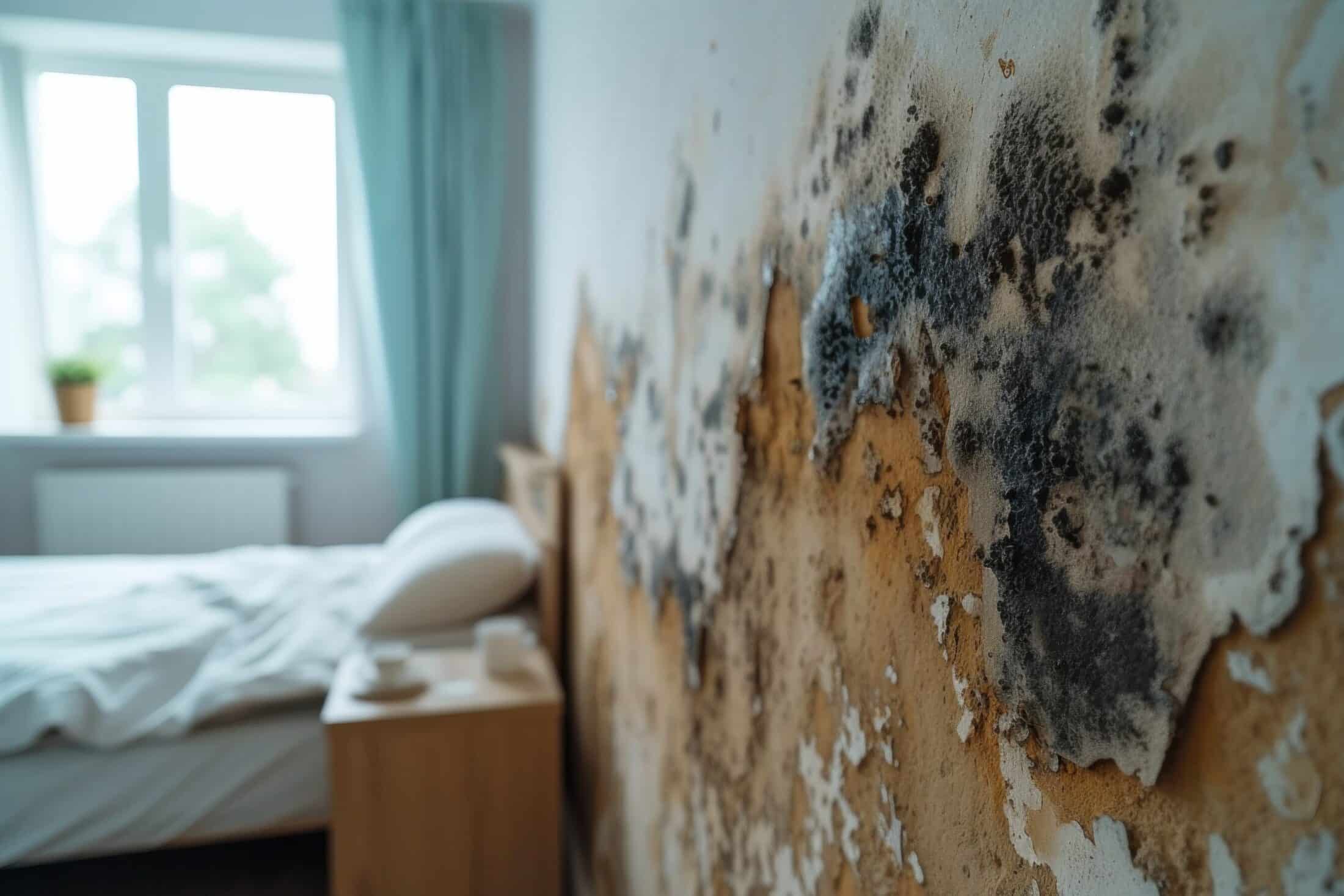
Much of the housing stock in Plumstead consists of late-Victorian and Edwardian terraced homes. While aesthetically pleasing, these buildings were often constructed without modern damp-proof courses (DPC) or with materials that have degraded over the last century. When combined with the high humidity levels typical of the London basin, these structures become prime breeding grounds for Aspergillus, Cladosporium, and the notorious Stachybotrys chartarum (black mold).
In 2026, the density of urban living in SE18 further exacerbates these issues. As residents implement energy-efficiency measures like double glazing and loft insulation to combat rising energy costs, they often inadvertently reduce the natural ventilation that older buildings require. Without a balanced ventilation strategy, indoor humidity rises, leading to interstitial condensation—the primary catalyst for mold colonies hidden behind plasterboard and under floorboards.
The Health Implications of Neglected Mold Growth
The primary reason mold remediation matters in Plumstead is the protection of human health. By 2026, medical research has further solidified the link between indoor fungal exposure and chronic health conditions. Mold is not merely a cosmetic blemish; it is a biological hazard that releases allergens, irritants, and, in some cases, toxic substances known as mycotoxins.
Respiratory and Allergic Reactions
For the diverse population of Plumstead, particularly children and the elderly, mold exposure can lead to "Sick Building Syndrome." Symptoms often include:
- Chronic Coughing and Wheezing: Persistent irritation of the upper respiratory tract.
- Asthma Exacerbation: Mold is a documented trigger for asthma attacks, which can be life-threatening if the environment is not remediated.
- Allergic Rhinitis: Symptoms similar to hay fever, including sneezing, runny nose, and red eyes, occurring year-round.
Long-term Mycotoxin Exposure
Certain molds, such as Stachybotrys, produce trichothecene mycotoxins. Inhalation or skin contact with these toxins can lead to more severe neurological symptoms, chronic fatigue, and immune system suppression. In the context of 2026 healthcare, preventive remediation is viewed as a significantly more cost-effective solution than treating long-term chronic illnesses caused by poor indoor air quality (IAQ).
Structural Integrity and Property Value Preservation
Beyond health, mold remediation is a matter of financial prudence. Mold is a symptom of an underlying moisture problem. If left unaddressed, the fungi feed on organic materials within the building fabric, including timber joists, wallpaper paste, and the paper backing of drywall.
Impact on Building Materials
- Wood Rot: Mold often coexists with wood-decaying fungi. In the older properties near Plumstead High Street, this can lead to structural failure of floor joists and roof timbers.
- Masonry Degradation: While mold doesn't "eat" brick, the moisture that supports it can cause salt efflorescence and the eventual spalling of interior plaster.
- Aesthetic and Odour Issues: The "musty" smell associated with mold is caused by microbial volatile organic compounds (mVOCs). These gases can penetrate porous materials like furniture and carpets, making them impossible to salvage.
Real Estate Considerations in 2026
In the 2026 London property market, buyers and surveyors are increasingly vigilant. A history of damp or visible mold can lead to significant "down-valuations" during the mortgage application process. For landlords in Plumstead, failing to provide a mold-free environment can lead to legal disputes and the inability to let the property under current UK habitability regulations.
The Legal Landscape: Awaab’s Law and Landlord Responsibilities
By 2026, the legal requirements surrounding mold in the UK have become significantly more stringent. Following the implementation of "Awaab’s Law" (part of the Social Housing Regulation Act), there are now strict, legally binding timelines for landlords to investigate and repair damp and mold issues.
While the law initially focused on social housing, its principles have influenced the private rental sector (PRS) across Greenwich. Landlords in Plumstead are now held to a higher standard of "fitness for human habitation." Failure to remediate mold professionally can result in:
- Rent Repayment Orders (RROs): Tenants may be entitled to a refund of rent paid during the period the property was uninhabitable.
- Improvement Notices: Issued by the local council, requiring mandatory works within a specific timeframe.
- Litigation: Tenants have increased access to legal recourse for health damages resulting from landlord negligence regarding damp.
Professional Remediation vs. DIY Attempts
A common mistake among Plumstead homeowners is attempting to "kill" mold with bleach or anti-mould paint without addressing the root cause. This often masks the problem while the colony continues to thrive beneath the surface. Professional remediation matters because it follows a scientific protocol to ensure the mold does not return.
The Professional Remediation Process
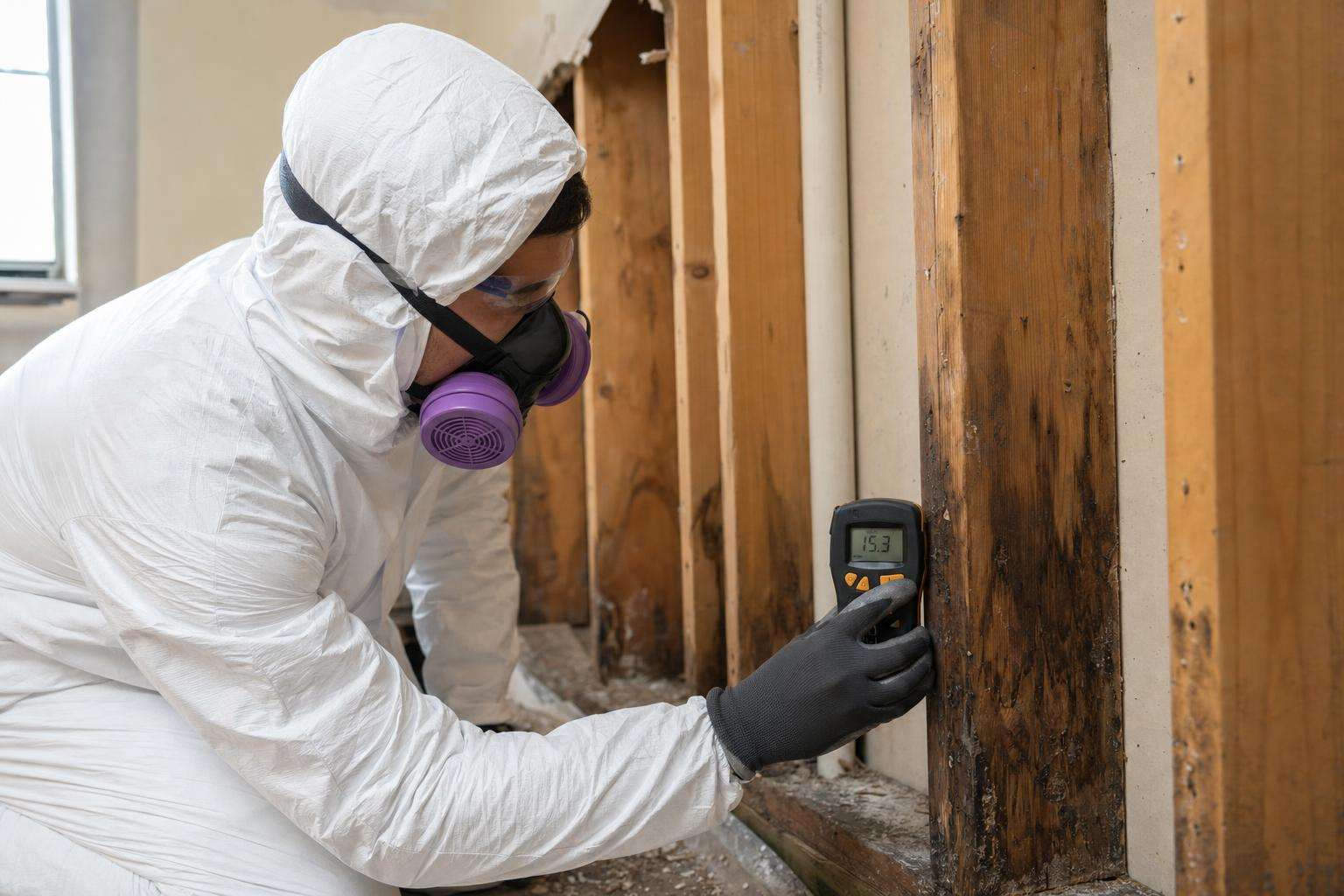
- Assessment and Moisture Mapping: Professionals use infrared cameras and moisture meters to find the hidden source of water ingress (e.g., a leaking pipe or a failing damp-proof course).
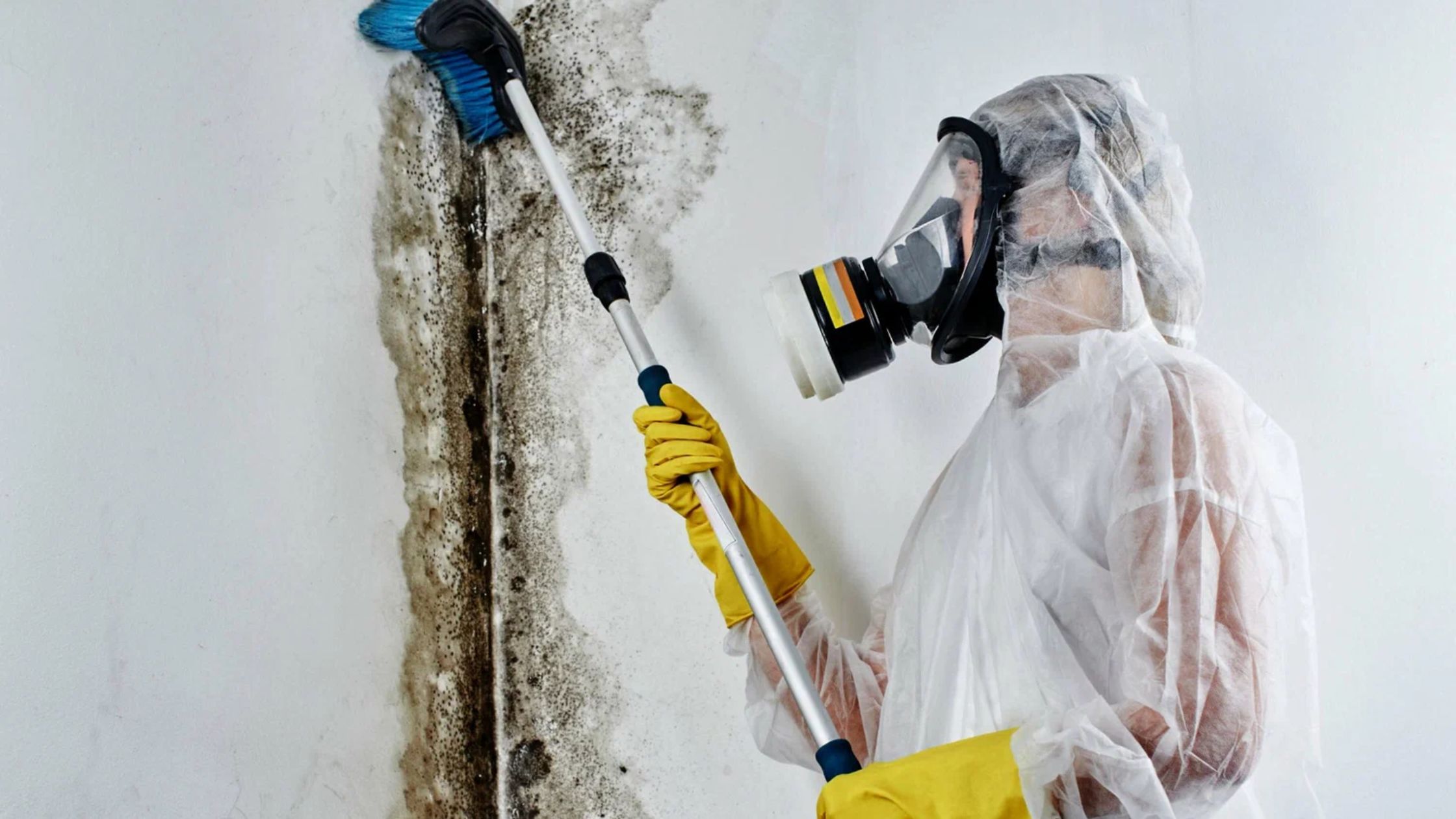
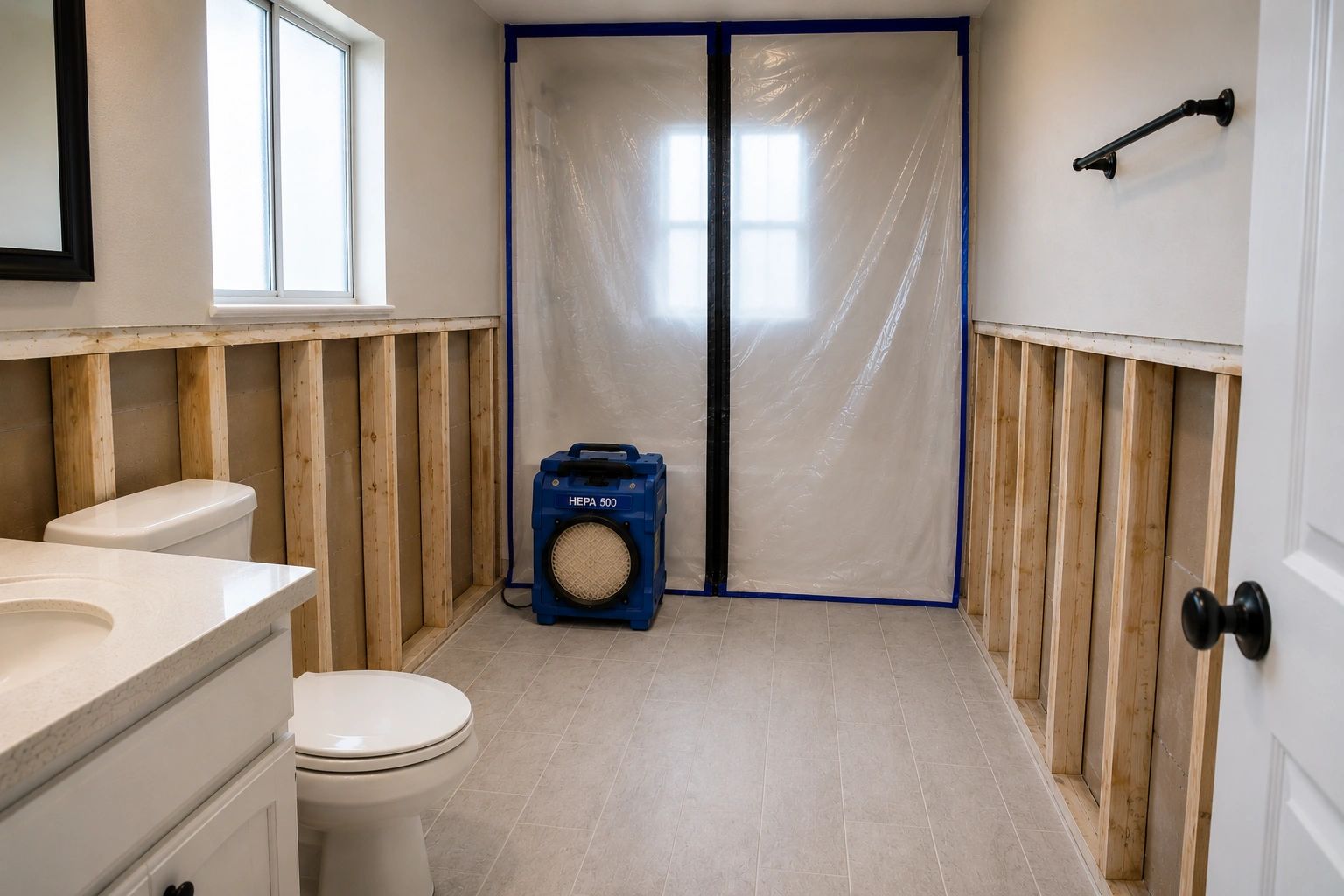
- Containment: Using high-strength plastic sheeting and negative air pressure machines to prevent spores from spreading to unaffected rooms during the cleaning process.
- Air Filtration: Deploying HEPA (High-Efficiency Particulate Air) filters to scrub the air of microscopic spores.
- Removal and Cleaning: Physically removing porous materials that are heavily infested and using antimicrobial treatments on non-porous surfaces.
- Drying and Verification: Ensuring the structural materials are returned to a "dry standard" before any reconstruction begins.
| Feature | DIY Cleaning | Professional Remediation |
|---|---|---|
| Primary Goal | Cosmetic removal | Source elimination & spore containment |
| Equipment | Household sponges, bleach | HEPA vacuums, air scrubbers, dehumidifiers |
| Root Cause Analysis | Usually ignored | Mandatory (moisture mapping) |
| Safety Gear | Minimal (gloves) | Full PPE (N95/P3 respirators, suits) |
| Long-term Efficacy | Low (mold usually returns) | High (guaranteed results) |
| Legal Compliance | Often insufficient for rentals | Provides documentation of safety |
Technical Prevention Strategies for 2026
Effective remediation must conclude with a prevention plan. In Plumstead’s specific climate, this involves a combination of mechanical and structural interventions.
- Positive Input Ventilation (PIV): These systems are increasingly popular in SE18 terraces. They work by introducing filtered, fresh air into the home, creating a slight positive pressure that forces moist air out through natural gaps and trickle vents.
- Smart Humidity Sensors: In 2026, many homes utilize IoT (Internet of Things) sensors that alert homeowners via smartphone when humidity levels exceed 60%, the threshold for mold growth.
- Thermal Lining: Applying high-performance thermal wallpaper or internal wall insulation (IWI) to "cold spots" on external walls can prevent the condensation that allows spores to germinate.
Understanding Mycotoxins and Indoor Air Quality
The technical complexity of mold remediation is often underestimated. Mold spores are ubiquitous in the outdoor environment, but when they concentrate indoors, the "spore load" becomes dangerous. Professional remediation aims to return the indoor spore count to a level that is lower than or equal to the outdoor air.
In Plumstead, where traffic pollution from the A206 and surrounding roads can already impact air quality, maintaining a clean indoor environment is a secondary layer of health protection. The interaction between airborne pollutants and mold spores can create a synergistic effect, worsening the condition of individuals with Pre-existing Chronic Obstructive Pulmonary Disease (COPD).
Frequently Asked Questions
Is black mold more dangerous than other types found in Plumstead?
While Stachybotrys chartarum (often called black mold) is famous for producing mycotoxins, many other types of mold, including common green or white varieties, can cause significant health issues. The color of the mold is not a definitive indicator of its toxicity; any mold growth exceeding one square meter should be treated with equal professional concern.
Can I just paint over the mold if I use anti-mould paint?
No. Anti-mould paints contain fungicides that prevent new spores from settling, but they do not kill an established colony rooted in the substrate. If you paint over mold, the fungus will continue to digest the material underneath, eventually causing the paint to bubble and peel away.
How long does a professional remediation take?
For a standard terraced house in Plumstead, the process typically takes between 3 to 7 days. This timeframe includes the setup of containment, the physical cleaning, and the necessary drying time for structural elements. Extensive cases involving structural drying can take longer.
Will my building insurance cover mold remediation?
This depends on the cause. Most policies in 2026 cover mold if it is the result of a "sudden and accidental" event, such as a burst pipe. However, mold caused by gradual seepage, rising damp, or poor maintenance/ventilation is often excluded. It is vital to check the specific "Damp and Rot" clauses in your policy.
How can I tell if mold is hidden behind my walls?
The most common sign is a persistent, earthy, or musty odour that does not disappear with ventilation. Other signs include unexplained staining on wallpaper, peeling paint, or occupants developing respiratory symptoms that improve when they leave the house for several days.
Next Steps for Plumstead Property Owners
If you suspect a mold issue in your Plumstead property, the first action should be a professional moisture survey. In 2026, specialized firms provide non-invasive inspections that can pinpoint the source of dampness without damaging your walls.
Priority should be given to identifying the source of moisture—whether it is a roof leak, a plumbing defect, or condensation. Once the source is sealed, a professional remediation team should be engaged to safely remove the biological contamination and restore the indoor air quality. For landlords, documenting this professional intervention is essential for legal protection and tenant safety.
Image Gallery