Understanding Dublin in Europe for Travelers: A Comprehensive 2026 Guide
Dublin serves as the primary gateway to the Republic of Ireland and remains one of Europe’s most significant cultural and economic hubs. For travelers in 2026, understanding Dublin requires navigating its unique position as an English-...
Dublin serves as the primary gateway to the Republic of Ireland and remains one of Europe’s most significant cultural and economic hubs. For travelers in 2026, understanding Dublin requires navigating its unique position as an English-speaking Eurozone member that sits outside the Schengen Area while maintaining a complex, open-border relationship with the United Kingdom.
Contents
Geographic and Political Context: Ireland’s Place in Europe
To understand Dublin, a traveler must first distinguish its political geography from its neighbors. While Ireland is a committed member of the European Union (EU), it is not part of the Schengen Area. This means that travelers arriving from continental Europe—even from EU countries like France or Germany—must clear passport control upon arrival at Dublin Airport or the city’s ferry terminals.
Conversely, Ireland shares a Common Travel Area (CTA) with the United Kingdom. This arrangement predates EU membership and allows for the free movement of Irish and British citizens. For international travelers, however, this does not grant a "universal visa." If you hold a visa for the UK, it does not automatically permit entry into Ireland, and vice versa, unless you are traveling under specific programs like the British-Irish Visa Scheme (primarily for Chinese and Indian nationals).
As of 2026, Dublin remains the only major English-speaking capital in the European Union following the United Kingdom's departure. This has solidified the city's role as a "bridge" between North America and Europe, influencing everything from the local tech economy to the diversity of the hospitality sector.
Arrival and Entry Requirements in 2026
Entry requirements for Dublin depend heavily on your nationality rather than where you are arriving from. Because Ireland is outside the Schengen zone, the ETIAS (European Travel Information and Authorisation System) that applies to most of Europe does not apply to Ireland. Instead, Ireland maintains its own independent visa policy.
- EEA and Swiss Citizens: Residents of the European Economic Area (EEA) and Switzerland have the right to enter and reside in Ireland. A valid national ID card or passport is sufficient.
- Visa-Waiver Nationalities: Citizens from countries like the United States, Canada, Australia, and New Zealand do not require a visa for stays of up to 90 days. However, you must still present a valid passport and may be asked for proof of return travel or sufficient funds.
- Visa-Required Nationalities: Travelers from many countries in Asia, Africa, and South America must apply for a "Short Stay 'C' Visit Visa" before arrival. Information on current visa processing times and fees can be found at the Irish Department of Justice.
Logistics and Connectivity: Navigating the 2026 Infrastructure
Dublin is a compact city, but its infrastructure has undergone significant modernization. Travelers in 2026 benefit from the nearly completed BusConnects program, which has redesigned the city’s bus network into a more intuitive, high-frequency "spine" system.
Dublin Airport (DUB)
Located approximately 10 kilometers north of the city center, Dublin Airport is the primary entry point. While the long-awaited MetroLink is still in development phases for the late 2020s, the airport is currently served by 24-hour bus services (Dublin Express and Aircoach) and a vast array of city bus routes. Taxis are plentiful but can be expensive during peak congestion hours.
Public Transport Systems
The city utilizes a unified payment system called the Leap Card. For travelers, the "Leap Visitor Card" is the most cost-effective option, offering unlimited travel on Dublin Bus, Go-Ahead Ireland, Luas (tram), and DART (train) services for periods of 24 hours, 72 hours, or 7 days.
- Luas (Tram): The Luas consists of two main lines. The Green Line runs north-south, connecting the city center to the suburbs and the tech district. The Red Line runs east-west, connecting the Docklands to the major train stations (Connolly and Heuston).
- DART (Dublin Area Rapid Transit): This electrified rail system follows the curve of Dublin Bay. It is the best way to reach coastal villages like Howth in the north or Dalkey and Bray in the south.
- Dublin Bus: The primary mode of transport within the city. Note that most buses in 2026 no longer accept cash; passengers must use a Leap Card or contactless mobile payment where available.
Cost of Travel: Budgeting for the Irish Capital
Dublin is consistently ranked among the most expensive cities in Europe, often comparable to London, Zurich, or Copenhagen. Travelers must plan their budgets carefully, particularly regarding accommodation and dining.
| Expense Category | Estimated Cost (2026) | Notes |
|---|---|---|
| Mid-range Hotel | €180 – €250 | Per night, double occupancy. |
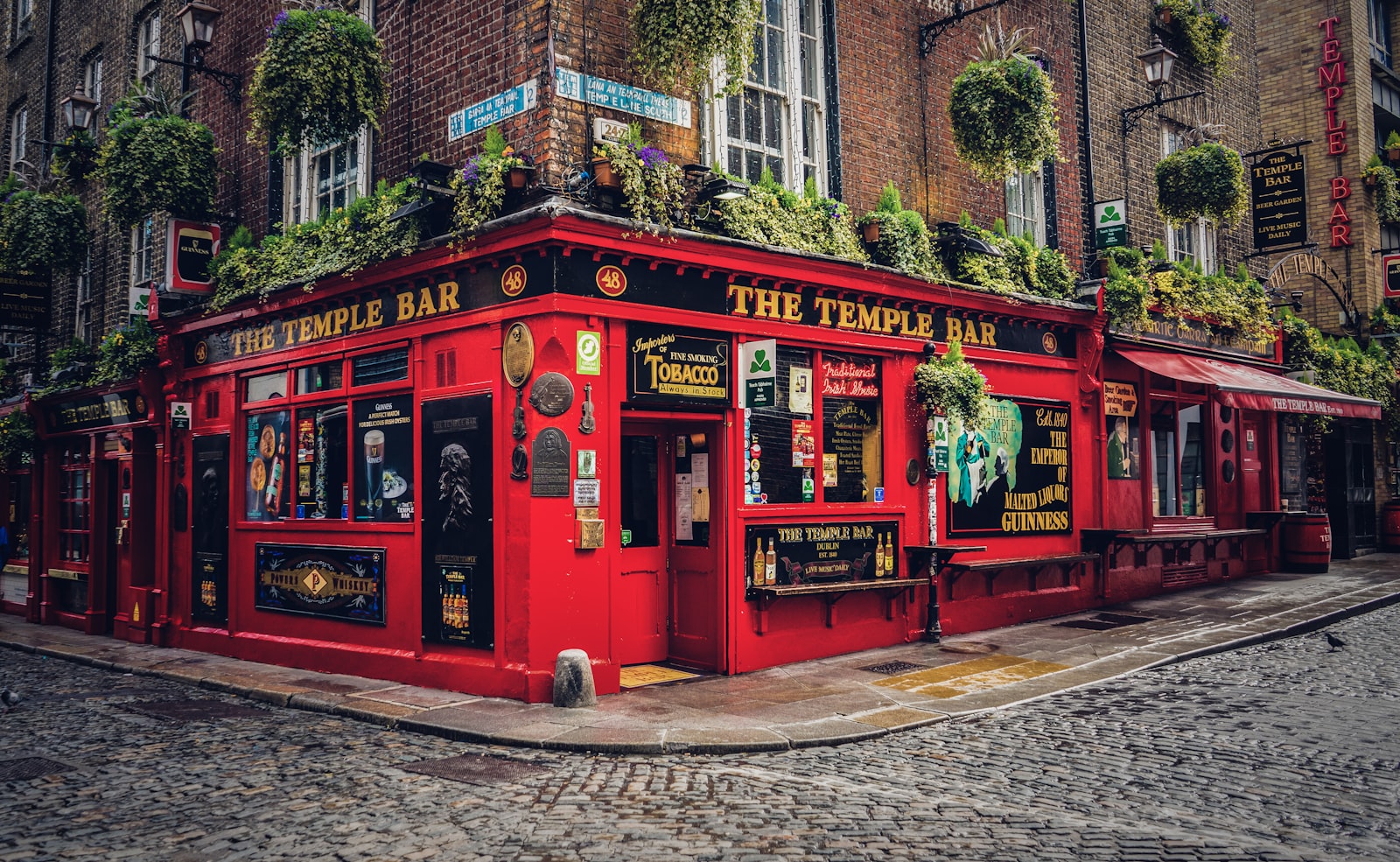
| Pint of Stout/Beer | €6.50 – €8.50 | Prices are higher in the Temple Bar area. |
| Casual Dinner | €25 – €40 | Per person, excluding drinks. |
| Leap Visitor Card (72h) | €16.00 | Includes all city public transport. |
| Main Museum Entry | €0 (Free) | National museums and galleries are free. |
| Coffee (Latte/Cappuccino) | €4.20 – €5.00 | Based on specialty coffee shop averages. |
Strategies for Managing Costs
To mitigate high costs, travelers should take advantage of Dublin’s free cultural institutions. The National Gallery of Ireland, the National Museum of Archaeology, and the National Museum of Natural History offer world-class collections with no admission fee. Additionally, many of the city's historic parks, such as Phoenix Park (one of the largest enclosed public parks in any European capital) and St. Stephen's Green, provide significant recreational value at no cost.
Cultural Districts and Neighborhoods
Understanding Dublin requires looking beyond the famous Temple Bar district, which is often characterized by high prices and tourist-centric experiences.
The Historic Core (Dublin 2 and Dublin 8)
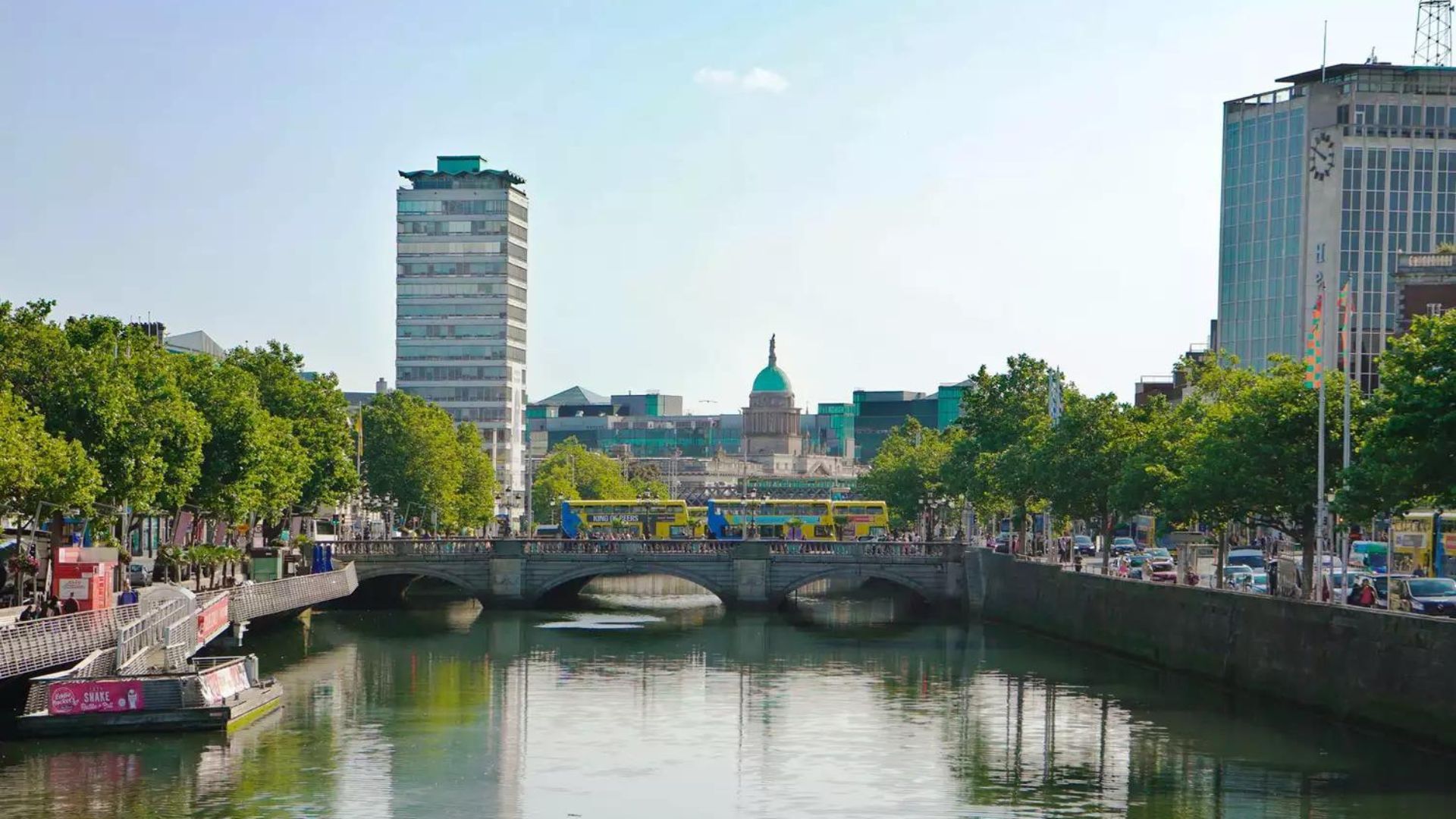
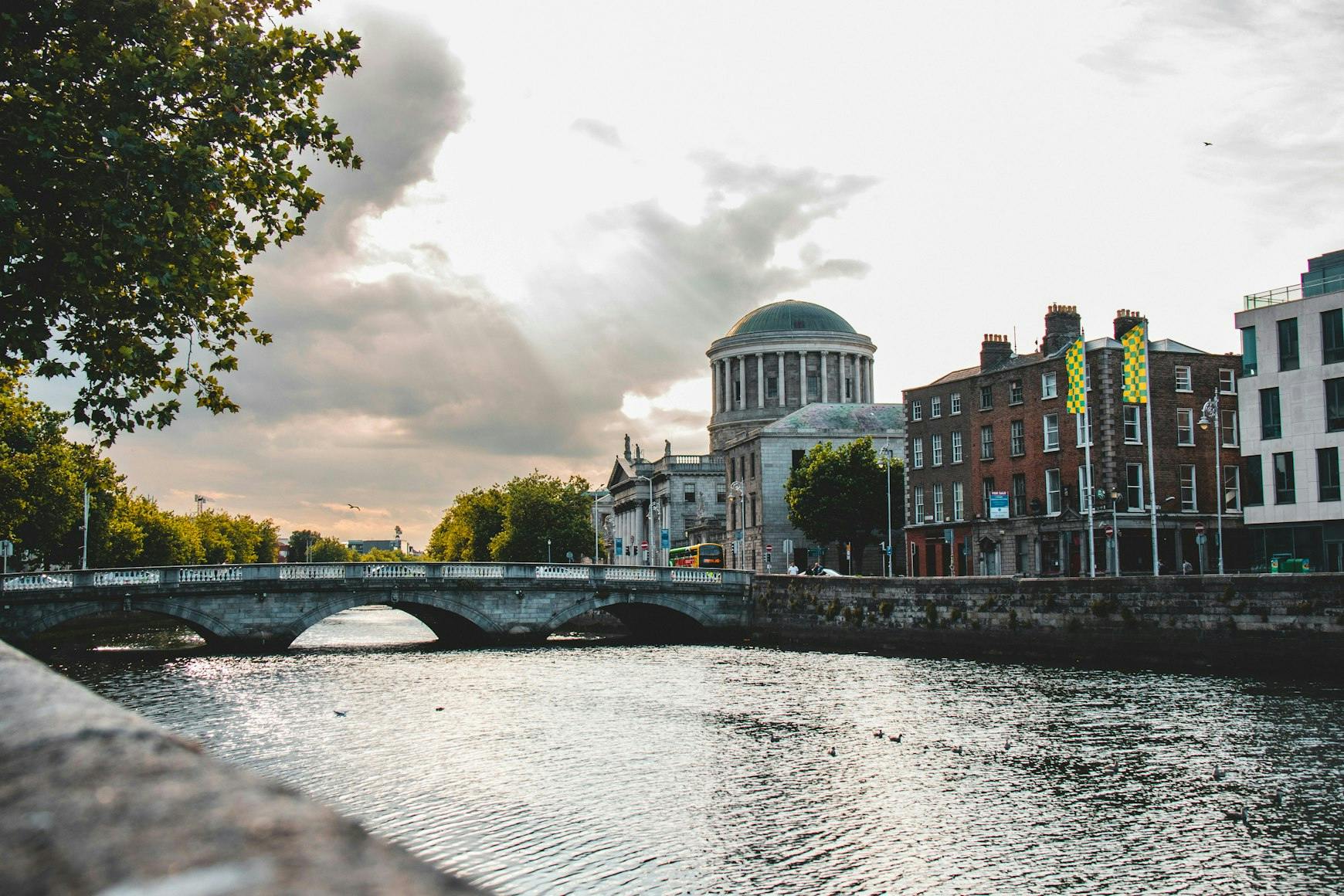
South of the River Liffey lies the medieval and Georgian heart of the city. Here you will find Trinity College, home to the 9th-century Book of Kells. Nearby, Dublin Castle serves as a reminder of the city's 800 years of British administration. To the west, the Liberties (Dublin 8) is one of the oldest and most atmospheric parts of the city, now home to the Guinness Storehouse and several boutique whiskey distilleries like Teeling and Roe & Co.
The Silicon Docks (Grand Canal Dock)
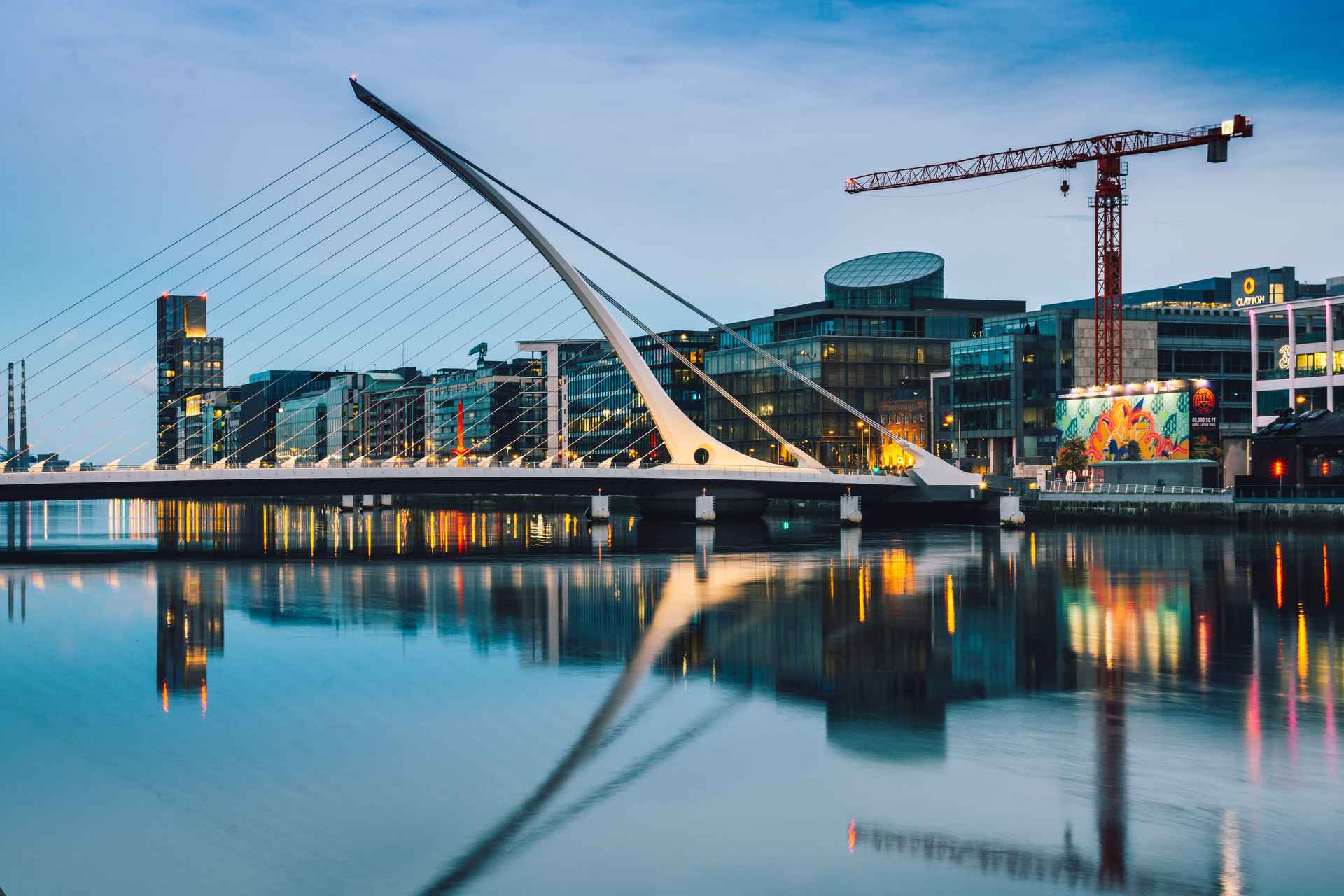
This area represents modern, "European" Dublin. It houses the European headquarters for global giants like Google, Meta, and LinkedIn. The architecture here is sleek and modern, featuring the Bord Gáis Energy Theatre and upscale waterfront dining. It offers a sharp contrast to the red-brick Victorian streets found elsewhere.
The Northside (Dublin 1 and Dublin 7)
Historically the working-class heart of the city, the Northside is home to significant cultural landmarks like the GPO (General Post Office) on O'Connell Street, which was the headquarters of the 1916 Rising. Smithfield (Dublin 7) has evolved into a trendy neighborhood known for the Jameson Distillery Bow St. and independent cinema.
Safety, Etiquette, and Practicalities
Dublin is generally a safe city for travelers, but like any European capital, it requires standard urban precautions.
- Safety: Pickpocketing can occur in crowded areas like Grafton Street or Temple Bar. In 2026, travelers should be aware that the city center can become boisterous on weekend nights due to the density of pubs.
- Tipping: Tipping in Ireland is not as aggressive as in North America. In restaurants, a 10-12% tip is standard for good service. Many restaurants now include a mandatory "service charge" for groups of six or more; if this is included, no additional tip is necessary.
- Connectivity: Ireland has excellent 5G coverage in the Dublin area. If you are an EU resident, "Roam Like at Home" rules apply, and you can use your data plan without extra charges. For non-EU travelers, purchasing a local eSIM is highly recommended to avoid steep roaming fees.
- Water: Tap water in Dublin is safe to drink and of high quality.
Comparisons to Other European Capitals
Travelers often compare Dublin to other major cities. Understanding these differences helps set expectations for the "Dublin experience."
- vs. London: Dublin is much smaller and more walkable. While London is a global megacity, Dublin feels more like a collection of villages. Dublin is also notably more expensive for the average meal than many parts of London.
- vs. Berlin: Dublin lacks Berlin’s 24-hour club culture and extensive subway system, but it offers a more intimate pub culture and much easier access to coastal nature.
- vs. Paris: Dublin is less formal and lacks the grand "boulevard" architecture of Paris, but it is generally perceived as more approachable and friendly for English speakers.
Frequently Asked Questions
Is Dublin part of the United Kingdom?
No. Dublin is the capital of the Republic of Ireland, which is a sovereign nation and a member of the European Union. Only Northern Ireland (with its capital in Belfast) is part of the UK.
Do I need a different power adapter for Dublin?
Yes. Ireland uses the Type G plug (three rectangular pins), which is the same as the UK but different from the Type C or E used in continental Europe. The standard voltage is 230V.
Is it necessary to rent a car in Dublin?
Generally, no. Within the city, traffic is heavy and parking is prohibitively expensive. Public transport and walking are more efficient. A car is only recommended if you plan to use Dublin as a base to explore the rural west coast of Ireland.
What is the "best" time to visit Dublin?
The "shoulder seasons" of May-June and September-October offer the best balance of manageable crowds and relatively stable weather. July and August are peak tourist months with the highest accommodation prices.
Can I use the Euro in Dublin?
Yes. Ireland is a member of the Eurozone. While you can use the Euro in Dublin, if you travel north to Belfast (Northern Ireland), you will need British Pounds (GBP).
Recommendation for Travelers
For a successful trip to Dublin in 2026, prioritize booking your accommodation at least three to four months in advance due to the ongoing hotel supply constraints. Focus your itinerary on the "coastal corridor" accessible by the DART; a trip to the cliffs of Howth or the beaches of Killiney provides a necessary breath of air that balances the dense, historical atmosphere of the city center. Finally, always carry a lightweight waterproof jacket, as Dublin's weather is famous for changing across all four seasons in a single afternoon.
Image Gallery