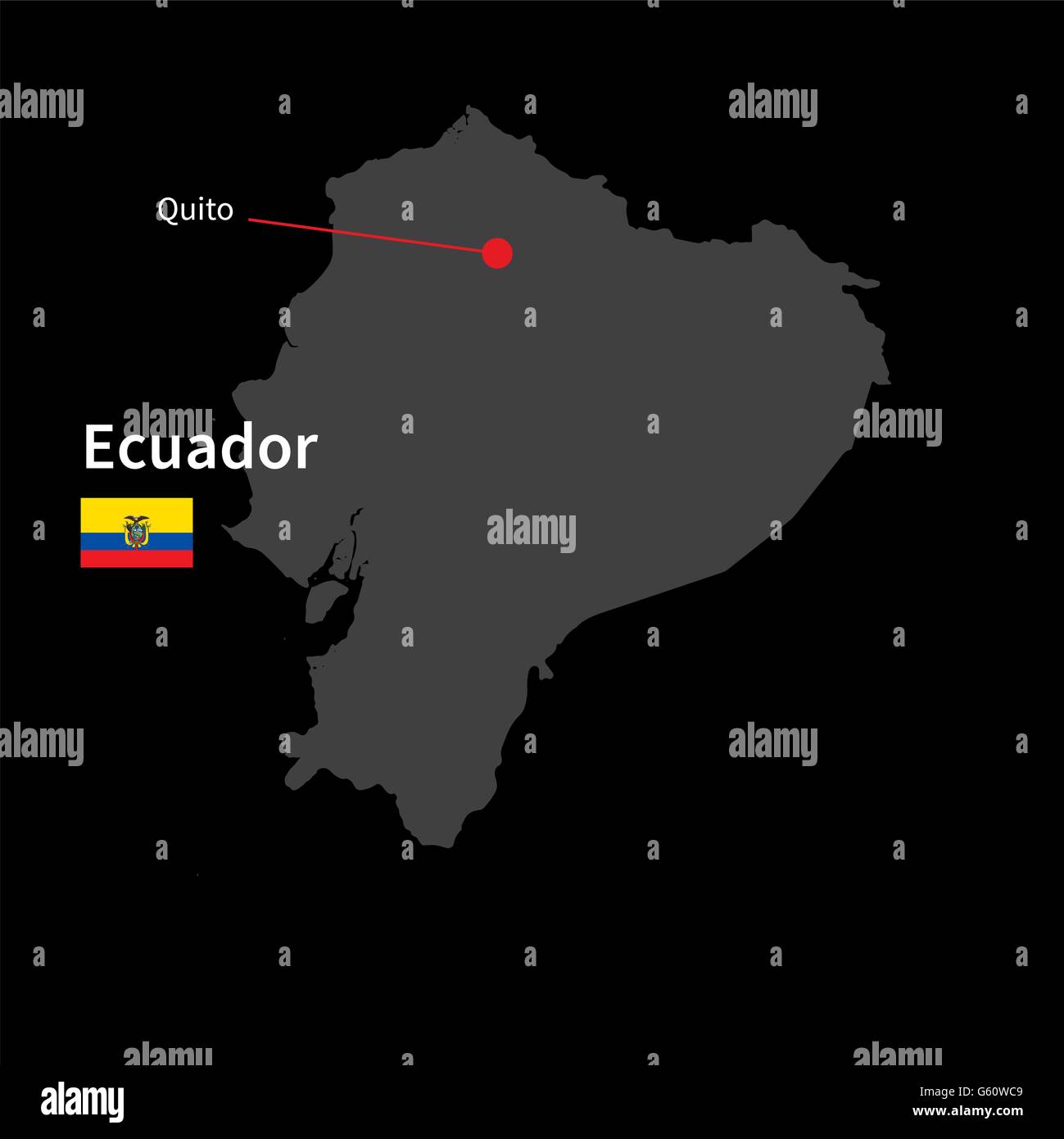
The Capital of Ecuador in Spanish: A Comprehensive Guide to Quito
The capital of Ecuador in Spanish is San Francisco de Quito, commonly referred to simply as Quito. As the second-highest administrative capital in the world, it serves as the political, cultural, and historical heart of the nation, nes...
The capital of Ecuador in Spanish is San Francisco de Quito, commonly referred to simply as Quito. As the second-highest administrative capital in the world, it serves as the political, cultural, and historical heart of the nation, nestled high in the Andean mountains at an elevation of approximately 2,850 meters.
Contents
While many English speakers identify the city solely by its shortened name, understanding the full Spanish designation and the linguistic history behind it provides essential context for travelers, historians, and language learners alike. In 2026, Quito continues to stand as a premier example of preserved colonial architecture and modern Andean urbanism, maintaining its status as a vital hub for South American diplomacy and tourism.
The Official Name: San Francisco de Quito
The formal Spanish name, San Francisco de Quito, reflects the city's colonial foundations. Established on December 6, 1534, by Spanish settlers led by Sebastián de Belalcázar, the city was named in honor of Saint Francis of Assisi. In Spanish colonial tradition, it was common to name new settlements after Catholic saints while preserving part of the indigenous name for the region.
In modern daily usage, Ecuadorians and Spanish speakers worldwide use "Quito." However, "San Francisco de Quito" remains the official legal name used in government documents, formal proclamations, and historical texts. The name "Quito" itself is believed to be derived from the Quitu people, an indigenous group that inhabited the region long before the arrival of the Incas or the Spanish. Linguistically, some historians suggest the name stems from the Tsafiki words "Quit-sa" (middle) and "To" (earth), effectively translating to "The Center of the World," a fitting title for a city located just miles from the equator.
Etymology and Linguistic Nuance
Understanding "the capital of Ecuador in Spanish" requires looking at how the name is pronounced and utilized in different contexts. In Spanish, the "u" in Quito is silent, making the pronunciation "KEE-toh."
The linguistic landscape of Quito is characterized by the Quiteño accent, which is often described as one of the clearest and most formal variations of Spanish in South America. Residents, known as Quiteños, frequently use the diminutive "-ito" or "-ita" (e.g., cafecito, momentito) to show affection or politeness. Furthermore, the Spanish spoken in the capital retains several Quechua loanwords, such as guagua (baby) or achachay (an expression used when it is cold), reflecting the deep-seated blending of European and indigenous cultures.
For those studying the language, Quito is often cited as one of the best places in the world to learn Spanish precisely because of this clear articulation and the relatively slow pace of speech compared to coastal dialects like those found in Guayaquil.
Geographical Significance and the "Middle of the World"
Quito is geographically unique, situated on a horizontal strip of land in the northern highlands of Ecuador. It is bordered by the Pichincha volcano to the west and the valleys of Tumbaco and Los Chillos to the east. This dramatic topography has dictated the city’s long, narrow urban sprawl.
One of the most famous linguistic and geographical associations with the capital is the Mitad del Mundo (Middle of the World). Located about 26 kilometers north of the city center, this site marks the location of the equatorial line. In Spanish, "Ecuador" literally translates to "Equator," reinforcing the country's identity as being centered on the globe.
Key Geographical Data for Quito (2026 Status)
| Feature | Specification | Importance |
|---|---|---|
| Elevation | 2,850 meters (9,350 feet) | Impacts climate, oxygen levels, and tourism preparation. |
| Active Volcanoes | Guagua Pichincha, Cotopaxi (nearby) | Influences urban planning and emergency protocols. |
| Coordinates | 0°13′S 78°31′W | Defines its status as the "Middle of the World." |
| Climate Category | Subtropical Highland (Cfb) | Results in "eternal spring" conditions year-round. |
| Currency (2026) | United States Dollar (USD) | Simplifies economic transactions for international visitors. |
A Journey Through Time: Historical Evolution
The history of the capital is a layered narrative of conquest and resilience. Before the Spanish arrived, Quito was a major northern hub of the Inca Empire. Legend says that rather than let the city fall into the hands of the Spanish conquistadors, the Inca general Rumiñahui burned it to the ground. This led the Spanish to rebuild the city from scratch, creating what is now the best-preserved historic center in the Americas.
Following the colonial period, Quito became a focal point for independence. On August 10, 1809, the city saw the first cry for independence (El Primer Grito de la Independencia) against Spanish rule. Although this initial movement was suppressed, it earned Quito the nickname "Luz de América" (Light of America) for inspiring subsequent revolutions across the continent.
By 1822, following the Battle of Pichincha, Quito was liberated and eventually became the capital of the Republic of Ecuador in 1830. Throughout the 20th and 21st centuries, it has evolved from a small colonial town into a metropolitan city that balances its ancient heritage with rapid modernization.
The Architecture of the "Reliquary of the Americas"
Quito is often called the "Reliquary of the Americas" because of its immense wealth of colonial art and architecture. In 1978, it was one of the first two cities in the world (alongside Krakow, Poland) to be declared a UNESCO World Heritage Site.
The Centro Histórico (Old Town) spans over 320 hectares and contains dozens of churches, convents, and plazas. Notable structures include:
- La Compañía de Jesús: Known for its breathtaking interior covered almost entirely in gold leaf, it is considered a masterpiece of the Baroque style.
- Basílica del Voto Nacional: A neo-Gothic giant famous for its gargoyles shaped like native Ecuadorian animals, such as iguanas, tortoises, and armadillos.
- San Francisco Plaza: The oldest and largest religious complex in the city, housing the church and convent of St. Francis.
Architectural preservation in Quito is not merely for aesthetics; it is a point of national pride and a significant driver of the local economy through tourism. In 2026, many of these buildings have undergone advanced seismic retrofitting to ensure their survival against the region's frequent volcanic and tectonic activity.
Living in Quito: Modern Infrastructure in 2026
As of 2026, Quito has fully integrated modern transit solutions to manage its unique geography. The Metro de Quito, the city's first underground rail system, has significantly reduced travel times between the northern residential districts and the southern industrial zones. This infrastructure project was vital for a city where the narrow Andean terrain makes road expansion nearly impossible.
The city is divided into several zones, each with a distinct character:
- The North: The modern financial heart, filled with skyscrapers, luxury hotels, and large shopping malls like Quicentro.
- La Mariscal: Known as the "Gringolandia" of the past, it remains a vibrant area for nightlife and youth culture.
- The Center: The historic heart, where government buildings like the Palacio de Carondelet (the presidential palace) are located.
- The South: Primarily residential and industrial, showing the city's growth and urban density.
Life in Quito in 2026 is a blend of traditional markets (mercados) where one can buy fresh exotic fruits and high-tech coworking spaces that cater to a growing community of digital nomads. The city’s high altitude remains a defining factor for residents and visitors alike, requiring a slower pace of life and a focus on physical well-being.
Practical Considerations for Visitors
If you are planning to visit the capital of Ecuador, there are several requirements and tips to keep in mind. First, while Spanish is the official language, English is widely spoken in the tourism and business sectors. However, knowing basic Spanish phrases will significantly enhance your experience in local markets and traditional neighborhoods.
Health and Safety: The altitude is the most significant factor for new arrivals. Soroche (altitude sickness) is common and can cause headaches or nausea. It is recommended to stay hydrated and avoid heavy exercise for the first 48 hours.
Connectivity: In 2026, high-speed 5G internet is standard across the city, making it easy to use navigation apps. Public transport, including the Metro and the Ecovía (bus rapid transit), is affordable and efficient. For international visitors, the use of the US Dollar means there is no need for currency exchange if coming from the United States, which simplifies budgeting.
Frequently Asked Questions
What is the full Spanish name of Quito?
The full official name is San Francisco de Quito. It was named in 1534 by Spanish colonizers to honor Saint Francis of Assisi while retaining the name of the indigenous Quitu people who originally inhabited the valley.
Is Quito the highest capital city in the world?
Quito is the second-highest administrative capital city in the world, following La Paz, Bolivia. It sits at an average altitude of 2,850 meters (9,350 feet). Because La Paz is the seat of government but Sucre is the constitutional capital of Bolivia, Quito is often cited as the highest "official" capital by some definitions.
Why is the capital of Ecuador called the "Light of America"?
Quito earned the title "Luz de América" because it was the first city in Latin America to rebel against Spanish rule on August 10, 1809. This event sparked independence movements throughout the rest of the continent.
What language is spoken in Quito?
Spanish is the official and most widely spoken language. However, many residents also speak Quichua (the Ecuadorian variant of Quechua), and English is commonly used in tourist areas, hotels, and international business circles.
Is it safe to travel to Quito in 2026?
As of 2026, Quito remains a major international tourism destination. Like any large city, it has areas that require caution, but the historic center and modern northern districts are generally well-policed and safe for travelers who follow standard safety protocols.
Final Recommendations
When engaging with the capital of Ecuador, whether for academic research or travel planning, prioritize an understanding of its UNESCO-recognized heritage. The city is more than just a political center; it is a living museum. To truly experience Quito, one should spend time in the Plaza Grande, observe the change of guard at the Presidential Palace, and take the TelefériQo cable car up to the Pichincha volcano for a panoramic view of the Andean skyline. Understanding the name "Quito" in Spanish is the first step toward appreciating one of the most geographically and culturally significant cities in the world.
Image Gallery