Premium Battery AAA Performance and Use: A Comprehensive Guide for 2026
Premium AAA batteries provide the reliable high-drain power and long-term shelf stability required for modern high-tech devices, ranging from digital door locks to professional audio equipment. By utilizing advanced chemistries like li...
Premium AAA batteries provide the reliable high-drain power and long-term shelf stability required for modern high-tech devices, ranging from digital door locks to professional audio equipment. By utilizing advanced chemistries like lithium or high-purity alkaline, these batteries offer superior energy density, leak protection, and consistent voltage compared to budget-grade alternatives.
Contents
Defining the Premium AAA Battery in 2026
As we navigate through 2026, the landscape of portable power has shifted significantly. While the physical dimensions of the AAA battery (also known as LR03 or R03) remain standardized at approximately 44.5 mm in length and 10.5 mm in diameter, the internal architecture has seen substantial refinement. A "premium" AAA battery is no longer defined merely by brand recognition but by its ability to maintain a stable discharge curve under heavy loads.
The primary distinction between standard and premium cells lies in the purity of the materials and the sophistication of the internal construction. Premium alkaline batteries utilize highly conductive graphite and high-density manganese dioxide to facilitate faster electron flow. Meanwhile, premium lithium and Nickel-Metal Hydride (NiMH) variants have become the standard for users seeking maximum longevity and environmental sustainability. Understanding these nuances is essential for protecting expensive electronics from potential leaks and ensuring that critical devices remain operational when they are needed most.
Chemical Composition and Performance Characteristics
To understand premium battery AAA performance and use, one must look at the three dominant chemistries available on the market today. Each offers a unique performance profile suited to specific categories of electronics.
High-Performance Alkaline
Premium alkaline batteries, such as the latest iterations of the Duracell Optimum or Energizer Max Plus lines, feature a specialized "power boost" construction. Unlike standard alkalines, these premium variants use a thinner can wall to allow for more active material volume. In 2026, these batteries are often marketed with "leak-proof guarantees" that extend up to two years after the battery is fully discharged. This is achieved through improved nylon seals and structural reinforcements that prevent the buildup of internal pressure, which is the primary cause of potassium hydroxide leakage.
Lithium (Li-FeS2)
Lithium AAA batteries represent the pinnacle of primary (non-rechargeable) cell performance. Weighing approximately 33% less than alkalines, lithium cells operate efficiently in extreme temperatures ranging from -40°C to 60°C (-40°F to 140°F). Their primary advantage is a flat discharge curve; they maintain a consistent 1.5V output until the very end of their life cycle, whereas alkaline batteries gradually lose voltage as they deplete. This makes them indispensable for high-drain devices like digital cameras or high-intensity LED flashlights.
Professional-Grade NiMH Rechargeables
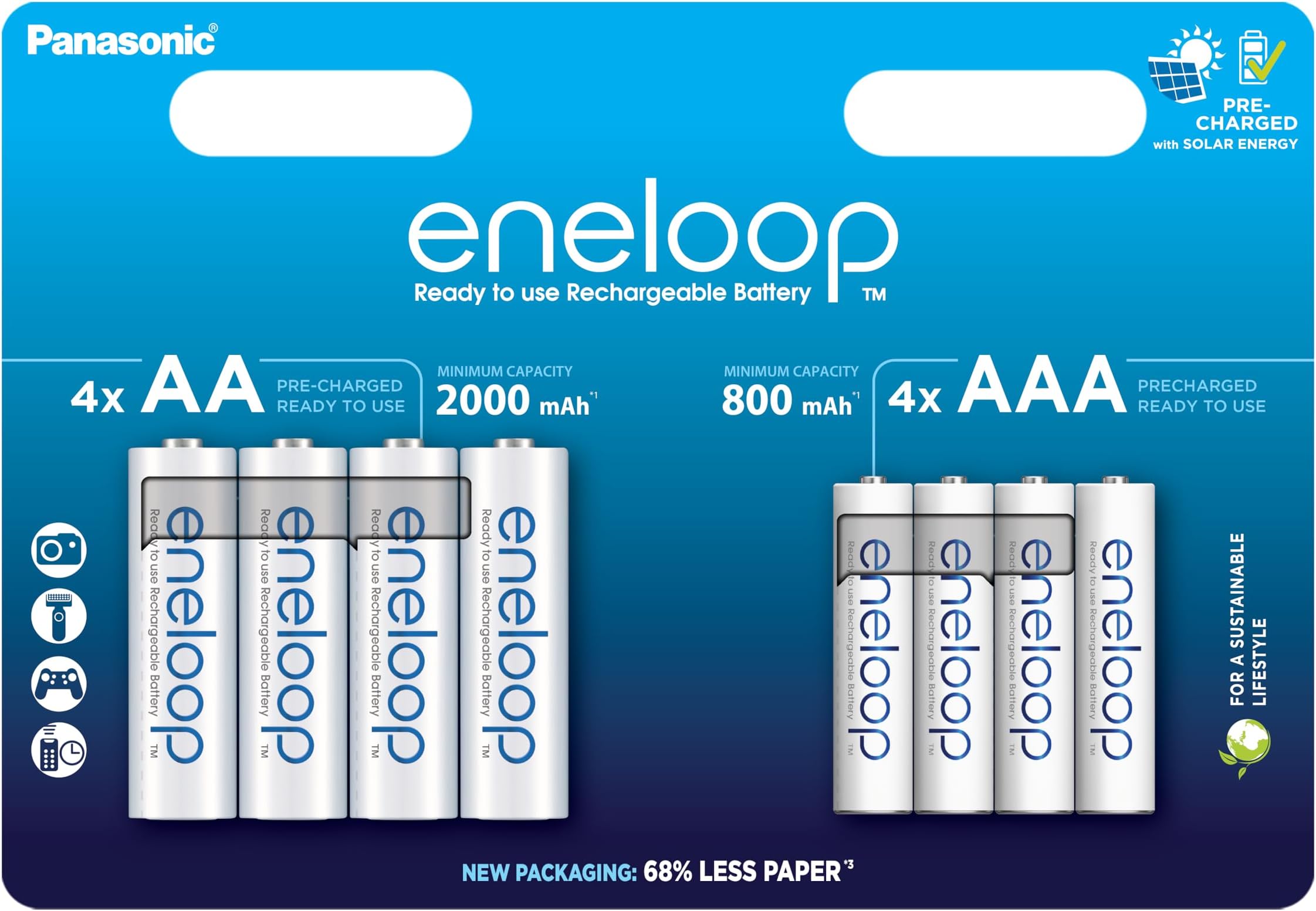
In the rechargeable sector, the 2026 market is dominated by Low Self-Discharge (LSD) NiMH batteries. These cells, pioneered by technologies like the Eneloop Pro, can retain up to 85% of their charge after a year of storage. Premium NiMH AAAs now regularly reach capacities of 950mAh to 1100mAh, providing runtimes that rival or exceed high-end alkalines in high-load scenarios.
Technical Specifications and Comparative Metrics
When evaluating the performance of premium AAA cells, technical metrics provide the only objective measure of value. The following table compares the typical performance characteristics of premium AAA batteries in the current 2026 market.
| Feature | Premium Alkaline | Premium Lithium | Premium NiMH (Rechargeable) |
|---|---|---|---|
| Nominal Voltage | 1.5V (drops to 0.8V) | 1.5V (stable) | 1.2V (stable) |
| Capacity (Typical) | 1,000 - 1,200 mAh | 1,200 - 1,300 mAh | 900 - 1,100 mAh |
| Shelf Life | 10 - 12 Years | 20 Years | 1 Year (before recharge) |
| Weight | ~11.5 grams | ~7.6 grams | ~13-15 grams |
| Operating Temp | -18°C to 55°C | -40°C to 60°C | -20°C to 50°C |
| Best Use Case | Remote controls, toys | Cameras, smart locks | Wireless mice, gaming controllers |
Optimized Use Cases: Matching Power to Application
The "performance and use" of a premium battery is highly dependent on the device's current draw. Miscalculating this can lead to premature battery failure or unnecessary expenditure.
Low-Drain Applications
Devices such as television remote controls, wall clocks, and simple smoke detectors are considered low-drain. In these devices, the current draw is so minimal that the battery's shelf life is often more important than its discharge capacity. For these applications, a premium alkaline is the most cost-effective choice. Using a lithium battery in a TV remote is generally considered a waste of resources, as the remote may take five to seven years to deplete an alkaline cell, well within its shelf-stability range.
High-Drain and Pulse-Drain Applications
Digital door locks, motorized toys, and flash units for photography are high-drain or pulse-drain devices. They require a sudden burst of high current. Premium lithium batteries excel here because they have low internal resistance. High internal resistance in budget batteries causes the voltage to "sag" when a high load is applied, often triggering a "low battery" warning on the device even if the battery is nearly full.
The Rise of Smart Home Sensors
In 2026, the proliferation of IoT (Internet of Things) sensors—such as moisture sensors, motion detectors, and smart thermostats—has created a unique niche for premium AAA batteries. These devices often sit idle for months and then transmit data bursts. Premium batteries are required here to ensure the device wakes up reliably after long periods of dormancy.
Maintenance, Storage, and Safety Standards
To maximize the performance of premium AAA batteries, proper handling is required. Environmental factors can significantly degrade chemical potential if not managed correctly.
- Storage Environment: Batteries should be stored in a cool, dry place. While a common myth suggests storing batteries in the refrigerator, this is unnecessary for modern premium cells and can lead to condensation-induced corrosion. A stable room temperature of 15°C to 25°C is ideal.
- Contact Integrity: Over time, battery terminals can develop a thin layer of oxidation. Cleaning the contacts of both the battery and the device with a lint-free cloth or a cotton swab dipped in a tiny amount of isopropyl alcohol ensures maximum current flow and reduces heat buildup.
- Mixing Rules: Never mix different chemistries (e.g., an alkaline with a lithium) or different brands/ages in the same device. The weaker battery will be "driven" into a state of deep discharge by the stronger cells, which drastically increases the risk of leakage or rupture.
- Disposal and Recycling: By 2026, many jurisdictions have implemented strict battery disposal laws. Alkaline batteries are often legally disposable in household trash, but premium NiMH and Lithium cells must be taken to specialized recycling centers to recover valuable metals and prevent environmental contamination.
Economic Analysis: Value vs. Price
A common mistake in battery procurement is focusing on the "cost per cell" rather than the "cost per hour of operation." While a premium lithium AAA might cost four times more than a generic alkaline, in high-drain devices like a professional wireless microphone, it may last six times longer.
Furthermore, the "insurance value" of a premium battery cannot be ignored. A standard budget battery that leaks can destroy a $300 smart thermostat or a $500 digital camera. Premium manufacturers typically offer warranties that cover the repair or replacement of any device damaged by their batteries, provided the batteries were used within their expiration dates. This indemnity makes premium cells the logical choice for high-value assets.
Frequently Asked Questions
Why do some premium AAA batteries say "Not for use in smoke detectors"?
This typically applies to rechargeable NiMH batteries. Because NiMH cells have a lower nominal voltage (1.2V compared to 1.5V) and a flat discharge curve, a smoke detector might not be able to accurately trigger a "low battery" chirp. This could lead to a situation where the detector dies suddenly without warning. Always use premium alkaline or lithium cells for life-safety equipment unless the manufacturer specifically recommends rechargeables.
Is there a difference between "High Capacity" and "High Power" AAA batteries?
Yes. "High Capacity" refers to the total amount of energy stored (milliampere-hours), which is ideal for long-running, low-to-medium drain devices. "High Power" refers to the battery's ability to discharge that energy quickly (low internal resistance), which is necessary for motorized devices or those with high-intensity screens.
How do I identify a counterfeit premium battery?
Counterfeiting remains a challenge in 2026. Genuine premium batteries have crisp, high-quality printing, clear expiration dates, and consistent weight. If a pack of four premium lithium batteries is priced significantly lower than the market average at a non-reputable retailer, they are likely counterfeit alkalines or lower-capacity cells.
Can I use premium AAA lithium batteries in all devices?
Most modern electronics are designed to handle the 1.5V to 1.7V initial voltage of a lithium cell. However, some very old or extremely sensitive analog devices might experience issues with the slightly higher initial voltage of a fresh lithium battery compared to a fresh alkaline. Always check the device manual for "Lithium Compatible" labels.
What is the typical life expectancy of a premium NiMH AAA?
Most premium NiMH batteries in 2026 are rated for 500 to 2,100 charge cycles. If you charge the battery twice a week, a premium cell can theoretically last between five and twenty years, though its total capacity will gradually diminish over time.
Practical Recommendation for 2026
For the best balance of performance and protection, we recommend a tiered approach to AAA battery selection. Utilize premium lithium cells for all outdoor equipment, emergency kits, and high-value digital devices to ensure maximum reliability and temperature resistance. For daily-use items like wireless mice and gaming peripherals, transition to high-capacity NiMH rechargeables to reduce long-term costs and environmental impact. Reserve premium alkaline batteries for home security sensors and low-drain household items where a long shelf life and leak-protection guarantee are the primary requirements.
Image Gallery