A Comprehensive Guide to Phlebotomy Classes in Queens: Requirements, Training, and Certification
Finding the right phlebotomy classes in Queens, New York, is the essential first step for individuals looking to enter the healthcare field as certified patient care technicians, medical assistants, or dedicated phlebotomists. Because...
Finding the right phlebotomy classes in Queens, New York, is the essential first step for individuals looking to enter the healthcare field as certified patient care technicians, medical assistants, or dedicated phlebotomists. Because New York State enforces specific educational and training standards for healthcare professionals, selecting a reputable, approved training program ensures your hours count toward national certification and local employment opportunities.
Contents
Understanding Phlebotomy Training in Queens
Phlebotomy is the clinical practice of drawing blood from patients for diagnostic testing, transfusions, research, or donations. In the borough of Queens, training programs are offered through a variety of vocational schools, community colleges, and healthcare training centers. These courses combine rigorous classroom instruction with hands-on clinical practice to prepare students for the realities of working in hospitals, commercial laboratories, outpatient clinics, and physician offices.
When exploring programs in Queens, prospective students will find that curricula typically cover anatomy and physiology of the circulatory system, medical terminology, safety and infection control procedures, specimen handling, and venipuncture techniques. Completing these modules successfully is mandatory before students are allowed to perform live blood draws on human subjects under close instructor supervision.
Why Train in Queens?
Queens provides a unique advantage for healthcare students due to its dense network of major medical institutions, including New York-Presbyterian Queens, Jamaica Hospital Medical Center, Flushing Hospital Medical Center, and Elmhurst Hospital Center. Many local vocational schools maintain clinical affiliations with these facilities or regional medical laboratories like Quest Diagnostics and Labcorp, providing students with direct pathways to externships and future employment.
Core Requirements for Enrolling in Queens Phlebotomy Programs
Before committing to a phlebotomy training course in Queens, candidates must meet specific baseline prerequisites. While exact admission requirements vary depending on whether the program is hosted by a private vocational school or a continuing education department, most institutions enforce standard entry criteria.
- Educational Attainment: Most programs require applicants to possess a high school diploma or a High School Equivalency (HSE/GED) certificate. Some basic career readiness programs may accept students aged 18 and older with proof of basic literacy and math skills.
- Immunization and Health Records: Because clinical externships take place in active medical facilities, students must provide proof of immunizations, including the MMR vaccine, hepatitis B series, varicella, tetanus, a yearly influenza shot, and a negative tuberculosis (TB) skin test or chest X-ray.
- Background Checks and Drug Screening: Many clinical affiliate sites in New York require criminal background checks and multi-panel drug screenings prior to granting students access to patient care areas. A felony conviction can severely limit your ability to secure an externship or state-recognized certification.
- Age Limits: Most programs require students to be at least 18 years old by the time they participate in clinical rotations.
Curriculum Structure: What You Will Learn
A thorough phlebotomy program balances theoretical knowledge with intensive practical application. Understanding the breakdown of a standard curriculum helps prospective students evaluate different schools across Queens.
Classroom Instruction (Didactic Phase)
The initial weeks of training focus on classroom lectures. Students learn the foundational sciences necessary to communicate effectively with nurses, doctors, and patients. Key topics include:
- Anatomy and Physiology: Detailed study of the circulatory and integumentary systems, focusing on vein selection and arterial versus venous blood composition.
- Medical Terminology: Learning universal prefixes, suffixes, and root words used in clinical documentation and laboratory requests.
- Safety and OSHA Compliance: Understanding Standard Precautions, Bloodborne Pathogens Standards, proper disposal of biohazardous waste, and the use of personal protective equipment (PPE).
- Legal and Ethical Issues: Patient confidentiality (HIPAA compliance), informed consent, patient rights, and the consequences of negligence or improper specimen labeling.
Practical Laboratory and Clinical Phase
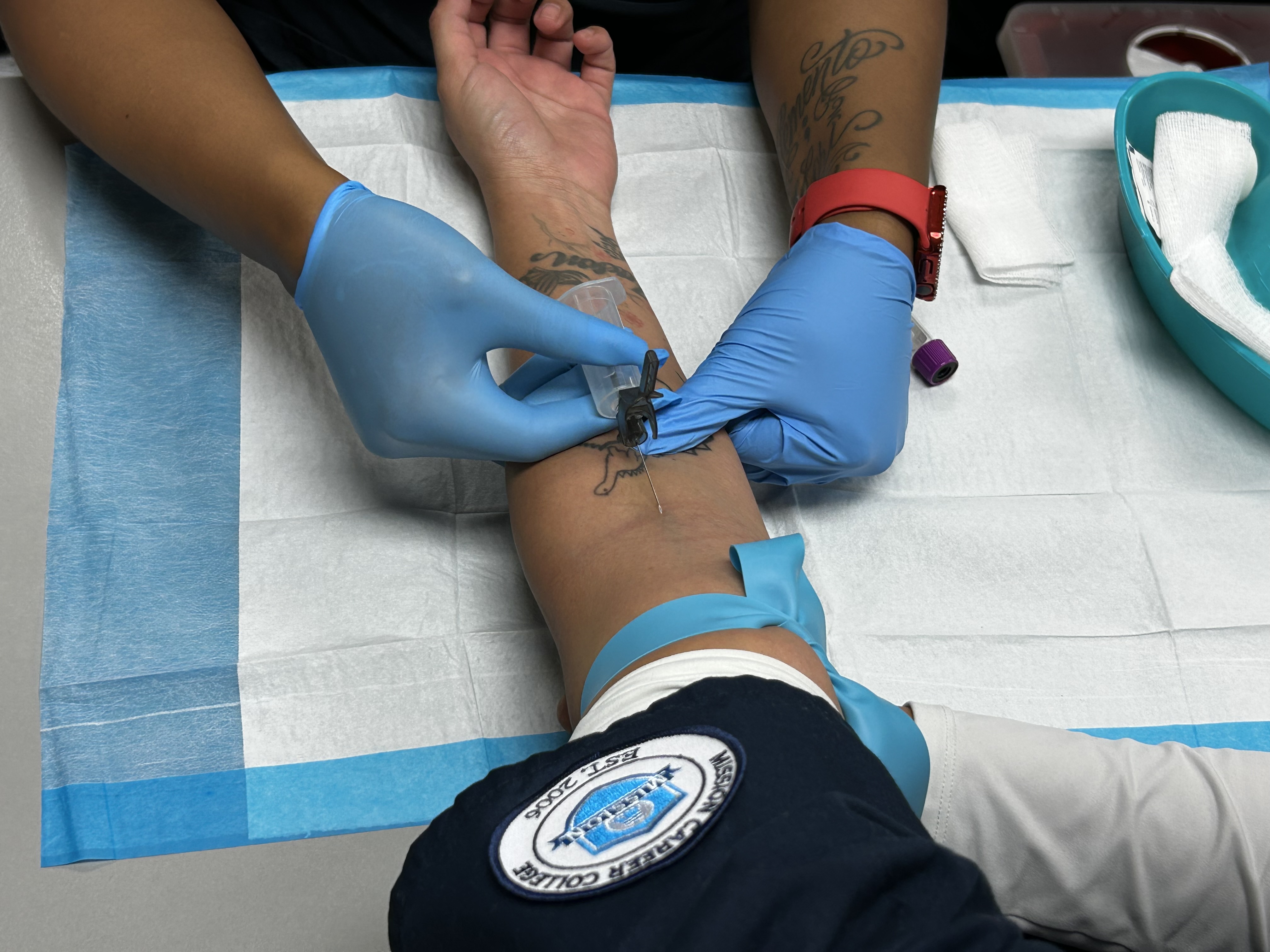
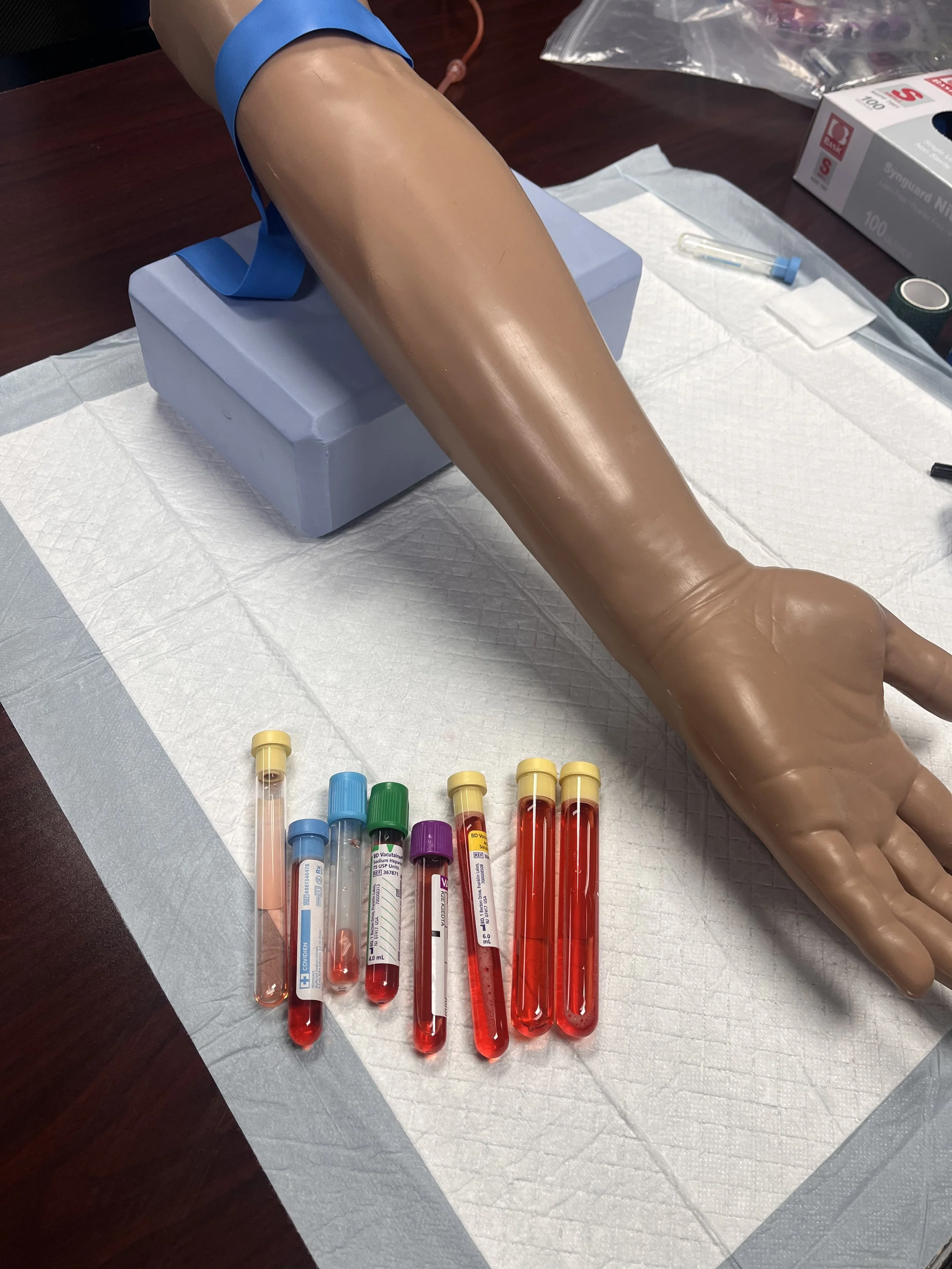
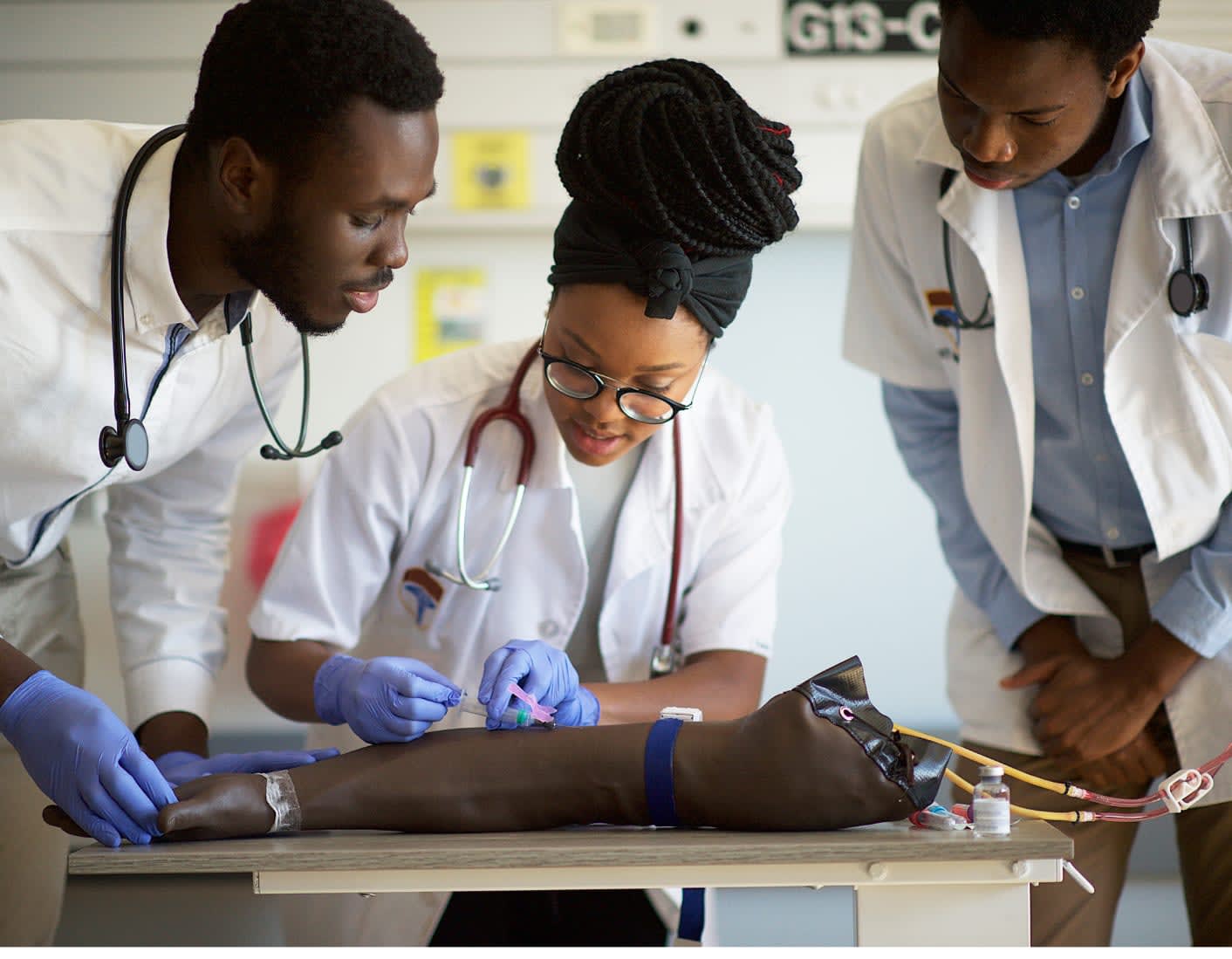
Once classroom theory is mastered, students transition to hands-on skill labs. In this phase, students practice venipuncture and capillary puncture techniques using simulated arms before moving on to peer-to-peer blood draws under direct supervision.
The clinical phase culminates in an externship, where students spend a designated number of hours working in a real clinical setting, successfully completing a minimum number of unassisted successful blood draws (often between 30 and 100 successful venipunctures, depending on the certifying body).
Comparing Phlebotomy Training Options in Queens
Choosing the right educational provider requires looking closely at cost, schedule flexibility, program duration, and certification outcomes. The following table highlights the structural differences among common types of phlebotomy training providers available in the region.
| Program Type | Typical Duration | Schedule Options | Estimated Cost | Clinical Externship Included? |
|---|---|---|---|---|
| Vocational Trade Schools | 6 to 12 weeks | Day, Evening, Weekend | $1,500 – $3,500 | Yes (Usually required) |
| Community College Continuing Ed | 10 to 16 weeks | Part-time / Semester-based | $1,200 – $2,800 | Varies by program |
| Healthcare Staffing Academies | 4 to 8 weeks | Accelerated / Intensive | $1,000 – $2,500 | Frequently included |
Certification and Licensure in New York State
While New York State does not currently mandate a standalone state license specifically for phlebotomists, national certification is heavily favored—and often strictly required—by major hospital networks and diagnostic laboratories throughout Queens and the broader New York City metropolitan area.
Employers look for credentials from nationally recognized certifying agencies. Graduating from a state-approved program allows you to sit for one of the primary national certification examinations:
- CPT (Certified Phlebotomy Technician) through the National Healthcareer Association (NHA).
- PBT (Phlebotomy Technician) through the American Society for Clinical Pathology (ASCP).
- RPT (Registered Phlebotomy Technician) through American Medical Technologists (AMT).
- NCPT (National Certified Phlebotomy Technician) through the National Center for Competency Testing (NCCT).
Preparing for these exams involves reviewing comprehensive study guides, practice tests, and participating in mock board exams provided by your training institution.
Financial Considerations and Tuition Assistance
The cost of phlebotomy classes in Queens varies based on the institution, whether books and scrubs are included, and whether national certification exam fees are bundled into the initial tuition price.
- Out-of-Pocket Expenses: Beyond base tuition (ranging generally from $1,000 to $3,500), students should budget for mandatory extras: physical exams, immunizations, background checks, textbook purchases, stethoscopes, scrub uniforms, and the national certification exam fee (typically $100 to $150).
- Financial Aid and Payment Plans: Private vocational schools rarely qualify for traditional federal Pell Grants, but many offer in-house, interest-free installment payment plans.
- Workforce Development Grants: Residents of Queens should check availability through local New York State Department of Labor Career Centers (Workforce1 Career Centers), which periodically offer training grants or funding vouchers for high-demand allied health professions.
Common Mistakes to Avoid When Choosing a Program
Selecting a substandard training program can waste time and money, leaving you ineligible for national certification exams. Keep the following pitfalls in mind:
- Failing to Verify Accreditation: Ensure the school is licensed by the New York State Education Department (NYSED) or authorized by a recognized accrediting body.
- Ignoring Clinical Placement Support: Enrolling in a program that does not assist with or provide a clinical externship site will leave you scrambling to find a facility willing to supervise your required live blood draws.
- Overlooking Hidden Fees: Always ask for a comprehensive breakdown of all costs before signing an enrollment agreement. Find out whether the exam fee and uniform costs are included.
- Assuming Online-Only Training is Sufficient: Phlebotomy is a tactile, hands-on medical procedure. Programs that offer 100% online learning without an in-person lab component will not prepare you for real-world employment or qualify you for reputable national certifications.
Frequently Asked Questions About Phlebotomy Classes in Queens
How long does it take to complete phlebotomy training in Queens?
Most phlebotomy classes in Queens take between 6 and 12 weeks to complete. Accelerated programs can sometimes be finished in as little as 4 weeks, while part-time or weekend classes may extend up to 16 weeks depending on the institution's scheduling format.
Do I need a license to draw blood in New York?
New York State does not issue a specific state license solely for phlebotomists. However, hiring managers in hospitals and commercial labs almost universally require candidates to hold a national certification (such as NHA or ASCP) and complete an accredited training program.
What is the average salary for a phlebotomist in Queens, NY?
Earnings vary based on experience, shift differentials, and the employing health system. Entry-level phlebotomists in the New York City area typically start around $38,000 to $45,000 per year, with experienced technicians earning higher wages, especially in hospital inpatient settings.
Can I complete my phlebotomy clinical externship in Queens hospitals?
Yes. Many Queens training providers partner with local hospitals, diagnostic centers, and outpatient clinics within the borough to facilitate required clinical externships, allowing students to gain direct local experience before graduation.
What should I look for when comparing Queens phlebotomy schools?
Key factors include state licensing approval, high national exam pass rates, inclusion of a supervised clinical externship, transparent tuition pricing, and career placement assistance services.
Next Actions and Getting Started
If you are ready to begin your career in phlebotomy, your immediate next step is to research vocational schools and continuing education programs located in Queens that align with your schedule and budget. Request detailed information packets from at least three different providers, verify their clinical externship placements, and confirm that their curriculum qualifies you to sit for a recognized national certification exam like the NHA or ASCP. Preparing your immunization records and scheduling a physical examination early will streamline your enrollment process and keep you on track for a successful healthcare career.
Image Gallery