Federal Reserve Accounts and Social Security Numbers: Understanding the Intersection of Monetary Systems and Personal Identification
Navigating the relationship between federal reserve accounts and Social Security numbers reveals how personal identification intersects with the national banking system. Social Security numbers serve as unique identifiers for individua...
Navigating the relationship between federal reserve accounts and Social Security numbers reveals how personal identification intersects with the national banking system. Social Security numbers serve as unique identifiers for individuals, while Federal Reserve accounts are reserved for financial institutions, government entities, and foreign central banks, meaning everyday citizens cannot open accounts directly with the Federal Reserve using their Social Security numbers.
Contents
Clarifying the Confusion: Can Individuals Open Federal Reserve Accounts?
A persistent misunderstanding exists in public financial discussions regarding whether private citizens can hold a bank account directly with the central bank of the United States. To understand why this is structurally impossible for everyday citizens, it is necessary to examine the definition, purpose, and statutory limitations governing the Federal Reserve System.
The Federal Reserve—often called the Fed—functions as the central bank of the United States. Its primary statutory mandates include conducting monetary policy, supervising and regulating banking institutions, maintaining the stability of the financial system, and providing financial services to depository institutions, the U.S. government, and foreign official institutions. It does not operate as a retail commercial bank.
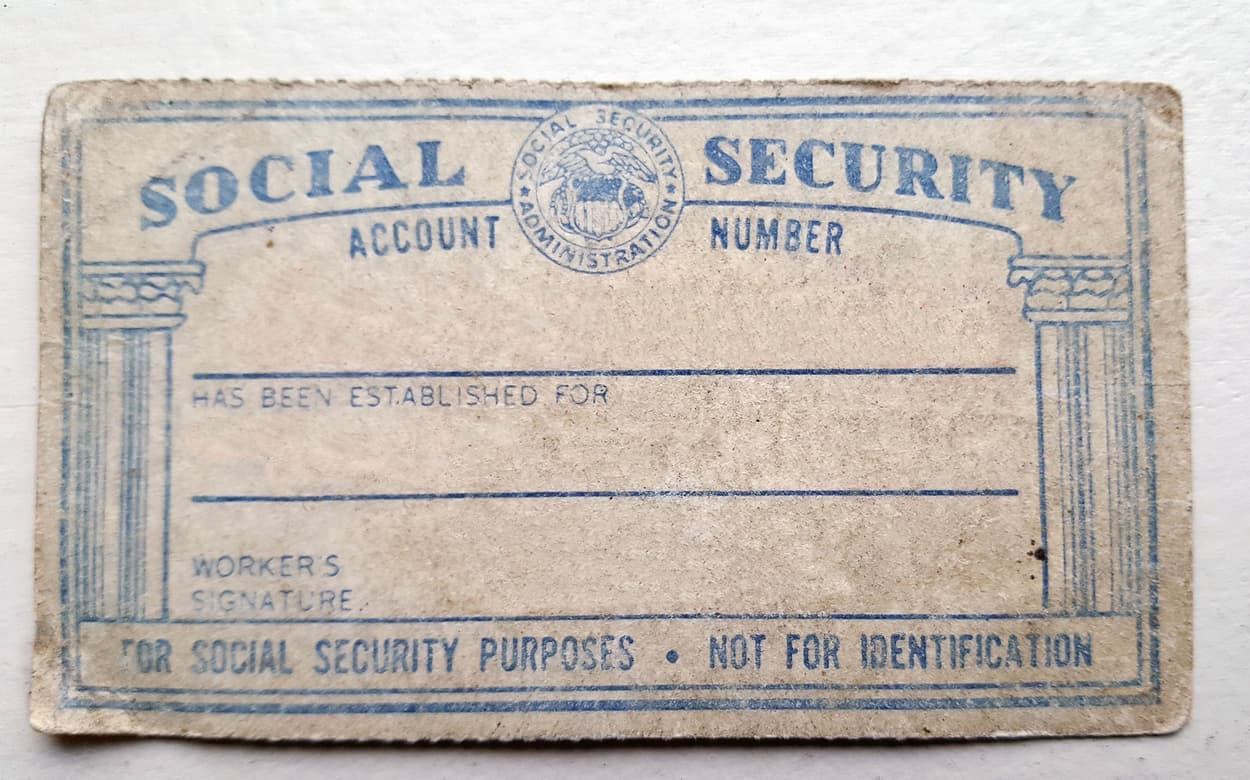
Because the Federal Reserve does not provide retail banking services, it does not maintain personal checking or savings accounts for individuals. Consequently, a Social Security number (SSN)—which is a nine-digit identification number issued by the Social Security Administration to U.S. citizens, permanent residents, and temporary working residents—cannot be used to open an account at the Federal Reserve. Personal banking is conducted through commercial banks, credit unions, savings and loans, and other chartered financial institutions that are, in turn, regulated by the Federal Reserve and other federal agencies like the Federal Deposit Insurance Corporation (FDIC) or the National Credit Union Administration (NCUA).
The Origin of the Sovereign Citizen and "Redemption" Myths
Much of the public curiosity surrounding federal reserve accounts and Social Security numbers stems from pseudolegal theories popularized by anti-government movements, most notably the "Sovereign Citizen" and "Redemption" movements. Understanding these origins is vital for anyone encountering financial advice or documents claiming that hidden funds can be accessed through federal systems.
According to these unverified theories, the U.S. government allegedly went bankrupt around 1933 when it abandoned the gold standard and began using citizens as collateral. Proponents of this theory claim that the government created a secret "secret treasury account" or "federal reserve account" linked to every individual's birth certificate and Social Security number at birth. Adherents believe that by filing specific, highly complex commercial liens, administrative paperwork, or UCC (Uniform Commercial Code) financing statements, a citizen can access millions of dollars from this purported account to pay off debts, mortgages, or taxes.
Federal courts, regulatory bodies, and law enforcement agencies—including the Internal Revenue Service (IRS) and the Federal Bureau of Investigation (FBI)—universally classify these theories as fraudulent scams. There is no hidden trust fund, secret account, or monetary reserve linked to a Social Security number that individuals can draw upon to settle private debts or purchase goods. Attempting to use these fraudulent methods can result in severe legal consequences, including felony charges for tax fraud, wire fraud, and filing fictitious legal instruments.
How the Federal Reserve Interacts with Commercial Banking
While individuals cannot hold accounts at the Federal Reserve, everyday consumer finances are profoundly influenced by how commercial banks interact with the Fed. Exploring this operational relationship highlights the true separation between central banking and personal identification.
Commercial banks, credit unions, and other depository institutions are required or permitted to hold master accounts with their regional Federal Reserve Banks. These master accounts allow financial institutions to clear checks, process electronic payments (such as ACH and wire transfers), and hold reserve balances to satisfy regulatory requirements.
Key Functions of Reserve Accounts for Institutions
- Settlement Services: Banks use Fed accounts to settle daily interbank transactions securely.
- Monetary Policy Transmission: Changes in the interest rate paid on reserve balances influence the interest rates commercial banks charge consumers for mortgages, auto loans, and credit cards.
- Currency Distribution: Regional Federal Reserve Banks supply physical cash (Federal Reserve Notes) to commercial banks to meet consumer withdrawal demands.
When a consumer opens a checking account at a local commercial bank, that bank uses the customer's Social Security number or Individual Taxpayer Identification Number (ITIN) to verify identity, comply with federal anti-money laundering (AML) laws, report interest earned to the IRS via Form 1099-INT, and screen against the Office of Foreign Assets Control (OFAC) sanctions lists. The Social Security number interacts directly with the commercial banking system and regulatory reporting databases, but it has no operational link to the Federal Reserve's internal ledger.
Comparing Personal Banking and Federal Reserve Accounts
To clearly distinguish between consumer-facing financial products and central bank operations, the following table compares key characteristics of accounts held at commercial financial institutions versus accounts held at the Federal Reserve.
| Feature | Commercial Bank Accounts | Federal Reserve Master Accounts |
|---|---|---|
| Eligible Account Holders | Individual consumers, businesses, and non-profits. | Commercial banks, credit unions, government agencies, foreign central banks. |
| Primary Identification | Social Security Number (SSN) or Employer Identification Number (EIN). | American Bankers Association (ABA) routing numbers, master account identifiers, charter documents. |
| Regulatory Oversight | FDIC, NCUA, OCC, CFPB, state banking departments. | Board of Governors of the Federal Reserve System. |
| Purpose | Daily transactions, savings accumulation, retail credit, consumer mortgages. | Interbank settlement, monetary policy implementation, wholesale payment clearing. |
| Deposit Insurance | Insured up to statutory limits ($250,000 per depositor per institution) by FDIC or NCUA. | Not applicable; backed by the sovereign authority and assets of the central bank. |
Protecting Your Social Security Number and Avoiding Financial Scams
Because Social Security numbers are essential keys for establishing identity in the commercial financial system, protecting them from misuse is critical. Financial fraudsters frequently attempt to exploit confusion regarding government accounts, taxes, and Social Security numbers through targeted phishing and imposter scams.
Common Warning Signs of Financial Scams
- Promises of Free Government Money: Claims that you are entitled to thousands or millions of dollars stored in a "Federal Reserve account" or "Treasury trust."
- Requests for SSN Verification: Unsolicited calls, emails, or text messages claiming that your Social Security number has been suspended or linked to criminal activity and demanding immediate verification or payment.
- Unconventional Payment Demands: Instructions to pay fees using cryptocurrency, gift cards, wire transfers, or payment apps to unlock government benefits or secret accounts.
Legitimate government agencies, including the Federal Reserve and the Social Security Administration, will never threaten arrest, demand immediate payment, or promise secret funds linked to your identification number. If you suspect your Social Security number has been compromised, you should immediately report the incident to identitytheft.gov, freeze your credit reports with major credit bureaus (Equifax, Experian, and TransUnion), and notify financial institutions where you hold legitimate accounts.
Frequently Asked Questions
Can I open a checking account directly at the Federal Reserve using my Social Security number?
No. The Federal Reserve only maintains accounts for eligible depository institutions, the federal government, and international central banks. Private individuals must open checking and savings accounts through regulated commercial banks, credit unions, or savings institutions using their Social Security number or ITIN.
Is there a secret trust fund or money account linked to my birth certificate and Social Security number?
No. The idea that every citizen has a hidden multimillion-dollar account administered by the federal government or the Federal Reserve is a thoroughly debunked myth associated with fraudulent "Sovereign Citizen" financial schemes. Attempting to use these theories to pay debts is illegal and can lead to criminal prosecution.
Why do commercial banks require my Social Security number to open an account?
Commercial banks are legally required by federal legislation, including the USA PATRIOT Act and Bank Secrecy Act, to verify the identity of every customer opening an account. Your Social Security number is used to run identity verification checks, prevent financial fraud, ensure compliance with economic sanctions, and report taxable interest to the IRS.
What should I do if someone claims I have unclaimed money in a federal reserve account?
Treat the claim as a scam. You should never send money, pay processing fees, or disclose sensitive personal information such as your Social Security number or banking credentials to anyone promising access to hidden government reserves. Legitimate unclaimed property can be searched safely and free of charge through official state programs or portals like unclaimed.org.
Does the Federal Reserve regulate the interest rates on personal bank accounts?
The Federal Reserve does not directly set the interest rates commercial banks pay on personal savings accounts or charge on consumer loans. However, the Fed sets the federal funds rate, which influences broader market interest rates and indirectly guides the yields and borrowing costs offered by retail financial institutions.
Conclusion
Understanding the distinct separation between personal identification mechanisms and central banking infrastructure protects consumers from costly financial misinformation. While your Social Security number remains a fundamental tool for establishing legal identity within the regulated commercial banking system, it has no connection to Federal Reserve accounts. Individuals seeking secure financial services should rely on FDIC-insured commercial banks and credit unions, while remaining vigilant against fraudulent schemes promising access to non-existent government funds.
Image Gallery