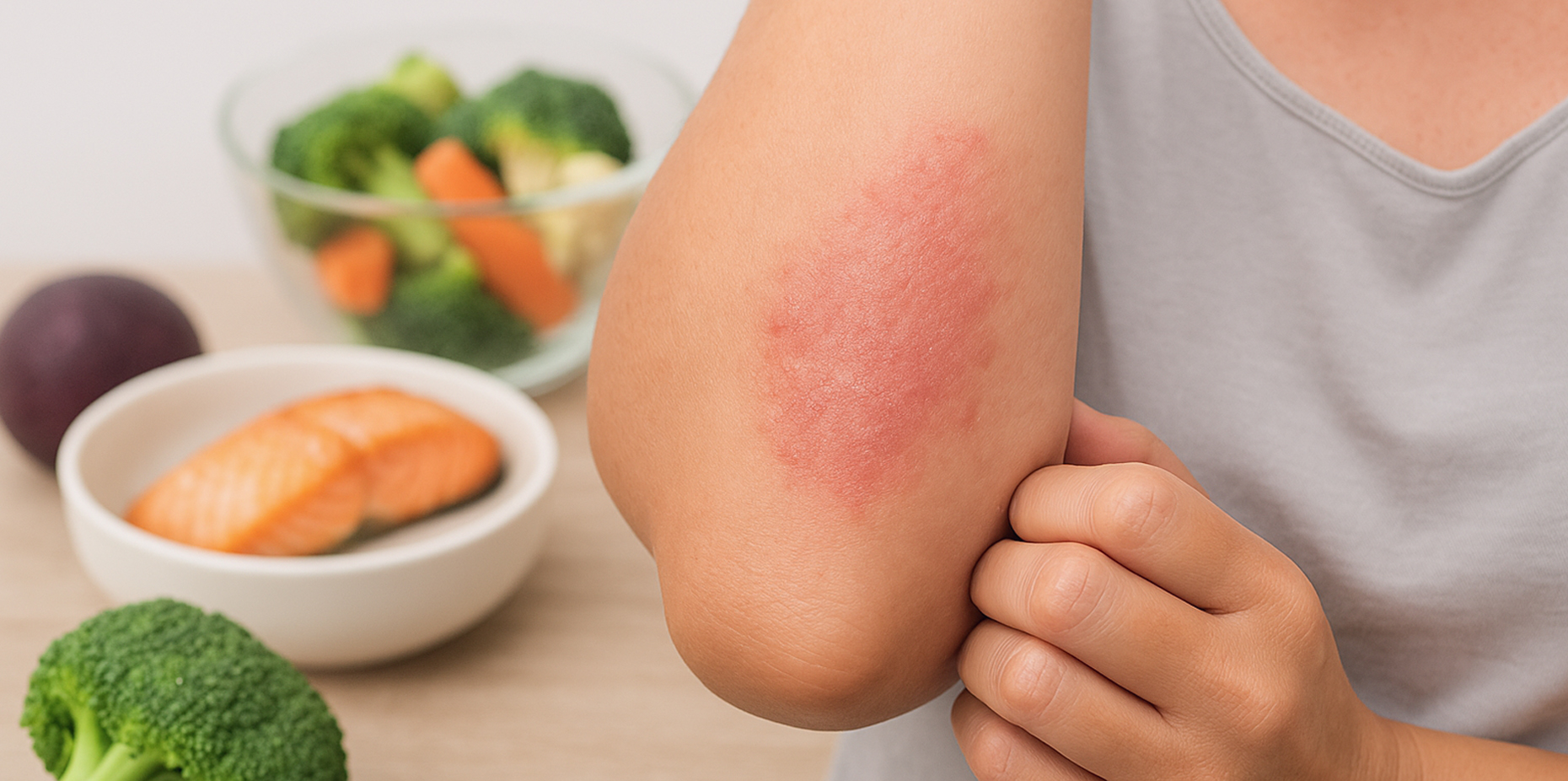
Plant-Based Diet for Psoriasis: Evidence, Benefits, and Practical Implementation
Adopting a plant-based diet for psoriasis can significantly reduce systemic inflammation, lessen cutaneous plaque severity, and improve overall cardiometabolic health. By eliminating pro-inflammatory animal fats and significantly incre...
Adopting a plant-based diet for psoriasis can significantly reduce systemic inflammation, lessen cutaneous plaque severity, and improve overall cardiometabolic health. By eliminating pro-inflammatory animal fats and significantly increasing dietary fiber, phytonutrients, and antioxidants, whole-food plant-based eating supports gut microbiome diversity and helps suppress the inflammatory cytokine cascades that drive psoriatic flare-ups.
Contents
Medical Disclaimer: This article is intended for educational purposes only and should not replace professional medical advice, diagnosis, or customized dermatological treatment. Always consult a board-certified dermatologist and a registered dietitian before making drastic dietary changes, especially if managing moderate-to-severe psoriatic disease or taking immunosuppressive medications.
The Biological Link Between Nutrition and Psoriasis Pathways
Psoriasis is a chronic, immune-mediated systemic disease characterized by epidermal hyperplasia and accelerated keratinocyte differentiation. While genetic susceptibility plays a pivotal role, environmental factors—particularly dietary intake—directly influence immune activation and symptom expression. Understanding the biochemical interplay between plant-derived nutrients and cellular signaling explains why nutritional interventions yield meaningful clinical improvements.
Dampening Systemic Inflammation and Cytokine Cascades
The pathophysiology of psoriasis is primarily driven by the T-helper 1 (Th1) and T-helper 17 (Th17) pathways. These immune cells release pro-inflammatory cytokines, including tumor necrosis factor-alpha (TNF-$\alpha$), interleukin-17 (IL-17), and interleukin-23 (IL-23). These signaling proteins recruit neutrophils, promote epidermal hyperproliferation, and sustain chronic low-grade inflammation throughout the vascular system.
Whole plant foods are rich in dietary polyphenols—such as resveratrol, curcumin, quercetin, and epigallocatechin gallate (EGCG)—which inhibit nuclear factor kappa B (NF-$\kappa$B). NF-$\kappa$B is a primary transcription factor responsible for encoding pro-inflammatory cytokines. By suppressing NF-$\kappa$B activation, a plant-based diet functions via mechanisms similar to mild anti-inflammatory therapies, reducing circulating levels of C-reactive protein (CRP) and systemic inflammatory markers.
Arachidonic Acid and Eicosanoid Production
Animal-derived foods, particularly red meat, poultry, dairy, and eggs, contain high concentrations of arachidonic acid (AA), an omega-6 polyunsaturated fatty acid. Metabolically, arachidonic acid is cleaved by the enzymes cyclooxygenase (COX) and lipoxygenase (LOX) into pro-inflammatory eicosanoids, including prostaglandin $\text{E}_2$ ($\text{PGE}_2$) and leukotriene $\text{B}_4$ ($\text{LTB}_4$). High concentrations of $\text{LTB}_4$ are routinely recovered from psoriatic plaques, where they act as potent chemoattractants for immune cells.
Replacing animal products with whole plant foods starves the COX and LOX pathways of excess arachidonic acid substrate. Plant foods provide alpha-linolenic acid (ALA), an omega-3 fatty acid found in flaxseeds, chia seeds, and walnuts. ALA yields anti-inflammatory eicosanoids, such as resolvins and protectins, which actively promote the resolution of tissue inflammation and suppress keratinocyte hyperproliferation.
The Gut-Skin Axis and Microbiome Diversity
The "gut-skin axis" describes the complex bidirectional communication network connecting intestinal homeostasis to cutaneous health. Dysbiosis—an imbalance in the intestinal microbial community—increases intestinal permeability ("leaky gut"). When the mucosal barrier is compromised, bacterial lipopolysaccharides (LPS) cross into systemic circulation, triggering widespread endotoxemia and aggravating skin inflammation.
- Plant-Based Fiber & Prebiotics
- Short-Chain Fatty Acids (SCFAs: Butyrate, Acetate)
- Enhanced Intestinal Mucosal Barrier Integrity
- Reduced Translocation of Endotoxins (LPS)
- Downregulated Th17 Immune Activity & Skin Inflammation
Dietary fiber acts as a prebiotic substrate for beneficial gut microbes like Fecalibacterium prausnitzii and Bifidobacterium species. Fermentation of soluble fiber yields short-chain fatty acids (SCFAs)—primarily acetate, propionate, and butyrate. Butyrate reinforces tight junction proteins in the intestinal epithelial barrier, preventing LPS translocation and upregulating regulatory T-cells ($\text{T}_{\text{reg}}$), which restore immune tolerance and mitigate psoriatic activity.
Clinical Evidence: What Research Says About Plant-Based Diets
Clinical interest in nutritional dermatology has grown significantly. Research confirms that dietary modification serves as an effective adjunct to standard pharmacological management for psoriatic disease.
- Epidemiological Observations: Large cohort studies published in the Journal of the American Academy of Dermatology have linked higher adherence to Mediterranean and plant-centric dietary patterns with reduced severity of psoriasis as measured by the Psoriasis Area and Severity Index (PASI).
- Caloric Density and Weight Reduction: Excess adipose tissue acts as an active endocrine organ, secreting adipokines such as leptin and resistin that exacerbate systemic inflammation. Whole-food plant-based diets naturally exhibit lower energy density and high nutrient density, facilitating sustainable weight loss. Clinical trials published via the National Institutes of Health PubMed Database demonstrate that a 5% to 10% reduction in body weight in overweight psoriasis patients significantly improves responsiveness to systemic medications and biologic therapies.
- Reduction in Metabolic Comorbidities: Psoriasis is independently associated with an increased risk of metabolic syndrome, type 2 diabetes, atherogenic dyslipidemia, and cardiovascular disease. Plant-based diets reduce low-density lipoprotein (LDL) cholesterol, lower systemic arterial pressure, and enhance insulin sensitivity, targeting both cutaneous manifestations and long-term cardiovascular vulnerabilities.
Comparative Analysis of Dietary Approaches in Psoriasis Management
Evaluating how different dietary patterns affect physiological biomarkers helps clarify why a whole-food plant-based approach offers distinct therapeutic advantages over typical Western or restrictive diets.
| Dietary Pattern | Anti-Inflammatory Potential | Fiber Content (Grams/Day) | Saturated Fat Profile | Impact on Gut Microbiome Diversity | Cardiometabolic Risk Factor Impact | Long-Term Sustainability |
|---|---|---|---|---|---|---|
| Whole-Food Plant-Based (WFPB) | High (Rich in polyphenols & antioxidants) | High ($40-60+\text{ g}$) | Very Low ($< 5-7%$ of calories) | Maximum enhancement of beneficial bacterial strains | Significant reduction in LDL-C and HbA1c | High (Flexible whole food variety) |
| Mediterranean Diet | High (Includes olive oil & wild fish) | Moderate to High ($25-35\text{ g}$) | Low to Moderate ($7-10%$ of calories) | High bacterial diversity | Proven reduction in cardiovascular events | High (Widely accessible) |
| Standard Western Diet | Very Low (Pro-inflammatory baseline) | Very Low ($10-15\text{ g}$) | High ($> 12-15%$ of calories) | Promotes dysbiosis and mucosal disruption | Increases cardiovascular and metabolic risk | High (Default modern diet) |
| Low-Carb / Ketogenic Diet | Variable (Short-term metabolic shift) | Low ($< 15\text{ g}$) | High to Very High ($> 15-20%$ of calories) | Reduced microbial diversity due to low fiber | May elevate LDL-C and apoB particles | Low to Moderate (Strict macronutrient limits) |
Essential Nutrients to Monitor on a Whole-Food Plant-Based Diet
Transitioning to an exclusively or predominantly plant-based framework requires careful nutritional planning to eliminate the risk of micro- or macronutrient deficiencies that could paradoxically impair skin regeneration and immune function.
- Whole-Food Plant-Based Nutrition Plan
- Micronutrients
- Vitamin B12
- Folate
- Zinc
- Fatty Acids
- ALA (Flax, Chia, Walnuts)
- Algal EPA/DHA
- Sun / Lifestyle
- Vitamin D3
- Serum Testing
- Micronutrients
Vitamin B12 and Folate Balance
Vitamin B12 (cobalamin) is essential for DNA synthesis, erythropoiesis, and neurological maintenance. Because cobalamin is synthesized by microorganisms and not found in unfortified plant foods, individuals adopting a strict vegan or plant-heavy diet must take a reliable B12 supplement (cyanocobalamin or methylcobalamin). Deficiencies can elevate serum homocysteine, an independent risk factor for vascular inflammation.
Conversely, plant diets are rich in natural folate (vitamin B9), which works alongside B12 in the one-carbon metabolic cycle. This is especially relevant for patients taking methotrexate, a common systemic anti-psoriatic drug that acts as a folate antagonist.
Omega-3 Fatty Acids: Optimizing Conversion Rates
Alpha-linolenic acid (ALA) is the essential plant-derived omega-3 precursor found in whole foods like ground flaxseed, chia seeds, hemp seeds, and walnuts. The body converts ALA into the longer-chain anti-inflammatory fatty acids eicosapentaenoic acid (EPA) and docosahexaenoic acid (DHA) via enzymatic elongation and desaturation.
- Alpha-Linolenic Acid (ALA)
- Delta-6 Desaturase
- Eicosapentaenoic Acid (EPA)
- Docosahexaenoic Acid (DHA)
However, human conversion efficiency of ALA to EPA and DHA is relatively low (typically under 8–10% for EPA and under 2–5% for DHA). High intakes of dietary linoleic acid (omega-6) compete for the same enzymatic pathways. To maintain optimal tissue concentrations of anti-inflammatory lipids, patients managing severe skin inflammation may benefit from a daily microalgae-derived EPA/DHA supplement.
Vitamin D, Zinc, and Micronutrient Sufficiency
- Vitamin D: Functions as a potent immunomodulator. Vitamin D receptors (VDRs) are widely expressed on keratinocytes and T-cells. Vitamin D inhibits keratinocyte proliferation and promotes immune tolerance. Sun exposure, fortified plant milks, and vitamin $\text{D}_3$ supplementation (cholecalciferol, ideally lichen-derived for vegans) are critical, particularly for individuals living at higher latitudes.
- Zinc: Crucial for epidermal repair, wound healing, and immune signaling. While legumes, seeds, nuts, and whole grains are rich in zinc, phytates in these foods can reduce mineral bioavailability. Soaking, sprouting, and fermenting grains and legumes reduces phytate levels, enhancing zinc absorption.
- Antioxidants (Vitamins C & E): Abundant in berries, dark leafy greens, seeds, and citrus fruits. These vitamins neutralize reactive oxygen species (ROS) in inflamed skin, protecting cell membranes against lipid peroxidation.
Addressing Potential Dietary Triggers and Sensitivities
While a broad plant-based diet benefits most individuals with psoriasis, specific plant food groups may trigger flare-ups in susceptible subpopulations. Identifying these nuances prevents unnecessary dietary restriction while addressing genuine sensitivity.
- Patient Evaluation
- General Population
- Broad WFPB Adoption
- Fiber & Phytonutrient Focus
- Cardiometabolic Protection
- Targeted Screening
- Serological Screening (IgA tTG)
- Nightshade Elimination Trial
- Elimination of Ultra-Processed Foods
- General Population
The Nightshade Complex (Solanaceae Family) Debate
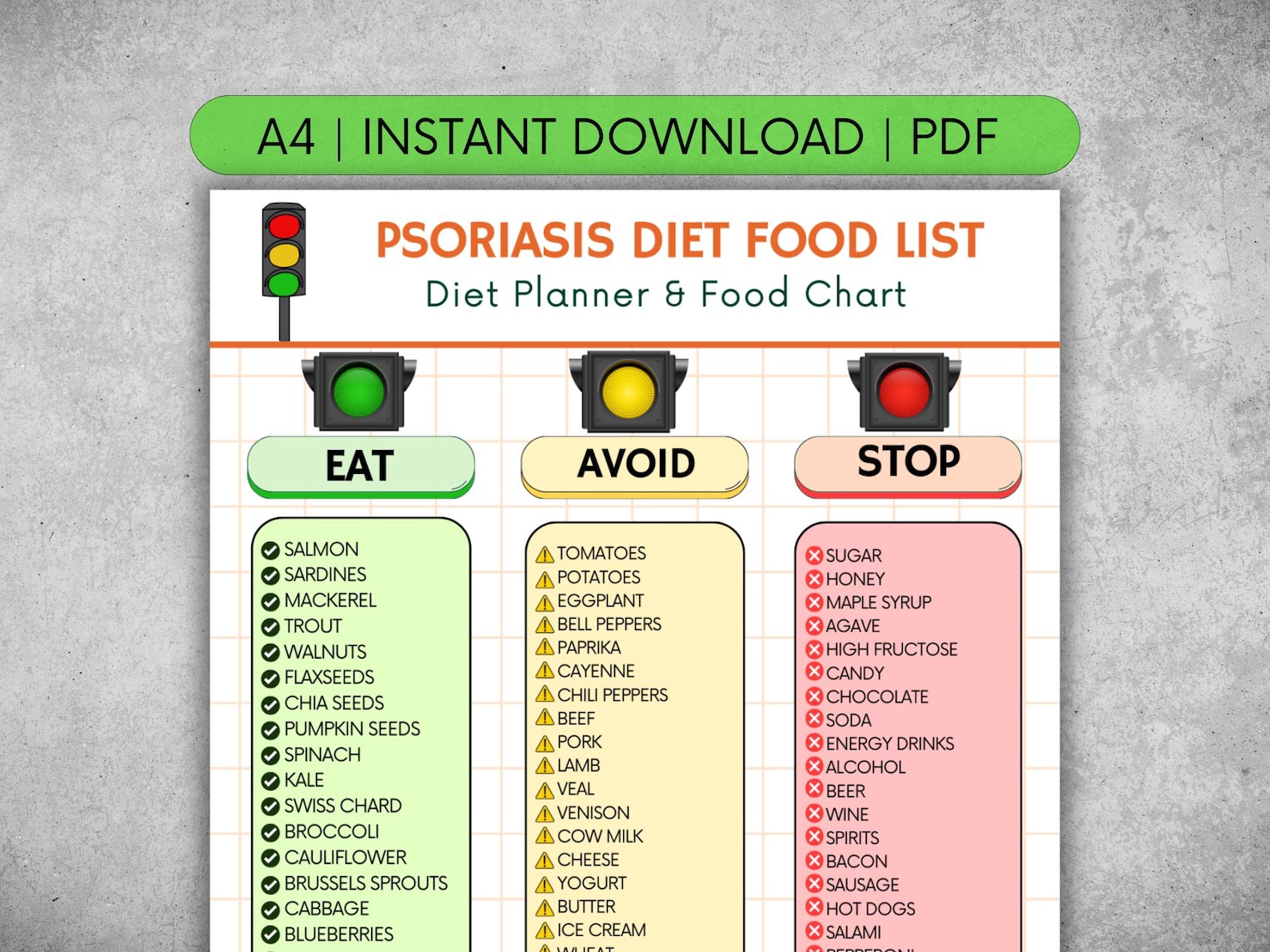
Members of the Solanaceae family—including tomatoes, white potatoes, eggplants, bell peppers, and cayenne pepper—contain naturally occurring glycoalkaloids like solanine and tomatine. Some individuals report that nightshades trigger psoriatic flares.
From a scientific standpoint, robust population-level clinical trials proving universal nightshade toxicity are limited. However, glycoalkaloids can increase intestinal permeability in animal models with pre-existing mucosal damage.
- Clinical Guidance: Patients should not eliminate nightshades unnecessarily, as these foods contain valuable nutrients like lycopene and vitamin C. If a nightshade sensitivity is suspected, conduct a strict 4-week elimination trial, followed by a controlled, single-food reintroduction to objectively assess cutaneous symptoms.
Gluten Sensitivity and Celiac Overlap
Psoriasis shares genetic loci and inflammatory pathways with celiac disease. Research indicates that patients with psoriasis exhibit a significantly higher prevalence of anti-tissue transglutaminase (tTG) and anti-deamidated gliadin peptide (DGP) antibodies compared to the general population.
- Diagnostic Prerequisite: Patients should undergo formal serological screening for celiac disease before removing gluten. Premature elimination of gluten can yield false-negative blood test results.
- Therapeutic Application: If celiac biomarkers are elevated, or if a non-celiac gluten sensitivity (NCGS) is confirmed, adopting a strictly gluten-free plant-based diet can markedly decrease PASI scores and systemic intestinal inflammation.
Processed Vegan Foods vs. Whole Foods
Not all plant-based diets are anti-inflammatory. A diet high in refined carbohydrates, high-fructose corn syrup, ultra-processed vegan meats, hydrogenated fats, and synthetic additives can trigger systemic inflammation. These items elevate glycemic load, foster dysbiosis, and promote the formation of advanced glycation end-products (AGEs), countering the therapeutic benefits of plant nutrition. Focus primarily on minimally processed whole foods.
Step-by-Step Transition Strategy for Psoriasis Relief
Switching to an anti-inflammatory plant-based diet should be deliberate and structured to prevent gastrointestinal discomfort and ensure complete nutrient adequacy.
- Phase 1: Foundation (Weeks 1-2)
- Phase 2: Elimination (Weeks 3-4)
- Phase 3: Optimization (Weeks 5-8)
Phase 1: Foundation (Weeks 1–2)
- Increase Dietary Fiber: Gradually add whole grains (oats, quinoa, brown rice) and legumes (lentils, chickpeas, black beans) to main meals. Gradually increasing fiber allows the gut microbiome to adapt without gas or bloating.
- Hydration: Consume 2.5 to 3 liters of water daily to support intestinal transit as fiber intake rises.
- Audit Baseline Intake: Track current eating patterns in a journal, noting any immediate skin or gastrointestinal responses following meals.
Phase 2: Elimination of Primary Pro-Inflammatory Foods (Weeks 3–4)
- Remove Red and Processed Meats: Eliminate primary sources of arachidonic acid and saturated fat.
- Phase Out High-Fat Dairy: Replace dairy products with unsweetened, calcium-fortified plant alternatives (such as almond, soy, or oat milk).
- Minimize Refined Sugars and Oils: Eliminate sugar-sweetened beverages, fried foods, and highly refined cooking oils, replacing them with whole fat sources like avocados, nuts, and seeds.
Phase 3: Whole-Food Optimization (Weeks 5–8)
- Focus on Color Variety: Aim for 30 or more unique plant foods per week, including diverse vegetables, fruits, herbs, spices, nuts, and seeds to maximize phytonutrient intake.
- Integrate Daily Prebiotics and Fermented Foods: Incorporate kimchi, sauerkraut, tempeh, or miso to supply beneficial live cultures alongside prebiotic fiber.
- Targeted Supplementation: Start daily vitamin B12 supplementation, take microalgae-derived EPA/DHA, and adjust vitamin D based on serum test results.
Sample Anti-Inflammatory Whole-Food Meal Plan
- Breakfast: Steel-cut oatmeal cooked in unsweetened soy milk, topped with 1 tablespoon of ground flaxseeds, wild blueberries, walnuts, and a pinch of ground turmeric and cinnamon.
- Lunch: A large dark leafy green salad (kale, spinach, arugula) with steamed quinoa, roasted sweet potatoes, edamame, pumpkin seeds, and a dressing made from fresh lemon juice, tahini, and extra virgin olive oil.
- Afternoon Snack: Sliced cucumbers and bell peppers paired with homemade oil-free garlic hummus, alongside a green tea infusion (rich in EGCG).
- Dinner: Lentil and vegetable curry prepared with ginger, garlic, tomatoes, spinach, and coconut milk (used sparingly), served over wild rice or cauliflower rice.
Frequently Asked Questions
How fast can a plant-based diet improve psoriasis symptoms?
Cutaneous cell turnover takes approximately 28 to 30 days. While some individuals notice reduced itchiness and less systemic fatigue within 2 to 4 weeks of adopting a whole-food plant-based diet, significant improvements in plaque thickness and skin redness typically require 8 to 12 weeks of sustained adherence.
Can a plant-based diet replace biological treatments or topical steroids?
A plant-based diet should complement, not automatically replace, prescribed medical therapies. While nutritional changes can reduce systemic inflammation and lower the frequency or severity of flares, decisions to decrease or stop medications must always be made under the supervision of your dermatologist.
Are nightshades like tomatoes and peppers harmful for everyone with psoriasis?
No. Nightshade sensitivity is individualized and not universal among psoriasis patients. Many individuals consume nightshades without any adverse skin reactions, benefiting from their rich antioxidant profiles. An elimination and challenge trial is the best way to determine personal sensitivity.
What supplements are mandatory when managing psoriasis with a vegan diet?
Vitamin B12 supplementation is essential on a strict vegan diet. Additionally, microalgae-derived EPA/DHA omega-3 fatty acids and vitamin $\text{D}_3$ are highly recommended for individuals managing inflammatory skin conditions. Consult a healthcare provider to tailor supplement dosages based on baseline serum levels.
Does weight loss from a plant-based diet directly reduce plaque severity?
Yes. Adipose tissue secretes pro-inflammatory cytokines like TNF-$\alpha$ and IL-6. Weight loss achieved through a nutrient-dense, low-calorie-density plant-based diet lowers circulating levels of these cytokines, directly reducing systemic inflammation and improving skin plaque severity.
Strategic Next Steps and Medical Collaboration
To successfully integrate a plant-based diet into your psoriasis management plan:
- Obtain Baseline Laboratory Testing: Request a complete blood count (CBC), metabolic panel, lipid panel, high-sensitivity C-reactive protein (hs-CRP), 25-hydroxyvitamin D, serum B12, and a celiac antibodies panel from your primary care physician.
- Consult a Clinical Registered Dietitian: Work with a dietitian specializing in autoimmune diseases or dermatology to create a nutritionally complete plant-based meal plan tailored to your lifestyle.
- Track Your Progress: Keep a detailed journal tracking meal intake, stress levels, bowel movements, and skin severity score improvements over a 90-day period.
Image Gallery