How to Access Your Health Records: A Comprehensive Guide to Your Legal Rights and Methods
In 2026, accessing your health records is a legally protected right governed by frameworks like HIPAA in the United States and GDPR in Europe. You can obtain your medical history via digital patient portals, formal written requests to...
In 2026, accessing your health records is a legally protected right governed by frameworks like HIPAA in the United States and GDPR in Europe. You can obtain your medical history via digital patient portals, formal written requests to providers, or certified health apps, typically receiving them within 30 days of your request.
Contents
Understanding how to navigate the modern healthcare bureaucracy is essential for managing chronic conditions, transitioning to new specialists, or ensuring personal data accuracy. As of 2026, the shift toward interoperability—the ability of different health systems to share data—has made "Information Blocking" a significant regulatory focus, ensuring that patients face fewer hurdles when requesting their own data.
The Legal Foundation of Your Right of Access
The primary legislation governing your health records in the United States is the Health Insurance Portability and Accountability Act (HIPAA). Under the HIPAA Privacy Rule, specifically 45 CFR § 164.524, individuals have a right to inspect and obtain a copy of their protected health information (PHI) in a "designated record set." This set includes medical records, billing records, and any other data used by healthcare providers to make decisions about your care.
By 2026, the 21st Century Cures Act and subsequent "Final Rules" from the Office of the National Coordinator for Health Information Technology (ONC) have further strengthened these rights. These regulations prohibit "Information Blocking," a practice where providers or IT developers unreasonably interfere with the access, exchange, or use of electronic health information (EHI).
What is Included in Your Records?
Your "designated record set" is broader than many patients realize. It typically includes:
- Clinical notes: Physician observations, nursing notes, and discharge summaries.
- Diagnostic results: Lab reports, X-ray images, MRI/CT scans, and pathology results.
- Medication history: Current and past prescriptions, including dosage and frequency.
- Immunization records: A lifetime history of vaccinations.
- Billing and insurance data: Claims submitted to insurance and payment history.
It is important to note that "psychotherapy notes"—the private notes of a mental health professional kept separate from the medical record—are generally excluded from the right of access under HIPAA. However, general mental health information, such as medication monitoring and summary of diagnosis, is still accessible.
Modern Methods for Accessing Health Records
In 2026, the methods for accessing health data range from immediate digital downloads to traditional paper requests. The method you choose often depends on the urgency of your need and the technical capabilities of your healthcare provider.
1. Digital Patient Portals (The Fast Track)
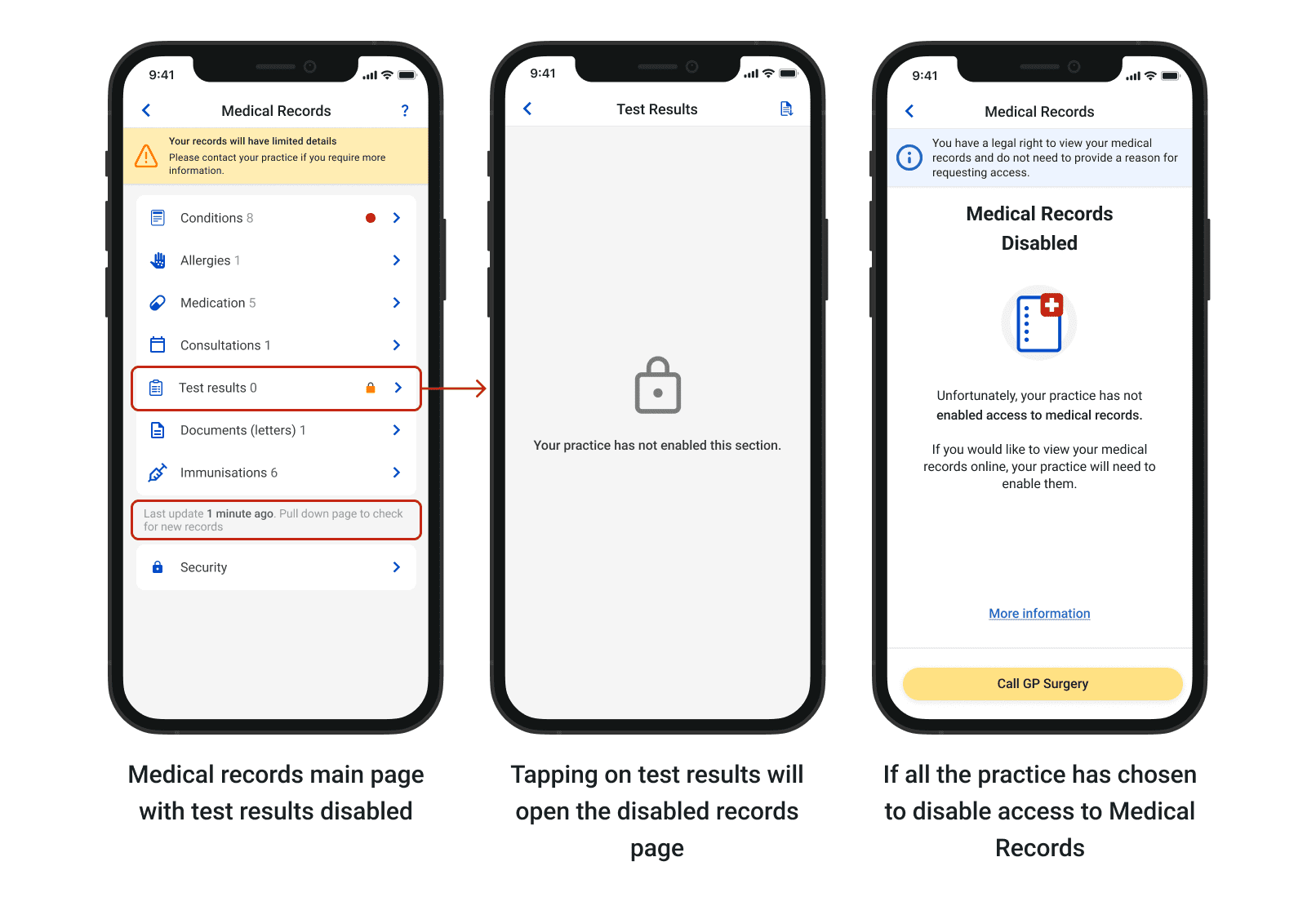
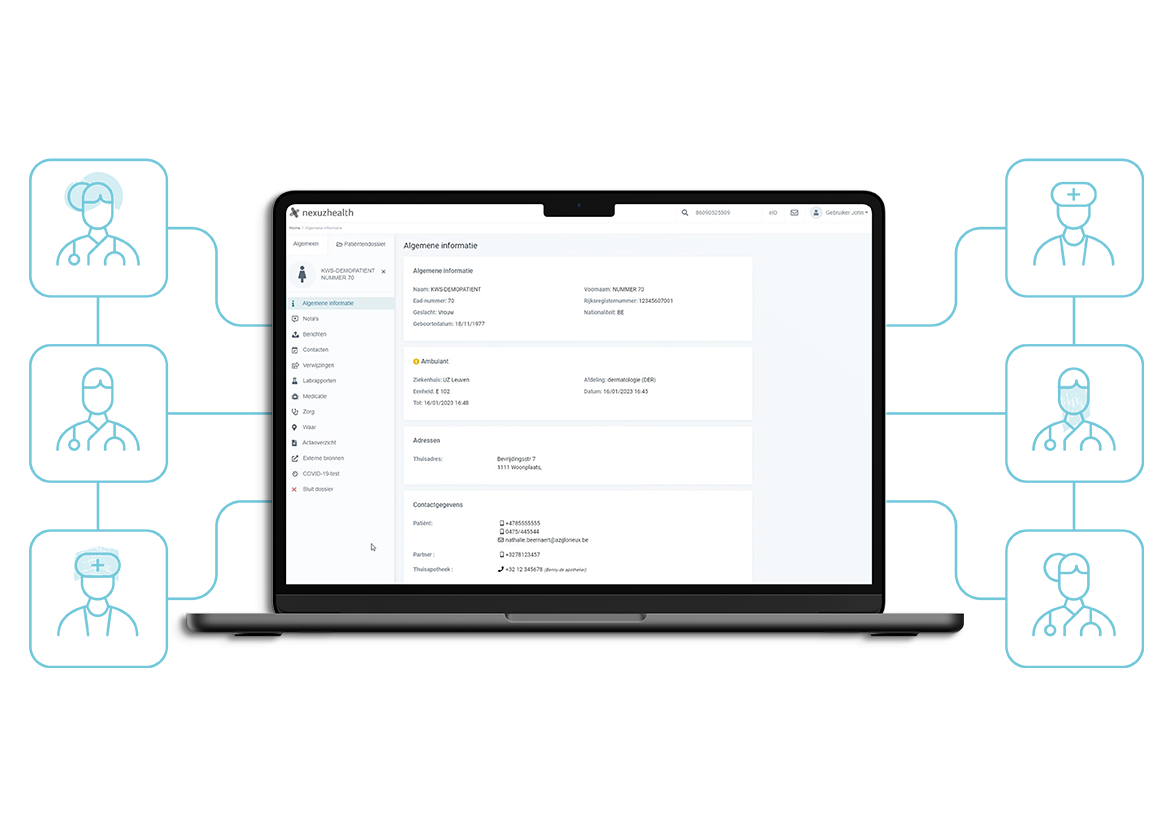
Most major healthcare systems now utilize platforms like Epic MyChart, Cerner HealtheLife, or proprietary systems. These portals provide "real-time" access to new test results and physician notes.
- Prerequisites: You must have an active account linked to your Social Security number or a unique patient ID.
- Capabilities: Users can usually download a PDF version of their records or use the "Blue Button" functionality to download data in a machine-readable format (often XML or JSON).
- Limitations: Portals may only show data from that specific health system. If you have seen doctors in multiple systems, you will need to aggregate these records manually or via a third-party app.
2. Formal Written Requests (The Legal Standard)
For a "Certified Medical Record" or a full legal medical record that includes every piece of documentation, a formal request to the Health Information Management (HIM) department is necessary.
- Process: You must sign a Release of Information (ROI) form. This form specifies which records you want (e.g., "All records from 2022 to 2026"), the format you prefer (digital or paper), and where the records should be sent.
- Verification: Providers are required to verify your identity. This may involve providing a copy of a government-issued ID or a notarized signature for high-stakes requests.
3. Third-Party Health Apps and Aggregators
In 2026, many patients use apps like Apple Health (on iOS) or CommonHealth (on Android) to pull data from multiple providers into a single dashboard. This is made possible through FHIR (Fast Healthcare Interoperability Resources) APIs. By authorizing an app to connect to your provider’s portal, you can maintain a portable, longitudinal record of your health that travels with you.
Understanding Costs and Timelines
One of the most frequent points of friction in accessing records is the cost and the time it takes for a provider to comply. The 2026 regulatory environment has established strict ceilings on these factors to prevent providers from using fees as a barrier to access.
The 30-Day Rule
Under federal law, a provider must provide access to or a copy of your records within 30 calendar days of receiving the request. If the records are stored off-site or are particularly complex, the provider may request a one-time 30-day extension, but they must provide you with a written explanation for the delay.
Fee Structures for 2026
While digital access through a portal must be free, providers are permitted to charge a "reasonable, cost-based fee" for providing copies in other formats.
| Format of Request | Typical Cost Range | Legal Limitation |
|---|---|---|
| Digital Portal Download | $0.00 | Must be free under Information Blocking rules. |
| Email/Secure Transfer | $0.00 - $15.00 | Labor costs only; no per-page fees for digital files. |
| Paper Copies | $0.25 - $0.75 per page | Limited to supplies, labor, and postage. |
| CD / USB Drive | $10.00 - $25.00 | Cost of the physical media and labor. |
| X-ray / Imaging Film | $15.00 - $40.00 | Cost of specialized reproduction. |
Note: These fees do not apply if the records are being sent directly to another healthcare provider for "continuation of care." In those cases, the transfer is almost always free.
Troubleshooting Denials and Information Blocking
If a provider refuses to release your records or makes the process unnecessarily difficult, they may be in violation of federal law. As of 2026, the Department of Health and Human Services (HHS) has increased enforcement against "unreasonable delays."
Common (Valid) Reasons for Denial
There are very few legal grounds for a provider to deny you access to your own records:
- Safety Concerns: If a licensed healthcare professional determines that access is reasonably likely to endanger the life or physical safety of the individual or another person.
- Reference to Third Parties: If the record mentions another person (other than a healthcare provider) and the provider believes access is likely to cause substantial harm to that person.
- Legal Proceedings: Records compiled in reasonable anticipation of a civil, criminal, or administrative action.
What to Do If You Are Blocked
If you believe your rights are being violated:
- Step 1: Request a written explanation for the denial. HIPAA requires providers to give you this within the 30-day window.
- Step 2: Contact the facility’s Privacy Officer. Every HIPAA-covered entity must have one.
- Step 3: File a formal complaint with the Office for Civil Rights (OCR).
- Step 4: Report "Information Blocking" through the ONC’s Health IT Feedback Portal.
Correcting Errors in Your Health Records
Accessing your records is often the first step in ensuring their accuracy. Inaccurate records can lead to medical errors, insurance claim denials, or incorrect treatments.
If you find an error (e.g., an incorrect diagnosis, a wrong medication, or a misinterpreted test result), you have the right to amend your record under HIPAA.
- Submit a written request for amendment: Specify exactly what information is inaccurate and why.
- Provider Review: The provider has 60 days to respond.
- If Accepted: The provider will change the record and inform anyone else who has received the incorrect data.
- If Denied: The provider must give you a reason. You then have the right to submit a "Statement of Disagreement," which must be attached to your medical record and included whenever that record is shared in the future.
Frequently Asked Questions
Can a doctor withhold my records because I have an unpaid bill?
No. Under HIPAA, a healthcare provider cannot deny you access to your medical records because you have not paid for the services you received. They can only charge you for the cost of copying and mailing the records themselves, not for the underlying medical debt.
How long do hospitals keep medical records?
Retention requirements vary by state, but most facilities keep adult records for 7 to 10 years from the date of the last treatment. Records for minors are typically kept until the patient reaches the age of 21 or 25. In 2026, as storage costs decrease, many large systems are moving toward permanent digital archiving.
Can I access the records of a deceased family member?
Yes, but you must be the personal representative of the deceased person under state law (usually the executor or administrator of the estate). You will need to provide the healthcare facility with legal documentation of your status, such as "Letters Testamentary" or a small estate affidavit.
Can I request my records in a specific digital format?
Yes. If the provider is capable of producing the record in your requested format (e.g., a searchable PDF or a specific data file), they are legally required to do so. If they cannot produce that exact format, they must work with you to find a readable alternative.
Does a "Patient Representative" have the same access rights?
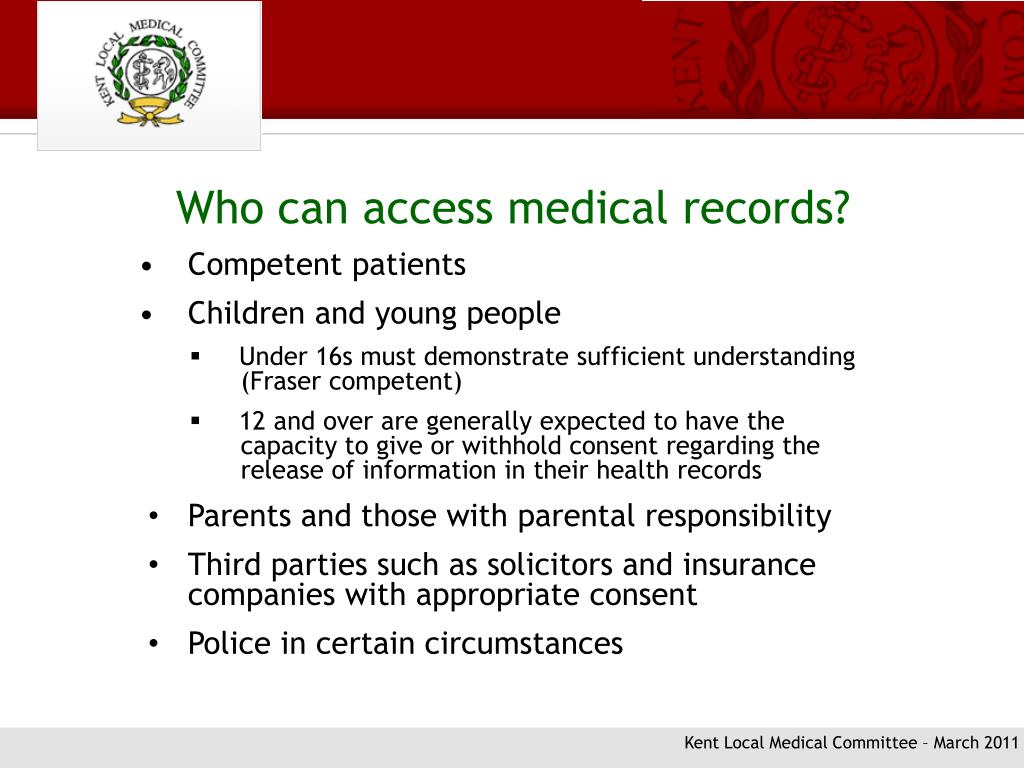
If you have designated someone as your Healthcare Power of Attorney or legal guardian, that person has the same rights to access your records as you do, provided their authority covers medical decision-making.
Final Recommendation for 2026
To maintain maximum control over your health history, audit your patient portals annually. Download a "Summary of Care" document (often called a CCDA file) every time you complete a major treatment cycle or change providers. By maintaining your own digital archive, you avoid the 30-day wait times and potential fees associated with formal HIM requests when you need your data most urgently. If you encounter a provider who claims they "cannot" share your data electronically, remind them of their obligations under the 21st Century Cures Act regarding Information Blocking.
Image Gallery