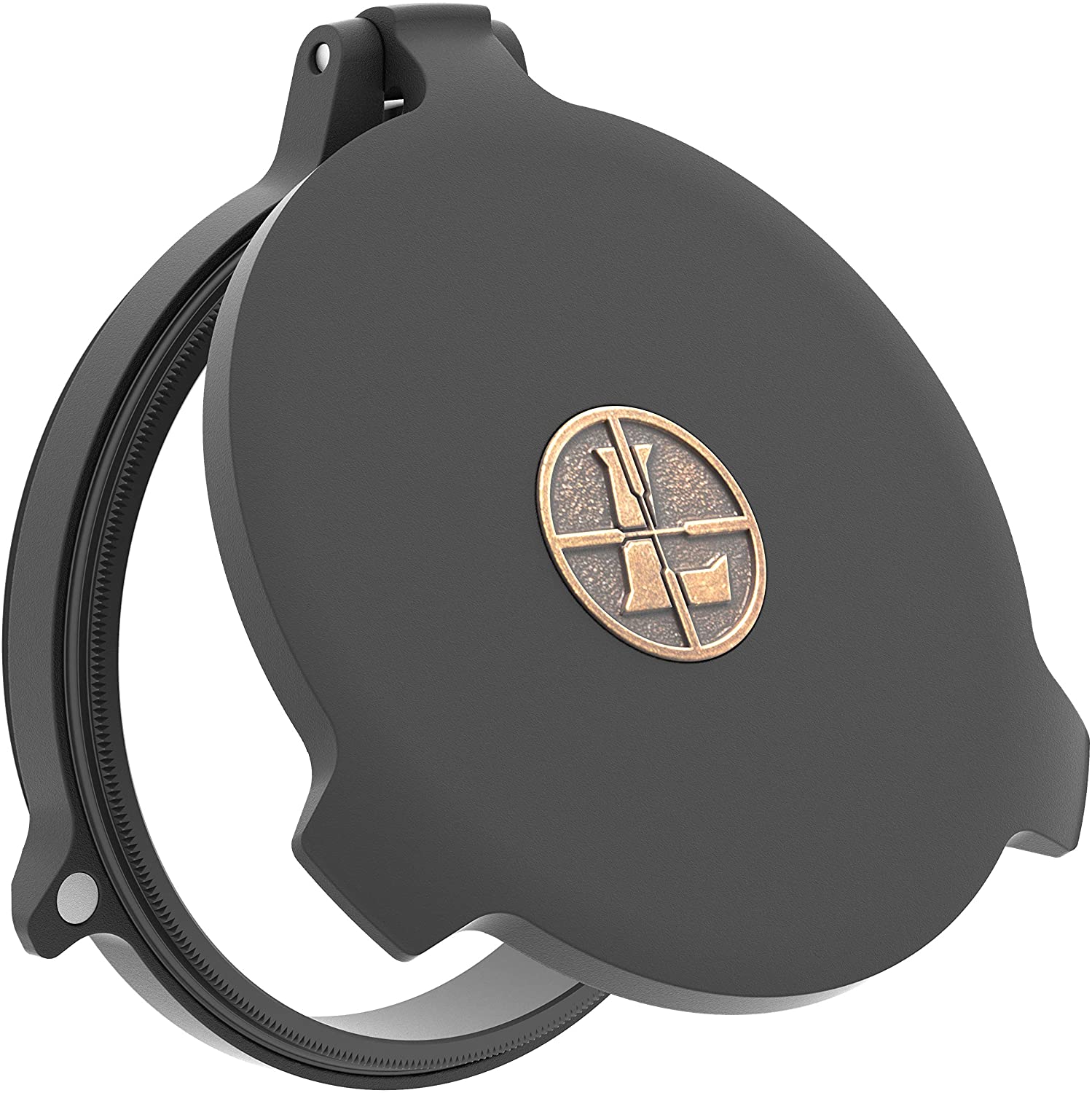
What the Leupold Spotting Scope Cover Offers for Every Size
Finding the right protection for high-precision optics ensures long-term field reliability, and Leupold spotting scope covers are engineered specifically to shield valuable glass from harsh environments, moisture, and impact. When inve...
Finding the right protection for high-precision optics ensures long-term field reliability, and Leupold spotting scope covers are engineered specifically to shield valuable glass from harsh environments, moisture, and impact. When investing in premium optics, users frequently encounter questions regarding what the Leupold spotting scope cover offers for every size of equipment available on the market. These covers are tailored to accommodate compact travel scopes as well as massive, long-range observation tools. By understanding how these protective accessories scale across different dimensions, hunters, birdwatchers, and tactical shooters can select the exact fit required to safeguard their gear without sacrificing operational readiness.
Contents
Understanding the Purpose and Engineering of Leupold Scope Covers
Optics protection must balance total environmental defense with immediate field accessibility. Leupold approaches cover design by prioritizing rugged durability, weather resistance, and seamless integration with specific chassis designs. Rather than relying on a generic, one-size-fits-all sleeve, the manufacturer crafts form-fitting configurations that match the contours of their primary product lines, such as the SX-2, SX-4, and SX-5 series.
A high-quality spotting scope cover serves multiple critical functions in the field. First, it acts as a primary defense against abrasive dust, windblown grit, and torrential rain that can compromise exterior lens coatings or mechanical focus wheels. Second, it provides padding against minor impacts during transport in a vehicle or backpack. Finally, modular designs often allow users to operate the scope while the cover remains partially attached, reducing deployment time when rapid target acquisition is essential.
Sizing Breakdown: How Covers Accommodate Compact, Mid-Size, and Full-Size Optics
The utility of a spotting scope cover depends entirely on how precisely it matches the physical dimensions of the instrument. Leupold categorizes its protective gear to mirror the objective lens diameters and overall chassis lengths of its spotting scopes, generally dividing them into three distinct tiers.
Compact Spotting Scopes (50mm to 60mm Class)
Compact scopes, often utilized by backpack hunters and mobile naturalists, require minimalist protection that does not add unnecessary bulk or weight.
- Design Focus: Lightweight, low-profile nylon or neoprene construction.
- Accessibility: Often features zippered or snap-away side panels that allow the eyepiece and objective lens caps to be flipped open instantly.
- Portability: Designed to fit easily inside side pockets of hunting packs without catching on brush.
Mid-Size Spotting Scopes (65mm to 80mm Class)
Mid-size instruments represent the most popular compromise between optical resolution and field maneuverability, requiring a more robust shielding system.
- Design Focus: Form-fitting padding with reinforced areas around the prism housing and focus ring.
- Accessibility: Modular three-piece or two-piece designs that let users mount the scope to a tripod directly through a pass-through slot in the cover.
- Security: Heavy-duty hook-and-loop fasteners or retention straps that prevent the cover from flapping in high mountain winds.
Full-Size Spotting Scopes (85mm to 100mm+ Class)
Large-objective scopes deployed for extreme long-range target shooting or professional glassing demand maximum structural coverage.
- Design Focus: Heavy-duty canvas or high-density nylon with thick interior padding to absorb accidental impacts against rocks or vehicle tailgates.
- Accessibility: Integrated carrying handles and shoulder straps, transforming the heavy scope and cover assembly into a standalone transport unit.
- Weather Sealing: Storm flaps over zippers and drainage grommets to prevent water pooling around the chassis.
| Scope Size Category | Typical Objective Diameter | Primary Material Used | Main Deployment Advantage |
|---|---|---|---|
| Compact | 50mm – 60mm | Lightweight Neoprene / Nylon | Minimal bulk, rapid deployment for mobile users |
| Mid-Size | 65mm – 80mm | Padded Nylon with Reinforced Panels | Balanced protection and direct tripod mounting |
| Full-Size | 85mm – 100mm+ | Heavy-Duty Canvas / Dense Padding | Maximum impact resistance and integrated carrying straps |
Material Science and Environmental Protection Features
The choice of materials dictates how well a spotting scope cover performs under adverse weather conditions. Leupold utilizes synthetic textiles chosen for their water-repellent properties, UV resistance, and tensile strength.
Neoprene offers excellent stretch and shock absorption, making it ideal for snug-fitting sleeves that mold tightly to the body of the scope. However, heavy-duty woven nylon or Cordura-style fabrics are frequently deployed on larger covers to resist tearing when dragged through dense brush or rocky terrain. These exterior fabrics are typically treated with Durable Water Repellent (DWR) coatings, ensuring that moisture beads up and rolls off rather than saturating the fabric and adding dead weight to the user's kit.
Furthermore, internal soft-brushed linings prevent abrasive friction against the rubberized armor or metallic finish of the scope chassis. This prevents cosmetic wear and ensures that dust trapped inside the cover during transport does not grind against the exterior surfaces.
Operational Advantages of Form-Fit Covers During Field Use
A common concern among outdoor enthusiasts is whether leaving a cover on during glassing sessions will impede functionality. Leupold designs its size-specific covers to remain on the optic during active observation.
- Tripod Compatibility: Slotted bases allow quick-release plates to remain securely attached to the tripod foot without removing the protective wrap.
- Focus and Zoom Access: Strategic cutouts or flexible flaps provide unhindered rotation for both the coarse/fine focus mechanisms and the magnification power ring.
- Lens Cap Retention: Tethered or fold-away objective and eyepiece caps ensure that individual protective covers are never lost in deep snow or tall grass.
Common Mistakes to Avoid When Selecting and Using a Scope Cover
Maximizing the lifespan of both the cover and the spotting scope requires proper selection and maintenance habits. Users frequently encounter avoidable issues due to improper sizing or neglect.
- Purchasing Mismatched Sizes: Attempting to stretch a compact cover over a mid-size chassis strains the seams and zippers, while an oversized cover leaves gaps where debris can enter. Always match the cover directly to the exact model designation.
- Storing Wet Gear: Packing a wet neoprene or nylon cover into a dark storage case promotes mildew and degrades fabric treatments. Always air-dry covers completely before long-term storage.
- Neglecting Zipper Maintenance: Field dust and grit can jam zippers. Periodically cleaning zipper tracks and applying dry lubricant ensures smooth operation in freezing or dusty environments.
Frequently Asked Questions
Are Leupold spotting scope covers waterproof or merely water-resistant?
They are engineered to be highly water-resistant and weather-repellent, shedding rain, snow, and spray effectively. However, because they feature cutouts for tripods and adjustment rings, they are not rated for complete submersion.
Can I leave the cover on while mounting the spotting scope to a tripod?
Yes. Every size category is designed with a dedicated pass-through slot on the bottom plate, allowing the tripod mounting foot to extend through the cover directly to the head.
Do these covers fit spotting scopes from other manufacturers?
While some generic dimensions may overlap, Leupold covers are custom-molded to the physical chassis dimensions and control layouts of Leupold optics. Using them on other brands may result in misaligned control windows or improper fit.
How do I clean a muddy or dusty scope cover?
Most covers can be hand-washed using lukewarm water and a mild, fragrance-free soap. Rinse thoroughly and allow the fabric to air-dry completely away from direct heat sources.
Do full-size covers include shoulder straps for transport?
Larger configurations often feature integrated webbing loops or dedicated carrying straps, allowing users to sling the protected scope over their shoulder during long hikes between glassing points.
Final Recommendations for Optics Protection
Selecting the appropriate Leupold spotting scope cover for your specific size of optic ensures that your investment remains protected against the elements without slowing down your field workflow. Prioritize matching the exact objective lens tier—compact, mid-size, or full-size—to guarantee unhindered access to focus rings and tripod mounts. By pairing high-grade exterior protection with proper post-trip maintenance, you preserve the mechanical integrity and resale value of your observation equipment for decades of rigorous outdoor use.
Image Gallery