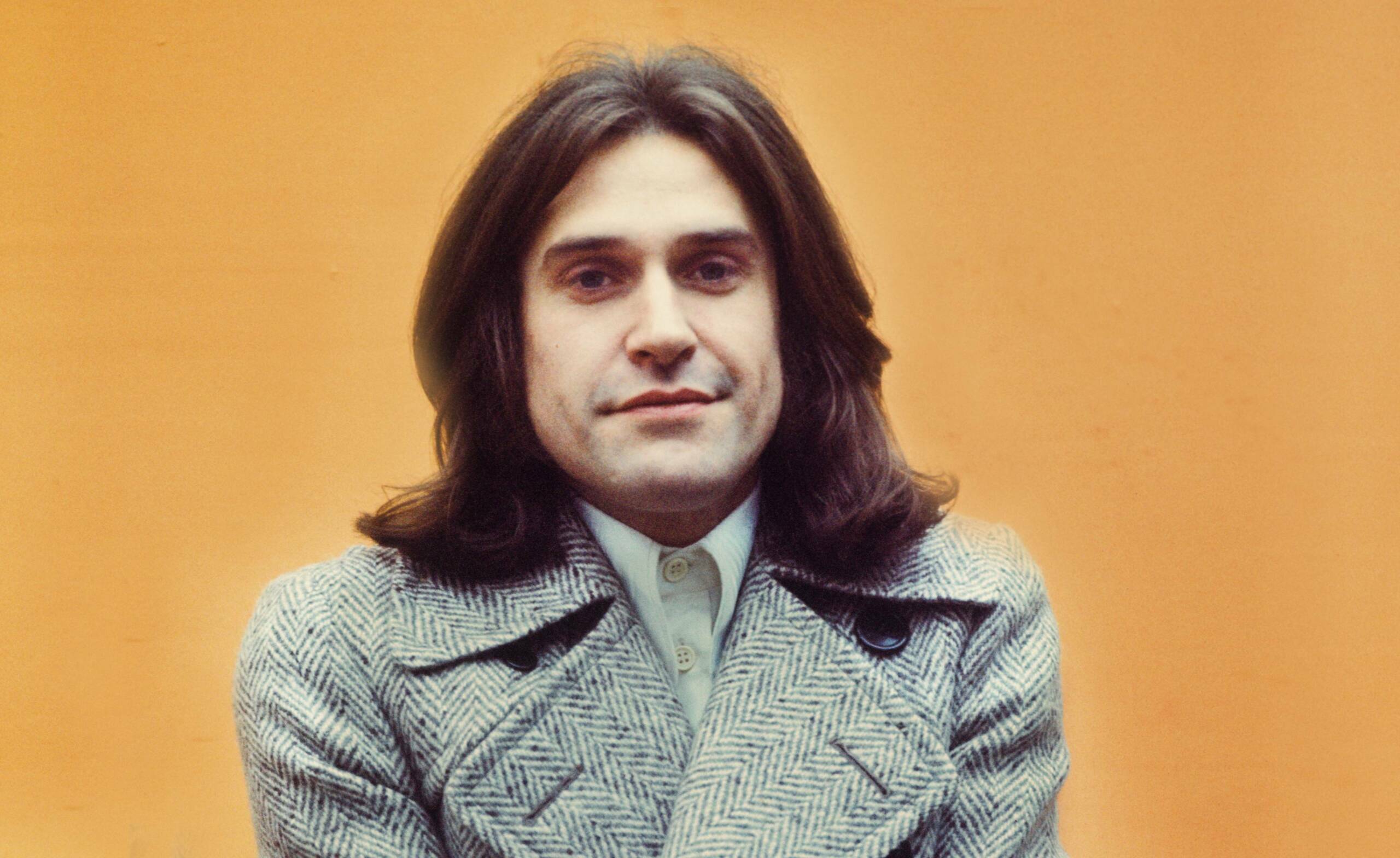
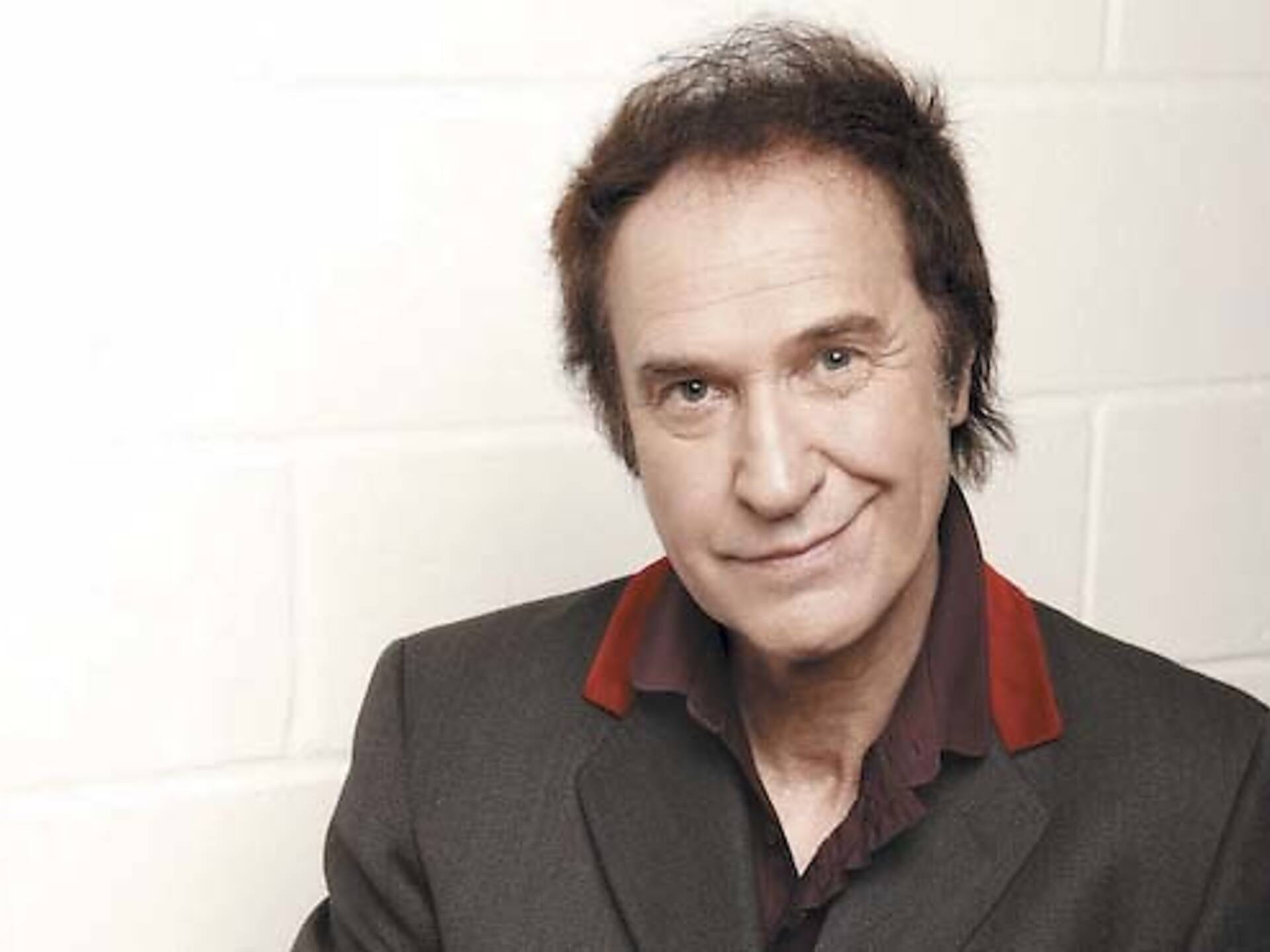
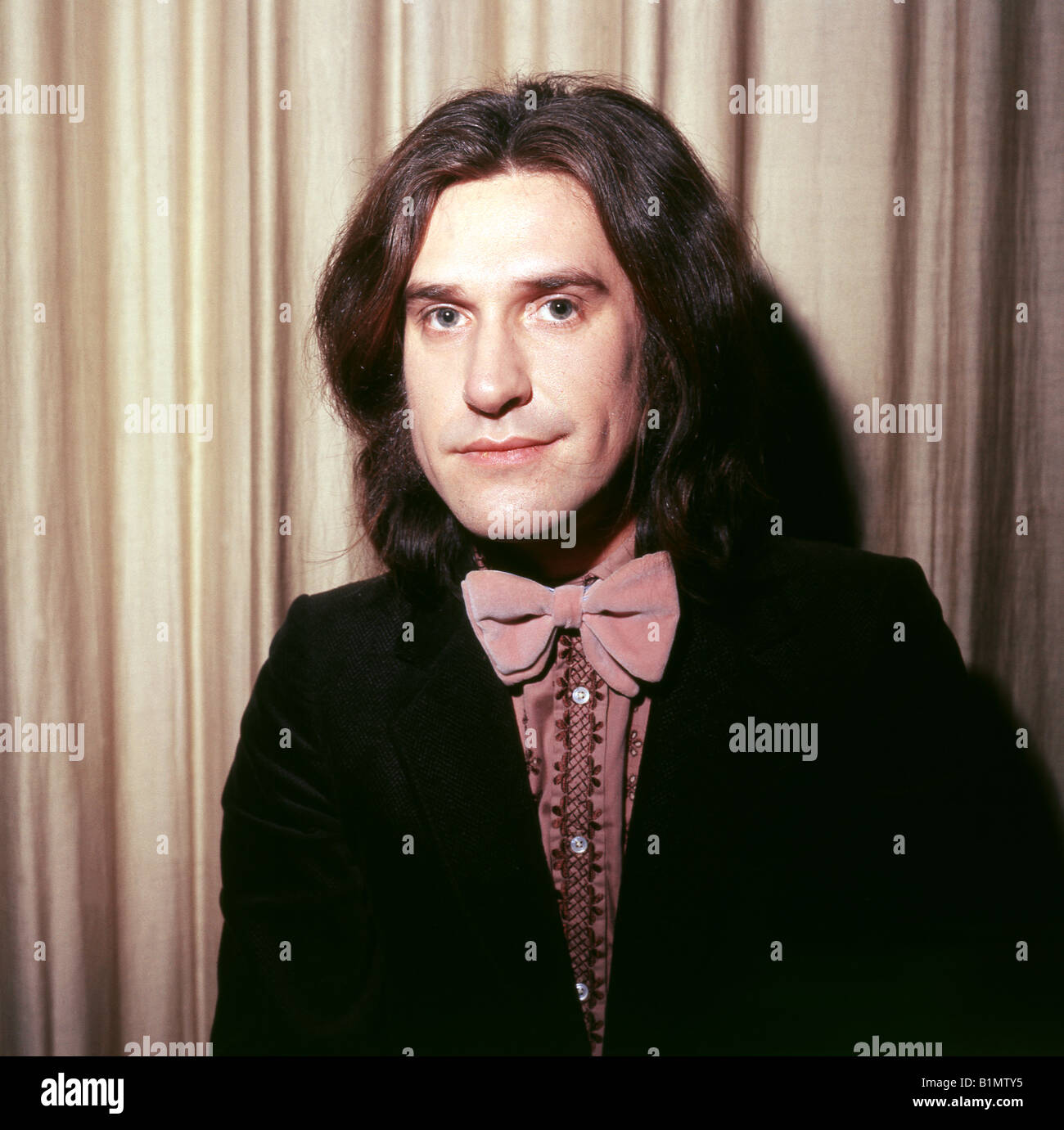
Ray Davies: A Comprehensive Biography and Musical Legacy
Ray Davies is the primary songwriter, lead vocalist, and rhythm guitarist for the legendary British rock band The Kinks. As a central figure in the 1960s British Invasion, his biography details a transformation from a blues-rock pionee...
Ray Davies is the primary songwriter, lead vocalist, and rhythm guitarist for the legendary British rock band The Kinks. As a central figure in the 1960s British Invasion, his biography details a transformation from a blues-rock pioneer to a sophisticated social commentator and knighted icon of English musical heritage.
Contents
The biographical arc of Ray Davies, as documented across historical records and platforms like Wikipedia, is not merely a chronicle of a rock star, but a study of a literary figure within the medium of popular music. Born Raymond Douglas Davies on June 21, 1944, in Muswell Hill, London, he would go on to reshape the landscape of rock and roll by infusing it with music hall traditions, biting satire, and profound nostalgia. As of 2026, his body of work remains a fundamental pillar of the British cultural canon, influencing generations of Britpop artists and contemporary songwriters.
Early Life and the Foundations of Muswell Hill
The roots of Ray Davies' artistic identity are firmly planted in the post-war environment of North London. Born into a working-class family at 6 Denmark Terrace, Muswell Hill, Ray was the seventh of eight children. His upbringing was characterized by a distinct gender dynamic, as he had six older sisters and one younger brother, Dave Davies. This environment proved pivotal; his sisters introduced him to jazz, swing, and early rock and roll, while the local pubs and family gatherings instilled in him an appreciation for the communal "sing-along" culture of the English music hall.
Ray attended the Hornsey College of Art in London between 1962 and 1963. His time at art school was instrumental in developing his observational eye. Like many of his contemporaries, such as Pete Townshend and John Lennon, the art school background encouraged him to view music as a conceptual medium rather than just entertainment. It was during this period that he and Dave began performing in various bands, eventually forming the group that would become The Kinks.
The Rise of The Kinks and the British Invasion
The early biography of The Kinks is marked by a sudden, explosive success. In 1964, after two unsuccessful singles, the band released "You Really Got Me." Featuring a distorted power-chord riff played by Dave Davies (achieved by slashing the speaker cone of his amplifier), the song was a global hit. Ray's songwriting at this stage was visceral and direct, helping to lay the groundwork for what would eventually become hard rock and heavy metal.
However, Ray Davies quickly moved away from the standard rhythm and blues template. By 1965, songs like "A Well Respected Man" and "Where Have All the Good Times Gone" signaled a shift toward social observation. While their peers were exploring psychedelia or American soul, Ray began documenting the nuances of the British class system and the fading glory of the British Empire. This "Englishness" became his trademark, setting The Kinks apart from the more internationally-focused Beatles and Rolling Stones.
The Four-Year US Touring Ban: A Turning Point
One of the most consequential chapters in any Ray Davies biography is the 1965 ban imposed by the American Federation of Musicians. Due to various altercations on stage and backstage, as well as a perceived "unprofessional" attitude during their first US tour, the band was barred from performing in the United States for four years.
This period of exile from the world's largest music market was financially devastating but artistically liberating for Ray. Unable to tour America, he stopped trying to appeal to American tastes. Instead, he doubled down on his exploration of English themes. This era produced what many critics consider his masterpieces:
- Something Else by The Kinks (1967): Featuring "Waterloo Sunset," a song widely regarded as one of the most beautiful in the English language.
- The Kinks Are the Village Green Preservation Society (1968): A conceptual look at the loss of traditional English life. While it was a commercial failure upon release, it is now cited as one of the greatest albums of all time.
- Arthur (Or the Decline and Fall of the British Empire) (1969): A rock opera detailing the life of an emigrating Englishman.
The Theatrical Era and Stadium Rock
When the US ban was lifted in 1969, Ray Davies led the band into a more theatrical phase. Throughout the early 1970s, he produced ambitious concept albums and stage shows such as Preservation Act 1 & 2, Soap Opera, and Schoolboys in Disgrace. These projects showcased his ability to write for characters and narrative, though they often polarized fans and critics who missed the band's simpler rock roots.
In the late 1970s and early 1980s, Ray successfully pivoted The Kinks toward a "stadium rock" sound. Albums like Low Budget (1979) and Give the People What They Want (1981) saw the band reclaiming their popularity in the United States. The 1982 hit "Come Dancing" became one of their biggest successes, ironically using a nostalgic look at the big band era to achieve modern pop chart dominance. This era proved Ray's versatility as both a niche conceptualist and a mass-market hitmaker.
Solo Career and Literary Endeavors
Following the unofficial dissolution of The Kinks in the mid-1990s, Ray Davies embarked on a productive solo career. His biography during this time reflects a man coming to terms with his own mythos. He published an "unauthorized autobiography" titled X-Ray in 1994, which used a unique narrative frame involving a futuristic interviewer.
His solo albums, such as Other People's Lives (2006) and Working Man's Café (2007), continued his tradition of astute social commentary. In 2017 and 2018, he released Americana and Our Country: Americana Act II, based on his memoir Americana. These works explored his complicated relationship with the United States—the country that had banned him, then embraced him, and where he was nearly killed in a 2004 shooting during a mugging in New Orleans.
Key Milestones and Honors
The significance of Ray Davies' contribution to music has been recognized with numerous prestigious awards. His legacy is defined by his ability to bridge the gap between high art and popular culture.
| Year | Milestone/Award | Significance |
|---|---|---|
| 1990 | Rock and Roll Hall of Fame | Inducted as a member of The Kinks. |
| 1994 | X-Ray Publication | A unique literary approach to the rock autobiography. |
| 2004 | CBE (Commander of the Order of the British Empire) | Recognized for services to music by Queen Elizabeth II. |
| 2005 | UK Music Hall of Fame | Inducted for his lasting influence on British music. |
| 2014 | Sunny Afternoon Musical | Premiered in London, winning four Olivier Awards. |
| 2017 | Knighthood | Invested as Sir Raymond Davies for services to the arts. |
The Enduring Influence of "Englishness"
Ray Davies is often referred to as the "Poet Laureate of Pop." His influence is most visible in the Britpop movement of the 1990s. Bands like Blur, Oasis, and Pulp drew heavily from his lyrical style, which blended kitchen-sink realism with a touch of the cynical. Damon Albarn of Blur, in particular, has frequently cited Ray as his primary influence for writing songs about specific British locations and social archetypes.
Beyond the UK, his impact is felt in the indie rock scene, where his "Village Green" ethos—protecting the idiosyncratic and the local from the homogenizing forces of modernity—resonates with artists seeking authenticity. As of 2026, his work is studied in academic settings for its insights into post-war British identity, making his Wikipedia biography a resource not just for music fans, but for social historians.
Frequently Asked Questions
Why were Ray Davies and The Kinks banned from the US?
The American Federation of Musicians (AFM) refused to issue work permits to The Kinks from 1965 to 1969. The exact reasons were never officially documented, but they stemmed from a series of disputes during their 1965 tour, including a physical altercation between Ray and a TV producer on The Dick Clark Show, and general infighting within the band. This ban is considered one of the most pivotal events in rock history, as it forced Ray to focus on introspective, English-centric songwriting.
Is Ray Davies still active in music in 2026?
Yes, Ray Davies remains an active figure in the music industry. While large-scale touring has slowed, he continues to work on archival projects, such as the extensive "Kinks 60" anniversary box sets that began in 2024. He is also frequently involved in theatrical adaptations of his work and occasional solo performances or collaborative projects with other artists.
What is the relationship between Ray and his brother Dave Davies?
The relationship between Ray and Dave Davies is one of the most famous sibling rivalries in rock history. While they have had periods of intense conflict and estrangement, their creative chemistry was the engine behind The Kinks. In recent years, both have spoken more warmly about each other in interviews, though a full-scale Kinks reunion has remained a subject of constant speculation rather than a permanent reality.
Did Ray Davies write all of The Kinks' hits?
Ray Davies wrote the vast majority of The Kinks' material, including almost all of their charting hits. While Dave Davies wrote several notable songs (such as "Death of a Clown") and provided the band's signature guitar sound, Ray was the undisputed conceptual leader and primary lyricist, responsible for their shift toward thematic and narrative-driven albums.
Has Ray Davies been knighted?
Yes, Ray Davies was awarded a Knighthood in the 2017 New Year Honours for his services to the arts. He was officially knighted by Prince Charles (now King Charles III) at Buckingham Palace. He previously received a CBE in 2004.
Recommendation for Further Exploration
To fully appreciate the depth of Ray Davies’ biography, one should move beyond text-based records and engage with the chronological progression of his music. Start with the "golden era" singles (1964–1970) to understand his evolution from a riff-based rocker to a storyteller. For those interested in the more personal side of his history, his 1994 book X-Ray provides a surreal but deeply insightful look into his psyche that a standard biography cannot capture. Finally, visiting the Muswell Hill area of London offers a physical context to the places—like the Clissold Arms pub—that remain central to his identity and his songs.
Image Gallery