How a Credit Lawyer Can Protect Your Business
A credit lawyer protects your business by leveraging federal and state statutes to resolve credit reporting errors, defend against predatory collection practices, and negotiate debt restructuring. Unlike credit repair services, attorne...
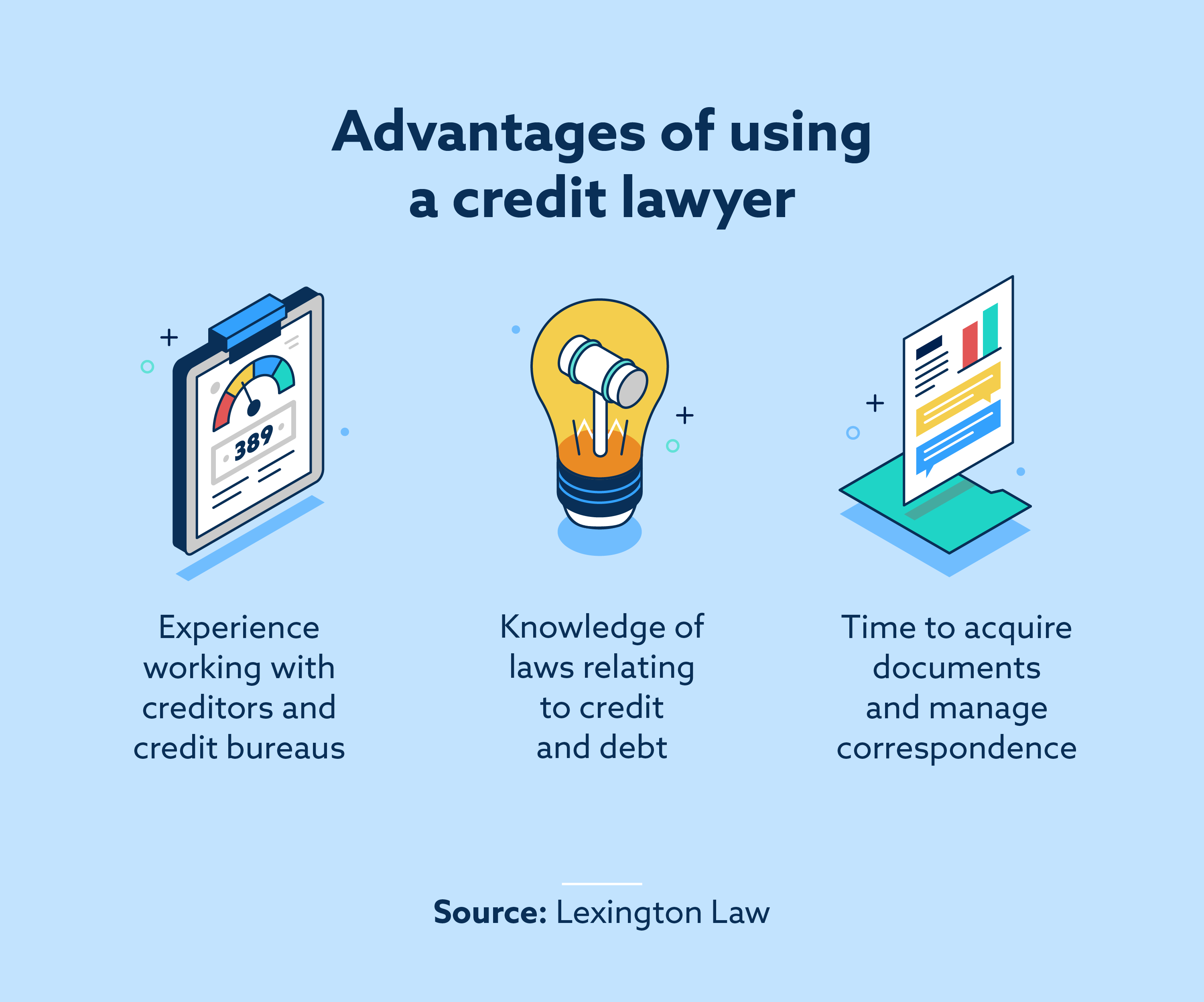
A credit lawyer protects your business by leveraging federal and state statutes to resolve credit reporting errors, defend against predatory collection practices, and negotiate debt restructuring. Unlike credit repair services, attorneys provide legal representation in court, ensuring compliance with the Fair Credit Reporting Act (FCRA) and the Fair Debt Collection Practices Act (FDCPA) to safeguard your corporate borrowing power.
Contents
The financial health of a business is inextricably linked to its credit profile. In 2026, as credit scoring models increasingly rely on automated algorithms and alternative data, the margin for error has narrowed. A single reporting inaccuracy or an unresolved dispute can lead to increased interest rates, denied lines of credit, or the cancellation of vendor contracts. For many business owners, the complexity of credit law requires more than just administrative filing; it requires specialized legal advocacy to navigate the nuances of commercial and consumer credit regulations.
Navigating the Legal Landscape of Business Credit
Credit lawyers operate at the intersection of financial regulation and litigation. Their primary role is to ensure that credit bureaus, financial institutions, and debt collectors adhere to strict legal standards when reporting or pursuing a business's financial obligations. While many entrepreneurs assume credit issues are merely "errors" that can be fixed with a phone call, these problems often stem from systemic violations of the Fair Credit Reporting Act (FCRA).
An attorney specializing in this field understands that credit reporting agencies (CRAs) are legally required to maintain "reasonable procedures" to ensure maximum possible accuracy of the information they distribute. When a business discovers a discrepancy—such as a paid lien still appearing as active or a misattributed bankruptcy—a lawyer does not just file a dispute. They build an evidentiary record. This includes sending formal demand letters and, if necessary, initiating litigation to compel the bureau to correct the record and potentially pay damages for the financial harm caused by their negligence.
Furthermore, in 2026, the integration of personal and business credit remains a critical vulnerability for small to mid-sized enterprises (SMEs). Many lenders require personal guarantees, meaning a mistake on an owner's personal credit report can directly disqualify the business from obtaining a commercial loan. A credit lawyer provides a holistic defense, protecting both the entity's and the individual's credit standing to ensure the business remains operational and fundable.
Rectifying Reporting Errors and Inaccuracies
One of the most immediate ways a credit lawyer protects a business is through the formal dispute and litigation process regarding reporting errors. Inaccuracies are remarkably common; data from the Federal Trade Commission (FTC) has historically shown that a significant percentage of credit reports contain material errors. For a business, these errors often manifest as "mixed files," where the credit history of a similarly named but unrelated business is merged with yours, or "re-aging" of old debts that should have legally fallen off the report.
A credit lawyer approaches these errors through a process known as affirmative litigation. When a dispute is filed, the CRA has a statutory timeframe (usually 30 to 45 days) to investigate. If they fail to conduct a "reasonable investigation" or if they refuse to remove verifiably false information, the lawyer can file a federal lawsuit. Under the FCRA, if the violation is proven to be willful or even negligent, the business may be entitled to actual damages, statutory damages, and the recovery of attorney’s fees.
This legal leverage is something a standard credit repair company cannot offer. While a repair company might send repetitive "form letters" that bureaus often ignore or flag as frivolous, a letter on an attorney's letterhead carries the implicit threat of a lawsuit. This often forces creditors and bureaus to take the dispute seriously, leading to faster resolutions and the restoration of the business’s creditworthiness.
Defense Against Aggressive Debt Collection and Litigation
Businesses frequently encounter disputes with vendors, landlords, or lenders that escalate into debt collection efforts. In these scenarios, a credit lawyer acts as a shield. They ensure that all collection attempts comply with the Fair Debt Collection Practices Act (FDCPA) and relevant state laws. Although the FDCPA primarily covers consumer debt, many states have expanded these protections to small businesses, and attorneys can often find overlap when personal guarantees are involved.
When a business is sued for a debt, a credit lawyer provides a rigorous defense by:
- Verifying the Debt: Demanding proof that the plaintiff actually owns the debt and that the amount calculated is accurate, including interest and fees.
- Challenging Standing: In the secondary debt market, debt buyers often lack the proper chain of title documentation to prove they have the right to sue.
- Identifying Statues of Limitations: Many debt collection lawsuits are filed after the legal timeframe for collection has expired. A lawyer can move to have these cases dismissed immediately.
By defending these suits, a lawyer prevents a default judgment from being entered against the business. A judgment is one of the most damaging items that can appear on a credit report, often resulting in frozen bank accounts, seized assets, and a total cessation of new credit offers. Preventing the judgment is far more effective than trying to remove it after the fact.
Strategic Debt Negotiation and Restructuring
Beyond litigation, credit lawyers are expert negotiators. If a business is struggling with genuine debt, a lawyer can facilitate a "workout" or a settlement agreement that protects the company's long-term credit health. Unlike debt settlement firms that may advise clients to stop paying all bills—a tactic that destroys credit scores—a lawyer analyzes the specific legal vulnerabilities of the creditors to gain leverage.
For example, if a lender has violated disclosure requirements under the Truth in Lending Act (TILA) or if there are usury law concerns regarding high-interest merchant cash advances (MCAs), a lawyer can use these violations to negotiate a significant reduction in the principal balance or an extension of payment terms. This "legal-first" approach to negotiation ensures that the final agreement is legally binding and includes clauses that prevent the creditor from reporting the settlement in a way that further damages the business's credit score.
As of 2026, many businesses are also navigating the complexities of post-pandemic financial restructuring. A credit lawyer can help determine if a formal restructuring, such as a Subchapter V Chapter 11 bankruptcy, is the best path to protect assets while maintaining operations. They provide the counsel necessary to understand how such a move will impact the business's ability to re-enter the credit market in the future.
Comparing Professional Credit Assistance
It is vital for business owners to distinguish between the various types of credit assistance available in the market. The following table illustrates the differences between a licensed credit lawyer and a standard credit repair organization (CRO).
| Feature | Credit Lawyer (Attorney) | Credit Repair Organization (CRO) |
|---|---|---|
| Legal Representation | Can represent you in state and federal court. | Cannot represent you in court; administrative only. |
| Litigation Power | Can sue bureaus and creditors for damages. | Limited to sending dispute letters. |
| Privilege | Attorney-client privilege protects your data. | No legal privilege; data may be discoverable. |
| Fee Structure | Often hourly or contingency-based for lawsuits. | Monthly subscription or "per-item" deleted. |
| Compliance Focus | Deep understanding of FCRA, FDCPA, UCC. | Focuses on credit bureau internal policies. |
| Entity Type | Law Firm. | Service Provider/Telemarketer. |
Protecting the Business Owner's Personal Assets
For most small business owners, the line between personal and business finances is blurred. Lenders often require a UCC-1 financing statement, which creates a lien against business assets, and a personal guarantee from the owner. If the business credit fails, the owner’s personal assets—including their home, savings, and personal credit score—are often at risk.
A credit lawyer protects these assets by auditing loan documents for overreaching clauses or "confessions of judgment" that might be illegal in certain jurisdictions. In 2026, several states have moved to restrict the use of confessions of judgment in commercial transactions, and a lawyer can ensure these are not used to bypass the owner’s due process rights.
If a lender attempts to pierce the "corporate veil" to reach an owner's personal assets during a credit dispute, the lawyer provides the necessary defense to maintain the legal separation between the individual and the entity. This protection is a cornerstone of risk management, ensuring that a business failure does not result in personal financial ruin.
When to Hire a Credit Lawyer for Your Business
While some minor credit issues can be handled internally, certain triggers should prompt a business to seek legal counsel immediately:
- Identity Theft or Fraud: If your business has been a victim of corporate identity theft, a lawyer is necessary to navigate the Consumer Financial Protection Bureau (CFPB) guidelines and police reporting requirements to clear the record.
- Lawsuit Threat: If you receive a summons and complaint regarding a commercial debt, you typically have only 20 to 30 days to respond before a default judgment is entered.
- Refusal to Correct Errors: If you have already disputed an error with a bureau like Dun & Bradstreet, Experian, or Equifax and they have verified the false information as "accurate," you need a lawyer to initiate the litigation phase.
- High-Stakes Financing: If you are preparing for a major capital raise or a mortgage for a commercial property and discover a credit issue, an attorney can often expedite the resolution through legal demand.
Frequently Asked Questions
Can a credit lawyer remove legitimate negative items from my business credit report?
No, a lawyer cannot legally remove accurate, timely, and verifiable negative information. However, they can ensure that the information is being reported 100% accurately and that it is not being kept on the report longer than the law allows. If there is any discrepancy in the reporting, they can use that as a basis for a challenge or negotiation.
How much does a credit lawyer typically cost?
Fees vary based on the complexity of the case. Some credit lawyers work on a contingency basis if they are suing a bureau for damages, meaning they only get paid if you win. For defense or negotiation, they may charge an hourly rate or a flat fee. It is important to request a fee agreement upfront to understand the cost-benefit ratio for your business.
Is business credit governed by the same laws as personal credit?
Not entirely. The Fair Credit Reporting Act (FCRA) primarily protects "consumers," but it does apply to business owners when personal credit reports are used for business purposes. Furthermore, the Equal Credit Opportunity Act (ECOA) applies to both business and consumer credit, prohibiting discrimination. Many state-level versions of the FDCPA also provide protections for small businesses.
Can a credit lawyer stop a UCC-1 lien from being filed?
A credit lawyer can challenge an improperly filed UCC-1 lien. If a creditor files a lien without a valid security agreement or fails to terminate a lien after the debt is paid, a lawyer can file a "wrongful lien" action or a demand for a termination statement under the Uniform Commercial Code (UCC).
How long does the process take when working with a lawyer?
Dispute resolutions typically follow the 30-to-45-day statutory windows set by the FCRA. However, if a lawsuit is required to fix a persistent error or defend against a debt collector, the process can take several months. A lawyer can often secure a temporary "stay" or provide documentation to your lenders explaining the pending legal action to mitigate immediate credit damage.
Does hiring a lawyer look bad to future lenders?
Actually, the opposite is often true. Successfully resolving a credit dispute through legal channels results in a cleaner, more accurate credit profile. Lenders prefer a business that takes active steps to protect its financial integrity and ensure its data is reported correctly.
Practical Recommendation
If your business is currently facing credit challenges or reporting inaccuracies, do not rely solely on automated online dispute tools provided by the bureaus. These tools often require you to waive certain legal rights, such as the right to join a class-action lawsuit. Instead, gather all relevant financial documents, including payment proofs and correspondence with creditors, and consult with a qualified credit attorney. A formal legal audit of your business credit profile can identify hidden liabilities and provide a strategic roadmap for restoring your company's financial reputation and borrowing power.
Image Gallery