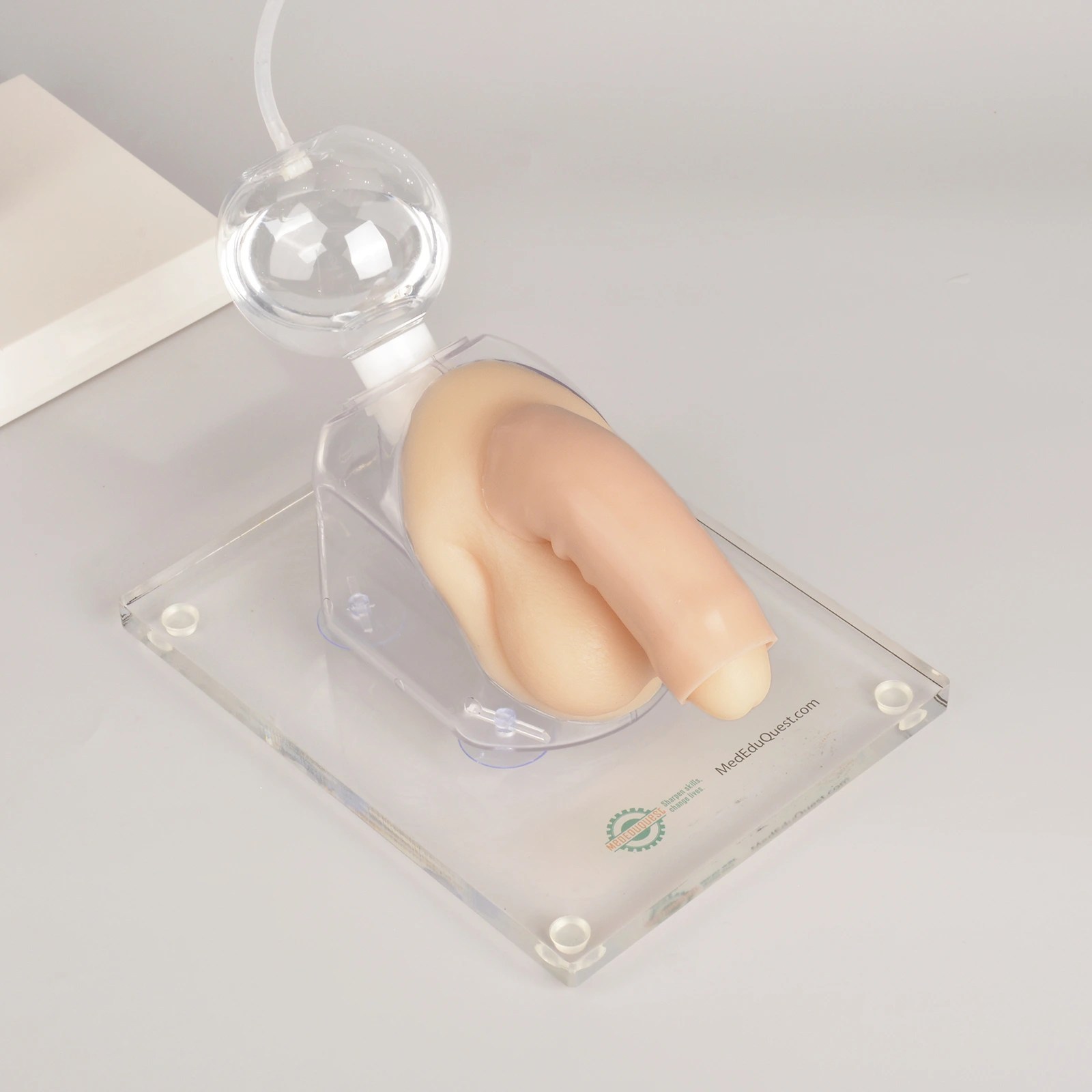
Comprehensive Guide to Male Urinary Catheterization: Procedures, Equipment, and Management
Male urinary catheterization is a clinical procedure involving the insertion of a flexible tube through the urethra into the bladder to facilitate urine drainage. It is primarily used to treat acute urinary retention, monitor output in...
Male urinary catheterization is a clinical procedure involving the insertion of a flexible tube through the urethra into the bladder to facilitate urine drainage. It is primarily used to treat acute urinary retention, monitor output in critically ill patients, or manage chronic bladder dysfunction. The process requires strict sterile technique and careful navigation of the male anatomy.
Contents
Understanding the Clinical Indications for Male Catheterization
In 2026, the medical community continues to emphasize the importance of minimizing catheter use to prevent healthcare-associated infections. However, male catheterization remains an essential intervention in several specific clinical scenarios. Understanding these indications is the first step for healthcare providers and patients in ensuring the procedure is necessary and safe.
Acute and Chronic Urinary Retention The most common indication is urinary retention, where a patient is unable to void voluntarily. In men, this is frequently caused by Benign Prostatic Hyperplasia (BPH), urethral strictures, or neurological conditions like spinal cord injuries. If left untreated, retention can lead to bladder distention, extreme pain, and eventual renal failure due to back-pressure on the kidneys.
Perioperative Monitoring and Surgical Support During long surgical procedures, especially those involving the pelvic region, abdominal cavity, or cardiovascular system, a catheter is used to monitor fluid balance with precision. It also keeps the bladder empty during pelvic surgeries, reducing the risk of accidental puncture and providing better visualization for the surgeon.
Diagnostic and Therapeutic Applications Catheters serve as a conduit for diagnostic tests, such as urodynamic studies or cystograms, where contrast dye must be introduced into the bladder. They are also used for the administration of intravesical medications, such as chemotherapy or BCG treatments for bladder cancer.
Anatomical Considerations in the Male Patient
The male urethra presents unique challenges compared to the female urethra. It is significantly longer, typically measuring between 18 and 22 centimeters, and follows an "S-shaped" path. Successful catheterization requires a deep understanding of this anatomy to avoid trauma and "false passages."
The Three Sections of the Male Urethra
- The Prostatic Urethra: This section passes through the prostate gland. In older men, an enlarged prostate can compress this passage, making it the most common site of resistance during insertion.
- The Membranous Urethra: A short, narrow segment that passes through the urogenital diaphragm. This area is surrounded by the external urethral sphincter and is highly sensitive to trauma.
- The Spongy (Penile) Urethra: The longest section, extending from the end of the membranous urethra to the external urethral orifice (meatus).
To navigate these sections effectively, clinicians must "straighten" the urethra by holding the penis at a 90-degree angle to the body during the initial phase of insertion. This maneuver minimizes the natural curves and allows the catheter to glide more easily toward the bladder.
Types of Catheters and Equipment Selection
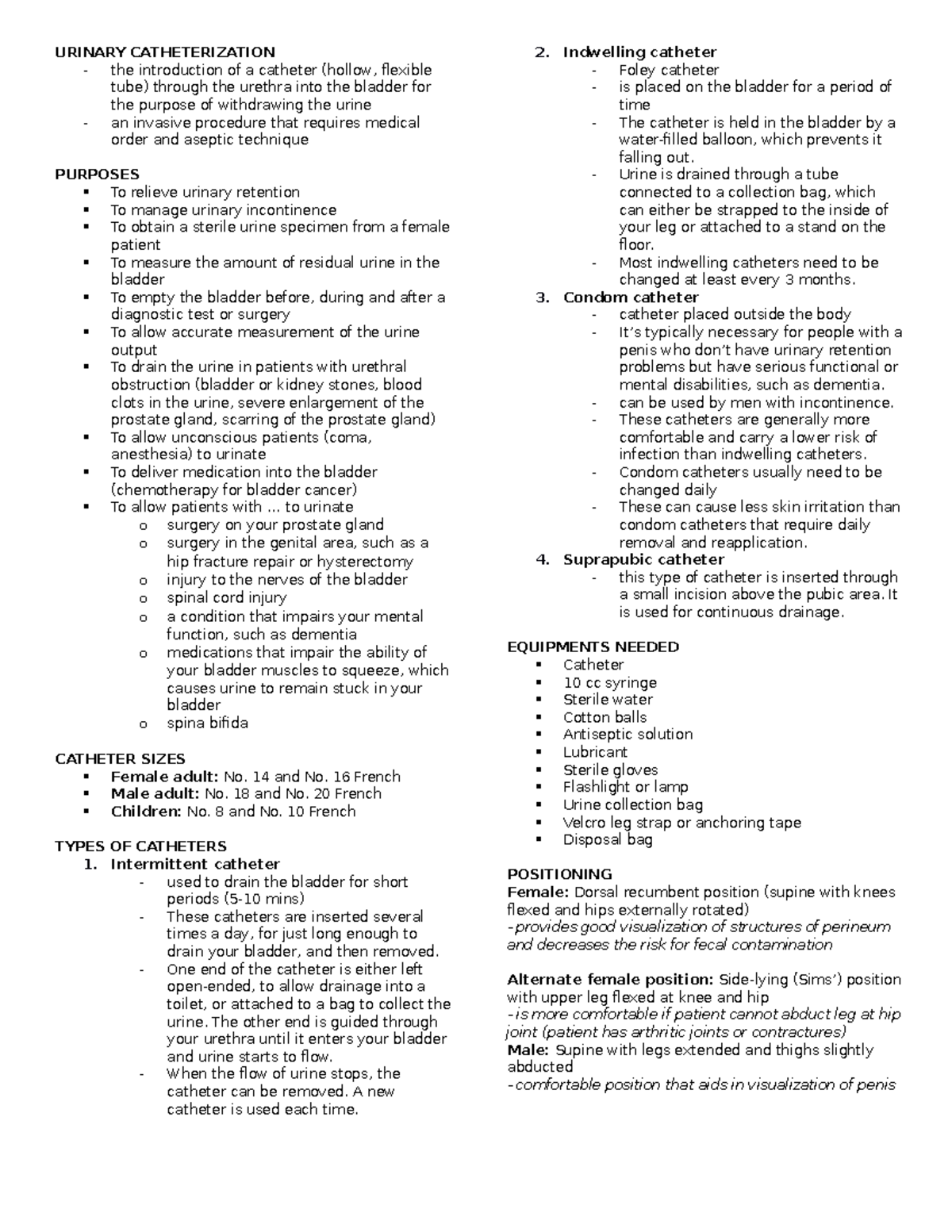
Selecting the correct equipment is vital for patient comfort and the prevention of complications. Catheters are measured on the Charrière (French) scale, where one unit equals 0.33 mm. Most adult men require a 14 Fr to 16 Fr catheter.
Comparison of Common Male Catheter Types
| Catheter Type | Duration of Use | Key Features | Primary Indication |
|---|---|---|---|
| Straight (Nelaton) | Short-term (Minutes) | Single-lumen, no balloon | Intermittent self-catheterization; obtaining sterile samples. |
| Foley (Indwelling) | Long-term (Days/Weeks) | Double or triple-lumen with an anchoring balloon | Continuous drainage; post-operative monitoring. |
| Coude Tip | Short or Long-term | Curved, rigid tip | Navigating prostatic obstruction or urethral strictures. |
| Condom (External) | Short-term | Non-invasive sheath | Management of male incontinence without retention. |
| Suprapubic | Permanent/Long-term | Inserted via abdominal wall | Urethral trauma; long-term bypass of the urethra. |
The Role of the Coude Tip Catheter
In male patients with BPH, a standard straight-tip Foley catheter often hits a "wall" at the prostatic urethra. The Coude tip catheter features a slight upward curve at the end. When inserted with the tip pointing toward the patient's head (the 12 o'clock position), it can "jump" over the enlarged prostate lobe, significantly reducing the risk of urethral trauma and patient distress.
The Step-by-Step Procedure for Insertion
Proper technique is non-negotiable to prevent Catheter-Associated Urinary Tract Infections (CAUTI). As of 2026, clinical guidelines mandate a "no-touch" sterile technique whenever possible.
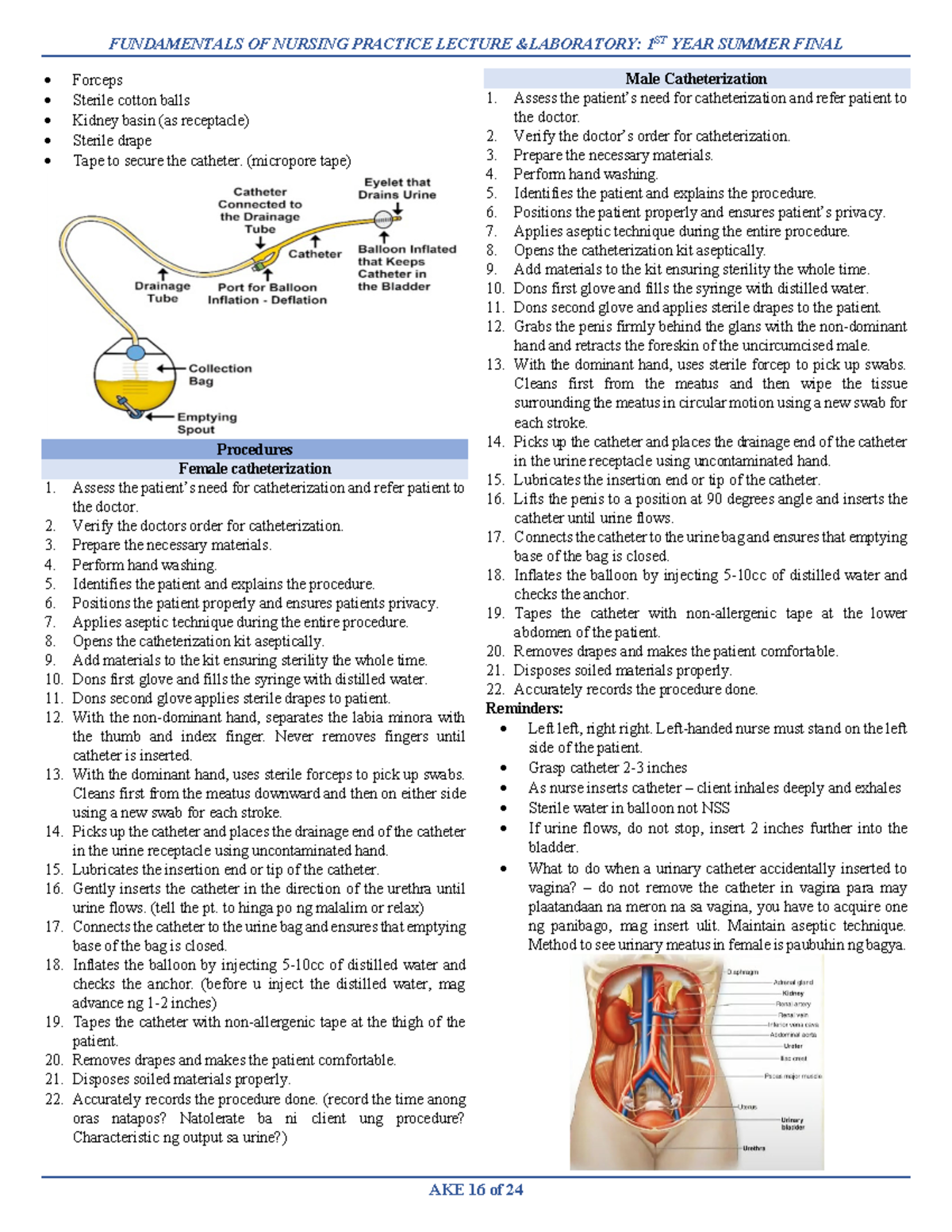
- Preparation and Consent: Explain the procedure to the patient, ensuring they understand the "why" and "how" to reduce anxiety. Perform hand hygiene and set up a sterile field on a bedside table.
- Positioning: Place the patient in a supine position with legs slightly abducted. This allows for clear access to the genitalia.
- Cleaning: Using sterile gloves and antiseptic solution (typically povidone-iodine or chlorhexidine, depending on allergies), clean the glans penis. Start at the meatus and move outward in a circular motion. If the patient is uncircumcised, gently retract the foreskin.
- Lubrication and Anesthesia: This is a critical step for male patients. Injecting 10ml of sterile, water-soluble lubricant or 2% lidocaine gel directly into the urethra is preferred over simply coating the catheter tip. This distends the urethra and provides necessary numbing.
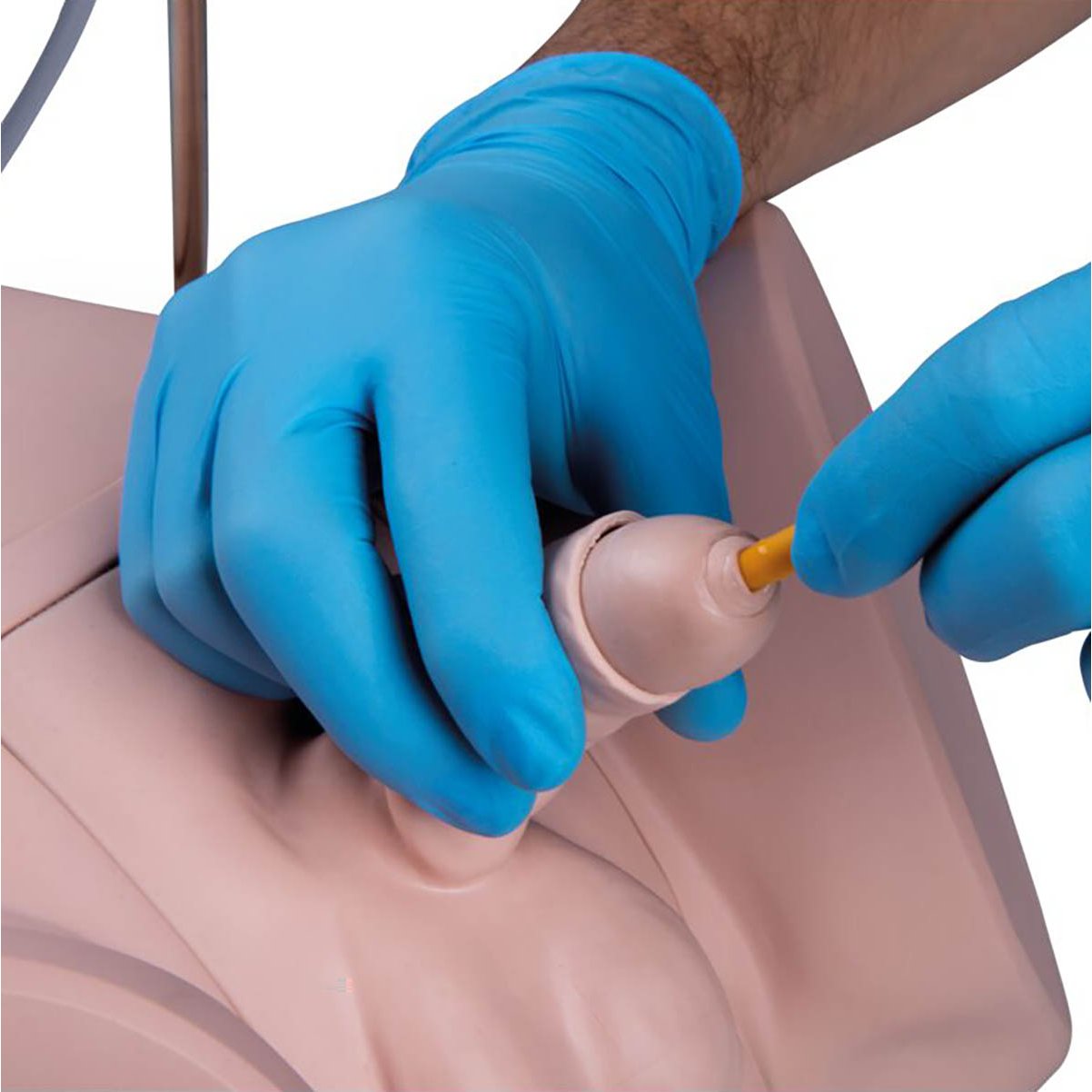
- Insertion: Hold the penis with the non-dominant hand (now considered non-sterile) at a 90-degree angle. Insert the catheter gently but firmly. If resistance is felt at the sphincter, ask the patient to take deep breaths or try to "void" to relax the muscle.
- Advancement to the Hub: In male patients, the catheter must be advanced until the "Y-hub" (the junction of the drainage and balloon ports) is reached. This ensures the balloon is fully inside the bladder and not accidentally inflated within the prostatic urethra.
- Inflation and Securement: Once urine flow is confirmed, inflate the balloon with the manufacturer-recommended volume of sterile water (usually 5-10 ml). Gently pull back until resistance is felt. Secure the catheter to the patient's upper thigh or lower abdomen using a dedicated securement device to prevent tension.
Managing Complications and Troubleshooting
Even with perfect technique, complications can arise. Recognition and early intervention are key to patient safety.
Autonomic Dysreflexia In patients with spinal cord injuries above the T6 level, bladder distention or the irritation of catheterization can trigger autonomic dysreflexia. This is a medical emergency characterized by a sudden, severe spike in blood pressure. If a patient becomes flushed, sweaty, or develops a pounding headache during the procedure, the bladder must be emptied immediately, and the stimulus removed.
Urethral Trauma and Hematuria Microscopic hematuria (blood in the urine) is common after insertion, but frank red blood or clots suggest trauma. This often happens if the balloon is inflated in the urethra. If resistance prevents the catheter from reaching the bladder, never force it. Forcing a catheter can create a "false passage," a permanent tear in the urethral wall that requires surgical repair.
Paraphimosis A common but avoidable mistake in uncircumcised men is failing to replace the foreskin after the procedure. If the foreskin remains retracted, it can act as a tourniquet, causing the glans penis to swell. This is known as paraphimosis and may require emergency dorsal slit surgery if not corrected manually.
No Urine Flow If the catheter is successfully inserted to the hub but no urine appears, the catheter may be "kinked" or plugged with lubricant. Gently irrigate with sterile saline. If the patient is severely dehydrated, urine production may simply be low. However, if the patient has a palpably full bladder and no flow occurs, the catheter tip may be lodged in a urethral fold or the prostate.
Long-term Care and Infection Prevention
For patients with indwelling catheters, the risk of infection increases by approximately 5% to 10% for every day the catheter remains in place. 2026 standards of care focus on the following maintenance protocols:
- Closed Drainage System: Never disconnect the catheter from the drainage bag unless absolutely necessary. This prevents bacteria from entering the system.
- Bag Position: Always keep the drainage bag below the level of the bladder to prevent the backflow of colonized urine.
- Daily Hygiene: Clean the meatus and the external portion of the catheter daily with mild soap and water. Avoid using powders or antibiotic ointments, which can promote resistant bacterial growth.
- Hydration: Unless contraindicated by heart or kidney disease, patients should maintain high fluid intake to "flush" the bladder naturally.
Frequently Asked Questions
What is the standard catheter size for an adult male? The standard size for most adult men is 14 Fr or 16 Fr. Using a catheter that is too large can cause urethral irritation and pressure necrosis, while one that is too small may allow urine to leak around the tube (bypassing).
Why is it necessary to advance the catheter to the "hub" in men? Because the male urethra is long, seeing urine in the tubing does not guarantee the balloon is in the bladder; the tip might be in the bladder while the balloon is still in the prostatic urethra. Advancing to the "Y-hub" ensures the balloon is safely in the bladder cavity before inflation.
Is blood in the urine normal after catheterization? A small amount of "tinged" urine or a few drops of blood at the meatus is common due to minor mucosal irritation. However, persistent bleeding, large clots, or bright red blood should be reported to a physician immediately as it indicates significant trauma.
Can a patient perform their own catheterization? Yes, this is known as Clean Intermittent Catheterization (CIC). It is often the preferred method for men with long-term retention issues (like those with spinal cord injuries) because it has a lower risk of long-term infection compared to a permanent indwelling catheter.
How often should a long-term Foley catheter be changed? Standard silicone or hydrogel-coated catheters are typically changed every 30 to 90 days, depending on the manufacturer's specifications and the patient's tendency to develop encrustations or blockages.
Practical Recommendations for Healthcare Providers
To ensure the best outcomes in male catheterization, always prioritize patient dignity and comfort. Use warmed lubricant when possible and allow the lidocaine gel sufficient time (3-5 minutes) to take effect before attempting insertion. If resistance is encountered twice at the prostate, stop and consult a urologist or use a Coude tip catheter rather than risking urethral trauma. Finally, always document the size of the catheter, the amount of water in the balloon, the patient’s tolerance, and the initial urine output volume and characteristics.
Image Gallery