Harry Potter Net Worth in Galleons: A 2026 Economic Analysis of the Wizarding World
Based on established canon and historical wizarding records, Harry Potter’s net worth at the start of his journey was approximately 50,000 Galleons in his personal trust vault (Vault 687). Following the death of Sirius Black, his wealt...
Based on established canon and historical wizarding records, Harry Potter’s net worth at the start of his journey was approximately 50,000 Galleons in his personal trust vault (Vault 687). Following the death of Sirius Black, his wealth increased substantially to include the Black family fortune in Vault 711, placing his total liquid assets well over 200,000 Galleons, excluding real estate and priceless artifacts.
Contents
Understanding the Wizarding Currency System
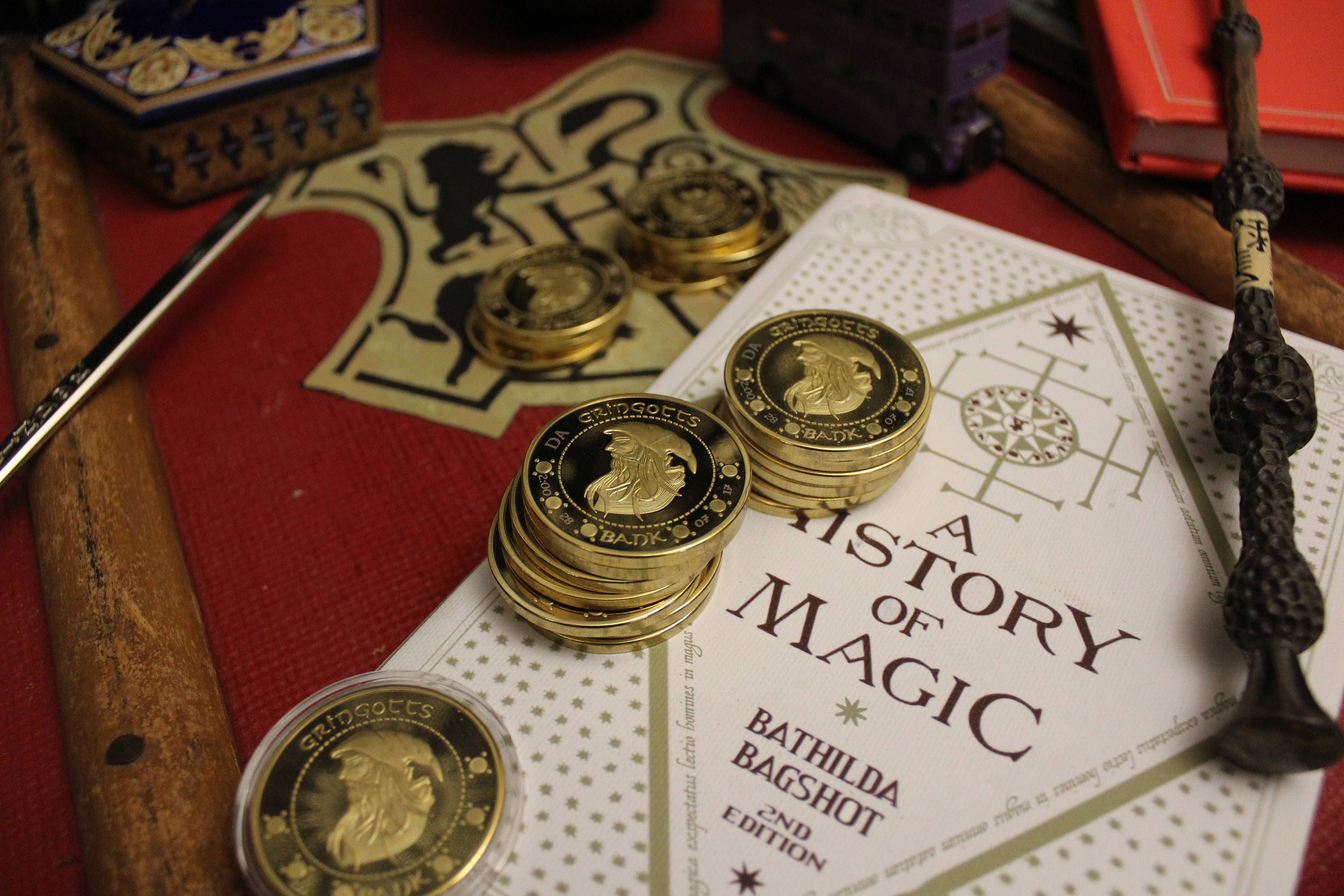
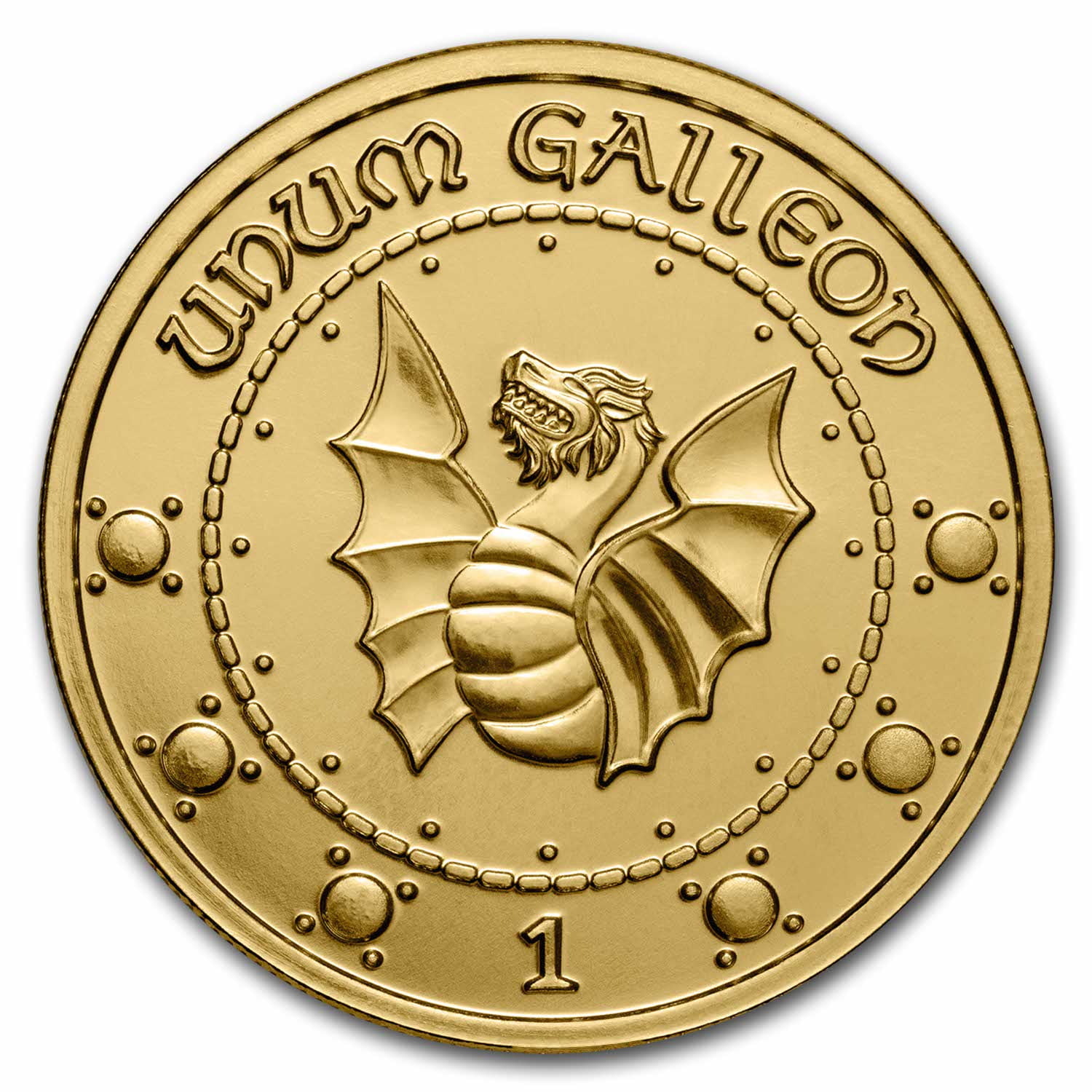
To grasp the magnitude of Harry Potter’s wealth, one must first understand the denominational structure of the British wizarding economy. Managed exclusively by Gringotts Wizarding Bank, the currency is based on a non-decimal system that often confuses those raised in the Muggle world.
The currency consists of three primary coins:
- Galleons (Gold): The highest denomination.
- Sickles (Silver): There are 17 Sickles in one Galleon.
- Knuts (Bronze): There are 29 Knuts in one Sickle, meaning there are 493 Knuts in a single Galleon.
In the wizarding world of 2026, these physical coins remain the standard, as magical society has largely bypassed the Muggle transition to digital-only banking. The weight and purity of the gold in a Galleon are protected by goblin enchantments, making the currency virtually impossible to counterfeit, though the exchange rate against the British Pound (GBP) and US Dollar (USD) remains a subject of intense economic debate.
The Valuation of a Galleon in Real-World Terms
While J.K. Rowling famously suggested that a Galleon is worth approximately £5.00 (roughly $6.50), economic analysts within the fandom and literary historians have often pointed out discrepancies between this rate and the purchasing power seen in the books.
For instance, a wand from Ollivanders costs 7 Galleons. If we use the £5.00 rate, a wand—a wizard's most essential, life-long tool—would cost only £35.00. This is remarkably low compared to the price of high-end Muggle technology or specialized tools. Consequently, many "Wizarding Economists" suggest a Purchasing Power Parity (PPP) closer to $25.00 per Galleon.
Currency Conversion Estimates (2026 Projection)
| Currency | Low Estimate (Rowling Rate) | High Estimate (Economic PPP) |
|---|---|---|
| 1 Galleon | £5.00 / $6.50 | £20.00 / $25.00 |
| 1 Sickle | £0.29 / $0.38 | £1.18 / $1.47 |
| 1 Knut | £0.01 / $0.013 | £0.04 / $0.05 |
| Harry’s Initial Vault (50,000 G) | £250,000 / $325,000 | £1,000,000 / $1,250,000 |
The Origins of the Potter Fortune
Harry Potter did not simply happen upon his wealth; he is the benefactor of generations of successful entrepreneurs and potion-makers. The Potter family, while not part of the "Sacred Twenty-Eight" (the directory of supposedly pure-blood families), was exceptionally wealthy due to several key ancestors.
Linfred of Stinchcombe
The true architect of the Potter wealth was the 12th-century wizard Linfred of Stinchcombe. Known as a "potterer" (from which the surname originated), he developed several medicinal remedies that are still in use in 2026, including Skele-Gro and Pepperup Potion. The royalties from these essential medical supplies provided a foundational wealth that grew through compound interest in Gringotts for centuries.
Fleamont Potter and Sleekeazy’s Hair Potion
In the 20th century, Harry’s grandfather, Fleamont Potter, quadrupled the family gold. He developed Sleekeazy’s Hair Potion ("two drops tames even the most bothersome barnet"), which became a massive commercial success. When Fleamont retired, he sold the company for a vast profit, which was eventually inherited by James Potter and then Harry.
The Impact of the Black Family Inheritance
While the Potter trust vault made Harry comfortably wealthy as a student, his inheritance from his godfather, Sirius Black, elevated him to the upper echelon of wizarding society’s elite.
The Black family was "The Most Noble and Ancient House of Black," and their wealth was "Old Money" in its most literal sense. Upon Sirius’s death in 1996, Harry inherited:
- Vault 711: A significant amount of gold, though the exact figure was never disclosed in Gringotts records, it was described as substantial.
- Number 12, Grimmauld Place: A prime piece of London real estate. In the Muggle market of 2026, a townhouse in the Islington area would be valued in the millions of pounds.
- Kreacher: The Black family house-elf, which, while a sentient being, was legally classified as an asset under the inheritance laws of the time.
This combination of the Potter commercial wealth and the Black ancestral fortune likely brought Harry’s liquid net worth to a level where he would never need to work for financial reasons.
Assessing the Value of Non-Liquid Assets
Net worth is not merely the gold in one’s vault; it includes physical property and artifacts. Harry Potter’s portfolio includes items that are functionally "priceless."
The Invisibility Cloak
As one of the three Deathly Hallows, Harry’s Invisibility Cloak is unique. Unlike standard cloaks that fade or become susceptible to spells over time, Harry’s cloak is everlasting and perfect. In a 2026 appraisal, such an item would be considered a "unique historical asset." Its value to collectors or the Department of Mysteries is incalculable.
Property Holdings
Beyond Grimmauld Place, Harry also inherited the ruins of the Potter cottage in Godric’s Hollow. While the house itself is a memorial and likely cannot be developed, the land remains a significant historical site.
The Weasley Factor: A Comparative Study in Wealth
To understand Harry’s "richness," one must look at the Weasley family. In Harry Potter and the Chamber of Secrets, the Weasleys' vault contained only a single Galleon and a small pile of Sickles. This highlights the wealth gap in the wizarding world.
Harry’s initial 50,000 Galleons allowed him to purchase a top-of-the-line Firebolt broomstick (estimated at several hundred Galleons) without a second thought, whereas the Weasleys struggled to afford second-hand schoolbooks. This socioeconomic standing gave Harry a level of independence that was crucial to his ability to move freely within the resistance against Lord Voldemort.
Career Earnings and Post-War Financial Status
As of 2026, Harry Potter has spent decades in the workforce. Following the Battle of Hogwarts, he joined the Ministry of Magic as an Auror. By 2007, he became the Head of the Auror Office, and later, the Head of the Department of Magical Law Enforcement.
The salary for a high-ranking Ministry official is estimated to be around 1,000 to 2,000 Galleons per month. While Harry likely did not need the income, his career has provided a steady stream of "new money" to complement his inheritance. Furthermore, his wife, Ginny Weasley, had a successful career as a professional Quidditch player for the Holyhead Harpies before becoming the Senior Quidditch Correspondent for the Daily Prophet, contributing further to the family’s household net worth.
Potential Liabilities and Philanthropy
It is important to note that Harry Potter was known for his generosity. He famously gave his 1,000 Galleon Triwizard Prize to Fred and George Weasley to start Weasleys' Wizard Wheezes. Without this venture capital, one of the most successful retail businesses in Diagon Alley might never have existed.
In the years following the war, it is highly probable that Harry contributed significantly to the rebuilding of Hogwarts and the support of war orphans, which may have reduced his total liquid assets but increased his "social capital" and legacy.
Frequently Asked Questions
Is Harry Potter considered a billionaire?
In Muggle terms, likely not. While he is very wealthy, his liquid gold (approx. 200,000+ Galleons) converts to roughly $5 million to $10 million depending on the exchange rate used. However, if you include the value of Grimmauld Place and the priceless Invisibility Cloak, his "fair market value" could climb significantly higher.
How much did the Triwizard Tournament prize help his net worth?
The 1,000 Galleon prize was a significant sum—equivalent to about 2% of his initial trust vault. However, Harry did not keep any of it, choosing instead to fund the Weasley twins' business. Therefore, it had a neutral impact on his personal net worth but a high impact on his legacy.
Does Gringotts pay interest on Galleons?
There is no evidence in wizarding lore that Gringotts operates like a Muggle fractional-reserve bank. They appear to charge for storage and security rather than paying interest on deposits. This means Harry’s wealth would not have grown through traditional banking interest, but rather through the appreciation of property and the Potter family’s historical business royalties.
What is the most expensive thing Harry ever bought?
The most expensive "discretionary" purchase Harry considered was the Firebolt. While the price is never stated, it was "price on request," a term reserved for the most expensive items in Diagon Alley. Most estimates place it between 250 and 500 Galleons.
How did the Potter family get so rich if they weren't "Ancient and Noble"?
Wealth in the wizarding world is often tied to "potions and notions." The Potters were highly skilled inventors. By creating household names like Skele-Gro and Sleekeazy’s, they tapped into the mass market of the wizarding world, creating a stream of wealth that was more sustainable than the stagnant, inherited gold of some pure-blood families.
Final Recommendation for Enthusiasts
For those looking to calculate fictional net worths or understand the economics of fantasy worlds, the key is to look at Purchasing Power Parity. Don't just look at the exchange rate; look at what a "loaf of bread" or a "pint of butterbeer" costs. In Harry’s case, his wealth provided him with the most valuable commodity of all: the ability to focus on his destiny without the distraction of financial survival.
If you are interested in the further history of the Potter family assets, the archives at Wizarding World provide the most authoritative background on the lineage of Linfred and Fleamont Potter.
Image Gallery