What to Expect at a Vein Clinic in Marietta: A Comprehensive Patient Guide
When visiting a vein clinic in Marietta, expect a comprehensive evaluation starting with a specialized duplex ultrasound and a physical examination by a vascular specialist. The process focuses on diagnosing underlying venous insuffici...
When visiting a vein clinic in Marietta, expect a comprehensive evaluation starting with a specialized duplex ultrasound and a physical examination by a vascular specialist. The process focuses on diagnosing underlying venous insufficiency and creating a tailored plan involving minimally invasive procedures like sclerotherapy or endovenous ablation, usually requiring little to no downtime.
Contents
In 2026, the standard of care for vascular health in the Marietta and greater Cobb County area has shifted heavily toward office-based, non-surgical interventions. Whether you are seeking treatment for painful varicose veins or aesthetic improvements for spider veins, understanding the clinical workflow—from the initial diagnostic mapping to post-treatment recovery—is essential for a successful outcome.
The Initial Consultation: Diagnostic Precision
The first visit to a Marietta vein clinic is rarely about the treatment itself; rather, it is a deep dive into the hemodynamics of your lower extremities. Marietta’s medical corridor, particularly around the Wellstar Kennestone district, houses several specialized centers that prioritize diagnostic ultrasound as the "gold standard" for the first appointment.
Clinical History and Physical Exam
Your appointment will begin with a detailed review of your medical history. The specialist will ask about the duration of your symptoms, such as leg heaviness, aching, swelling (edema), or nighttime cramping. Because venous issues are often hereditary, family history plays a significant role. The physical exam involves the doctor inspecting the skin for color changes, texture (such as lipodermatosclerosis), and the presence of visible varicosities or telangiectasias (spider veins).
The Role of Duplex Ultrasound
The most critical component of your first visit is the venous duplex ultrasound. Unlike a standard ultrasound, this "mapping" procedure uses high-frequency sound waves to visualize the structure of your veins and the direction of blood flow in real-time.
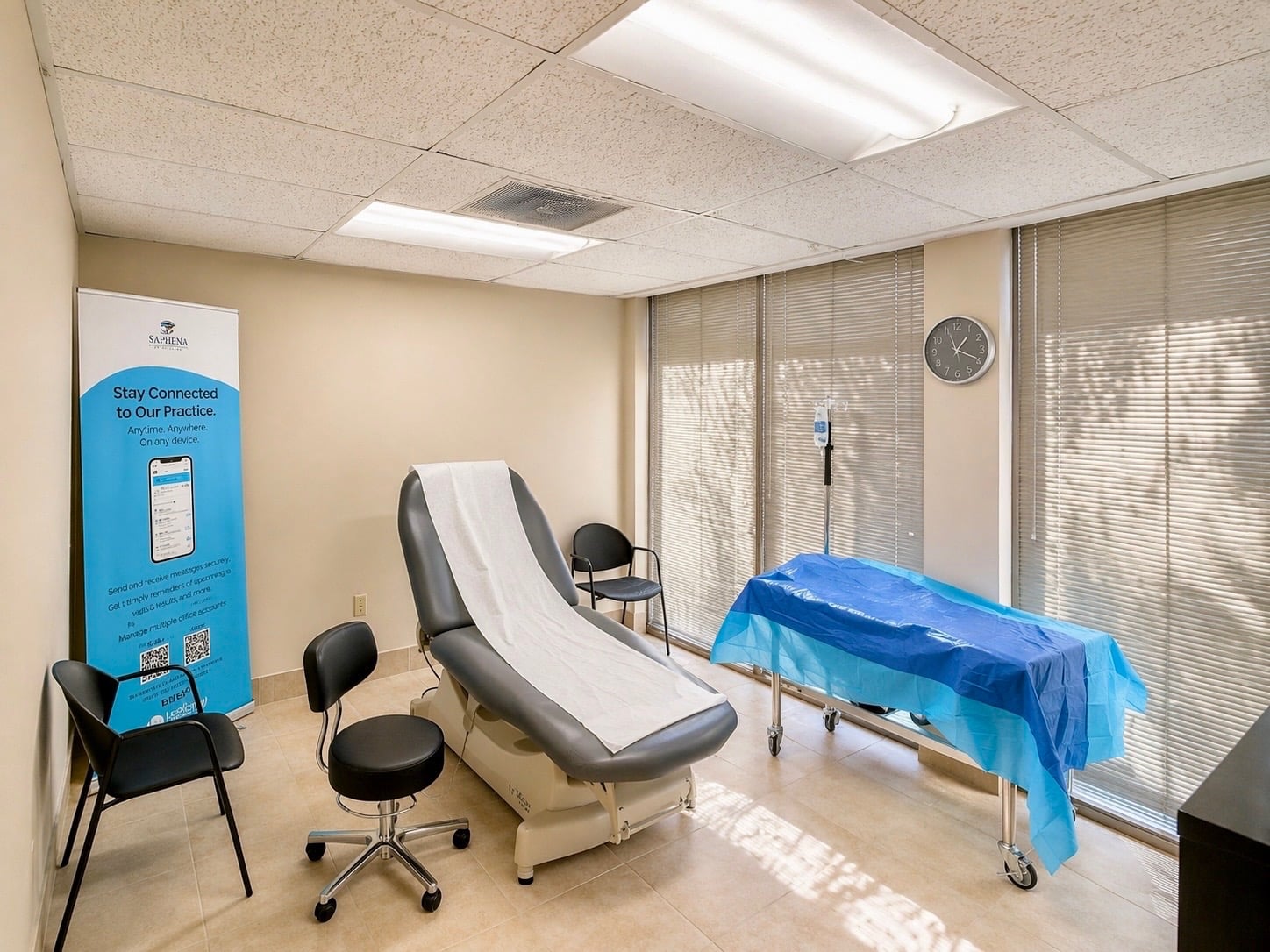
A vascular sonographer will apply gel to your legs and use a transducer to check for venous reflux. This occurs when the tiny valves in your veins fail, allowing blood to pool in the lower legs rather than returning to the heart. This diagnostic step is crucial because treating surface veins without addressing the underlying "feeder" veins often leads to a recurrence of symptoms.
Common Conditions Treated in Marietta Clinics
Modern vein clinics in the Marietta area treat a spectrum of disorders beyond simple cosmetic concerns. Understanding which category your condition falls into can help manage expectations regarding insurance coverage and treatment intensity.
- Chronic Venous Insufficiency (CVI): A condition where the venous wall and/or valves in the leg veins are not working effectively, making it difficult for blood to return to the heart from the legs.
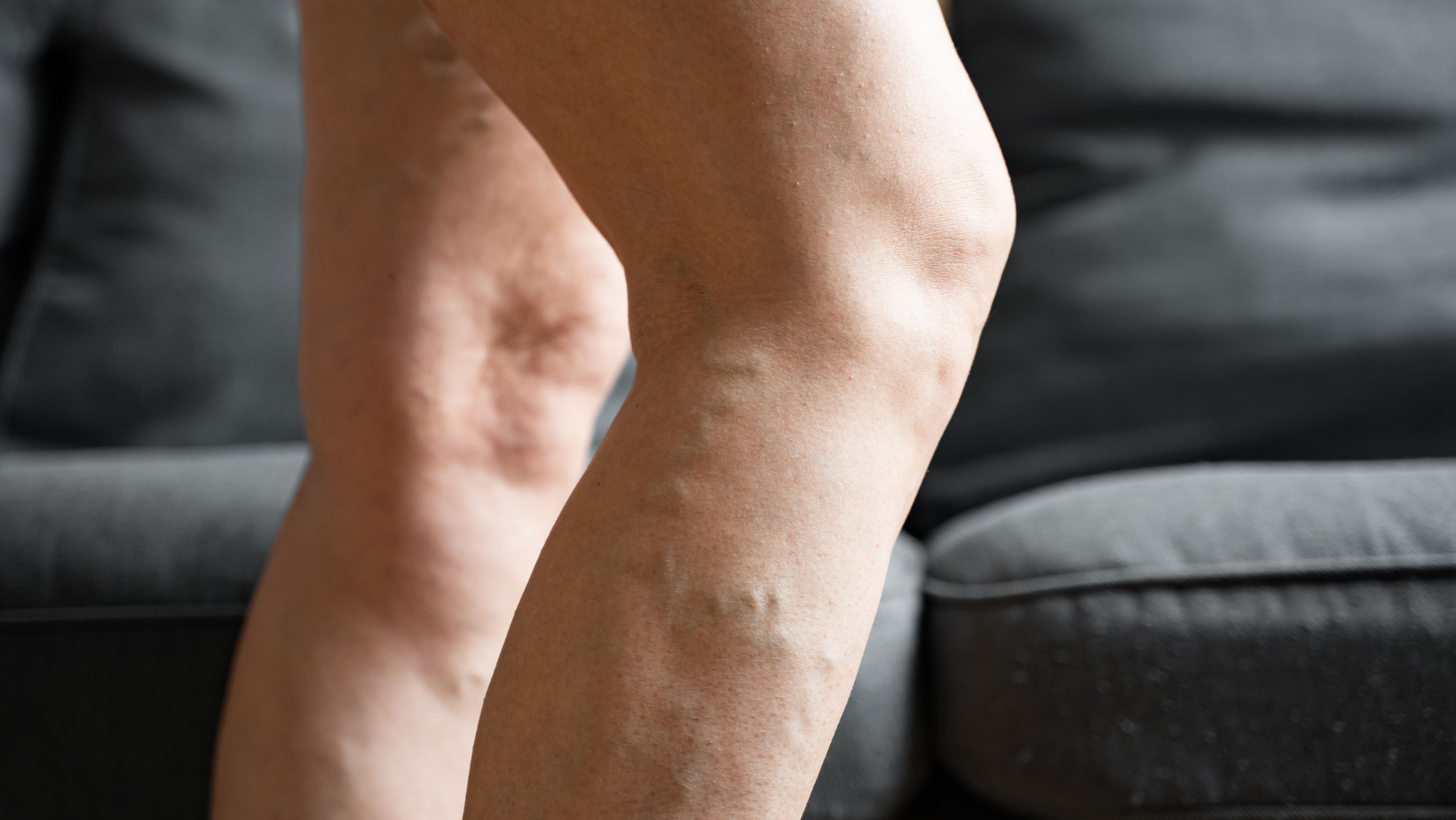
- Varicose Veins: Large, bulging, rope-like veins that can cause significant pain and lead to skin ulcers if left untreated.
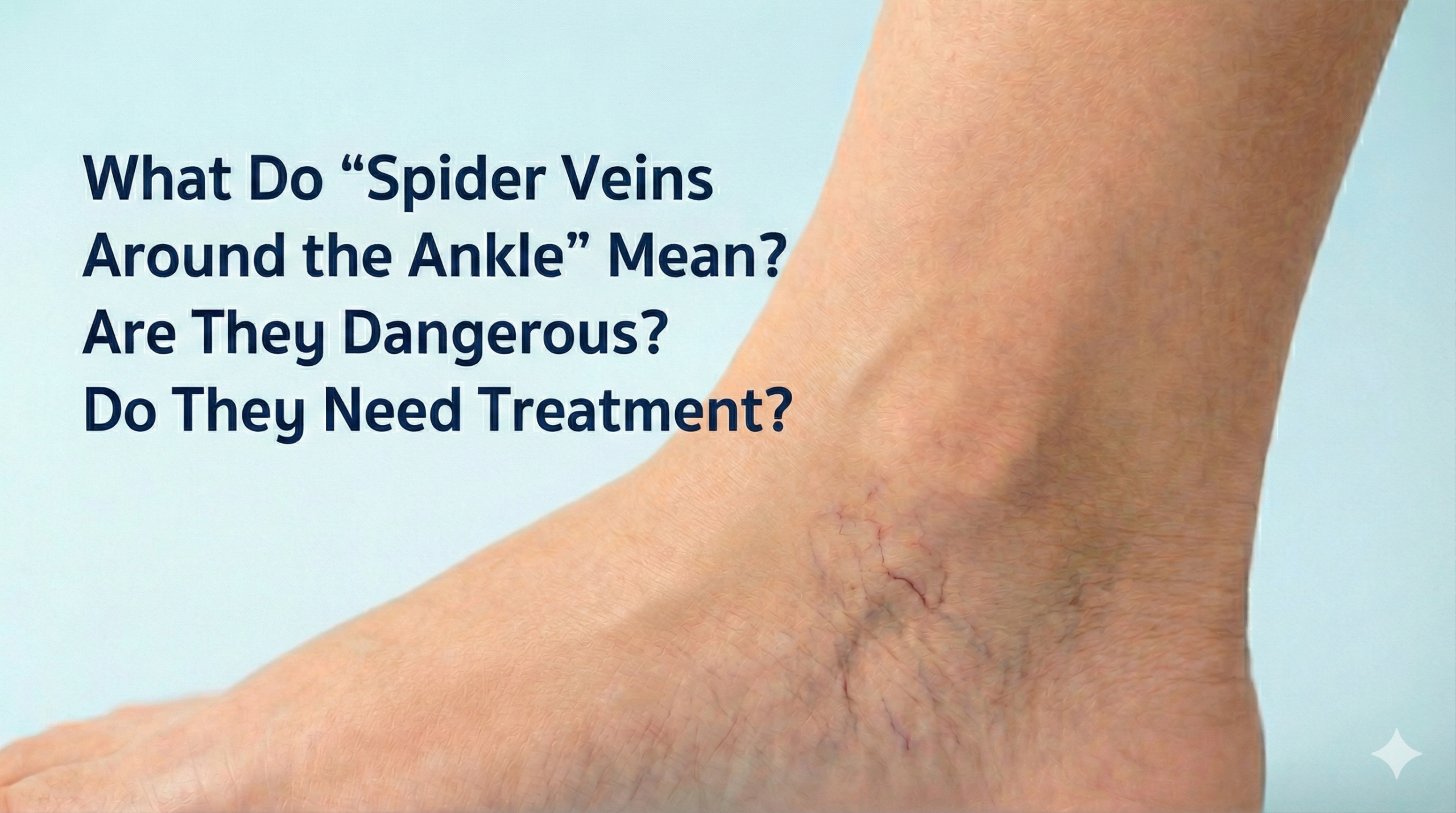
- Spider Veins: Small, damaged veins that appear on the surface of the legs or face. While often cosmetic, they can sometimes indicate deeper venous issues.
- Deep Vein Thrombosis (DVT) Monitoring: While acute DVT is often an ER matter, vein clinics provide critical follow-up care and screening for those at high risk for blood clots.
- Restless Leg Syndrome (RLS): Recent clinical data in 2026 continues to show a strong correlation between venous reflux and RLS symptoms; treating the veins can often alleviate the "creepy-crawly" sensations at night.
Minimally Invasive Treatment Modalities
By 2026, traditional vein stripping is considered an obsolete practice in Marietta clinics. Instead, you can expect "lunchbreak" procedures that allow you to walk out of the clinic and resume most daily activities immediately.
Endovenous Laser Ablation (EVLT) and Radiofrequency Ablation (RFA)
Both EVLT and RFA utilize thermal energy to close diseased veins. Under local anesthesia, a thin catheter is inserted into the vein. The specialist then applies heat (via laser or radiofrequency), causing the vein wall to collapse and seal shut. The body naturally redirects blood flow to healthier veins nearby.
VenaSeal (Cyanoacrylate Adhesive)
A popular option in Marietta due to its lack of "tumescent anesthesia" (multiple numbing injections), VenaSeal uses a medical-grade adhesive to close the vein. This "super glue" approach often eliminates the need for post-procedure compression stockings in some patients, making it a preferred choice during Georgia’s humid summer months.
Sclerotherapy and Ultrasound-Guided Foam Sclerotherapy
For smaller veins and spider veins, sclerotherapy remains the primary treatment. A liquid or foam chemical (sclerosant) is injected into the vein, irritating the lining and causing it to stick together. Ultrasound-guided foam sclerotherapy allows the doctor to treat deeper, non-visible veins that are contributing to surface issues.
Treatment Comparison Table
| Procedure | Technology | Primary Use | Recovery Time | Anesthesia Type |
|---|---|---|---|---|
| EVLT / RFA | Thermal Energy | Large Varicose Veins | 1-2 Days | Local / Tumescent |
| VenaSeal | Medical Adhesive | Saphenous Vein Reflux | Immediate | Local (Entry point only) |
| Sclerotherapy | Chemical Sclerosant | Spider Veins | None | None |
| Microphlebectomy | Manual Removal | Bulging Surface Veins | 3-5 Days | Local |
| Varithena | Microfoam | Tortuous (Twisted) Veins | Immediate | Local |
Preparing for Your Appointment
To ensure the most accurate diagnostic results at a Marietta clinic, certain preparations are necessary.
- Hydration: Drink plenty of water before your ultrasound. Dehydration can cause veins to constrict, making them harder to visualize.
- Clothing: Wear loose-fitting clothing. While most clinics provide gowns or shorts, having comfortable clothes for the drive home is beneficial.
- Documentation: Bring a list of all current medications, especially blood thinners or hormone replacement therapies, as these can impact treatment eligibility.
- Compression History: If you are seeking insurance coverage, many providers require a documented 6-to-12-week trial of conservative therapy (wearing medical-grade compression stockings) before they will approve an ablation procedure.
Cost, Insurance, and Medical Necessity
A common point of confusion for patients in Marietta is whether their treatment will be covered by insurance. In 2026, the distinction remains rooted in "medical necessity."
Medically Necessary Treatments: If your ultrasound confirms venous reflux and you are experiencing symptoms like pain, swelling, or skin changes, most major insurers (including Medicare and local providers like Anthem Blue Cross Blue Shield of Georgia) will cover ablation and some sclerotherapy.
Cosmetic Treatments: Purely aesthetic spider vein removal is generally out-of-pocket. Many Marietta clinics offer financing plans or "package pricing" for these sessions. It is standard practice for clinics to provide a detailed "Good Faith Estimate" after your initial consultation, as required by the No Surprises Act.
Post-Procedure Recovery and Expectations
Recovery at a vein clinic is typically straightforward, but adherence to "aftercare" protocols is what prevents complications like superficial thrombophlebitis or hyperpigmentation.
- Walking is Mandatory: You will be encouraged to walk for 20–30 minutes immediately following an ablation. This promotes circulation and prevents blood clots.
- Compression Stockings: Unless you receive VenaSeal, expect to wear 20-30 mmHg compression stockings for 3 to 7 days. These help keep the treated vein closed during the initial healing phase.
- Activity Restrictions: While walking is encouraged, heavy weightlifting and high-impact aerobics are typically restricted for the first week.
- Bruising and Tenderness: It is normal to feel a "pulling" sensation along the treated vein for several days. Bruising at the injection sites is common and usually fades within two weeks.
Choosing the Right Clinic in Marietta
When selecting a clinic in the Marietta area, verify the credentials of the medical director. Look for board certification in Vascular Surgery or Vascular and Interventional Radiology, or a diplomat status with the American Board of Venous & Lymphatic Medicine.
Proximity to Marietta landmarks like the Marietta Square or the East Cobb shopping districts can make follow-up appointments more convenient, but the quality of the vascular ultrasound lab should be your primary deciding factor. An accredited lab (IAC accredited) ensures that the technicians performing your mapping meet the highest national standards for accuracy.
Frequently Asked Questions
Does the ultrasound during the first visit hurt?
No, the venous duplex ultrasound is entirely non-invasive. The technician will apply a warm gel and use a plastic probe to scan your legs. You may feel slight pressure as they "squeeze" your calf to check blood flow, but there are no needles or radiation involved.
How long does a typical vein treatment take?
Most office-based procedures, such as RFA or VenaSeal, take between 45 and 60 minutes. This includes the time needed for numbing, the procedure itself, and the application of bandages or compression stockings.
Can I drive myself home after the procedure?
Yes, in almost all cases. Because these treatments use local anesthesia rather than general sedation, you remain fully awake and alert. Most patients drive themselves to and from the clinic without issue.
Will my varicose veins come back?
The specific vein treated and closed will not "reopen," as the body eventually absorbs the tissue. However, venous insufficiency is a progressive condition. While the treatment is highly effective, new varicose veins can develop over time in different vessels if you have a genetic predisposition.
Are there any risks involved?
While minimally invasive vein treatments are exceptionally safe, risks include minor skin burns (with thermal ablation), temporary numbness, bruising, or, very rarely, deep vein thrombosis. Choosing an experienced specialist in Marietta significantly minimizes these risks.
Final Recommendation
If you are experiencing leg pain or visible vein changes, your next step should be scheduling a diagnostic consultation. Do not wait for skin ulcers or blood clots to develop. Most Marietta clinics offer a streamlined process where you can have your ultrasound and meet with the specialist on the same day, providing you with a clear path toward better vascular health.
Image Gallery