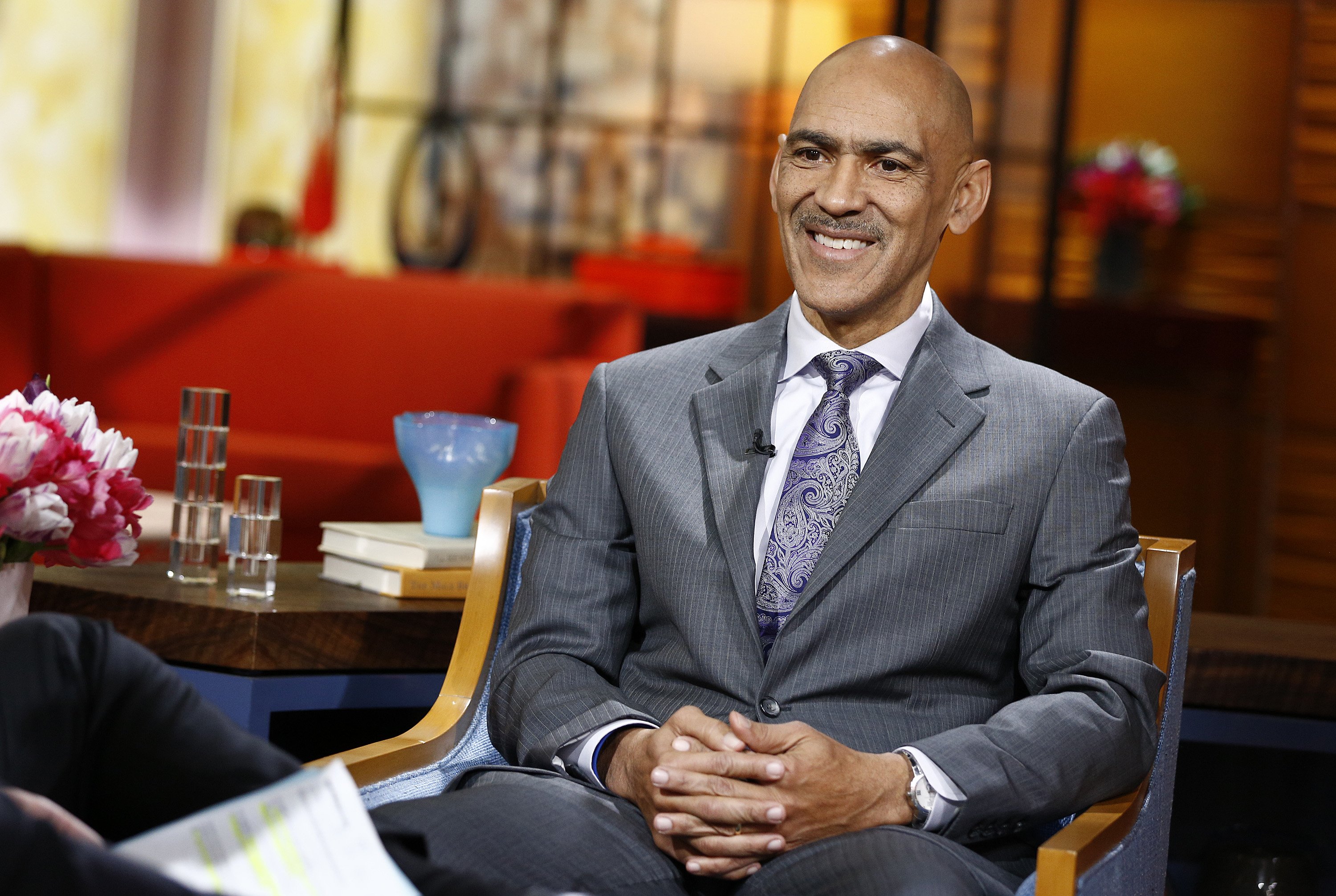
Who Is Tony Dungy: The Legacy of a Hall of Fame Coach and Leader
Tony Dungy is a Pro Football Hall of Fame head coach, former NFL player, and prominent sports analyst known for leading the Indianapolis Colts to victory in Super Bowl XLI. He made history as the first African American head coach to wi...
Tony Dungy is a Pro Football Hall of Fame head coach, former NFL player, and prominent sports analyst known for leading the Indianapolis Colts to victory in Super Bowl XLI. He made history as the first African American head coach to win a Super Bowl and is widely respected for his "Quiet Strength" leadership philosophy and defensive innovations.
Contents
As of 2026, Tony Dungy remains one of the most influential figures in American sports history. While many know him from his tenure on the sidelines or his long-standing role as a broadcaster on NBC’s Sunday Night Football, his impact stretches far beyond the gridiron. His life is a study in perseverance, tactical brilliance, and a commitment to personal values that transformed the culture of professional football.
Early Life and the Path to the NFL
Born Anthony Kevin Dungy on October 6, 1955, in Jackson, Michigan, Dungy was raised in a household that prioritized education and character. His parents were both educators; his father, Wilbur, was a science professor, and his mother, Cleomae, taught high school English. This academic environment shaped Dungy’s analytical approach to football, treating the game more like a classroom than a battlefield.
Dungy attended the University of Minnesota, where he played as a star quarterback. During his collegiate career from 1973 to 1976, he finished as the Gophers' career leader in pass attempts, completions, passing yards, and touchdown passes. Despite his success at the college level, professional scouts were skeptical of his size and arm strength for the NFL quarterback position.
In 1977, Dungy entered the NFL as an undrafted free agent. He signed with the Pittsburgh Steelers, but with a significant caveat: he had to switch positions to defensive back. This transition proved pivotal. Playing under the legendary Chuck Noll and alongside the "Steel Curtain" defense, Dungy learned the nuances of defensive schemes that would later define his coaching career. He earned a Super Bowl ring as a player in Super Bowl XIII and briefly played for the San Francisco 49ers and New York Giants before retiring in 1980.
The Architect of the Tampa 2 Defense
Tony Dungy’s coaching journey began almost immediately after his playing days ended. At age 25, he returned to the University of Minnesota as an assistant, but he was quickly recruited back to the NFL by Chuck Noll. By 1984, at age 28, he became the youngest defensive coordinator in NFL history with the Steelers.
However, it was his time as the head coach of the Tampa Bay Buccaneers (1996–2001) that cemented his reputation as a defensive mastermind. Before Dungy’s arrival, the Buccaneers were the "laughingstock" of the league, suffering through 13 consecutive losing seasons. Dungy implemented a specific variation of the cover-2 defense that became known worldwide as the Tampa 2.
The Mechanics of the Tampa 2
The Tampa 2 was not just a formation; it was a philosophy based on speed, discipline, and "bend but don't break" principles. Unlike aggressive blitz-heavy schemes, Dungy’s system relied on:
- The Middle Linebacker: Dropping deep into the middle of the field to take away post routes, effectively acting as a third safety.
- Four-Man Rush: Relying on the front four to generate pressure without needing to blitz, which allowed seven players to drop into coverage.
- Zone Reliability: Players were tasked with covering specific areas rather than specific men, making it difficult for quarterbacks to find open windows.
Under Dungy, the Buccaneers became a perennial defensive powerhouse. Although he was let go after the 2001 season—just one year before the team won the Super Bowl using the very roster and system he built—Dungy’s impact on the franchise's culture was undeniable.
The Indianapolis Colts Era and Super Bowl Glory
In 2002, Dungy was hired by the Indianapolis Colts. While his time in Tampa Bay was defined by defense, his tenure in Indy was defined by one of the most prolific offenses in NFL history, led by quarterback Peyton Manning.
Dungy’s challenge in Indianapolis was to bring defensive stability to a team that could already score at will. Between 2002 and 2008, the Colts were the model of consistency, winning at least 10 games every season and claiming five AFC South division titles.
The pinnacle of his career came in 2006. On February 4, 2007, in a rainy Miami stadium, Dungy led the Colts to a 29-17 victory over the Chicago Bears in Super Bowl XLI. This victory was historic for two primary reasons:
- First African American Head Coach: Dungy became the first Black head coach to hoist the Lombardi Trophy, a milestone that significantly impacted hiring practices and opportunities for minority coaches in the NFL.
- The Professionalism of Leadership: The win validated Dungy's "Quiet Strength" approach, proving that a coach did not need to scream or belittle players to achieve the ultimate success.
Comparison of Head Coaching Tenures
To understand the scope of Dungy's career, it is helpful to look at his performance across the two franchises he transformed.
| Feature | Tampa Bay Buccaneers (1996–2001) | Indianapolis Colts (2002–2008) |
|---|---|---|
| Regular Season Record | 54–42 | 85–27 |
| Winning Percentage | .563 | .759 |
| Playoff Appearances | 4 | 7 |
| Division Titles | 1 | 5 |
| Super Bowl Titles | 0 (Built foundation for 2002 win) | 1 (Super Bowl XLI) |
| Primary Philosophy | Defensive Rebuild (Tampa 2) | Offensive Maintenance & Defensive Balance |
The "Quiet Strength" Philosophy and Coaching Tree
Beyond the statistics, Tony Dungy is renowned for his leadership style. In an industry often dominated by "yellers"—coaches who use intimidation and volume to motivate—Dungy was an anomaly. He viewed himself as a teacher. His philosophy, detailed in his best-selling memoir Quiet Strength, emphasizes that true leadership comes from character, consistency, and faith rather than ego.
This approach led to one of the most impressive "coaching trees" in modern football. Many of Dungy’s assistants went on to become successful NFL head coaches, carrying his principles to other organizations. Notable protégés include:
- Mike Tomlin: Led the Pittsburgh Steelers to a victory in Super Bowl XLIII.
- Lovie Smith: Led the Chicago Bears to Super Bowl XLI (facing Dungy in the historic matchup).
- Jim Caldwell: Led the Colts to Super Bowl XLIV and later coached the Detroit Lions.
- Herm Edwards: Former head coach of the Jets and Chiefs.
Dungy’s influence ensured that the Tampa 2 and his leadership methods proliferated throughout the league for decades.
Life After Coaching: Broadcasting and Advocacy
Tony Dungy retired from coaching in early 2009, leaving the game while still at the top of his profession. He transitioned into a highly successful career as a studio analyst for NBC’s Football Night in America. His ability to break down complex plays for a general audience made him a staple of Sunday night television.
Outside of broadcasting, Dungy has dedicated his life to several philanthropic causes:
- All Pro Dad: A program of Family First, this organization provides resources to help men become better fathers and maintain strong family bonds.
- Adoption and Foster Care: Tony and his wife, Lauren, have been vocal advocates for adoption, having adopted eight children themselves.
- Faith-Based Initiatives: As a devout Christian, Dungy frequently speaks at events regarding the intersection of faith and professional excellence.
In 2016, his contributions to the sport were officially recognized when he was inducted into the Pro Football Hall of Fame. His induction speech highlighted not just his wins, but the players and coaches who helped pave the way for his historic achievements.
FAQ
Why was Tony Dungy’s Super Bowl win so significant?
His victory in Super Bowl XLI was significant because he was the first African American head coach to win the championship. Additionally, he did so in a game where both opposing head coaches (Dungy and Lovie Smith) were Black, marking a major milestone for diversity in the NFL.
What is the "Rooney Rule" and how does it relate to Dungy?
The Rooney Rule requires NFL teams to interview ethnic-minority candidates for head coaching and senior operational jobs. While the rule was established by the league's diversity committee (led by Dan Rooney), Dungy’s success was often cited as the ultimate proof that minority candidates could succeed at the highest level when given the opportunity.
Is Tony Dungy still on TV?
As of 2026, Tony Dungy remains a respected voice in sports media. While he has scaled back some of his traveling commitments, he continues to provide expert analysis on major NFL events and contributes to NBC Sports' coverage of the league.
What are Tony Dungy’s most famous books?
Dungy is a prolific author. His most notable works include Quiet Strength: The Principles, Practices, and Priorities of a Winning Life, Uncommon: Finding Your Path to Significance, and The Mentor Leader. These books focus on leadership, faith, and family rather than just football strategy.
Did Tony Dungy play for the Steelers?
Yes. Tony Dungy played as a safety for the Pittsburgh Steelers from 1977 to 1978. He was a member of the 1978 team that won Super Bowl XIII, making him one of the few individuals to win a Super Bowl as both a player and a head coach.
Recommended Action for Aspiring Leaders
To truly understand the "Dungy way," readers should look beyond the football field. Whether you are a manager in a corporate setting, a teacher, or a parent, the core takeaway from Tony Dungy’s life is that character is not secondary to performance—it is the foundation of it.
Study his "Quiet Strength" approach by focusing on "the small things": being on time, treating everyone with respect regardless of their rank, and remaining calm when under pressure. By prioritizing the development of people over the pursuit of results, you often find that the results—much like Dungy’s Super Bowl ring—follow naturally. For those looking for a starting point, his book The Mentor Leader provides actionable steps on how to build a team based on trust and mutual growth.
Image Gallery