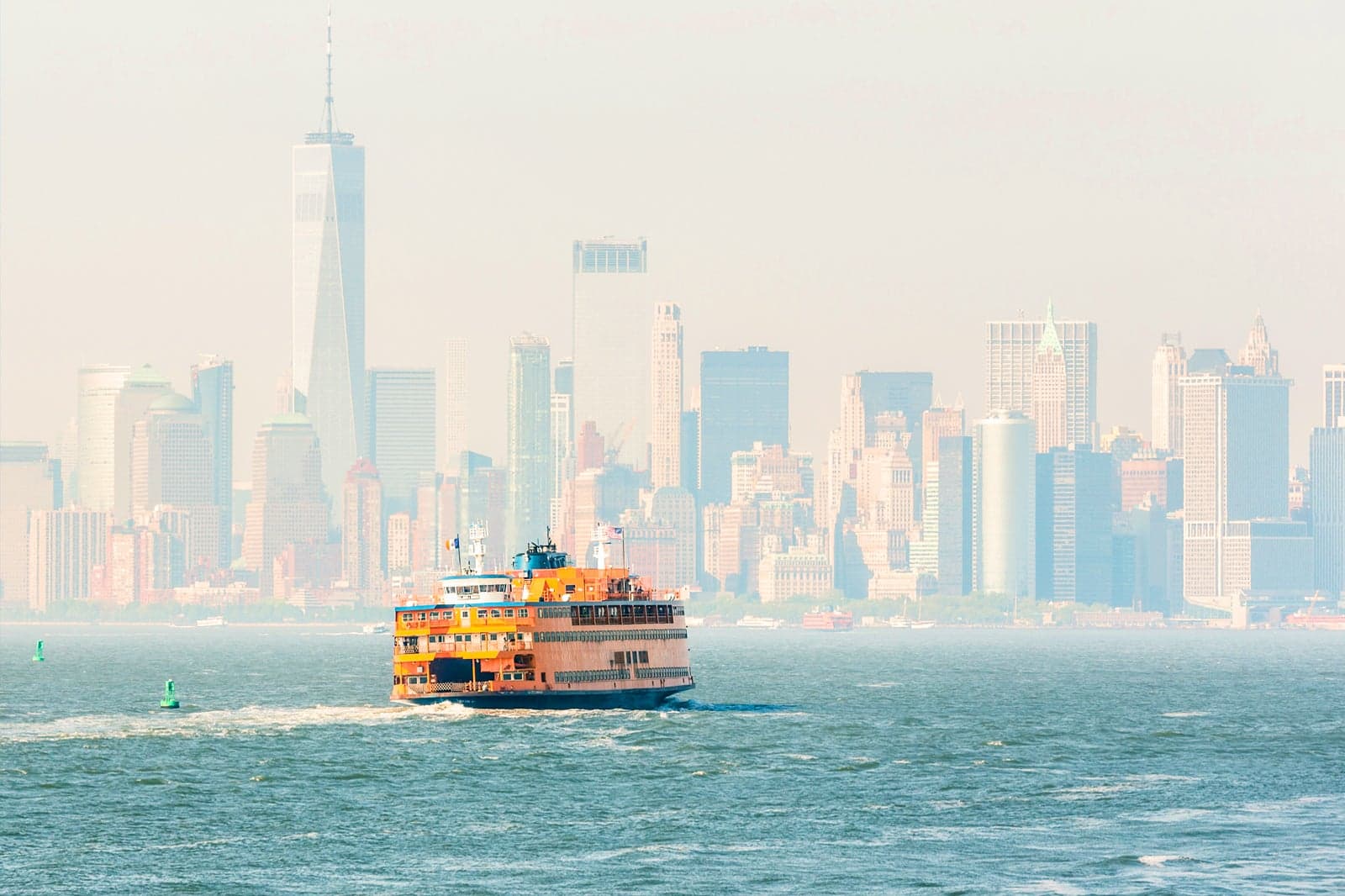
The Staten Island Ferry Route: Free and Reliable Travel Across New York Harbor
The Staten Island Ferry provides a critical 5.2-mile link between St. George on Staten Island and Whitehall Street in Lower Manhattan. Operating 24 hours a day, 365 days a year, this zero-fare transit service carries over 22 million pa...
The Staten Island Ferry provides a critical 5.2-mile link between St. George on Staten Island and Whitehall Street in Lower Manhattan. Operating 24 hours a day, 365 days a year, this zero-fare transit service carries over 22 million passengers annually, offering a dependable commute and unparalleled views of the Statue of Liberty.
Contents
The Staten Island Ferry is more than just a transit link; it is an iconic fixture of New York City’s infrastructure. Managed by the New York City Department of Transportation (DOT), the ferry serves as a lifeline for residents of Richmond County (Staten Island) who work in the financial district and beyond. As of 2026, the service remains a rare example of a completely fare-free major municipal transit system in a global Tier-1 city. Its reliability is rooted in a massive logistical operation involving a diverse fleet of vessels, high-capacity terminals, and strict adherence to maritime safety protocols.
The Strategic Importance of the St. George to Whitehall Route
The 5.2-mile route across New York Harbor is the only direct non-vehicular link between Staten Island and Manhattan that does not involve crossing into New Jersey or using the Verrazzano-Narrows Bridge to reach Brooklyn. For commuters, the ferry is a predictable alternative to the often-congested express buses.
Whitehall Terminal (Manhattan)
Located at 4 Whitehall Street, the Whitehall Terminal serves as the northern terminus. Rebuilt and modernized in the early 2000s, it features a massive 75-foot-high entry hall and provides direct access to the New York City Subway system. Riders can easily transfer to the 1 train at South Ferry, the R and W trains at Whitehall Street, and the 4 and 5 trains at Bowling Green. The terminal’s design facilitates the rapid movement of thousands of passengers per trip, utilizing overhead loading doors that align with the ferry’s upper decks.
St. George Terminal (Staten Island)
The St. George Terminal is the heart of Staten Island’s transit hub. It connects the ferry to the Staten Island Railway (SIR) and dozens of local and express bus routes. For residents of the North Shore, the terminal is within walking distance of the Richmond County Bank Park and various municipal buildings. The terminal also houses the ferry’s primary maintenance facilities and the operational command center, ensuring that the fleet is serviced and dispatched with minimal downtime.
Operational Reliability and Schedule Density
As of 2026, the Staten Island Ferry maintains a rigorous schedule that prioritizes peak-hour capacity. The reliability of the service is a point of pride for the NYC DOT, with a high percentage of trips departing exactly on time despite the complex traffic of New York Harbor, which includes cruise ships, container vessels, and private water taxis.
Frequency of Service
During the morning and evening "rush hours" (typically 6:00 AM to 9:30 AM and 3:30 PM to 8:00 PM), ferries depart every 15 to 20 minutes. During the middle of the day and late evening, the frequency shifts to every 30 minutes. Even in the overnight hours, from midnight to 6:00 AM, the ferry maintains a 60-minute or 30-minute interval, ensuring that shift workers and late-night travelers are never stranded.
Weather and Harbor Conditions
While the ferry is exceptionally reliable, it is subject to the conditions of the harbor. Heavy fog occasionally necessitates the use of radar-assisted navigation and reduced speeds, which can lead to minor delays. In extreme weather events, such as hurricanes or severe ice floes in the harbor, the NYC DOT may temporarily suspend service for safety. However, the heavy displacement of the larger ferry vessels allows them to operate in conditions that would ground smaller water taxis.
Technical Specifications of the Ferry Fleet
The fleet is comprised of several classes of vessels, each designed for high-capacity passenger transport. In recent years, the introduction of the Ollis-class vessels has modernized the experience, offering better fuel efficiency and enhanced passenger amenities.
| Vessel Class | Capacity (Passengers) | Year Introduced | Key Features |
|---|---|---|---|
| Ollis-Class | 4,500 | 2021–2023 | Cycloidal propulsion, enhanced outdoor seating, modern HVAC |
| Molinari-Class | 4,400 | 2004–2006 | Three-deck layout, reminiscent of classic ferry design |
| Barberi-Class | 5,200 | 1981–1982 | Highest capacity, double-ended Voith Schneider propellers |
| Austen-Class | 1,100 | 1986 | Smaller "sister ships" used primarily during off-peak/overnight |
The Ollis-Class (The New Standard)
The three Ollis-class boats—the Michael H. Ollis, the Sandy Ground, and the Dorothy Day—represent the current pinnacle of the fleet. These vessels are 320 feet long and feature advanced "cycloidal" propulsion systems that allow them to maneuver with extreme precision in the tight slips of the terminals. They were designed with lessons learned from previous maritime incidents, featuring reinforced hulls and state-of-the-art fire suppression systems.
Propulsion and Navigation
Most vessels in the fleet utilize a "double-ended" design, meaning they have a bow and stern that are identical in function. This eliminates the need for the vessel to turn around in the harbor, saving significant time and fuel on every 25-minute crossing. The ships are powered by massive marine diesel engines, though research into hybrid and low-emission alternatives continues as part of the city’s long-term sustainability goals.
Passenger Experience and Boarding Protocols
Boarding the Staten Island Ferry is a streamlined process, but it is governed by strict federal and local regulations. Understanding these rules is essential for a smooth journey.
Security and Screening
Under the oversight of the U.S. Coast Guard and the NYPD, the ferry terminals are subject to random security screenings. Passengers may be asked to have their bags inspected or pass through canine-assisted security sweeps. It is important to note that certain items, such as explosive materials or unpermitted firearms, are strictly prohibited.
The "No Re-Entry" Rule
A common point of confusion for tourists is the "no re-entry" policy. To comply with Coast Guard safety and security regulations, all passengers must disembark the vessel upon arrival at the terminal. You cannot remain on the boat for a return trip. After exiting, passengers who wish to return must follow the terminal flow back into the waiting room and board through the designated gates for the next departure.
Accessibility and Amenities
The Staten Island Ferry is fully ADA-compliant. Both terminals feature elevators and ramps, and the vessels are equipped with designated spaces for wheelchairs. Onboard, passengers have access to restrooms and, on most larger vessels, a snack bar that sells food and beverages. As of 2026, the snack bars continue to offer a variety of items, though alcohol consumption is generally restricted to specific areas or prohibited depending on current municipal contracts and safety guidelines.
Economic and Social Impact of the Zero-Fare Model
The decision to make the ferry free was finalized in 1997 under the Giuliani administration. Previously, a fare was charged that mirrored the cost of a subway ride. The elimination of the fare was intended to provide economic relief to Staten Islanders, who often face the longest commutes in the city.
Funding the Service
The ferry is funded primarily through the NYC Department of Transportation’s budget, supplemented by federal and state transit subsidies. While the lack of a farebox recovery ratio might seem like a deficit, the city views the ferry as an essential extension of the highway and transit system—much like a bridge. By keeping it free, the city encourages transit use, which reduces the number of vehicles entering the congested streets of Lower Manhattan via the Verrazzano and tunnels.
Tourism and the "Statue of Liberty" Effect
While its primary purpose is commuting, the ferry is world-famous as the "best free deal in New York." The route passes within close proximity to Liberty Island and Ellis Island, providing tourists with a panoramic view of the Statue of Liberty without the cost of a private tour boat. This influx of visitors supports businesses in both Lower Manhattan and the St. George area, particularly the Empire Outlets and the St. George Theatre.
Navigating New York Harbor Safely
New York Harbor is one of the busiest maritime environments in the world. The Staten Island Ferry pilots must navigate through a constant stream of commercial traffic.
- Vessel Traffic Service (VTS): The Coast Guard monitors all movements in the harbor. Ferry captains are in constant communication with VTS to coordinate crossings with incoming tankers and departing cruise liners.
- Safety Drills: The crew regularly performs man-overboard and fire drills. Life jackets are stored under seats or in clearly marked cabinets on every deck.
- Bicycles and Micromobility: Bicycles are permitted on the lower decks of the ferry. Riders must board through the lower level and are required to walk their bikes while in the terminal and on the boat. With the rise of e-bikes by 2026, specific regulations regarding lithium-ion battery safety are strictly enforced in the loading areas.
Frequently Asked Questions
Does the Staten Island Ferry run on holidays?
Yes, the ferry operates on a 24/7/365 basis. On major holidays such as Christmas Day, New Year’s Day, and Thanksgiving, the ferry typically operates on a holiday schedule, which usually follows the standard 30-minute weekend frequency.
Are cars allowed on the Staten Island Ferry?
No. Since the security changes following September 11, 2001, vehicles have been prohibited on the Staten Island Ferry. The lower decks that were once used for cars have been converted for passenger use and bicycle storage. Travelers wishing to drive between the boroughs must use the Verrazzano-Narrows Bridge or the Goethals/Outerbridge crossings through New Jersey.
How long does the trip take?
The average crossing time is approximately 25 minutes. During periods of heavy harbor traffic or inclement weather, the trip may take up to 30 minutes. Passengers should factor in an additional 10 to 15 minutes for boarding and disembarking when planning their connections to the subway or railway.
Are pets allowed on the ferry?
Only service animals and small pets in carriers are permitted. Pets that are not in a crate or carrier are not allowed in the terminals or on the vessels. This policy is strictly enforced by terminal security and crew members.
Is there Wi-Fi on the Staten Island Ferry?
Free Wi-Fi is available in both the Whitehall and St. George terminals. While some newer vessels like the Ollis-class are equipped with infrastructure for onboard connectivity, the signal can be intermittent in the middle of the harbor. Most passengers rely on cellular data, which generally maintains strong coverage throughout the crossing.
Recommendation for Travelers
Whether you are a daily commuter or a first-time visitor, the best way to utilize the Staten Island Ferry is to arrive at the terminal at least 10 minutes before the scheduled departure. For those seeking the best views, the starboard side (right side) of the boat when departing Manhattan offers the closest view of the Statue of Liberty. Always check the official NYC DOT Ferry Schedule for any service alerts or temporary adjustments to the timetable.
Image Gallery