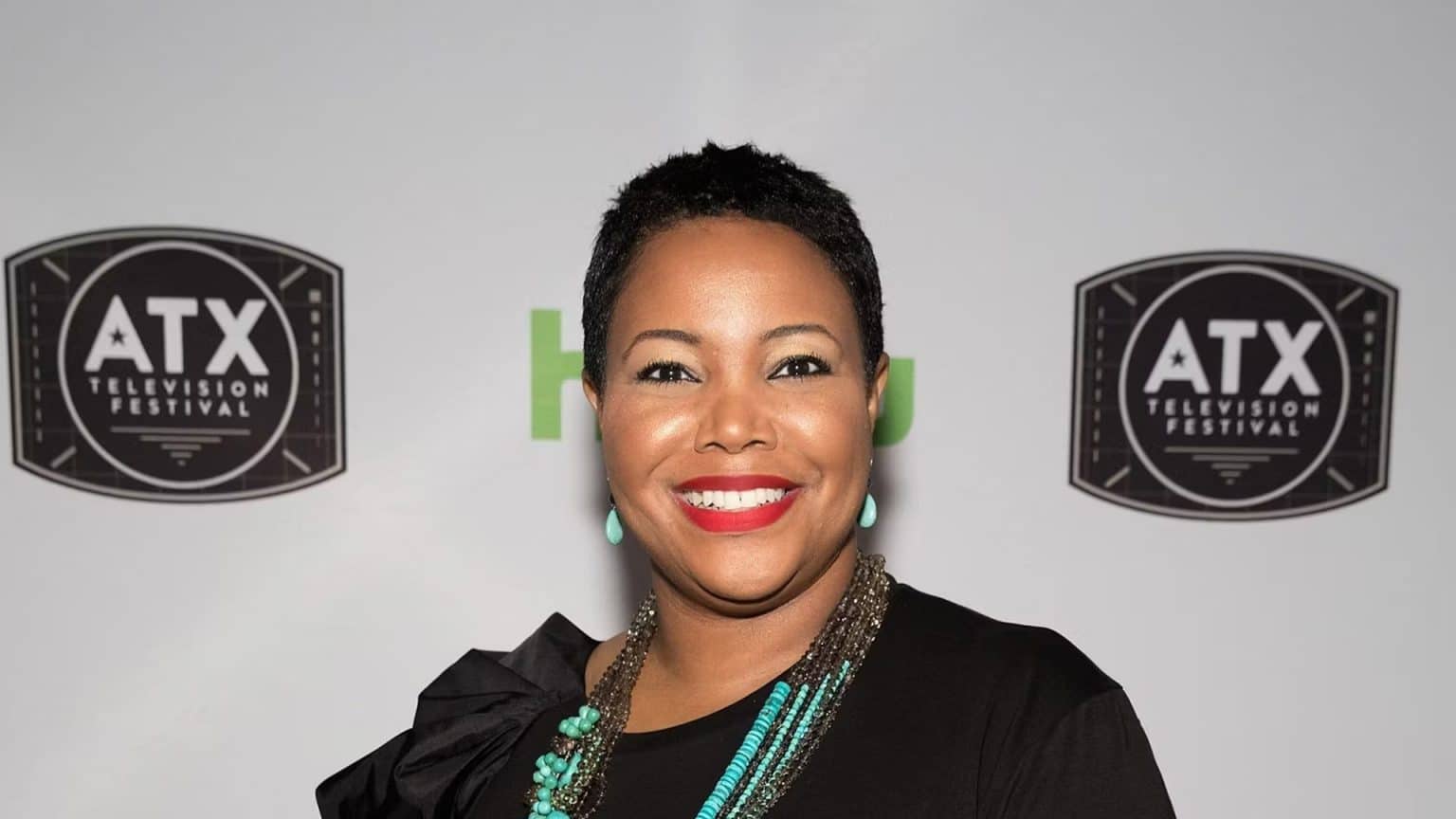
Kellie S. Williams in Television and Community Work: A Legacy of Professional Evolution
Kellie S. Williams has cultivated a multifaceted career that bridges the gap between long-term success in television production and a dedicated commitment to local community advancement. Best known for her iconic role in the sitcom Fam...
Kellie S. Williams has cultivated a multifaceted career that bridges the gap between long-term success in television production and a dedicated commitment to local community advancement. Best known for her iconic role in the sitcom Family Matters, Williams has utilized her platform and expertise to foster youth development and support regional initiatives, demonstrating the transition from a child star to a versatile professional and advocate.
Contents
The Foundations of a Television Career
Kellie S. Williams first entered the public consciousness as an adolescent actor, a transition that requires both artistic discipline and a high degree of professional adaptability. Her most recognized body of work, the role of Laura Winslow in the long-running television series Family Matters, served as a cornerstone of late 20th-century American sitcom culture. Running from 1989 to 1998, the series provided Williams with an intensive education in the mechanics of television production, ensemble dynamics, and audience engagement.
Beyond her primary role, Williams maintained an active presence in the television industry, appearing in various projects that expanded her range beyond the archetype of a sitcom daughter. Her experience in network television provided the foundational infrastructure—industry connections, public visibility, and financial stability—that would later facilitate her shift toward philanthropic and community-focused ventures. Unlike many child actors who struggle to define a post-series identity, Williams leveraged her public recognition to transition into roles that allowed for greater personal agency, including production and charitable leadership.
Transitioning to Community Advocacy and Philanthropy
As her television career evolved, Williams redirected a significant portion of her energy toward community work, specifically targeting the empowerment of young people. Recognizing that the entertainment industry often lacks structured support systems for aspiring artists from underprivileged backgrounds, she sought to bridge this gap through strategic outreach.
Her community work is not merely symbolic; it is programmatic. By creating platforms that provide access to the performing arts, she has addressed the lack of extracurricular resources in specific urban environments. This work often involves:
- Mentorship Programs: Providing guidance on navigating the entertainment industry while emphasizing the importance of education.
- Skill Development: Offering workshops in acting, production, and public speaking to help youth gain confidence and professional literacy.
- Civic Engagement: Using her profile to highlight the importance of community centers and after-school programs that sustain youth safety and development.
This transition from high-profile acting to behind-the-scenes community support signifies a shift in priority from individual recognition to collective impact, a common evolution among public figures who prioritize long-term social dividends over transient fame.
Comparative Analysis of Professional Contributions
To understand the scope of her impact, it is helpful to contrast the different spheres in which Williams has operated. The following table illustrates the distinct requirements and objectives of her professional trajectories.
| Professional Arena | Key Objectives | Primary Audience | Tangible Outcome |
|---|---|---|---|
| Television Production | Entertainment, commercial success | Global viewers | Cultural impact, professional longevity |
| Community Mentorship | Skill transfer, youth empowerment | Local youth, aspiring artists | Talent development, social stability |
| Advocacy/Civic Work | Resource allocation, awareness | Policy makers, donors | Sustainable community programming |
While television production is governed by commercial metrics—such as ratings, syndication, and production budgets—community work is measured by qualitative outcomes, such as individual success stories, the retention rates of youth in programs, and the long-term viability of community centers. Williams’ ability to move between these two distinct worlds underscores a unique aptitude for applying the organizational skills learned on a set to the logistical needs of non-profit advocacy.
Addressing the Challenges of Youth Development
A primary obstacle in community work is the volatility of funding and the difficulty of maintaining consistent programming for youth. Williams’ approach has often centered on stability. By advocating for consistent, structured arts education, she addresses the "problem" of youth boredom and lack of direction. In urban settings, where arts funding is frequently the first to be cut during budgetary constraints, advocates like Williams serve as essential liaisons between the creative community and the public interest.
The "How" of this work involves navigating the bureaucratic and interpersonal requirements of non-profit management. Effective community work requires:
- Fundraising Literacy: The ability to solicit donations and grants from private and public entities.
- Stakeholder Management: Coordinating between parents, educational institutions, local government bodies, and the youth participants.
- Program Evaluation: Measuring the success of initiatives to ensure they meet the needs of the community rather than just adhering to a pre-set agenda.
For individuals or organizations looking to emulate or support this type of work, the initial step is always identifying the specific resource gap in their immediate community. Whether it is a lack of equipment, space, or professional mentorship, targeting a specific deficit is far more effective than broad, unfocused advocacy.
Frequently Asked Questions
What was the most significant television role in Kellie S. Williams' career? Her most significant role was Laura Winslow in the hit sitcom Family Matters. This character served as the central point of the Winslow family narrative for nine seasons, providing Williams with extensive experience in long-form television production and cementing her status in the entertainment industry.
How does Kellie S. Williams balance television work with community advocacy? Williams balances these roles by treating her community work with the same professional rigor as her acting career. She often utilizes her industry contacts to bring awareness to her causes and manages her time by prioritizing philanthropic initiatives that align with her personal values, focusing on sustainable youth mentorship.
What specific community impacts have resulted from her work? Her community impact is primarily reflected in the empowerment of young people through access to arts education. By providing workshops and mentorship, she has helped individuals gain the technical skills and professional confidence necessary to succeed in creative fields, effectively widening the pipeline of opportunity for underserved youth.
Is Kellie S. Williams still involved in the entertainment industry in 2026? As of 2026, Williams remains an active figure in the industry, continuing to balance her legacy as a television actor with ongoing participation in media and community advocacy. She maintains a presence that reflects her desire to remain relevant while simultaneously dedicating substantial time to her social initiatives.
Recommendations for Community Engagement
For readers interested in following a path of community engagement similar to that of Kellie S. Williams, the focus should remain on localized, incremental impact. Do not attempt to overhaul an entire system at once. Instead, identify a specific youth-oriented need—such as an after-school workshop or a mentorship drive—and leverage your professional network to acquire the necessary resources to start that initiative. Success in community work is built upon the reliability and consistency of your presence, not the scale of your initial effort. By maintaining a steady commitment to a single cause, you can build the credibility necessary to create lasting, systemic change within your region.
Image Gallery