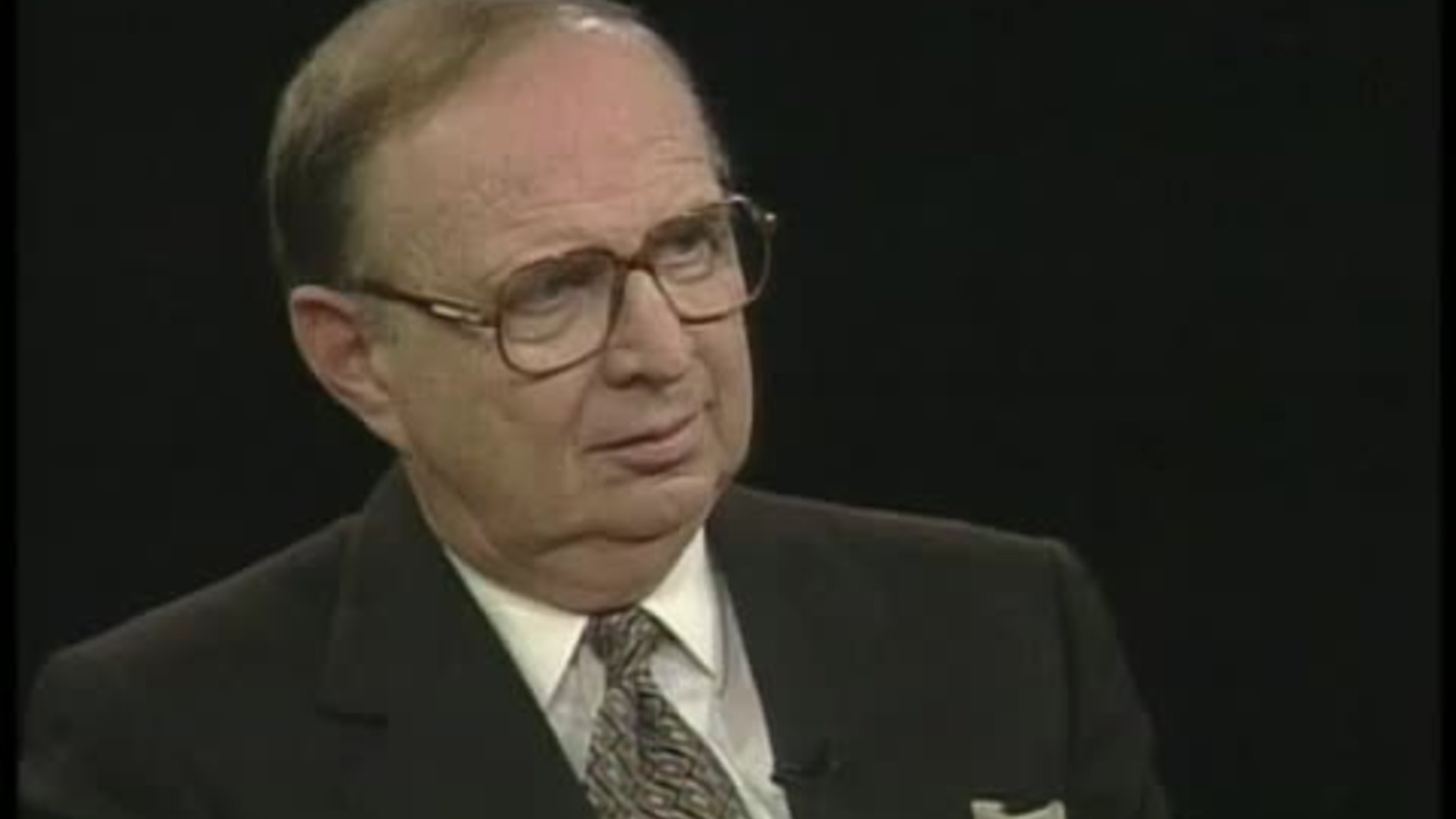
Understanding the Financial Legacy of Dr. Henry Kaufman
Dr. Henry Kaufman, often referred to as "Dr. Doom" during his tenure as the chief economist at Salomon Brothers, is a towering figure in the landscape of global finance. While his exact net worth is not publicly disclosed—as is the cas...
Dr. Henry Kaufman, often referred to as "Dr. Doom" during his tenure as the chief economist at Salomon Brothers, is a towering figure in the landscape of global finance. While his exact net worth is not publicly disclosed—as is the case with many private individuals who have spent their careers in academia, consulting, and private investment rather than as public corporate founders—his financial status is widely recognized as substantial, built upon decades of high-level economic advisory, authorship, and strategic institutional leadership.
Contents
As a preeminent voice in the credit markets, Kaufman’s influence on interest rates, monetary policy, and financial regulation has been profound. His professional life, which spans over six decades, provides a clear roadmap of how high-level economic expertise translates into long-term financial stability. Unlike public CEOs whose wealth fluctuates with volatile stock tickers, Kaufman’s financial position reflects a lifetime of institutional influence, consulting fees, and significant contributions to the development of modern financial theory.
The Foundation: A Career of Institutional Authority
The primary driver of Dr. Kaufman’s professional success was his long-standing association with Salomon Brothers. Joining the firm in 1962, he rose to become the managing director and chief economist. During this era, Salomon Brothers was the dominant force in the bond market, and Kaufman’s ability to forecast interest rates made him one of the most powerful figures on Wall Street.
His "Dr. Doom" moniker, earned during the late 1970s and early 1980s for his persistent warnings regarding inflation and the necessity of high interest rates, cemented his reputation as an indispensable advisor to central banks, institutional investors, and government policymakers. The compensation models for managing directors at elite investment banks during that period were characterized by significant performance-based bonuses, which were often reinvested into the financial instruments that he studied most closely.
Diversification Beyond the Trading Desk
Following his departure from Salomon Brothers in 1988, Kaufman transitioned into the role of president of Henry Kaufman & Company, Inc., his own investment management and consulting firm. This shift from an employee-based compensation model to an ownership-based model represents a critical phase in his financial trajectory. By managing his own firm, Kaufman was able to capture the full economic value of his advisory work, which included consulting for major global financial institutions and providing specialized economic research.
His professional activities also extended to board memberships. Serving as a director for various blue-chip corporations and investment trusts provided consistent, high-level remuneration. Such positions typically involve significant equity compensation, which historically tends to appreciate as the underlying companies grow, providing a layer of wealth generation that operates independently of day-to-day consulting activities.
Intellectual Property and Academic Contributions
A substantial portion of Kaufman’s long-term influence and indirect financial capital comes from his contributions to economic literature. His books, including Interest Rates, the Markets, and the New Financial World and On Money and Markets, serve as definitive texts for market participants. While royalties from academic and professional literature are rarely the sole driver of a multi-million dollar net worth, they function as a continuous revenue stream that maintains his status as an authority figure, ensuring that his consulting services remain in high demand.
Furthermore, his philanthropic activities and support for various economic research initiatives speak to the maturity of his wealth. Those who have reached the pinnacle of financial services often transition their focus from active accumulation to wealth preservation and legacy building. In 2026, Dr. Kaufman remains a respected elder statesman of the financial community, indicating that his financial affairs have likely been structured for long-term sustainability through diversified asset allocation.
Comparative Financial Profiles in Financial Advisory
To understand the scale of wealth typical of an individual in Dr. Kaufman's position, it is helpful to contrast his career trajectory with other archetypes in the financial services sector.
| Professional Archetype | Primary Wealth Driver | Typical Compensation Structure |
|---|---|---|
| Institutional Chief Economist | Consulting & Advisory Fees | Base salary + performance bonuses |
| Private Equity Principal | Carried interest in funds | Profit participation in managed assets |
| Investment Bank Partner | Equity ownership in firm | Dividends + capital appreciation |
| Independent Financial Author | Royalties & Speaking fees | Fixed fees per project/engagement |
Dr. Kaufman represents a hybrid of these models, having successfully captured the value of institutional high-level advisory while maintaining the independence of a private consultant. This combination is generally considered one of the most stable pathways to high net worth in the professional services industry.
The Role of Market Forecasting in Personal Wealth
A recurring question regarding high-level economists is whether their ability to predict market movements contributes directly to their personal wealth. In the case of Dr. Kaufman, his professional mandate was to analyze structural economic trends rather than engage in short-term speculative trading. His analysis, which focused on the health of the credit markets and the long-term impact of fiscal policy, provided the intellectual framework for institutional stability.
For an individual in his position, personal wealth is typically held in a diversified portfolio that mirrors the principles he has advocated for decades: conservative risk management, long-term focus, and a keen eye for systemic risk. The "Kaufman approach" emphasizes the avoidance of excessive leverage, which is ironically the very behavior he often warned against in his analysis of the American financial system.
Key Factors Impacting Long-Term Wealth
- Longevity of Influence: Dr. Kaufman has maintained his relevance in financial circles for over six decades, allowing for a compounding effect on his reputation and the value of his consulting engagements.
- Consulting Exclusivity: By operating his own firm, he retained control over the intellectual property he generated, preventing the loss of earnings to corporate intermediaries.
- Asset Preservation: High-level economic thinkers often utilize professional wealth management services that prioritize capital preservation over high-risk growth, ensuring that their net worth survives through multiple economic cycles.
- Board Governance Fees: Retainers and equity awards from serving on the boards of major financial organizations constitute a reliable, high-tier income stream.
Frequently Asked Questions
Is the "Dr. Doom" title a reflection of his financial failure? No, the title was an acknowledgment of his bearish stance on inflation during the 1970s and 1980s. History proved him correct, and this accuracy actually increased his value as a consultant, thereby enhancing his financial stature.
Does Dr. Henry Kaufman still actively manage money? As of 2026, Dr. Kaufman focuses primarily on providing economic analysis and strategic advice. While he has managed investment vehicles in the past, his current professional output is characterized more by commentary and advisory than by daily fund management.
Why is there no exact figure for his net worth? Dr. Kaufman is not a public company founder or a government official required to disclose financial holdings. His wealth is private and tied to professional service fees and long-term private investments, which are not subject to public reporting.
How did his time at Salomon Brothers affect his career? Salomon Brothers provided the platform for his rise to national prominence. The firm’s culture, which was intensely focused on the bond market, allowed him to develop the analytical models that would define his later career and financial success.
What is the best way to analyze the wealth of an economist? One must look at the duration of their career, their association with major financial institutions, the success of their consulting firm, and their influence on industry standards. These factors act as proxies for the high-level compensation they have commanded over time.
Recommendation for Further Financial Insight
If you are researching the financial strategies of market experts like Dr. Kaufman, the most effective path is to study their published works and formal testimony before bodies such as the U.S. Congress or the Federal Reserve. These records provide a transparent view of the economic philosophies that guide their own financial decision-making. Focusing on these institutional-grade insights is significantly more productive than speculating on private net worth figures, which often lack empirical verification.
Image Gallery