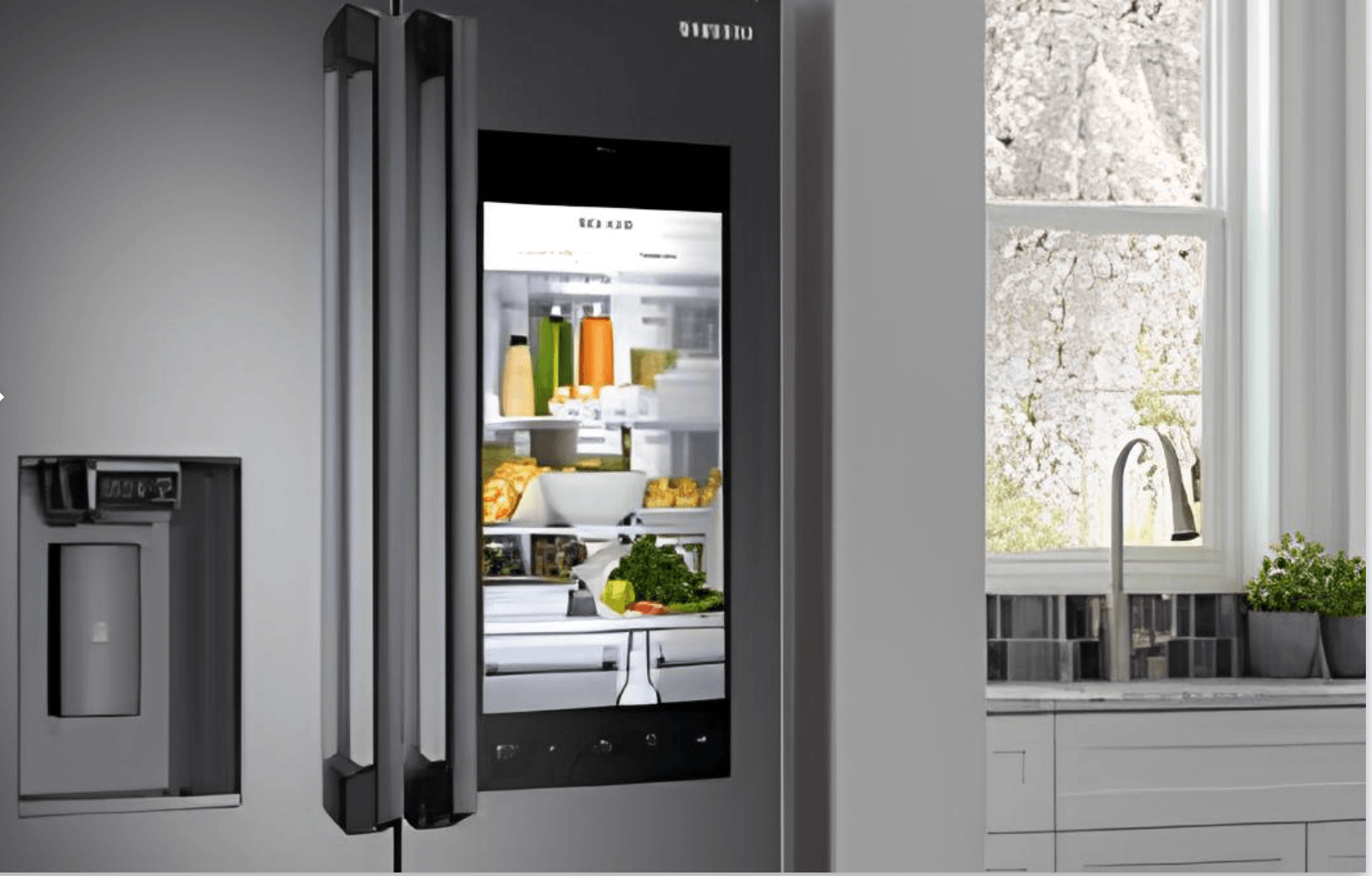
Why a Samsung Refrigerator Not Defrosting Isn’t Always a Defect
If your Samsung refrigerator is showing signs of frost buildup or failing to defrost, it does not automatically mean a component is broken or a factory defect exists. Often, the issue stems from environmental factors, improper leveling...
If your Samsung refrigerator is showing signs of frost buildup or failing to defrost, it does not automatically mean a component is broken or a factory defect exists. Often, the issue stems from environmental factors, improper leveling, or blocked airflow that prevents the appliance’s automated defrost cycle from managing moisture effectively.
Contents
Modern Samsung refrigerators, particularly those manufactured leading up to 2026, utilize sophisticated "Twin Cooling Plus" or "Triple Cooling" systems. These systems are designed to maintain precise humidity levels in different compartments. However, because they are so sensitive to environmental changes, a "failure to defrost" is frequently a functional reaction to external stressors rather than a mechanical breakdown of the defrost heater or control board. Understanding the distinction between a technical defect and a maintenance-related operational failure can save you hundreds of dollars in unnecessary repair bills.
The Physics of Frost: How the Defrost Cycle Works
To understand why a lack of defrosting isn’t always a defect, one must first understand how the system is supposed to work. In a standard Samsung refrigerator, an evaporator coil gets very cold to remove heat from the cabinet. As air passes over these coils, moisture in the air condenses and freezes onto the coils.
Every few hours, the refrigerator enters a defrost cycle. The compressor stops, and a defrost heater turns on to melt the accumulated ice. The water then drips into a drain pan. If this balance is disrupted, frost builds up until it blocks the vents, leading many to believe the system is "defective." However, if the moisture load exceeds the system's design capacity—due to a door being left ajar or high ambient humidity—the heater simply cannot keep up. This is an operational overload, not a hardware failure.
Environmental and Installation Factors
Before assuming a part has failed, it is essential to evaluate the environment where the refrigerator is located. These factors are the most common "non-defect" reasons for defrosting issues.
1. Improper Leveling and Door Alignment
Samsung refrigerators rely on gravity to help the doors seal tightly. If the front of the refrigerator is not slightly higher than the back, the doors may not close completely or the magnetic gaskets may not seat properly. Even a gap of a few millimeters allows warm, moist air to enter the unit constantly. This creates a "snowstorm" effect on the evaporator coils that no standard defrost cycle can melt.
2. High Ambient Humidity
In 2026, many homes are built with higher energy efficiency, but some regions still experience extreme seasonal humidity. If your refrigerator is located in a garage, a sunroom, or a kitchen without climate control, the sheer volume of moisture in the air can overwhelm the defrost system. The unit is functioning correctly, but the conditions are outside its engineered operating range.
3. Gasket Integrity and Cleanliness
The rubber seal (gasket) around your door is the only thing keeping the outside world out. Over time, sugar-based spills or dust can build up on the gasket, preventing a vacuum seal. If you can slide a piece of paper through the door seal while it’s closed, your "defrost problem" is actually a cleaning problem. Replacing a dirty or slightly warped gasket is a maintenance task, not a repair of a defective cooling system.
Loading Habits and Airflow Obstructions
The way you store your groceries has a direct impact on the refrigerator's ability to defrost. Samsung’s design relies on consistent airflow to move moisture toward the evaporator and away from the food.
Internal Vent Blockage
Samsung refrigerators have multiple "Multi-Flow" vents on the back interior wall. If you push large items, such as pizza boxes or milk jugs, directly against these vents, you disrupt the air circulation. This leads to "localized frosting." When air cannot circulate, the sensors may misread the temperature, causing the refrigerator to run the cooling cycle longer than necessary, which leads to excessive ice buildup that the defrost heater cannot manage in its allotted time.
The "Overstuffed" Refrigerator
While it is tempting to maximize shelf space, an overstuffed refrigerator prevents the defrost cycle from effectively radiating heat to the frozen coils. Conversely, a completely empty refrigerator can also have issues, as there is no thermal mass to help stabilize temperatures. Maintaining a "70% full" rule is generally considered the sweet spot for Samsung appliances.
Hot Food Entry
Placing a large, steaming pot of soup directly into the refrigerator introduces a massive amount of moisture and heat. This moisture instantly condenses on the nearest cold surface—usually the evaporator cover or the back wall. If done repeatedly, this creates a thick layer of "clear ice" that is much harder to melt than standard "white frost," often leading to a blocked drain line.
Differentiating Between Defect and Operational Issue
To help you decide whether to call a technician or perform DIY maintenance, use the following comparison table.
| Symptom | Likely Non-Defect Cause | Likely Mechanical Defect |
|---|---|---|
| Light, flaky frost on food | Door left ajar or frequent opening. | N/A |
| Ice buildup on the back panel | Blocked internal vents or high humidity. | Failed Defrost Heater or Thermistor. |
| Water pooling under crisper drawers | Clogged or frozen drain tube. | Defrost timer or Control Board failure. |
| Consistent "Chirping" or "Grinding" | Ice hitting the fan (can be caused by any of the above). | Fan motor failure. |
| Fridge is warm but freezer is cold | Evaporator coils are "iced over" due to air leaks. | Failed Defrost Sensor (Bimetal). |
Using "Forced Defrost" as a Diagnostic Tool
One of the reasons a Samsung refrigerator might not be defrosting is that the "Automatic Defrost" logic has been temporarily confused by a power surge or a door left open overnight. Samsung includes a manual override called Forced Defrost (Fd).
By pressing a specific combination of buttons (usually "Energy Saver" and "Fridge" or "Freezer" and "Lighting" for 8-12 seconds), you can enter a diagnostic mode. Selecting "Fd" will force the heater to turn on.
- If the ice begins to melt and you hear water dripping, your heater and circuit are functional. This proves the issue is not a defect, but rather a build-up that the automatic cycle couldn't handle.
- If you run Forced Defrost and the ice remains solid after 20 minutes, you likely have a genuine defect, such as a blown thermal fuse or a dead heating element.
The Role of the Samsung Ice Maker
In many Samsung French Door models, the ice maker is a separate "room" within the refrigerator. This area is notorious for frost buildup. Because the ice room is kept at freezing temperatures while surrounded by the warmer refrigerator cabin, any air leak—even a tiny one—causes frost.
In 2026, Samsung's updated service bulletins emphasize that most ice room frosting is caused by an unsealed "ice room box" or a leaky ice discharge chute. While this technically requires a "fix" (usually applying food-grade RTV silicone to seal gaps), it is often categorized as a "service adjustment" rather than a component defect.
Maintenance Steps to Restore Defrosting Performance
If you suspect your refrigerator is not defrosting due to non-defect reasons, follow these steps:
- Perform a Manual Thaw: Unplug the unit and leave the doors open for 24 hours. This ensures that all ice, including ice deep inside the air ducts, is gone.
- Clean the Gaskets: Use warm soapy water to clean the entire perimeter of the door seals. Dry them thoroughly and apply a thin layer of paraffin wax or Vaseline to keep the rubber supple.
- Level the Unit: Use a spirit level to ensure the fridge tilts slightly backward. Adjust the leveling legs at the front base of the appliance.
- Clear the Vents: Ensure there is at least two inches of space between your groceries and the back wall of the refrigerator.
- Check the Drain Hole: If you can see the drain hole at the back of the unit, ensure it isn't plugged with debris or a "slug" of ice.
Frequently Asked Questions
How do I know if my Samsung defrost sensor is bad?
A bad defrost sensor (thermistor) usually results in the refrigerator never initiating a defrost cycle, or ending it too early. If you have a multimeter, you can test the sensor for resistance. At room temperature, it should show a specific ohm reading (refer to your specific model's service manual). If it shows "open" (infinite resistance), it is defective. However, if the sensor is covered in a giant block of ice, it might just be providing an accurate (but extreme) reading to the board.
Can I manually defrost my Samsung fridge?
Yes, using the "Forced Defrost" (Fd) mode is the safest way to manually defrost without unplugging the unit. You should never use a heat gun or a sharp object to scrape ice off the panels, as this can puncture the refrigerant lines or melt the plastic interior, which would turn a simple maintenance issue into a permanent, unrepairable defect.
How often should a Samsung fridge defrost?
Most modern Samsung refrigerators are programmed to defrost based on "adaptive logic." Instead of a fixed timer, they defrost every 6 to 24 hours depending on how often the doors are opened and the runtime of the compressor. If you notice frost building up every 2 or 3 days, the system is likely trying to defrost, but an air leak is introducing moisture faster than the cycle can remove it.
Why is there ice behind my Samsung fridge's back panel?
Ice behind the panel usually indicates that the "Defrost Drain" is frozen. When the heater melts ice during a cycle, the water must exit through a small tube. If that tube is frozen, the water stays in the compartment, refreezes, and eventually builds up into a solid block. This is often caused by a small metal "drain clip" that has slipped out of place, a part that can be easily adjusted without replacing major components.
Does a Samsung fridge have a reset button?
Samsung refrigerators do not have a single "Defrost Reset" button. However, you can reset the entire control board by unplugging the unit for 10 minutes or by using the button combinations on the display to enter and exit "Shop Mode" or "Diagnostic Mode." This can sometimes "kickstart" a stalled defrost algorithm.
Recommendation for Next Actions
If your Samsung refrigerator is showing frost buildup, do not immediately buy replacement parts. Start by performing a full 24-hour manual defrost and cleaning the door gaskets. In more than 60% of cases, this "hard reset" of the appliance's environment resolves the issue. If the frost returns within a week despite proper loading and leveling, then proceed to test the defrost heater and thermistor with a multimeter to identify a genuine hardware defect.
Image Gallery