The Legacy of Lil Debbie and Kreayshawn: From White Girl Mob to Cultural Icons
Lil Debbie and Kreayshawn were the primary faces of the White Girl Mob, an Oakland-based hip-hop collective that rose to global prominence in 2011. Their relationship, characterized by a rapid ascent followed by a highly publicized fal...
Lil Debbie and Kreayshawn were the primary faces of the White Girl Mob, an Oakland-based hip-hop collective that rose to global prominence in 2011. Their relationship, characterized by a rapid ascent followed by a highly publicized fallout, serves as a landmark case study in viral internet fame, the "Tumblr era" of hip-hop, and the complexities of independent versus major label career paths.
Contents
In 2026, the influence of Lil Debbie (Jordan Capozzi) and Kreayshawn (Natassia Zolot) is viewed through a retrospective lens that recognizes them as pioneers of the "ratchet" aesthetic and precursors to the modern influencer-rapper hybrid. While their professional partnership ended abruptly shortly after the massive success of the single "Gucci Gucci," both women have carved out distinct, enduring niches in music, fashion, and digital entrepreneurship. Understanding their history requires examining their shared Oakland roots, the internal frictions of the White Girl Mob, and the distinct trajectories they took after their separation.
The Origins of the White Girl Mob in Oakland
The story of Lil Debbie and Kreayshawn begins in the late 2000s in Oakland, California. Long before "Gucci Gucci" garnered millions of views on YouTube, the duo—along with third member V-Nasty—formed a tight-knit friendship centered on the vibrant, gritty culture of the East Bay. The White Girl Mob (WGM) was not originally a manufactured musical group; it was a social collective of young women who shared an affinity for streetwear, Bay Area hyphy culture, and an unapologetically bold aesthetic.
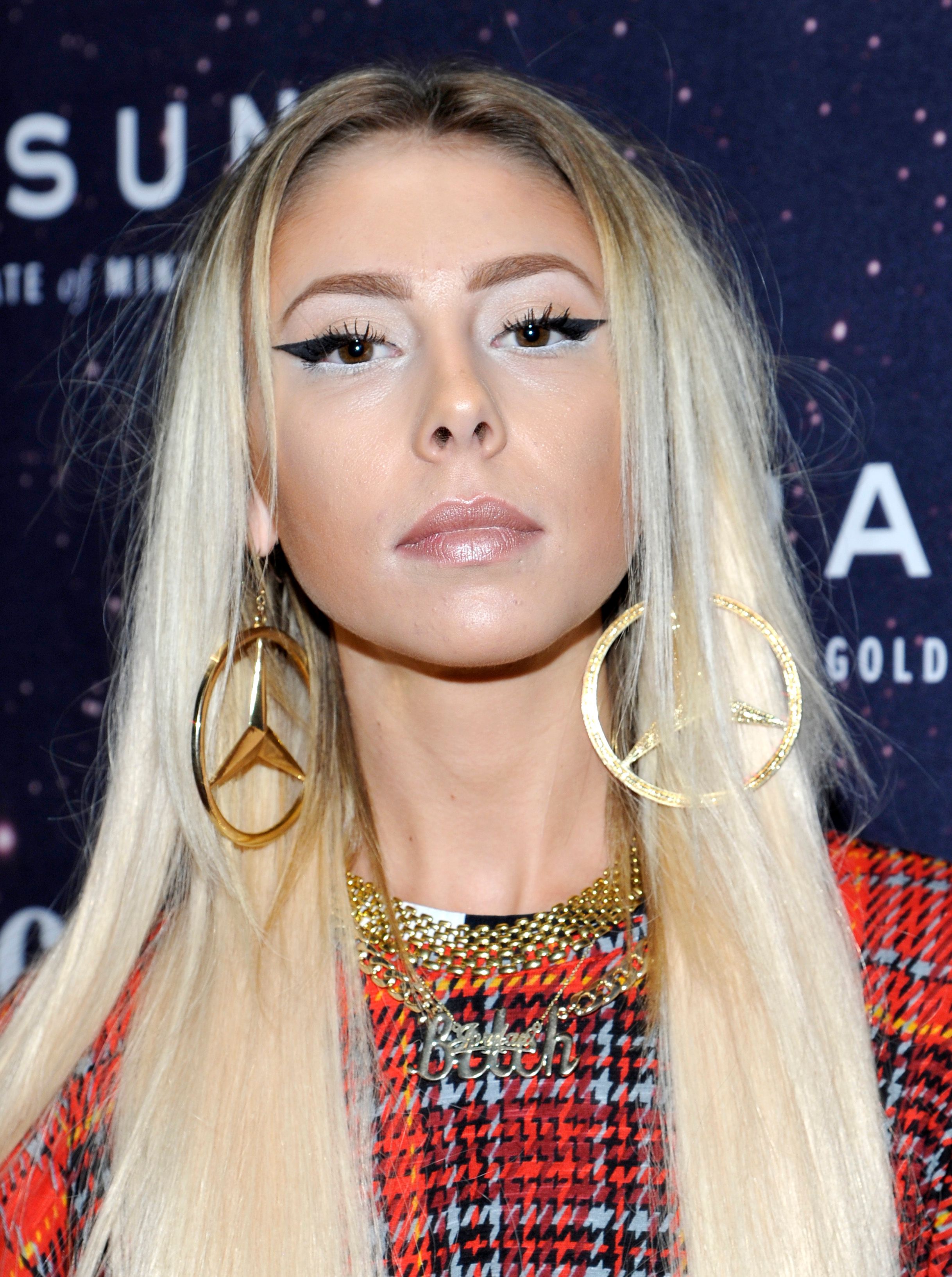
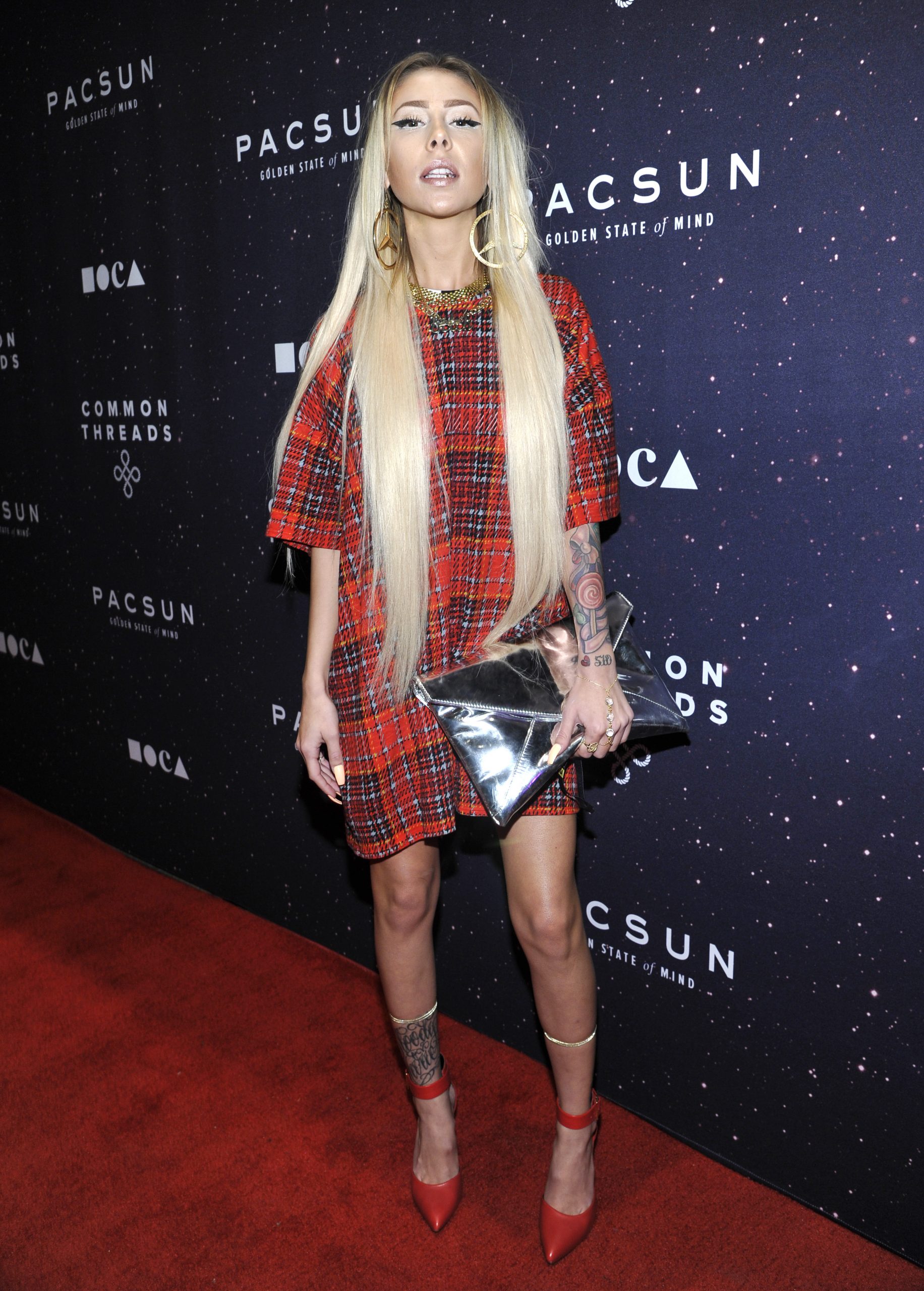
Kreayshawn, who attended the Berkeley Digital Film Institute, brought a visual sophistication to the group. She was the primary creative engine, directing her own music videos and crafting a look that mixed 1950s pin-up style with 1990s hip-hop influences. Lil Debbie, often described as the group’s stylist and "visual hype woman" in the early days, was responsible for much of the fashion-forward "look" that would later be emulated by mainstream pop stars. Her background in fashion and her distinctive personal style—heavy gold jewelry, designer logos, and manicured nails—became synonymous with the WGM brand.
Their early work was characterized by a raw, DIY energy. They utilized early social media platforms like MySpace, Tumblr, and Twitter to build a grassroots following. This era of their career was defined by authenticity; they were local figures who became digital curiosities, representing a collision of suburban white female identity and urban hip-hop culture that was polarizing and fascinating to the public.
The "Gucci Gucci" Phenomenon and Global Recognition
The trajectory of both Lil Debbie and Kreayshawn changed forever in May 2011 with the release of "Gucci Gucci." The song, a catchy critique of high-fashion conformity, became an overnight viral sensation. While Kreayshawn was the sole rapper on the track, Lil Debbie was prominently featured in the music video, serving as a visual anchor and embodying the lifestyle the song described.
The success of "Gucci Gucci" was unprecedented for an independent female artist at the time. It led to Kreayshawn signing a high-profile, multi-million dollar deal with Columbia Records. However, this sudden influx of industry attention and capital began to strain the group's internal dynamics. The video for "Gucci Gucci" essentially served as a showcase for the "White Girl Mob" aesthetic, but it also highlighted the disparity in their roles: Kreayshawn was the star, V-Nasty was the controversial loose cannon, and Lil Debbie was the stylist who was increasingly being sidelined by new management and label executives.
The song’s impact extended beyond music; it influenced fashion trends and introduced terms like "basic" into the mainstream lexicon. During this period, the duo was inseparable, appearing at major fashion weeks and on magazine covers. However, the pressure of a major label deal and the scrutiny of the global spotlight created a volatile environment that would eventually lead to the group's dissolution.
The Falling Out: Why Lil Debbie Left the White Girl Mob
The fracture between Lil Debbie and Kreayshawn remains one of the most discussed "breakups" in 2010s internet culture. In late 2011, Lil Debbie was officially removed from the White Girl Mob. The reasons for the split varied depending on who was being interviewed, revealing a deep-seated disconnect between the members and their management.
The Management Narrative
According to Kreayshawn and the group's management at the time, Lil Debbie was removed due to a lack of professional dedication. They claimed she was not focused on the musical aspect of the group and was often absent for critical meetings or recording sessions. From a label perspective, the "White Girl Mob" was being streamlined into a solo vehicle for Kreayshawn, and the peripheral members were seen as liabilities or unnecessary distractions.
The Personal Perspective
Lil Debbie’s account of the events was markedly different. She expressed feelings of betrayal, stating that she was "kicked out" via a phone call and was essentially ghosted by her best friend. Debbie argued that her contributions to the group's image and branding were undervalued and that she was pushed out as soon as the money became significant. She felt that the industry had driven a wedge between her and Kreayshawn, turning a genuine friendship into a cold business arrangement.
This falling out led to years of public tension, with both parties occasionally addressing the split in interviews and on social media. For Lil Debbie, the exit was a catalyst to find her own voice, leading her to transition from a stylist and video extra to a solo recording artist in her own right.
Comparative Career Analysis Post-Separation
Following the split, both artists took vastly different paths. Kreayshawn navigated the pressures of a major label debut, while Lil Debbie embraced the freedom of the independent "hustle."
| Feature | Lil Debbie (Jordan Capozzi) | Kreayshawn (Natassia Zolot) |
|---|---|---|
| Primary Output | Consistent independent EPs and albums | One major label album; later independent singles |
| Key Musical Style | West Coast "Ratchet" Rap, Club Anthems | Eclectic Pop-Rap, Alternative Hip-Hop |
| Business Strategy | Entrepreneurial (Cannabis, Fashion, Podcasting) | Creative Direction, DJing, Digital Art |
| Major Hits | "2 Cups," "Bake a Cake," "Slot Machine" | "Gucci Gucci," "Breakfast (Syrup)" |
| Label Status | Independent / Self-Distributed | Columbia Records (formerly); Independent |
| Current Focus (2026) | Lifestyle Brand "Cakes," Media Host | Visual Arts, Music Production, Directing |
Lil Debbie’s Independent Ascent
Lil Debbie’s solo career began with a point to prove. She collaborated with artists like RiFF RAFF and V-Nasty (who also eventually drifted from the WGM core) to establish her presence. Her debut EP, Queen D, and subsequent projects like California Sweetheart and Debbie, showcased a surprisingly competent flow and a knack for selecting "slapping" West Coast beats. She leaned heavily into her "Bay Area" identity, which resonated with a loyal fanbase that appreciated her transparency and work ethic. By 2026, she is recognized more as a lifestyle mogul, having successfully launched a cannabis line and maintained a consistent presence in the fashion world.
Kreayshawn’s Creative Pivot
Kreayshawn’s journey was more turbulent. Her debut album, Somethin 'Bout Kreay (2012), suffered from a difficult rollout and underwhelming sales, leading many to unfairly label her a "one-hit wonder." However, Kreayshawn’s value was always in her creative vision. After parting ways with Columbia, she shifted her focus toward directing music videos for other artists and developing her skills as a DJ. In the years leading up to 2026, she has been celebrated as a cult figure whose early work paved the way for the "hyperpop" and "clout rap" movements that followed.
Cultural Legacy and the "Tumblr Era" of Rap
The collective impact of Lil Debbie and Kreayshawn on the cultural landscape of the early 2010s cannot be overstated. They were among the first artists to leverage the aesthetic-driven nature of Tumblr to build a brand that was as much about "the look" as it was about the music.
- Aesthetic Influence: The WGM pioneered the "high-low" fashion mix—wearing Chanel or Gucci with streetwear and "gas station" accessories. This aesthetic became a blueprint for the "Instagram baddie" look that dominated the following decade.
- Visual Language: Kreayshawn’s directorial style—saturated colors, 90s graphics, and rapid-fire editing—influenced a generation of music video directors and TikTok creators.
- The Independent Blueprint: Lil Debbie’s ability to maintain a lucrative career for over a decade without major label support or a top 40 hit provided a roadmap for modern independent artists. She proved that niche loyalty is more sustainable than fleeting viral fame.
- Internet Subculture: They were the bridge between the late-era blog house scene and the burgeoning SoundCloud rap scene. They existed in a space where internet memes and hip-hop culture collided, a space that is now the mainstream norm.
Current Status and Reconciliation in 2026
As of 2026, the animosity that once defined the relationship between Lil Debbie and Kreayshawn has largely dissipated. Time and the shared experience of navigating the "fame machine" led to a public reconciliation in the early 2020s. While they do not operate as a formal duo, they have expressed mutual respect for each other’s growth and survival in a notoriously difficult industry.
Lil Debbie continues to thrive as an independent entity. Her brand is built on "realness" and her status as a "hustler" who never stopped working. She remains a fixture in the California cannabis community and a frequent commentator on the evolution of women in hip-hop.
Kreayshawn has found peace as a multidisciplinary artist. She is often sought out for her creative consulting and has found a second career as a respected DJ and visual artist. She has been vocal about the financial pitfalls of the music industry, using her experience to educate younger artists about the dangers of predatory contracts.
FAQ
1. Are Lil Debbie and Kreayshawn still friends?
Yes, as of 2026, they have reconciled their past differences. After years of public estrangement following Lil Debbie’s departure from the White Girl Mob in 2011, the two have re-established a friendly relationship, often supporting each other's independent ventures and speaking fondly of their shared history in the Oakland scene.
2. Who were the original members of the White Girl Mob?
The White Girl Mob consisted of three primary members: Kreayshawn (the lead rapper and creative director), Lil Debbie (the stylist and visual hype woman), and V-Nasty (the most controversial rapper of the group, known for her raw style).
3. Why did "Gucci Gucci" go viral?
"Gucci Gucci" went viral because it perfectly captured the cultural zeitgeist of 2011. It combined a catchy, repetitive hook with a unique visual aesthetic that was tailored for the Tumblr-using demographic. It was also polarizing, sparking debates about cultural appropriation and the authenticity of white female rappers, which only served to increase its visibility.
4. What happened to V-Nasty?
V-Nasty continued to release music independently after the White Girl Mob dissolved. She collaborated with Gucci Mane on the album BAYTL in late 2011 but eventually took a step back from the spotlight. In recent years, she has remained active on social media and occasionally releases new material, though she maintains a lower public profile than Debbie or Kreayshawn.
5. Did Lil Debbie ever release a full-length album?
Yes, Lil Debbie has released several full-length projects and EPs. Her debut studio album, Debbie, was released in 2016, followed by several other independent projects that solidified her position as a staple in the West Coast independent rap scene.
Conclusion: Lessons from the White Girl Mob Era
The story of Lil Debbie and Kreayshawn is a testament to the power and the peril of the internet. They rose to fame in an era before "influencer" was a standard job title, navigating a landscape where viral success could lead to a million-dollar contract one day and a public fallout the next.
For modern creators, their journey offers two distinct lessons: the importance of creative control (as seen in Kreayshawn’s directorial work) and the necessity of diversifying one's brand (as seen in Lil Debbie’s entrepreneurial success). While the White Girl Mob may be a relic of the early 2010s, the individuals who formed it remain influential figures who survived the "one-hit wonder" trap to build lasting legacies on their own terms.
Image Gallery