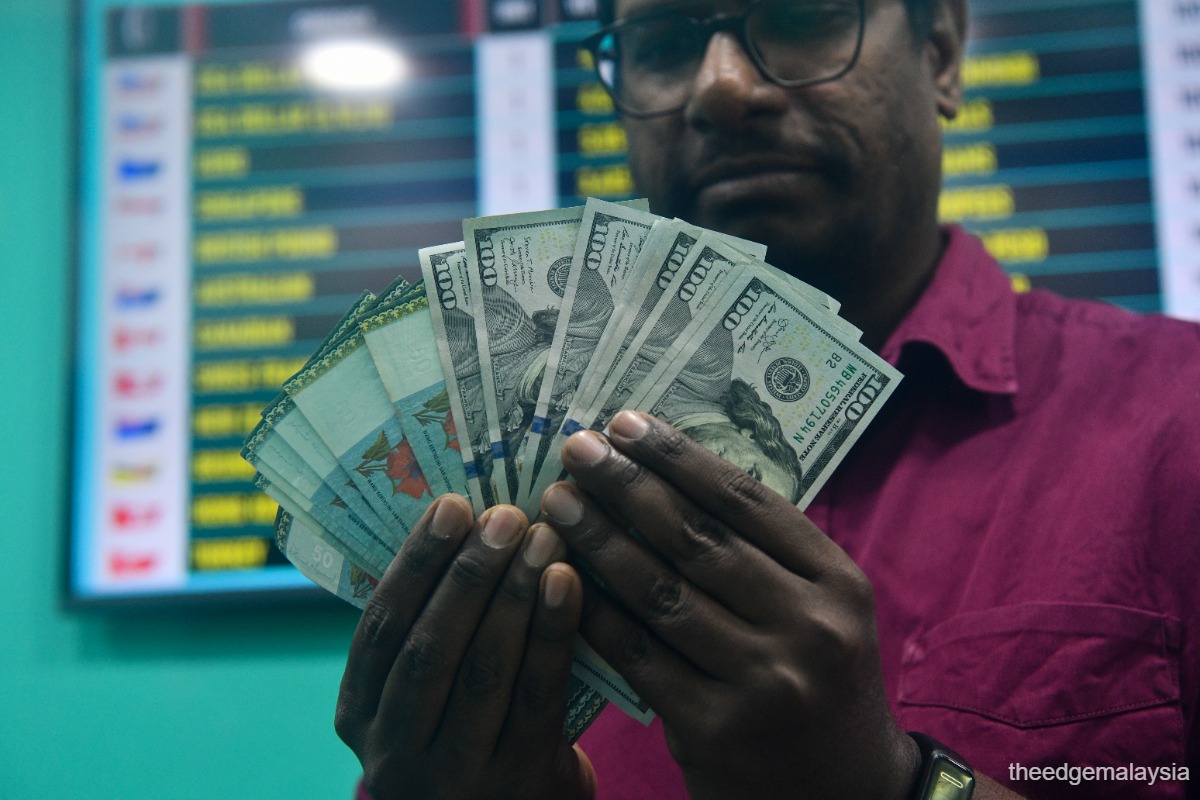
Understanding the Malaysia Country Currency for Global Trade
The Malaysian Ringgit (ISO code: MYR) is the official currency of Malaysia, managed by the Central Bank of Malaysia (Bank Negara Malaysia). For global trade, the Ringgit is classified as a non-internationalized currency, meaning it can...
The Malaysian Ringgit (ISO code: MYR) is the official currency of Malaysia, managed by the Central Bank of Malaysia (Bank Negara Malaysia). For global trade, the Ringgit is classified as a non-internationalized currency, meaning it cannot be legally traded outside Malaysia’s borders or in offshore markets, requiring specific compliance with local foreign exchange policies.
Contents
Navigating the Malaysian financial landscape in 2026 requires more than just a basic understanding of exchange rates. For international corporations, exporters, and investors, the Malaysian Ringgit represents both a stable medium of exchange and a highly regulated asset. Because Malaysia is a major hub for electronics, petroleum, and palm oil exports, understanding how to settle transactions in MYR—or when to use foreign currencies—is essential for operational efficiency and legal compliance.
The Regulatory Framework of the Malaysian Ringgit
The primary authority governing the Ringgit is Bank Negara Malaysia (BNM). Unlike the Euro or the US Dollar, the Ringgit is subject to strict "Non-Internationalization" policies. This policy was solidified following the 1997 Asian Financial Crisis to protect the currency from offshore speculation.
In practical terms, this means that the Ringgit cannot be settled outside of Malaysia. If a company in London and a company in New York wish to trade using Ringgit, they cannot do so through their local banks unless those banks have a specific arrangement with a licensed onshore bank in Malaysia. All MYR-denominated transactions must ultimately settle within the Malaysian banking system.
As of 2026, BNM continues to enforce the Foreign Exchange Policy (FEP), which outlines what residents and non-residents can and cannot do with the currency. These rules are designed to ensure the stability of the financial system while providing enough flexibility for genuine trade and investment activities.
Currency Basics: Symbols, Denominations, and Terminology
The currency is officially known as the Malaysian Ringgit. The symbol used within the country is RM, while the international standard code is MYR. It is subdivided into 100 sen.
| Feature | Details |
|---|---|
| ISO Code | MYR |
| Symbol | RM |
| Subunit | 1 sen (1/100 of a Ringgit) |
| Common Banknotes | RM1, RM5, RM10, RM20, RM50, RM100 |
| Regulator | Bank Negara Malaysia (BNM) |
| Exchange Regime | Managed Float |
Understanding the "Managed Float" system is critical for trade. The value of the MYR is determined by market forces (supply and demand), but BNM intervenes when there is excessive volatility to ensure that the exchange rate does not move in a way that disrupts the national economy.
Settlement Options for International Trade
When engaging in global trade with Malaysian entities, businesses generally have two choices for settlement: using a foreign currency (such as USD, EUR, or CNY) or using the Malaysian Ringgit.
1. Settlement in Foreign Currency
Most Malaysian exporters and importers are accustomed to trading in US Dollars. Under current FEP rules, Malaysian residents are permitted to receive payments in foreign currency for the export of goods. This is often the simplest path for global partners as it avoids the complexities of the Ringgit’s non-internationalization rules.
2. Settlement in Malaysian Ringgit (MYR)
While less common for non-regional trade, settling in MYR is possible and sometimes encouraged to reduce exchange rate risks for the Malaysian party. However, the non-resident party must open an External Account with a licensed onshore bank in Malaysia.
Non-residents can use these External Accounts to:
- Settle trade in goods and services with residents.
- Invest in Ringgit-denominated assets (like stocks on Bursa Malaysia or government bonds).
- Pay for administrative and statutory expenses within Malaysia.
3. Local Currency Settlement Frameworks (LCS)
To reduce reliance on the US Dollar, BNM has established bilateral Local Currency Settlement Frameworks with several neighboring countries, including Thailand, Indonesia, and China. These frameworks allow businesses in these countries to settle trade directly in MYR and their respective local currencies (e.g., THB, IDR, or CNY) through designated banks, bypassing the need for a mid-tier conversion into USD.
Key Drivers of the Ringgit's Value in 2026
For financial planning and hedging, global traders must monitor the factors that influence the MYR exchange rate. In 2026, the Ringgit remains sensitive to both domestic policy and global macroeconomic shifts.
Commodity Prices
Malaysia is a net exporter of oil and gas (through the state-owned Petronas) and the world's second-largest producer of palm oil. Consequently, the Ringgit often shows a strong correlation with global Brent crude prices and Crude Palm Oil (CPO) futures. When energy prices rise, the MYR typically strengthens.
The Electronics and Semiconductor Cycle
The Electrical and Electronics (E&E) sector accounts for a massive portion of Malaysia's manufacturing exports. As a key player in the global semiconductor assembly and testing supply chain, the Ringgit's strength is often tied to global demand for consumer electronics and automotive chips.
Interest Rate Differentials
The Overnight Policy Rate (OPR) set by BNM is the benchmark interest rate. If the OPR is significantly higher than the US Federal Reserve's rates, capital tends to flow into Malaysia, strengthening the Ringgit. Conversely, if the US raises rates and Malaysia stays pat, the MYR may face depreciation pressure.
China's Economic Performance
China is Malaysia's largest trading partner. Any significant slowdown or acceleration in the Chinese economy directly impacts Malaysian export volumes, which in turn affects the demand for the Ringgit.
Managing Risks: Hedging and Foreign Exchange Tools
Because the Ringgit can be volatile, businesses must utilize hedging instruments. However, due to the non-internationalization policy, offshore MYR derivatives (like non-deliverable forwards or NDFs) are heavily discouraged by BNM and often lack liquidity.
Instead, BNM encourages the use of Onshore Hedging. Global firms can access:
- Forward Contracts: Locking in an exchange rate for a future date through a licensed Malaysian bank.
- Currency Swaps: Exchanging one currency for another for a set period, useful for managing liquidity.
- Dynamic Hedging: A framework that allows non-resident institutional investors to manage their MYR exposure more flexibly through registered brokers.
To access these tools, non-residents must typically provide "underlying evidence" of a trade or investment. You cannot legally hedge MYR for purely speculative purposes without a corresponding commercial transaction.
Practical Steps for Global Traders
If you are planning to enter the Malaysian market or increase your trade volume in 2026, follow these steps to ensure financial compliance:
- Select a Licensed Onshore Bank: Establish a relationship with one of the major Malaysian banks (e.g., Maybank, CIMB, or Public Bank) or a global bank with a full Malaysian license (e.g., HSBC, Standard Chartered, or Citi).
- Verify FEP Status: Consult the BNM Foreign Exchange Policy portal to determine if your specific transaction type requires prior approval. Most "current account" transactions (trade in goods and services) do not require specific approval, but "capital account" transactions (loans and investments) might.
- Define Settlement Currency: Decide whether to settle in USD or MYR. If using MYR, ensure your Malaysian partner has the capacity to handle the transaction and that you have the necessary External Account setups.
- Monitor Trade Documentation: Ensure that all invoices and shipping documents clearly state the currency of settlement. For MYR settlements, banks will require these documents to facilitate the exchange.
Frequently Asked Questions
Can I buy Malaysian Ringgit at my local bank in the US or Europe?
You can usually purchase small amounts of physical MYR banknotes for travel purposes at international currency kiosks. However, for business transactions, you cannot "buy" MYR and hold it in a standard offshore bank account. Global trade transactions involving MYR must be facilitated through a bank that has access to the Malaysian onshore market.
Is the Ringgit pegged to the US Dollar?
No. While Malaysia did peg the Ringgit to the USD (at a rate of 3.80) from 1998 to 2005, it currently operates under a managed float system. The value is determined by the market, with BNM intervening only to prevent extreme volatility.
What is the "External Account" limit for non-residents?
As of 2026, there is generally no limit on the amount of funds a non-resident can hold in an External Account, provided the funds are sourced from permitted sources (like trade payments or the sale of Malaysian assets) and are used for permitted purposes within the country.
Can I repatriate my profits from Malaysia in foreign currency?
Yes. Malaysia maintains a liberal policy regarding the repatriation of capital, profits, and dividends. Non-residents are free to convert their MYR holdings in External Accounts into foreign currency and remit them abroad, provided they use licensed onshore banks for the conversion.
Why is the Ringgit called "non-internationalized"?
This is a policy choice by the Malaysian government to prevent the currency from being traded in "offshore" markets (like Singapore or London) where the central bank cannot control volatility. By keeping the market "onshore," BNM can better manage the national economy and prevent speculative attacks.
Strategic Recommendation
For global trade in 2026, the most efficient approach remains settling in US Dollars while monitoring the onshore MYR rate for pricing adjustments. However, for firms with deep roots in the Malaysian supply chain, opening an External Account and utilizing onshore hedging provides the best protection against currency fluctuations. Always ensure your legal and finance teams stay updated on the latest FEP notices from Bank Negara Malaysia, as these regulations are subject to periodic refinements based on global economic conditions.
Image Gallery