What Happened to Dora? The Evolution and Current Status of the Explorer
As of 2026, Dora the Explorer remains a cornerstone of children’s media, having successfully transitioned from her 2D animation roots into a modern CG-animated franchise. After the original series ended in 2014, the character was revit...
As of 2026, Dora the Explorer remains a cornerstone of children’s media, having successfully transitioned from her 2D animation roots into a modern CG-animated franchise. After the original series ended in 2014, the character was revitalized through a 2019 live-action film and a 2024 Paramount+ reboot, which continues to produce new episodes today.
Contents
For over two decades, Dora Márquez has been more than just a cartoon character; she has served as a global cultural ambassador and a pioneer in bilingual preschool education. However, the multi-year gaps between major projects and a series of viral internet rumors have often led audiences to ask: what exactly happened to Dora? To understand her current standing in 2026, one must look at the strategic shifts in animation style, the aging of her original audience, and the brand’s resilience in a crowded streaming market.
The Original Era: A Legacy of Bilingual Education (2000–2014)
The journey began in August 2000 when Dora the Explorer premiered on Nickelodeon. Created by Chris Gifford, Valerie Walsh Valdes, and Eric Weiner, the show broke new ground by incorporating a "play-along" format that invited children to participate in the narrative. The original series ran for eight seasons and 172 episodes, making it one of the longest-running shows in Nickelodeon’s history.
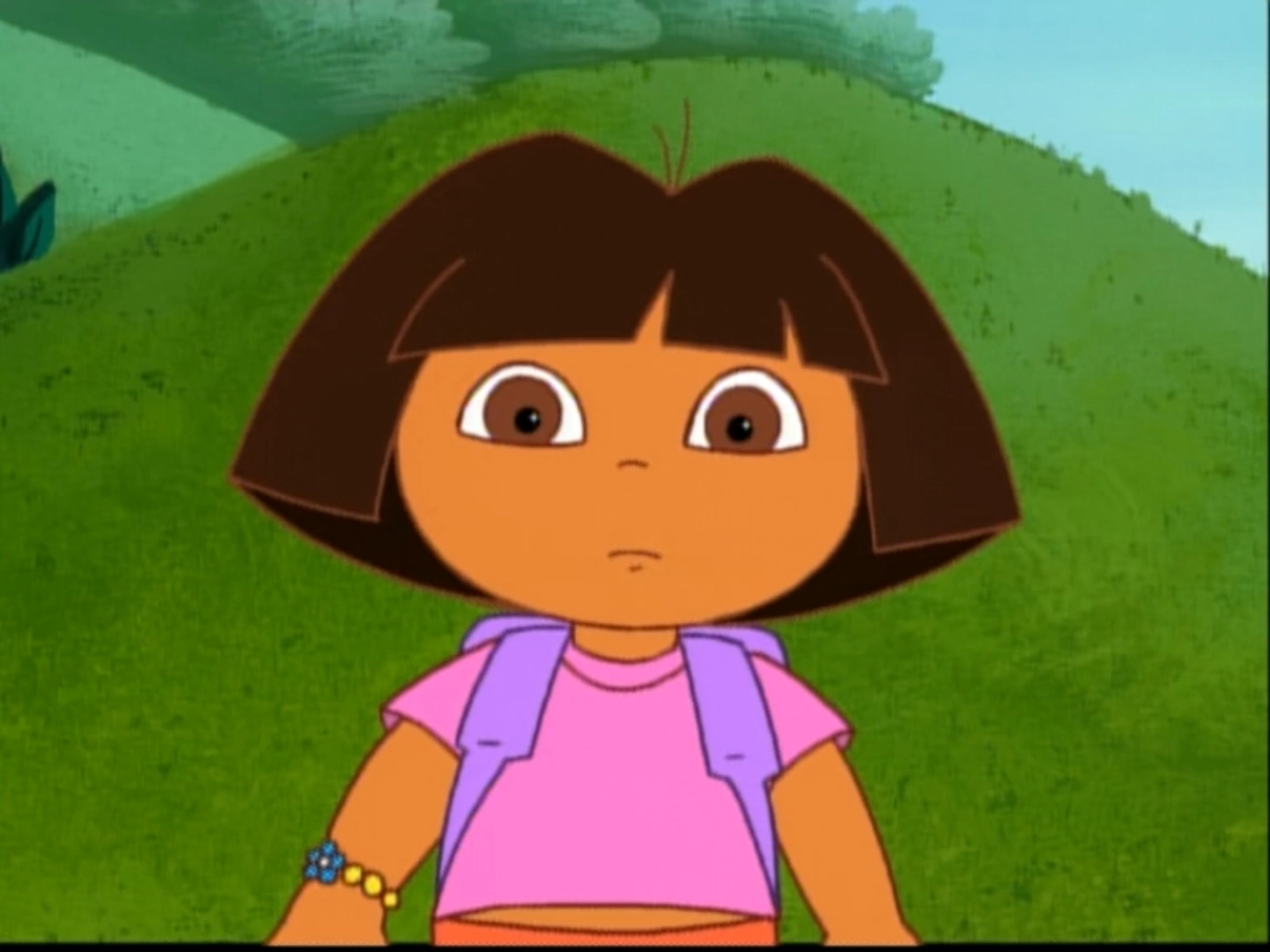
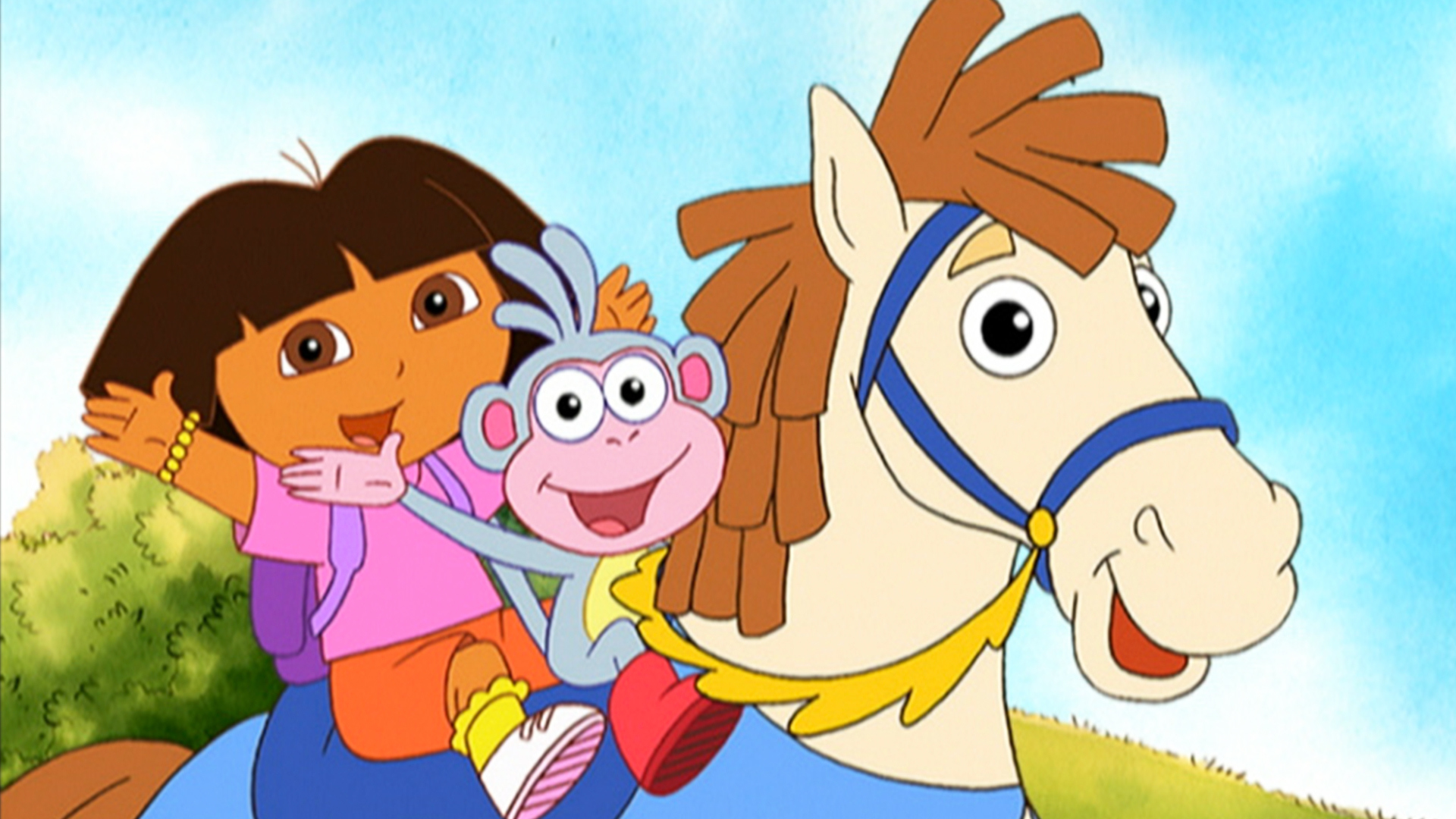
During this era, Dora was characterized by her iconic 2D design, her purple backpack, and her companion, Boots the Monkey. The primary objective was to teach problem-solving and Spanish language skills to English-speaking preschoolers (and English to international audiences). When production on the original series wrapped in 2014, it wasn't due to a lack of popularity, but rather a shift in how Nickelodeon wanted to manage the aging of their brand. The network sought to experiment with different iterations of the character to see if she could grow with her audience.
The Spin-Off and the Live-Action Leap
Following the conclusion of the flagship show, the franchise entered a period of experimentation. Dora and Friends: Into the City! (2014–2017) featured an older, pre-teen version of Dora living in a fictional city called Playa Verde. This version of the character traded her jungle adventures for more urban, social-focused stories. While it maintained the bilingual element, it moved away from the simple, repetitive structure of the original, which received mixed reactions from long-time fans who preferred the classic "forest-and-map" formula.
The most significant shift occurred in 2019 with the release of the live-action theatrical film, Dora and the Lost City of Gold. Starring Isabela Merced, the film took a meta-analytical approach, acknowledging the quirks of the original cartoon while placing Dora in a high-stakes adventure reminiscent of Indiana Jones. The film was a critical and commercial success, proving that the Dora intellectual property (IP) had significant "nostalgia equity" among young adults while still appealing to children. This success laid the groundwork for the 2024 return to animation.
The 2024 Reboot: A New Dimension for a New Generation
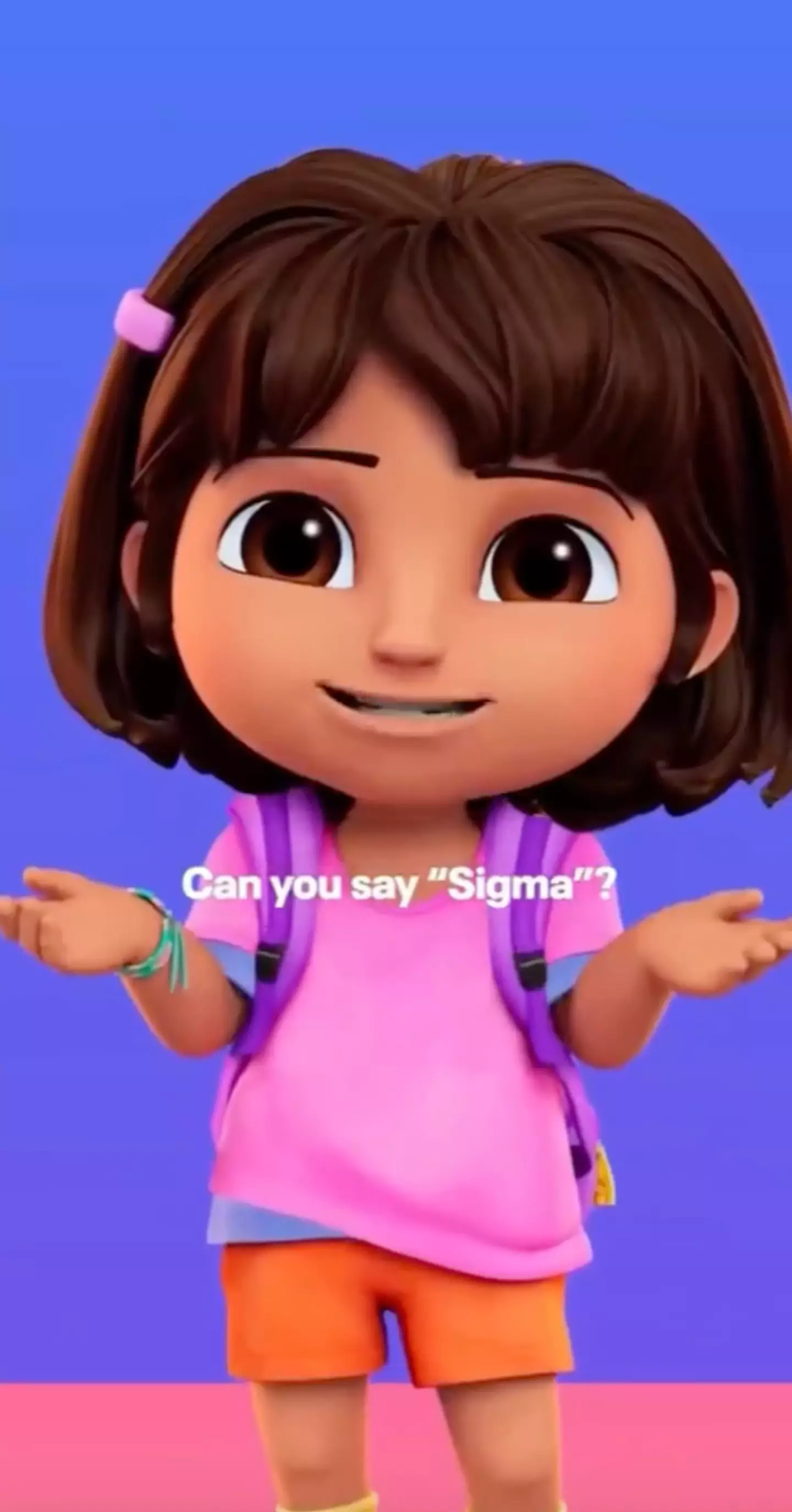
In April 2024, a major CG-animated reboot titled simply Dora premiered on Paramount+. As of 2026, this series is the primary vehicle for the character. This iteration returned to the classic jungle setting and the original episodic structure but utilized high-definition 3D modeling.
Key Changes in the 2026 Era
The current production of Dora reflects modern viewing habits and pedagogical standards:
- Visual Fidelity: The move to CG animation allowed for more expressive character movements and more detailed environments, which helps the show compete with modern hits like Paw Patrol.
- Voice Casting: The role of Dora is now voiced by Diana Zermeño, who brings a contemporary energy to the character while maintaining the helpful, inquisitive tone established by predecessors Kathleen Herles and Fátima Ptacek.
- Curriculum Expansion: While Spanish remains a core component, the 2026 episodes often incorporate broader cultural themes and updated technology (like the Map being digital-integrated).
Comparison of Dora Franchise Iterations
To understand "what happened" to the character, it is helpful to see how she has changed across different eras.
| Feature | Original Series (2000-2014) | Dora and Friends (2014-2017) | Lost City of Gold (2019 Film) | Modern Reboot (2024-Present) |
|---|---|---|---|---|
| Animation Style | 2D Hand-drawn | 2D Digital | Live-Action | 3D CG Animation |
| Dora’s Age | 7 years old | 10 years old | 16 years old | 7 years old |
| Primary Setting | Tropical Jungle | Playa Verde (Urban) | Peruvian Jungle/High School | Tropical Jungle |
| Key Companion | Boots the Monkey | A group of human friends | Boots & Diego | Boots the Monkey |
| Platform | Nickelodeon | Nick Jr. | Theatrical Release | Paramount+ / Nickelodeon |
Debunking the "How Did Dora Die?" Viral Rumors
One of the most frequent reasons users search for "what happened to Dora" involves a viral TikTok and YouTube trend that gained traction in the early 2020s. This trend encouraged users to Google "how did Dora die."
The search results often pointed to a fan-made "creepypasta" (internet horror story) or a parody video titled "Dora No Escondas Nada" which featured various gruesome, non-canon scenarios. It is essential to clarify that Dora has never died in any official Nickelodeon production. These rumors are entirely fabricated by internet users and do not reflect the actual storyline of the show. In the official canon, Dora continues to be a healthy, active character. The "death" rumor is a classic example of "shock-value" content designed to go viral by subverting the innocent nature of a beloved childhood icon.
The Technical Evolution: From 2D to 3D
The transition from the classic 2D look to the current 3D CG style was a strategic decision by Paramount Global. In the current 2026 media landscape, 3D animation is often more cost-effective for long-term asset reuse and is generally preferred by the current "iPad generation" of preschoolers.
The 2024 reboot’s production involved specialized software to ensure that the character's iconic silhouettes remained recognizable even in a three-dimensional space. This technical shift also allowed for more dynamic "breaking the fourth wall" moments. When Dora asks the audience to help her find an item, the lighting and camera depth-of-field in the 2026 version create a more immersive experience than the flat backgrounds of the early 2000s.
The Role of Streaming: Why Dora Moved to Paramount+
Another reason for the perceived "disappearance" of Dora from traditional broadcast television is the shift toward streaming services. While reruns of the original series still air on Nick Jr. channels globally, all new content is developed primarily for Paramount+.
This shift is part of a larger industry trend where high-value IP is used to drive subscriptions. For parents in 2026, "what happened to Dora" is simply that she moved houses. To find the latest adventures, audiences now look to digital platforms rather than waiting for a specific time slot on a cable schedule. This has allowed the writers to create more serialized content and "special events" that aren't possible under the old broadcast model.
Frequently Asked Questions
Is the original Dora the Explorer still on TV?
Yes, the original 2D series remains in heavy rotation on the Nick Jr. channel and is available in its entirety for streaming on Paramount+. While no new episodes of the 2D version are being produced, it continues to reach millions of new viewers every year.
Who is the voice of Dora in 2026?
The current voice of Dora in the 2024 reboot and subsequent 2026 episodes is Diana Zermeño. She took over the role to provide a voice that matches the younger, 7-year-old version of Dora in the CG-animated series.
Why does Dora look different now?
Dora’s appearance has changed to reflect modern animation standards. The 2024 reboot uses 3D Computer Graphics (CG) to create a more cinematic and tactile world. This is the same reason other classic characters, like Mickey Mouse or Looney Tunes characters, have received 3D updates over the years.
Did Dora the Explorer get cancelled?
No, the franchise was never cancelled; it has only been "reimagined" at various points. Whenever one series ends (like the original in 2014 or Dora and Friends in 2017), it is usually to make room for a new project within the same franchise.
Is there going to be another live-action movie?
While there have been rumors of a sequel to Dora and the Lost City of Gold, as of 2026, Paramount has focused its resources on the animated reboot. However, the 2019 film remains a popular title in their streaming library.
Practical Recommendation for Parents and Fans
If you are looking for the "current" Dora, the best course of action is to subscribe to Paramount+ or check the local Nick Jr. listings for the 2024 reboot series. This version provides the most up-to-date educational curriculum and high-quality animation suitable for modern devices. For those seeking nostalgia, the original 2000s episodes are still the gold standard for bilingual education and are widely available on digital storefronts like Amazon Prime Video and Apple TV.
Avoid engaging with unofficial "lore" videos on social media platforms like TikTok, as these are often designed to shock and do not represent the educational or safe environment that the official Dora the Explorer brand maintains.
Image Gallery