Did Sophie, Duchess of Edinburgh, Skip Princess Diana’s Funeral?
Sophie, Duchess of Edinburgh (then known as Sophie Rhys-Jones), did not skip the funeral of Diana, Princess of Wales. She attended the funeral service held at Westminster Abbey on September 6, 1997. Accompanied by her then-long-term pa...
Sophie, Duchess of Edinburgh (then known as Sophie Rhys-Jones), did not skip the funeral of Diana, Princess of Wales. She attended the funeral service held at Westminster Abbey on September 6, 1997. Accompanied by her then-long-term partner, Prince Edward, she was present to pay her respects alongside other members of the British Royal Family and invited guests.
Contents
The tragic death of Diana, Princess of Wales, in August 1997 remains one of the most significant events in modern British history. Because the funeral was a massive global event watched by billions, the presence and absence of various figures are often scrutinized decades later. In the case of Sophie, Duchess of Edinburgh, her attendance is a matter of historical record, though her role at the time was significantly different from the prominent position she holds within the monarchy today in 2026.
The Status of Sophie Rhys-Jones in 1997
To understand why some might question her presence, it is essential to look at her status in 1997. At the time of Princess Diana’s death, Sophie Rhys-Jones was not yet a member of the Royal Family. She was a successful public relations professional who had been in a committed relationship with Prince Edward, the Queen’s youngest son, since 1993.
Because they were not yet engaged—their engagement would not be announced until January 1999—Sophie did not have an official royal title or a formal "job" within the institution. However, she was already a fixture at private family gatherings and was frequently seen with Prince Edward. Her attendance at the funeral was a reflection of her serious relationship with Edward and the royal family's recognition of her as a long-term partner.
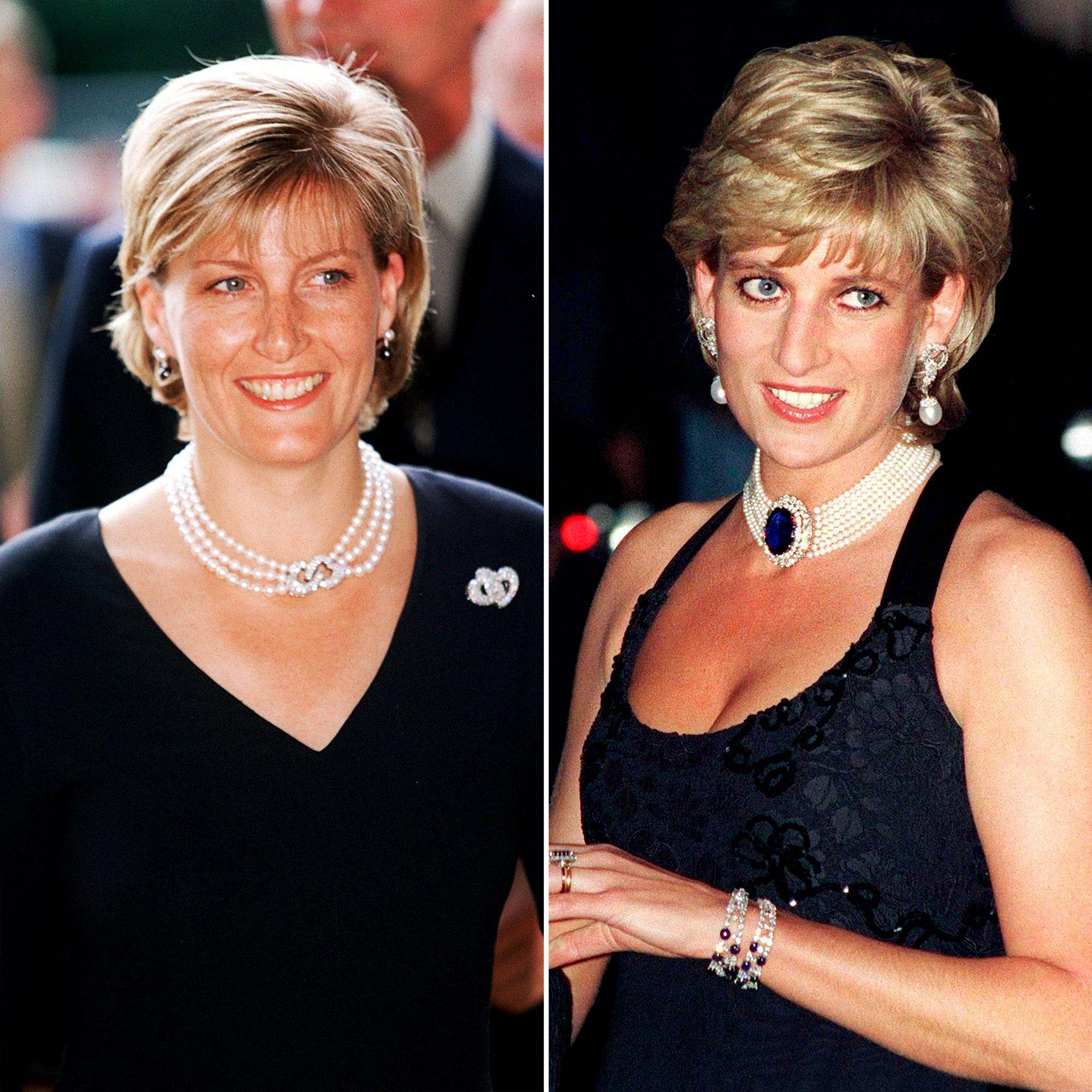
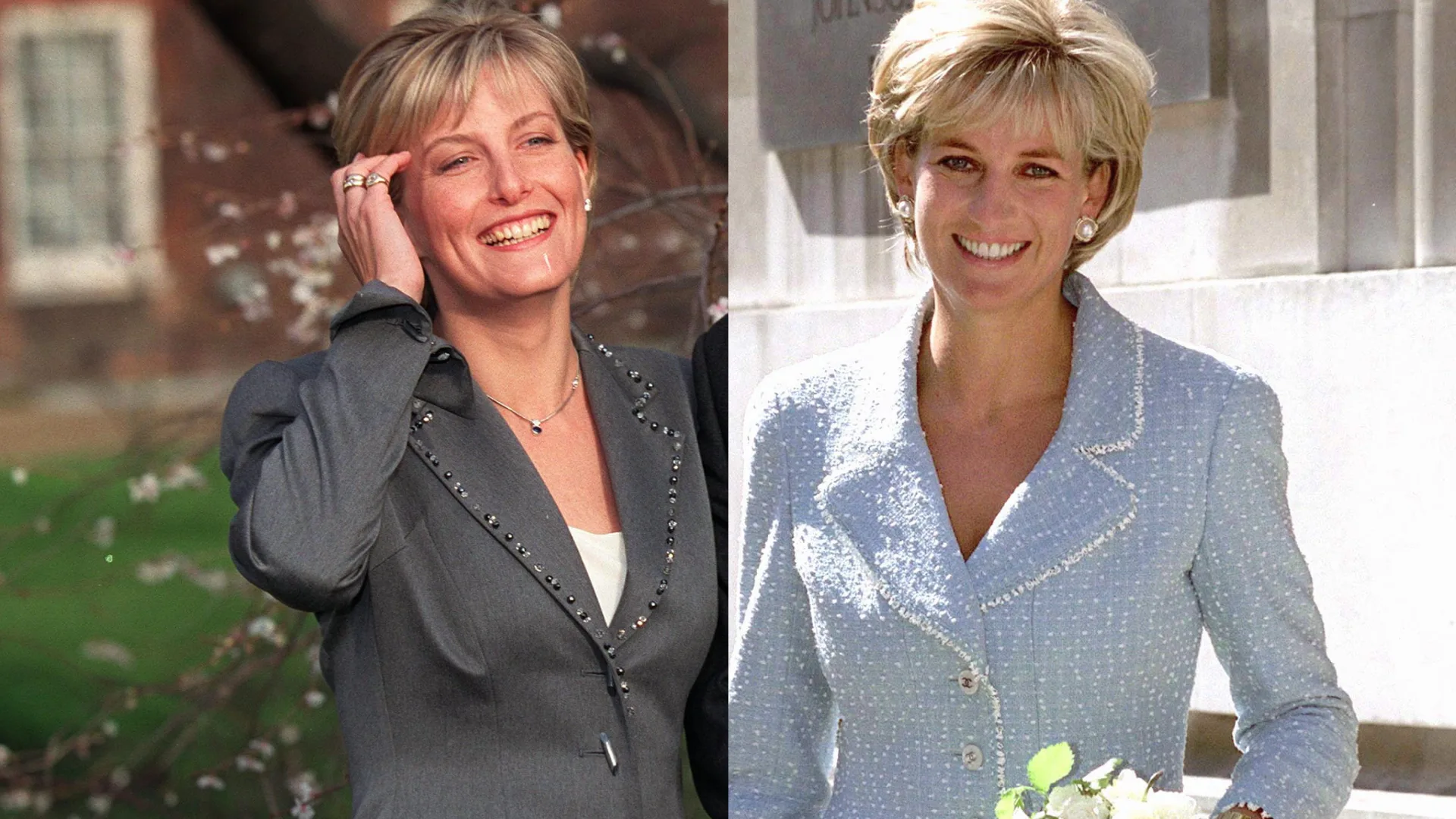
The press often compared Sophie to Diana during this period, primarily due to their physical similarities. Both women were blonde, favored similar fashion choices in the mid-90s, and were roughly the same age (Diana was born in 1961, Sophie in 1965). This media-driven comparison meant that Sophie was under a microscope during the funeral proceedings, yet she remained a quiet, supportive figure in the background.
Details of Sophie’s Attendance at Westminster Abbey
On the morning of September 6, 1997, Sophie Rhys-Jones arrived at Westminster Abbey as part of the broader group of mourners. While the world focused on the heartbreaking sight of Prince William, Prince Harry, Prince Charles, Prince Philip, and Earl Spencer walking behind Diana’s coffin, the rest of the Royal Family and their guests entered the Abbey through different protocols.
Sophie was photographed arriving at the Abbey wearing a somber, traditional mourning outfit. Her attire consisted of a black knee-length dress and a matching pillbox-style hat with a small veil. She arrived alongside Prince Edward, and they took their seats within the Abbey before the funeral procession reached the doors.
During the service, Sophie was seated with the Royal Family, though her placement was dictated by the strict "order of precedence" that governs royal seating. Since she was not a spouse at the time, she was positioned behind the senior royals. Her presence was understated, which was consistent with her public persona during the early years of her relationship with Edward. She did not participate in the public procession behind the gun carriage, as that was strictly reserved for the immediate male relatives of the deceased and the Spencer family.
Why Some Believe She Was Absent
The misconception that Sophie, Duchess of Edinburgh, "skipped" the funeral likely stems from several factors related to the television coverage and the specific focus of the day’s events:
1. Focus on the Procession
The most enduring images of Diana’s funeral are those of the five male mourners walking from Kensington Palace to Westminster Abbey. Because this was the focal point of the television broadcast, many viewers did not see the hundreds of other dignitaries and family members entering the Abbey. Sophie, not being part of that walk, was naturally less visible to the cameras.
2. Lack of Official Royal Status
In 1997, Sophie was not a "working royal." She was a guest of Prince Edward. In the massive crowds and the sea of black-clad mourners, a person who was not yet a household name globally could easily be missed by the casual observer. Unlike the Duchess of York (Sarah Ferguson), who had been a prominent member of the family for over a decade, Sophie was still a relatively new face to the international public.
3. The Private Nature of the Burial
It is important to distinguish between the funeral service at Westminster Abbey and the burial at Althorp. The service at the Abbey was a massive public event with 2,000 guests. The burial, however, was a deeply private affair held on the Spencer family estate in Northamptonshire. Sophie did not attend the private burial at Althorp; only Diana's immediate family (her mother, siblings, and sons) and Prince Charles were present for that final ceremony. Those who confuse the two events might mistakenly assume she was absent from the funeral altogether.
The Relationship Between Sophie and Diana
While they were never sisters-in-law in the literal sense during Diana’s lifetime, Sophie and Diana did move in the same circles for several years. Sophie began dating Prince Edward in 1993, a year after Charles and Diana announced their formal separation.
Reports from the era suggest that the relationship between the two women was cordial but not exceptionally close. Diana was living a very different life, navigating the aftermath of her separation and her eventual divorce in 1996, while Sophie was navigating the early stages of her entry into the royal orbit.
However, Sophie was one of the few people who could understand the intense media pressure Diana faced. The tabloids were relentless in their pursuit of Sophie, often trying to frame her as "the next Diana." In a 2020 interview, Sophie reflected on the media's obsession with her in those early years, noting that it was a difficult time to find one's footing. Her presence at the funeral was a mark of respect for a woman who had, for better or worse, defined the era of the Royal Family into which Sophie was moving.
Comparison of Key Attendees at Princess Diana's Funeral
The following table outlines the roles and positions of various key figures during the 1997 funeral service to provide context on where Sophie Rhys-Jones stood.
| Attendee | Relationship to Diana | Role in Funeral | Status at the Time |
|---|---|---|---|
| Prince Charles | Ex-Husband | Walked in the procession | Heir to the Throne |
| Prince William | Elder Son | Walked in the procession | School student (Eton) |
| Prince Harry | Younger Son | Walked in the procession | School student |
| Earl Spencer | Brother | Walked in the procession / Gave Eulogy | Head of Spencer Family |
| Sarah, Duchess of York | Former Sister-in-law | Attended Abbey Service | Divorced from Prince Andrew |
| Sophie Rhys-Jones | Partner of Prince Edward | Attended Abbey Service | PR Professional / Girlfriend |
| Queen Elizabeth II | Former Mother-in-law | Attended Abbey Service | Reigning Monarch |
| Hillary Clinton | International Guest | Attended Abbey Service | First Lady of the United States |
Sophie’s Evolution: From Mourner to Senior Royal
Looking back from 2026, Sophie’s presence at the 1997 funeral serves as a "before" snapshot of her long journey within the monarchy. In 1997, she was a supportive girlfriend standing in the shadows of a monumental tragedy. By the time of the funerals of Prince Philip (2021) and Queen Elizabeth II (2022), Sophie had become one of the most senior and respected members of the Royal Family.
Following her marriage to Prince Edward in 1999, she became the Countess of Wessex. Over the decades, she earned the late Queen Elizabeth II's deep trust, often described as a "second daughter" to the monarch. When Prince Edward was created Duke of Edinburgh in 2023, Sophie became the Duchess of Edinburgh, a title once held by the Queen herself.
Her trajectory is often cited by royal historians as a model of how to successfully integrate into the Royal Family: by staying low-profile during the early years (including 1997), maintaining a professional career as long as possible, and slowly taking on more responsibility with a focus on duty rather than celebrity.
The Protocol of Royal Funerals
Royal funerals are governed by strict protocols that dictate everything from the color of the mourning clothes (black, with no jewelry other than pearls or diamonds) to the order in which people enter the building.
In 1997, the protocol for "partners" who were not yet married was somewhat ambiguous compared to today’s standards. However, the Queen specifically wanted the funeral to be a "unique funeral for a unique person," which allowed for a slightly wider net of attendees than a traditional state funeral might have. Sophie’s inclusion was a signal from the Queen and Prince Edward that she was considered a member of the "family circle," even if she did not yet have the legal status of a royal spouse.
FAQs
Did Sophie, Duchess of Edinburgh, attend the private burial at Althorp?
No. The burial of Princess Diana was a strictly private event for her immediate family. The only members of the Royal Family who attended the interment at Althorp were Prince Charles and Diana’s sons, Prince William and Prince Harry. Sophie Rhys-Jones attended the public service at Westminster Abbey but did not travel to the Spencer estate for the burial.
What was Sophie, Duchess of Edinburgh, known as in 1997?
In 1997, she was known as Sophie Rhys-Jones. She did not receive the title of Countess of Wessex until her marriage to Prince Edward in June 1999. She became the Duchess of Edinburgh in March 2023.
Were Sophie and Diana friends?
While they knew each other and moved in the same royal circles, they were not known to be close personal friends. They were at very different stages of their lives and royal journeys. However, they were frequently compared by the media due to their similar appearances.
Why was Sophie not in the funeral procession behind the casket?
The funeral procession behind the gun carriage was reserved for the male members of the Royal Family and the Spencer family: Prince Philip, Prince Charles, Prince William, Prince Harry, and Earl Spencer. Traditionally, women in the Royal Family do not walk in funeral processions of this nature; they travel by car or wait at the destination.
Did Prince Edward attend the funeral with Sophie?
Yes, Prince Edward attended the funeral and was Sophie’s escort for the day. They arrived at Westminster Abbey together and were seated together during the service.
Final Recommendation for Researchers
For those looking to verify Sophie's presence at the 1997 funeral, archived news footage from the BBC or ITN regarding the arrivals at Westminster Abbey provides the best visual evidence. Photographs from the day clearly show Sophie Rhys-Jones entering the Abbey with Prince Edward. Her presence is a confirmed historical fact, contradicting any modern rumors of her absence.
Image Gallery