What is Bubly Sweetened With? Ingredients and Nutrition Breakdown
Original Bubly sparkling water contains no sweeteners of any kind. It is produced using only two primary components: carbonated water and natural flavors. Unlike traditional sodas or "diet" beverages, Bubly does not contain sugar, high...
Original Bubly sparkling water contains no sweeteners of any kind. It is produced using only two primary components: carbonated water and natural flavors. Unlike traditional sodas or "diet" beverages, Bubly does not contain sugar, high-fructose corn syrup, or artificial sweeteners like aspartame, sucralose, or stevia.
Contents
As we move through 2026, the beverage landscape has shifted significantly toward transparency and "clean label" products. Bubly, a brand owned by PepsiCo, has maintained its position in the market by catering to consumers who seek the sensation of a carbonated soft drink without the caloric or metabolic impact of sweeteners. However, with the introduction of various product extensions over the years, such as Bubly Burst, it is essential to distinguish between the core unsweetened line and newer sweetened alternatives.
The Core Ingredients of Original Bubly
The simplicity of the original Bubly formula is its primary selling point. To understand what gives the drink its perceived "sweetness" without actual sugar, one must look at the synergy between its two ingredients.
Carbonated Water
The base of every Bubly can is purified water that has been infused with carbon dioxide (CO2) under pressure. This process creates carbonic acid, which provides the characteristic "bite" or "zing" associated with sparkling water. While carbonation itself is flavorless, the tactile sensation of the bubbles on the tongue can enhance the perception of the fruit essences added later in the process.
Natural Flavors
The "natural flavors" listed on a Bubly label are the most scrutinized part of the ingredient list. According to FDA guidelines, natural flavors are derived from spice, fruit, fruit juice, vegetable, or vegetable juice, edible yeast, herb, bark, bud, root, leaf, or similar plant material.
In the context of Bubly, these are typically "essences" or "oils" captured during the processing of the fruit named on the can (such as lime, grapefruit, or blackberry). These essences provide the aroma and the top notes of the flavor profile. Because our sense of taste is inextricably linked to our sense of smell, the strong fruity aroma of a Bubly can tricks the brain into perceiving a hint of sweetness, even though there are no sugar molecules present to trigger the sweet-taste receptors on the tongue.
The Introduction of Bubly Burst: A Sweetened Alternative
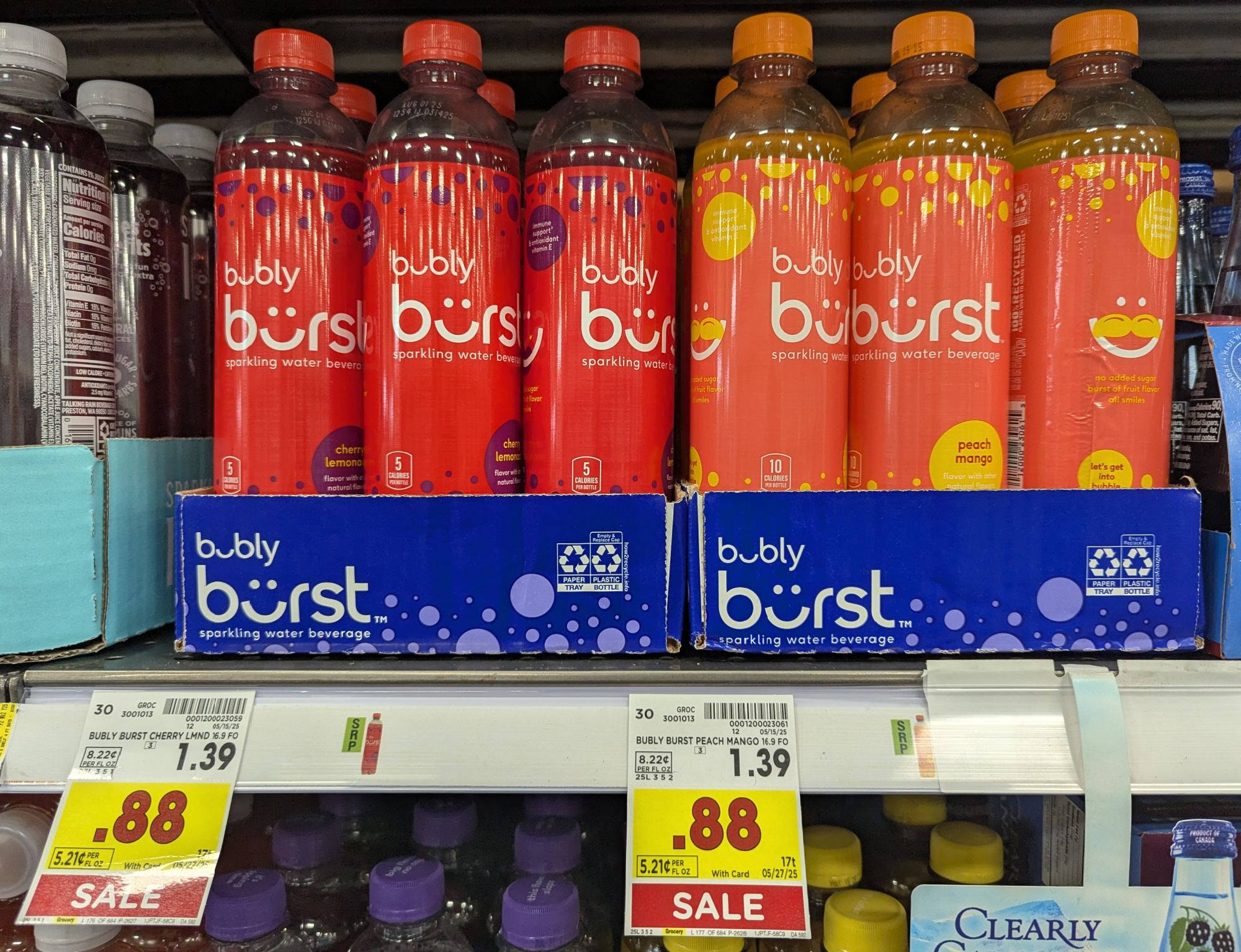
While the original line remains unsweetened, PepsiCo expanded the brand to include Bubly Burst. It is vital for consumers to recognize this distinction, as the labeling can be similar, but the nutritional profile is vastly different.
Launched to compete in the sub-category of "sweetened sparkling waters" (similar to brands like Sparkling Ice), Bubly Burst does contain sweeteners. As of 2026, the standard formulation for Bubly Burst includes:
- Sucralose: A non-nutritive sweetener that is about 600 times sweeter than table sugar. It provides the bulk of the sweetness without adding significant calories.
- Acesulfame Potassium (Ace-K): Often used in conjunction with sucralose to mask any bitter aftertaste and provide a more "sugar-like" flavor profile.
Unlike the original line, Bubly Burst also typically contains about 1% juice concentrate and 10 calories per bottle, making it a "low-calorie" beverage rather than a "zero-calorie, unsweetened" one.
Comparing Bubly Sweetener Profiles
To help consumers make informed choices, the following table compares the original Bubly sparkling water with its sweetened counterpart and a standard diet soda.
| Feature | Original Bubly | Bubly Burst | Standard Diet Soda |
|---|---|---|---|
| Primary Sweetener | None | Sucralose | Aspartame / Ace-K |
| Secondary Sweetener | None | Acesulfame Potassium | None |
| Sugar Content | 0g | 0g | 0g |
| Calories | 0 | 10 per bottle | 0 |
| Natural Flavors | Yes | Yes | Often Artificial |
| Juice Content | 0% | ~1% | 0% |
| Caffeine | No (Except "Bounce" line) | No | Usually (35-45mg) |
The Science of Flavor Perception Without Sugar
The reason many consumers ask what Bubly is sweetened with is due to the intense flavor profile of certain varieties, such as Cherry or Pineapple. The beverage industry utilizes a technique called aromatic compensation.
When you open a can of Bubly, the volatile organic compounds (aromas) are released. As you drink, these aromas travel through the back of the mouth to the nasal cavity (retronasal olfaction). The brain interprets these specific fruit signals as "sweet" because, in nature, those scents are almost always accompanied by fructose in ripe fruit. This creates a "phantom sweetness" that satisfies the palate without the use of additives.
Health and Dietary Considerations
For those monitoring specific health metrics or following restrictive diets, the absence of sweeteners in original Bubly makes it a versatile choice.
Glycemic Impact and Diabetes
Since original Bubly contains no carbohydrates or sugars, it has a glycemic index (GI) of zero. This makes it an ideal substitute for soda for individuals managing Type 1 or Type 2 diabetes, as it will not cause a spike in blood glucose levels. Furthermore, the lack of artificial sweeteners like sucralose in the original line avoids potential concerns regarding insulin sensitivity that some researchers continue to investigate.
Ketogenic and Whole30 Compliance
Original Bubly is considered "Keto-friendly" because it contains zero net carbs. It is also one of the few flavored carbonated beverages that is generally accepted during a Whole30 program, provided the "natural flavors" are compliant. However, Bubly Burst is generally excluded from these strict dietary protocols due to the inclusion of sucralose.
Dental Health: Acidity vs. Sugar
A common concern with sparkling water is dental erosion. While Bubly does not contain sugar—which is the primary fuel for cavity-causing bacteria—it is still acidic due to carbonation. The pH of most sparkling waters ranges between 3.0 and 4.5. While this is less damaging than the combination of acid and sugar found in traditional soda, dental professionals often recommend consuming sparkling water with meals rather than sipping it throughout the day to minimize enamel exposure to acid.
How Bubly Compares to Competitors
The unsweetened sparkling water market is crowded. Understanding how Bubly’s approach to flavor differs from its competitors can clarify its "sweetness" profile.
- LaCroix: Similar to Bubly, LaCroix uses only carbonated water and natural essences. Many consumers find Bubly’s flavors to be slightly more "bold" or "forward" than LaCroix’s more subtle profiles.
- Spindrift: Unlike Bubly, Spindrift uses squeezed fruit juice as its flavoring agent. This results in a product that contains 1-3 grams of natural sugar and 3-15 calories per can. It is not "unsweetened" in the technical sense, though it has no added sugar.
- AHA (Coca-Cola): This brand followed the Bubly model of zero sweeteners and zero calories but often paired flavors (e.g., Lime + Watermelon). Production of AHA has been scaled back in some markets by 2026, leaving Bubly as a dominant player.
Frequently Asked Questions
Does Bubly contain Stevia or Erythritol?
No. Original Bubly sparkling water does not contain Stevia, Erythritol, or any other plant-based or sugar-alcohol sweeteners. If you are looking for a beverage free from the specific aftertaste of Stevia, original Bubly is a safe option.
Why does Bubly taste sweet if there is no sugar?
This is due to the high concentration of fruit essences (natural flavors) and the brain's association between certain fruit scents and sweetness. The carbonation also provides a tongue-tingling sensation that many people find more satisfying than plain water.
Is the "natural flavor" in Bubly safe?
Yes, the natural flavors used in Bubly are regulated by the FDA and are generally recognized as safe (GRAS). They are derived from botanical sources and do not contain synthetic solvents or preservatives commonly found in "artificial" flavorings.
Does Bubly Burst have aspartame?
No, Bubly Burst is typically sweetened with a blend of sucralose and acesulfame potassium. It avoids aspartame, which is often a point of concern for consumers who dislike the flavor profile of older diet soda formulations.
Are there any hidden sugars in Bubly?
There are no hidden sugars. Labeling laws require the disclosure of any caloric sweeteners. Original Bubly maintains a "0g Total Sugars" and "0g Added Sugars" declaration on its Nutrition Facts panel.
Summary Recommendation
If you are looking for a drink that is entirely free of sweeteners—both natural and artificial—you should stick to the original Bubly sparkling water in the 12oz cans. It is an excellent tool for hydration and for those attempting to transition away from high-sugar sodas.
However, if you encounter Bubly Burst in a plastic bottle, be aware that it is a sweetened product containing sucralose. Always check the "Ingredients" list on the back of the packaging to ensure it aligns with your dietary needs. For the purest experience, the original line remains the industry standard for unsweetened, flavored carbonation in 2026.
Image Gallery