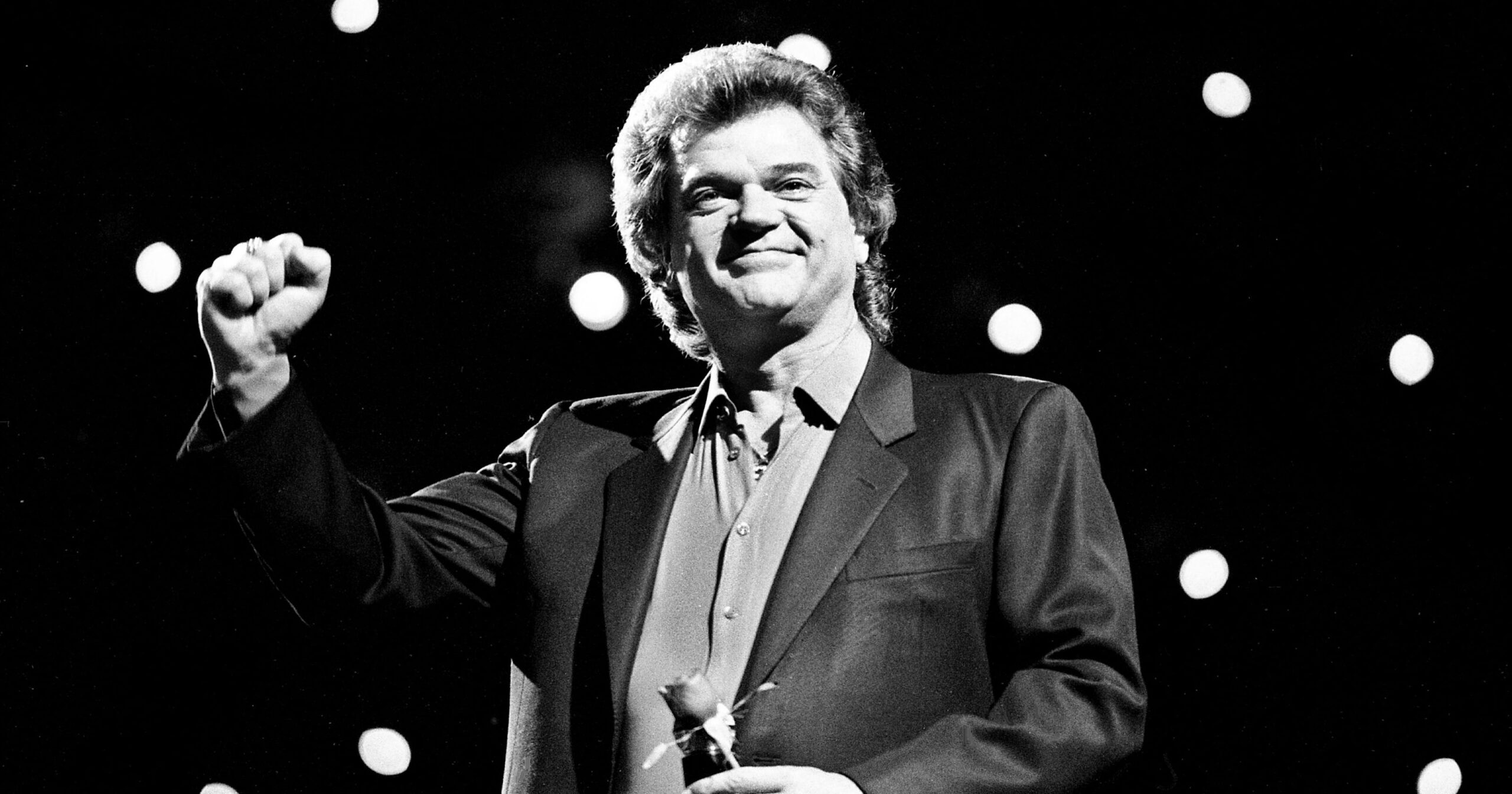
The Sudden Passing of Conway Twitty: Understanding the Legend’s Death at 59
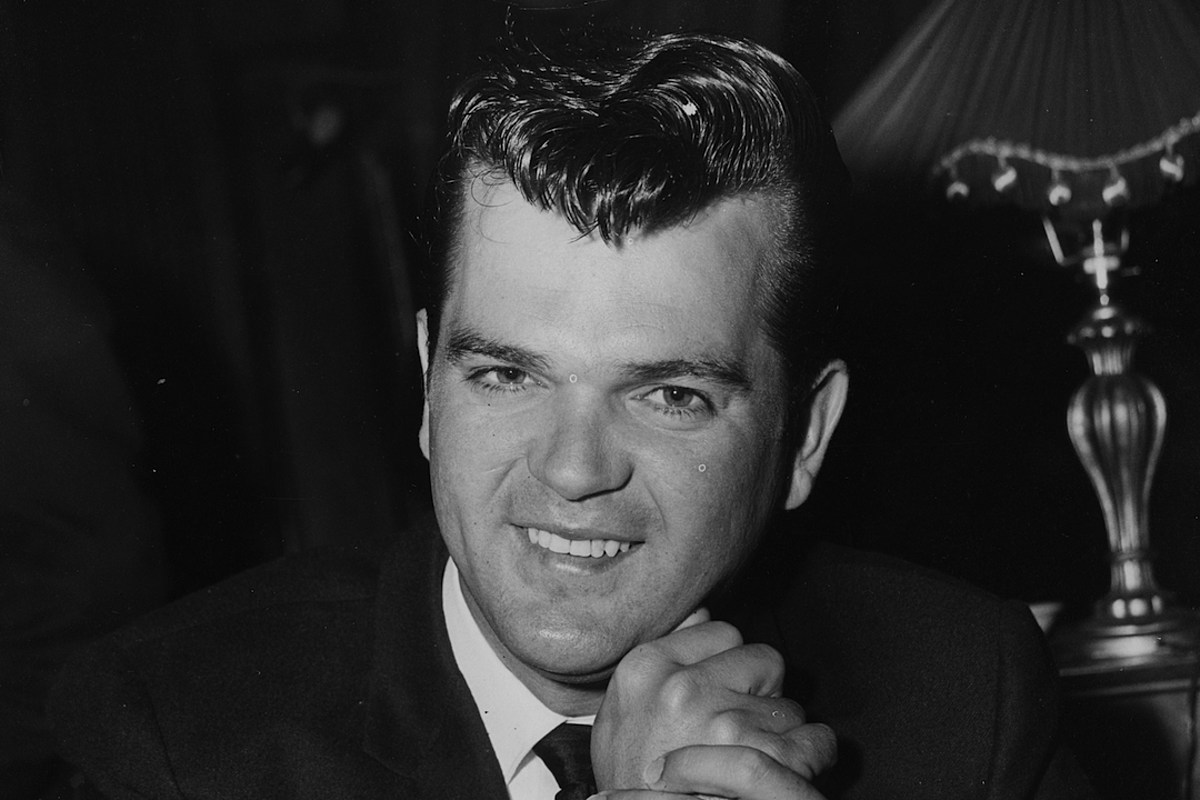
Conway Twitty, born Harold Lloyd Jenkins, died at the age of 59 on June 5, 1993, due to an abdominal aortic aneurysm. His death occurred suddenly in Springfield, Missouri, following a performance in Branson. As a titan of country music...
Conway Twitty, born Harold Lloyd Jenkins, died at the age of 59 on June 5, 1993, due to an abdominal aortic aneurysm. His death occurred suddenly in Springfield, Missouri, following a performance in Branson. As a titan of country music with 55 number-one hits, his unexpected passing left a profound void in the industry and initiated years of legal complexities regarding his estate.
Contents
The Final Hours: From the Stage to the Hospital
The events leading to Conway Twitty’s death began on the evening of June 4, 1993. Twitty had just finished a performance at the Jim Stafford Theatre in Branson, Missouri, a central hub for country music entertainment. While traveling back to Nashville on his tour bus, "The Twitty Bird Express," he began to experience intense abdominal pain.
Initially, those close to him hoped it was a manageable ailment, but the severity of the pain escalated rapidly. The tour bus stopped in Springfield, Missouri, where Twitty was rushed to Cox South Hospital. Upon arrival, medical professionals determined that he was suffering from an abdominal aortic aneurysm that had begun to rupture. He underwent emergency surgery in the early morning hours of June 5, but the damage to his vascular system was too extensive. He passed away later that morning, with his wife, Dee Henry, and his children nearby.
The suddenness of his death shocked the music world. At 59, Twitty was still at the height of his career, actively touring and maintaining a rigorous schedule. Unlike many artists whose health declines visibly over years, Twitty appeared robust and energetic until his final performance, making the news of his passing particularly difficult for fans and colleagues to process.
Understanding the Medical Cause: Abdominal Aortic Aneurysm
An abdominal aortic aneurysm (AAA), the condition that claimed Conway Twitty's life, is often referred to by medical professionals as a "silent killer." The aorta is the largest blood vessel in the body, and an aneurysm occurs when a section of the aortic wall weakens and bulges outward.
When an aneurysm reaches a certain size, the risk of rupture increases significantly. A rupture causes massive internal bleeding, leading to a rapid drop in blood pressure and shock. Even with modern medical advancements in 2026, the mortality rate for a ruptured AAA remains high, often exceeding 80% if it occurs outside of a hospital setting. In 1993, despite the best efforts of the surgical team in Springfield, the physiological stress of the rupture was insurmountable for Twitty’s body.
Risk factors for AAA include a history of smoking, hypertension (high blood pressure), and genetic predisposition. While Twitty’s specific medical history was kept relatively private during his life, the demanding nature of life on the road—characterized by irregular sleep, high stress, and the physical toll of performing—often contributes to cardiovascular strain.
The Professional Legacy of Harold Lloyd Jenkins
To understand the weight of Conway Twitty’s death at 59, one must look at the unprecedented career he built over four decades. Born in Mississippi in 1933, he was originally a gifted baseball player with an offer to play for the Philadelphia Phillies. However, his draft into the U.S. Army and his subsequent exposure to rock and roll changed his trajectory.
From Rockabilly to Country Crooner
Twitty’s first major success came in the late 1950s with "It's Only Make Believe," a rock and roll ballad that showcased his powerful, soulful voice. However, by the mid-1960s, he made the strategic and artistic decision to pivot to country music. This transition was met with skepticism by industry insiders, but Twitty proved his critics wrong by becoming one of the most successful country artists in history.
His signature song, "Hello Darlin'," released in 1970, solidified his persona: the suave, emotionally resonant singer who could connect with the romantic and heartbreak-laden experiences of his audience. His ability to interpret lyrics with a distinctive "growl" and emotional depth earned him a devoted following, particularly among female fans.
The Record of 55 Number Ones
For many years, Conway Twitty held the record for the most number-one singles on the Billboard Hot Country Songs chart. His 55 chart-toppers remained a record until it was eventually surpassed by George Strait in 2006. In 2026, music historians still point to Twitty’s consistency as a marvel of the industry; he managed to remain relevant across several shifts in country music’s sound, from the Nashville Sound to the Outlaw movement and the slicker productions of the 1980s.
| Metric | Detail | Impact on Country Music |
|---|---|---|
| Total #1 Hits | 55 | Set the industry standard for three decades. |
| Duet Partner | Loretta Lynn | Created the most awarded duo in CMA history. |
| Primary Genre | Country / Rockabilly | Successfully bridged the gap between genres. |
| Business Venture | Twitty City | Pioneered the celebrity-themed entertainment complex. |
| Grammy Awards | Multiple Wins/Nominees | Validated his technical skill and vocal prowess. |
The Conway and Loretta Partnership
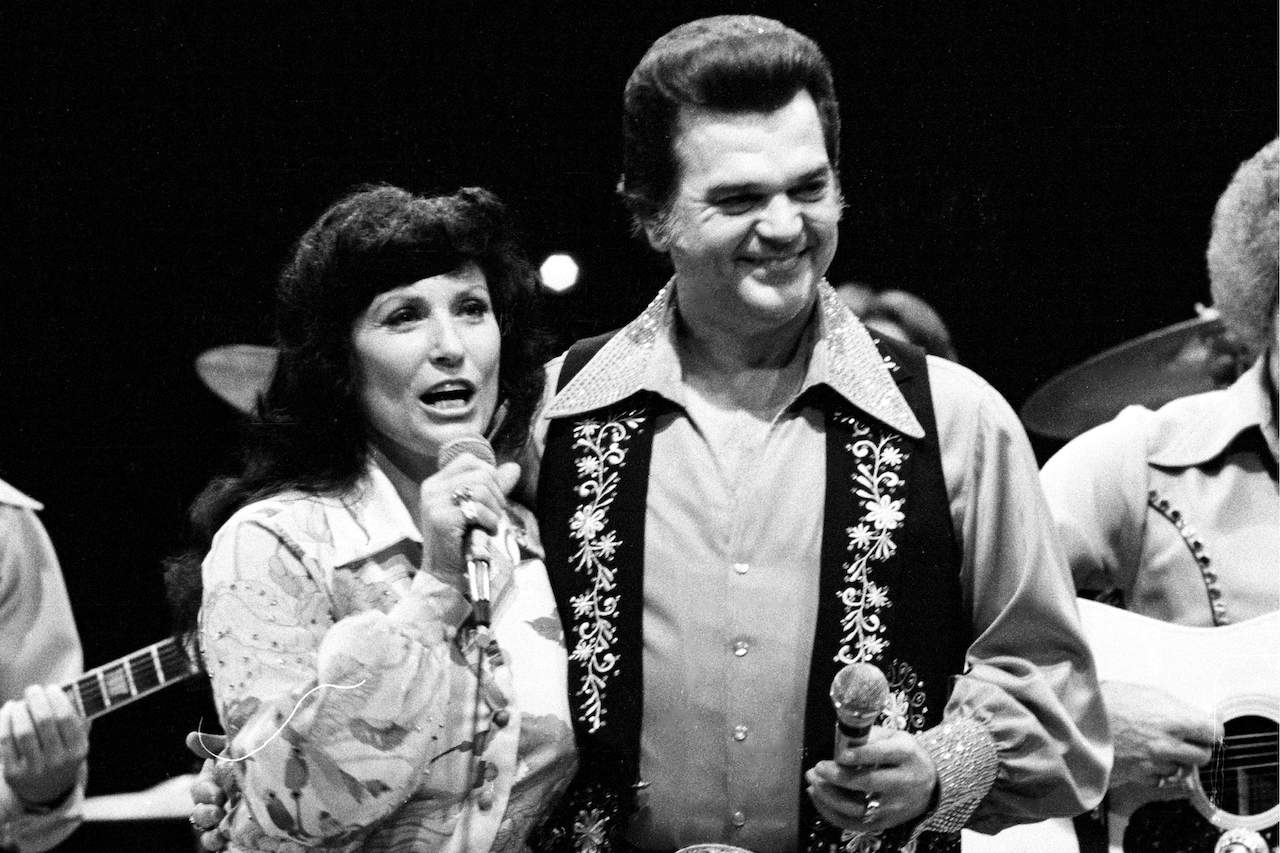
A significant portion of Twitty’s career—and his legacy—is inextricably linked to Loretta Lynn. Their partnership began in the early 1970s and resulted in a string of hits such as "After the Fire Is Gone," "Lead Me On," and "Louisiana Woman, Mississippi Man."
Their chemistry was so convincing that many fans mistakenly believed they were married in real life. In reality, they were the closest of friends. Loretta Lynn often spoke of Twitty as her "best friend in the business," and his death at 59 was devastating to her. Their collaboration was characterized by a unique vocal blend where Twitty’s deep baritone perfectly complemented Lynn’s Appalachian twang. Together, they won the Country Music Association (CMA) Vocal Duo of the Year award four consecutive times (1972–1975).
Posthumous Challenges: Twitty City and the Estate
Following his death, Conway Twitty’s estate became the subject of intense legal and family disputes. Twitty had built a massive entertainment complex in Hendersonville, Tennessee, known as Twitty City. Opened in 1982, it served as his residence, a museum, and a popular tourist destination, particularly during the Christmas season when it was famous for its elaborate light displays.
Because Twitty died without a sufficiently updated or clear estate plan for his complex business interests, his four children—Michael, Joni, Kathy, and Jimmy—found themselves in a legal battle that lasted years. The dispute primarily centered on the management and eventual sale of his assets.
In 1994, less than a year after his death, Twitty City was sold to the Trinity Broadcasting Network (TBN). The conversion of the site into a religious broadcasting center marked the end of an era for country music fans who viewed the site as a pilgrimage location. The legal battles over his royalties and image rights continued for more than a decade, serving as a cautionary tale in the music industry about the importance of rigorous estate planning for high-net-worth individuals.
Remembering Conway Twitty in 2026
Even as we look back from the perspective of 2026, Conway Twitty’s influence remains palpable. His songs are frequently covered by new generations of country artists, and his vocal style continues to be a template for traditionalist singers.
The 59 years he lived were packed with more achievement than most artists manage in a century. He was posthumously inducted into the Country Music Hall of Fame in 1999, an honor that many felt was overdue. His death at 59 was not just a loss of a voice, but the loss of a businessman and a visionary who understood the "heart" of country music.
His gravesite at Sumner Memorial Gardens in Gallatin, Tennessee, remains a place where fans leave tributes. While the industry has changed with digital streaming and new sub-genres, the "Twitty sound" remains a gold standard for vocal performance.
Frequently Asked Questions
Was Conway Twitty ill before his sudden death?
No, Conway Twitty was not known to be suffering from a chronic illness at the time. His death from an abdominal aortic aneurysm was sudden and unexpected. He had performed a full concert in Branson just hours before he collapsed on his tour bus. While he may have had undiagnosed cardiovascular issues, they did not interfere with his professional schedule.
Who inherited Conway Twitty's fortune?
Twitty's estate was divided among his four children, but the process was complicated by debt and legal disputes. After his death, his widow, Dee Henry, and his children from previous marriages were involved in litigation regarding the estate's management. Much of the physical property, including Twitty City, was sold to settle debts and facilitate the distribution of assets.
Where is Conway Twitty buried?
Conway Twitty is buried at Sumner Memorial Gardens in Gallatin, Tennessee. His resting place is located in the Garden of Devotion. The site is frequently visited by fans who wish to pay their respects to the man who dominated the country charts for decades.
Why was Twitty City sold so quickly after his death?
Twitty City was a high-maintenance property with significant overhead costs. Without Conway Twitty’s active touring income to support the complex, and given the disagreements among the heirs regarding its future, the decision was made to sell the property. The Trinity Broadcasting Network purchased the site in 1994, converting it into "Trinity Music City."
What was Conway Twitty’s last song performed in concert?
While setlists varied slightly, reports from his final show in Branson indicate that he closed with his most iconic hits, including "Hello Darlin'." His final performance was noted by audience members as being as strong and emotive as ever, with no indication that he was in physical distress during the show.
How did Loretta Lynn react to his death?
Loretta Lynn was famously devastated by the news. She was one of the first people notified of his condition while he was in the hospital. For years afterward, she spoke about how much she missed their friendship and their work together. She often dedicated segments of her own shows to his memory.
Final Recommendation for Fans and Historians
For those looking to honor the legacy of Conway Twitty, the most effective way is through his vast discography. While his 55 number-one hits provide the framework of his career, his deep-cut album tracks from the late 1970s often reveal his most adventurous vocal work. Additionally, researchers interested in the business of country music should study the history of Twitty City and the subsequent estate management as a definitive case study in intellectual property and artist legacy preservation.
Listening to the "The Very Best of Conway Twitty" or his collaborative albums with Loretta Lynn remains the best entry point for new listeners in 2026 to understand why the man who died at 59 is still considered one of the greatest to ever grace a Nashville stage.
Image Gallery