C6 Spinal Cord Injury: Clinical Overview and Management Guidelines
A C6 spinal cord injury (SCI) results in tetraplegia, affecting the torso and all four limbs, but crucially preserves the ability to extend the wrist. This anatomical preservation allows for the "tenodesis grasp," a functional mechanis...
A C6 spinal cord injury (SCI) results in tetraplegia, affecting the torso and all four limbs, but crucially preserves the ability to extend the wrist. This anatomical preservation allows for the "tenodesis grasp," a functional mechanism that enables independence in many activities of daily living, such as self-feeding, grooming, and light manual wheelchair propulsion.
Contents
Understanding the C6 Neurological Level
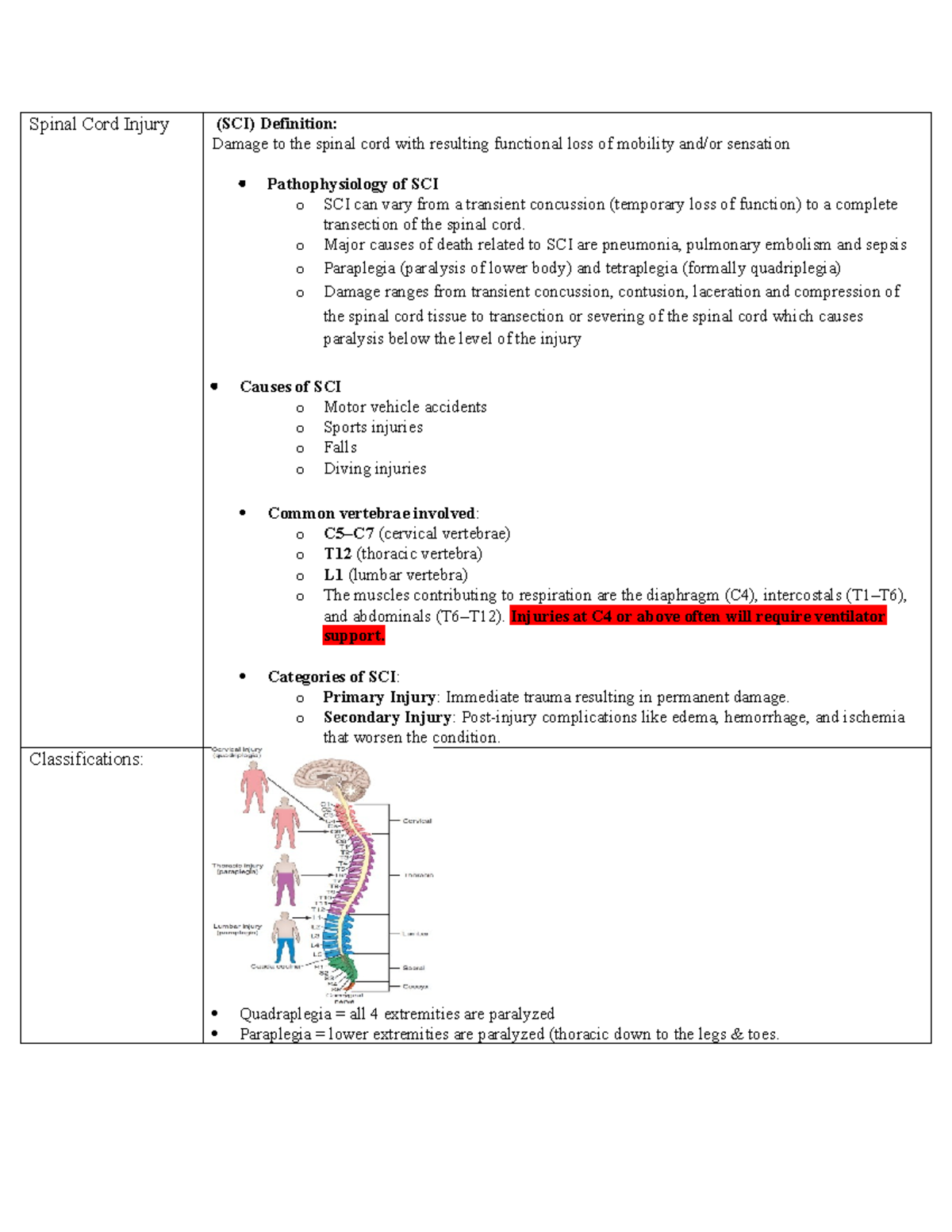
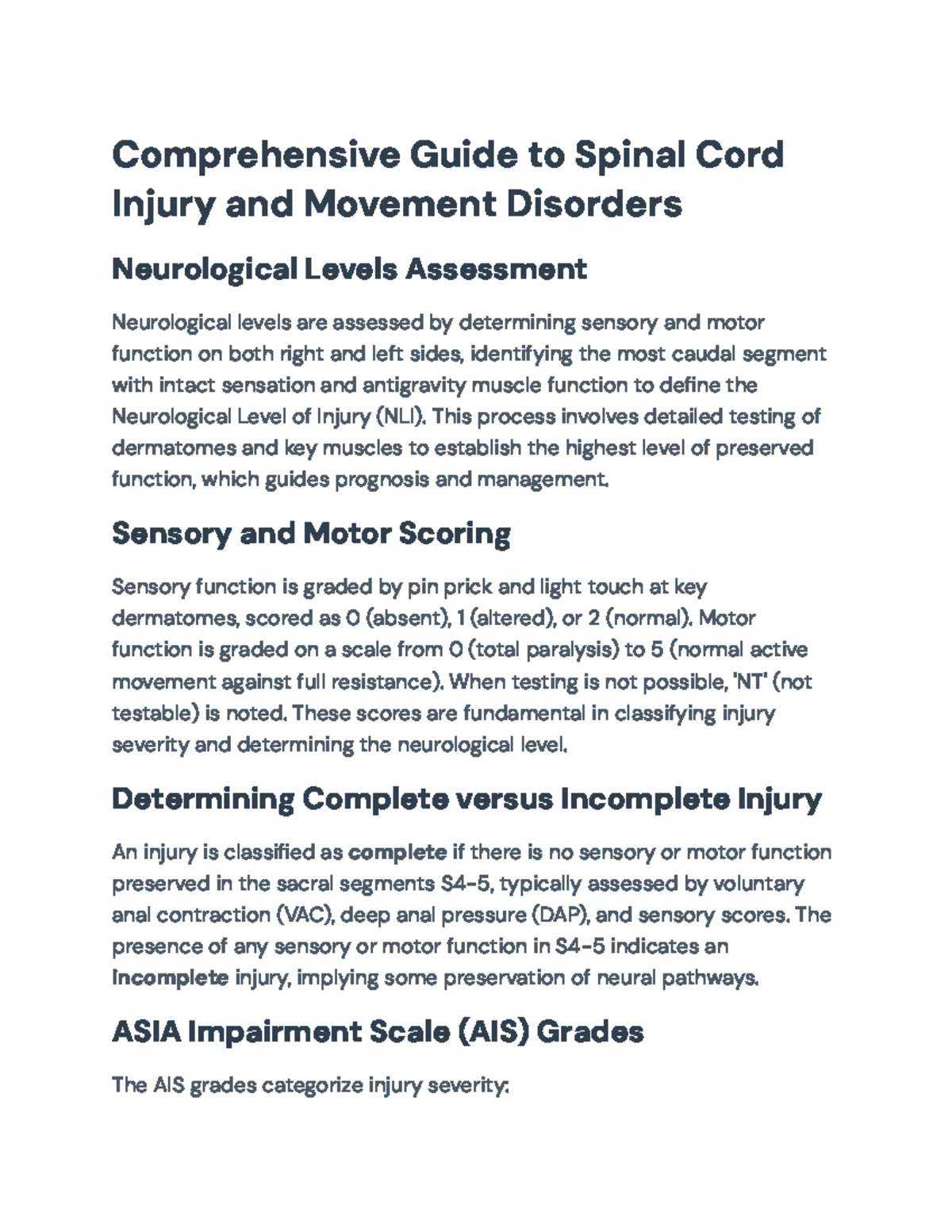
The clinical definition of a C6 spinal cord injury is based on the International Standards for Neurological Classification of Spinal Cord Injury (ISNCSCI). In this framework, the neurological level of injury is the most caudal (lowest) segment of the spinal cord with normal sensory and motor function on both sides of the body. For a patient to be classified at the C6 level, they must demonstrate a muscle grade of at least 3/5 (movement against gravity) in the extensor carpi radialis (wrist extensors), while the C5 key muscle (biceps) must be a grade 5/5.
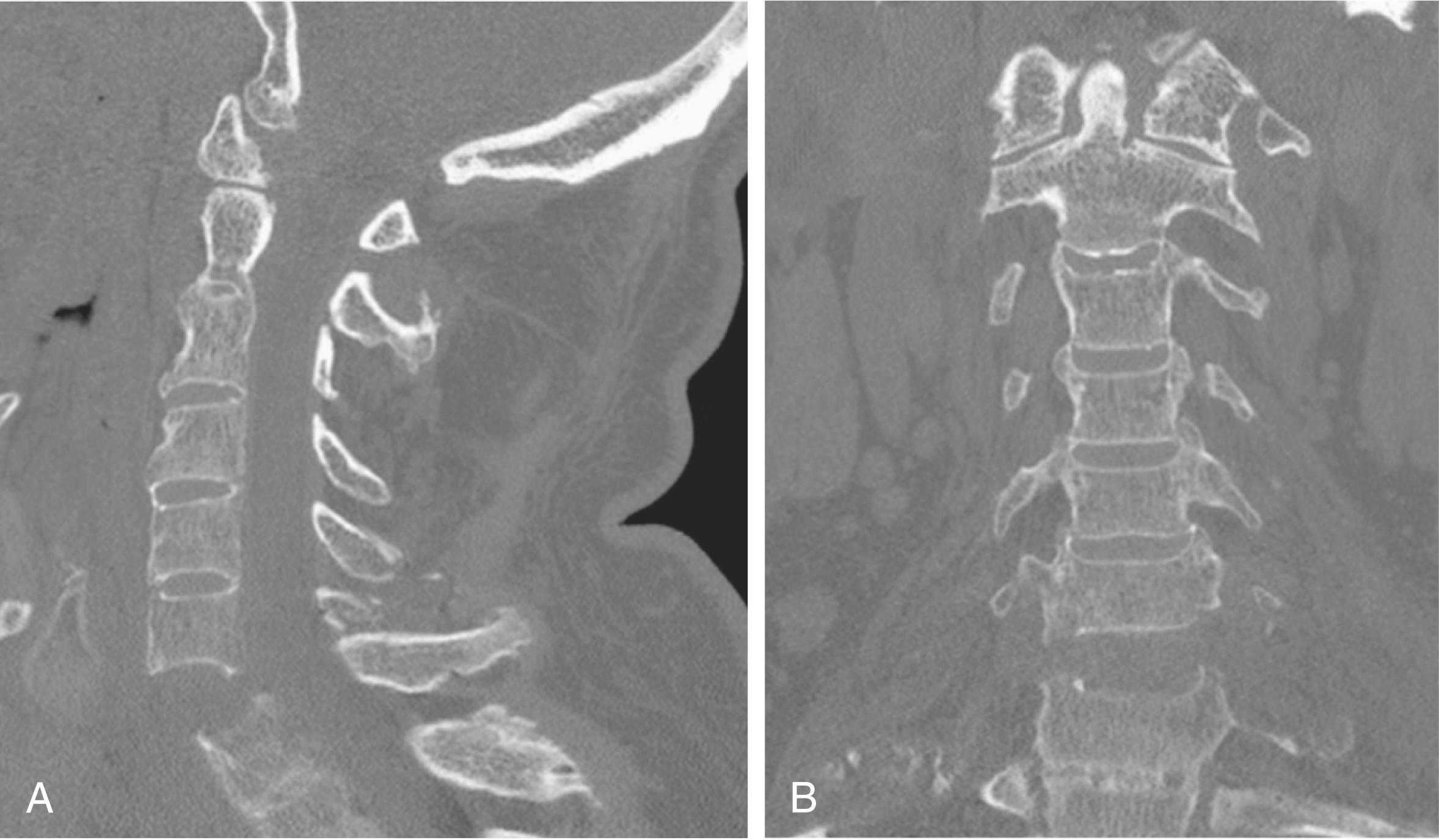
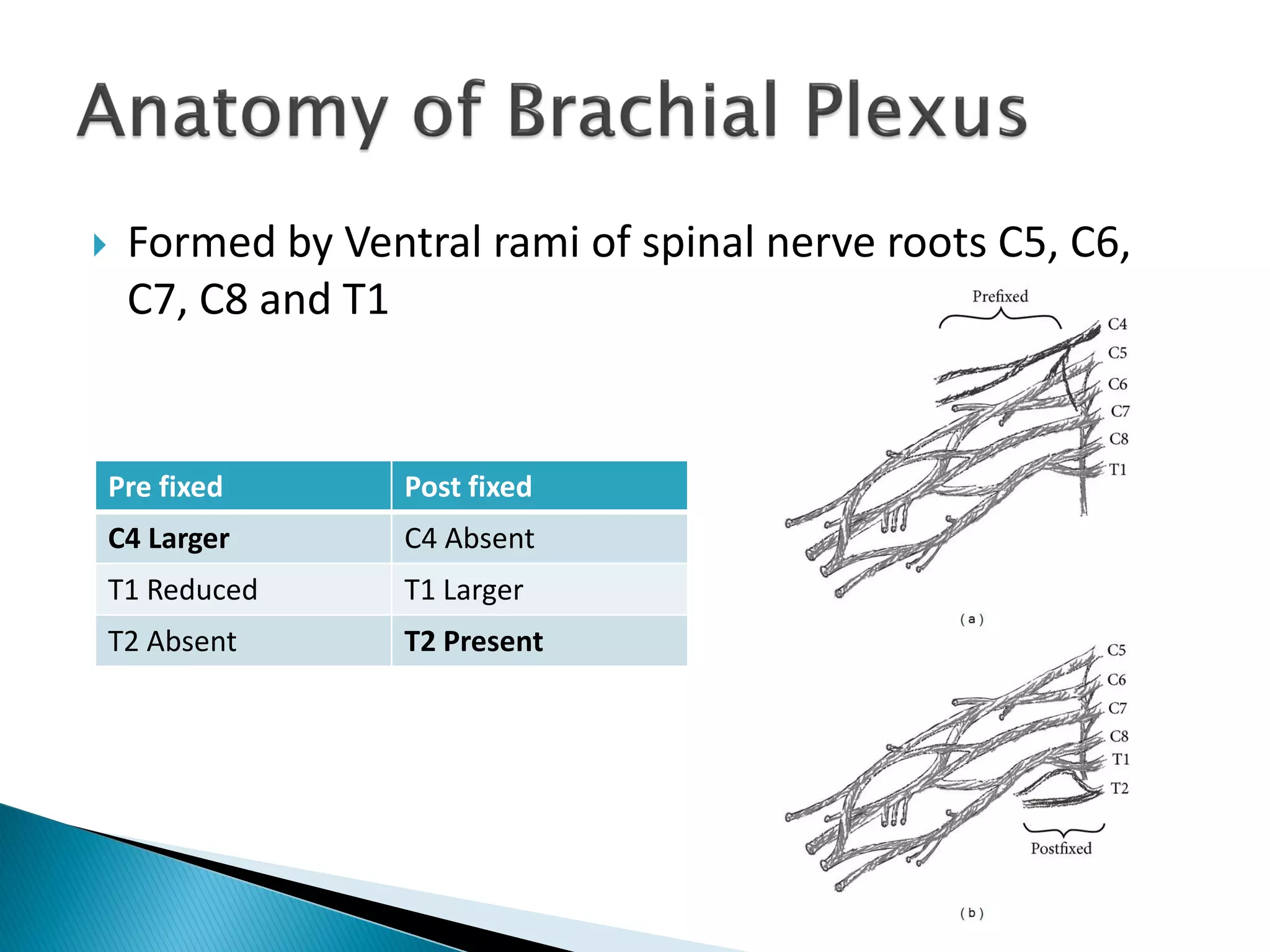
The C6 nerve root exits the spinal column between the C5 and C6 cervical vertebrae. Because the spinal cord is shorter than the vertebral column, the segment of the cord corresponding to the C6 nerve is actually located slightly higher than the C6 bone. Injuries at this level are frequently the result of high-velocity trauma, such as motor vehicle accidents, falls, or diving incidents, which cause hyperflexion, hyperextension, or axial loading of the cervical spine.
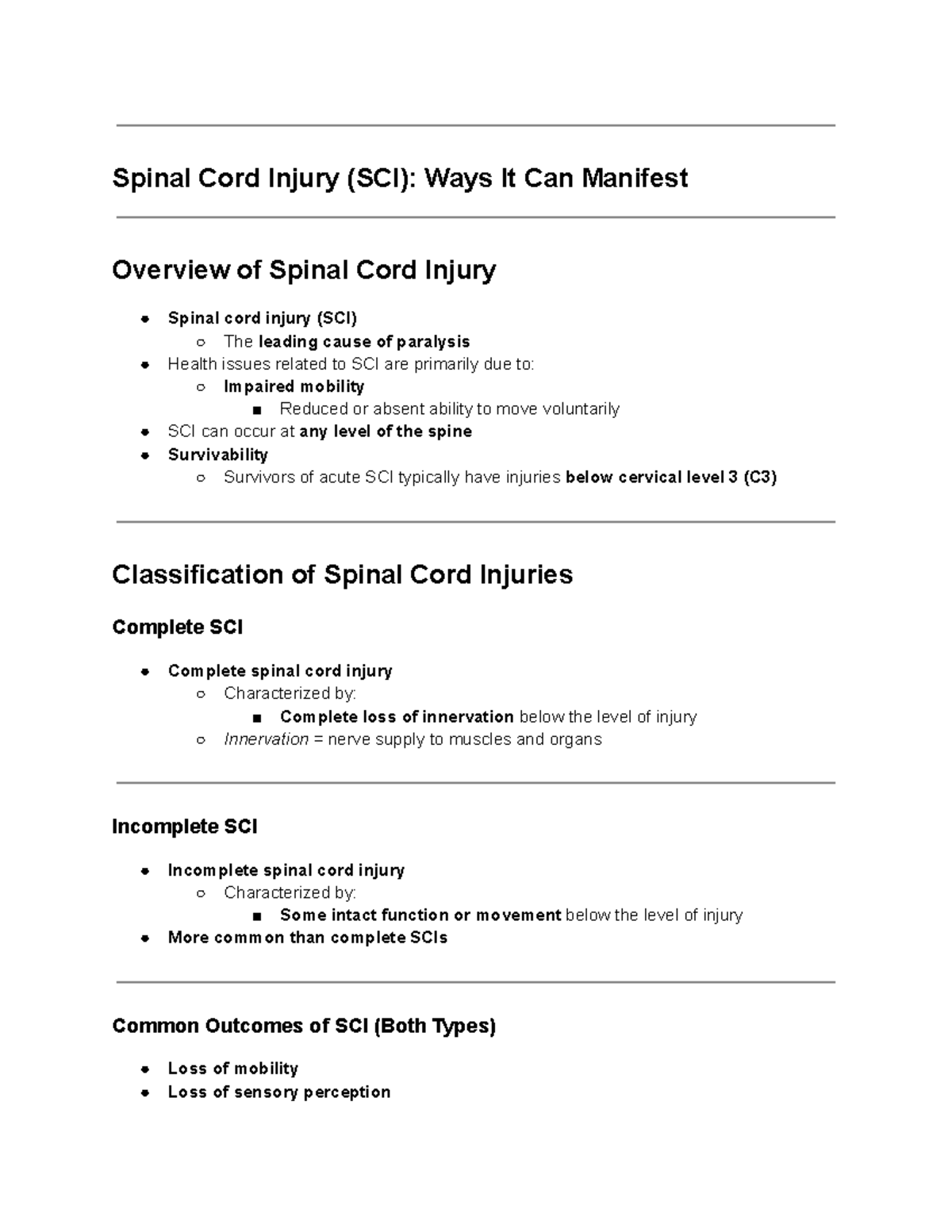
In the clinical landscape of 2026, classification also involves sophisticated neuroimaging and electrophysiological testing to determine if the injury is "complete" (ASIA A) or "incomplete" (ASIA B through D). In an incomplete injury, some sensory or motor pathways remain intact below the level of injury, which significantly alters the long-term prognosis and management strategy.
Acute Clinical Management and Stabilization
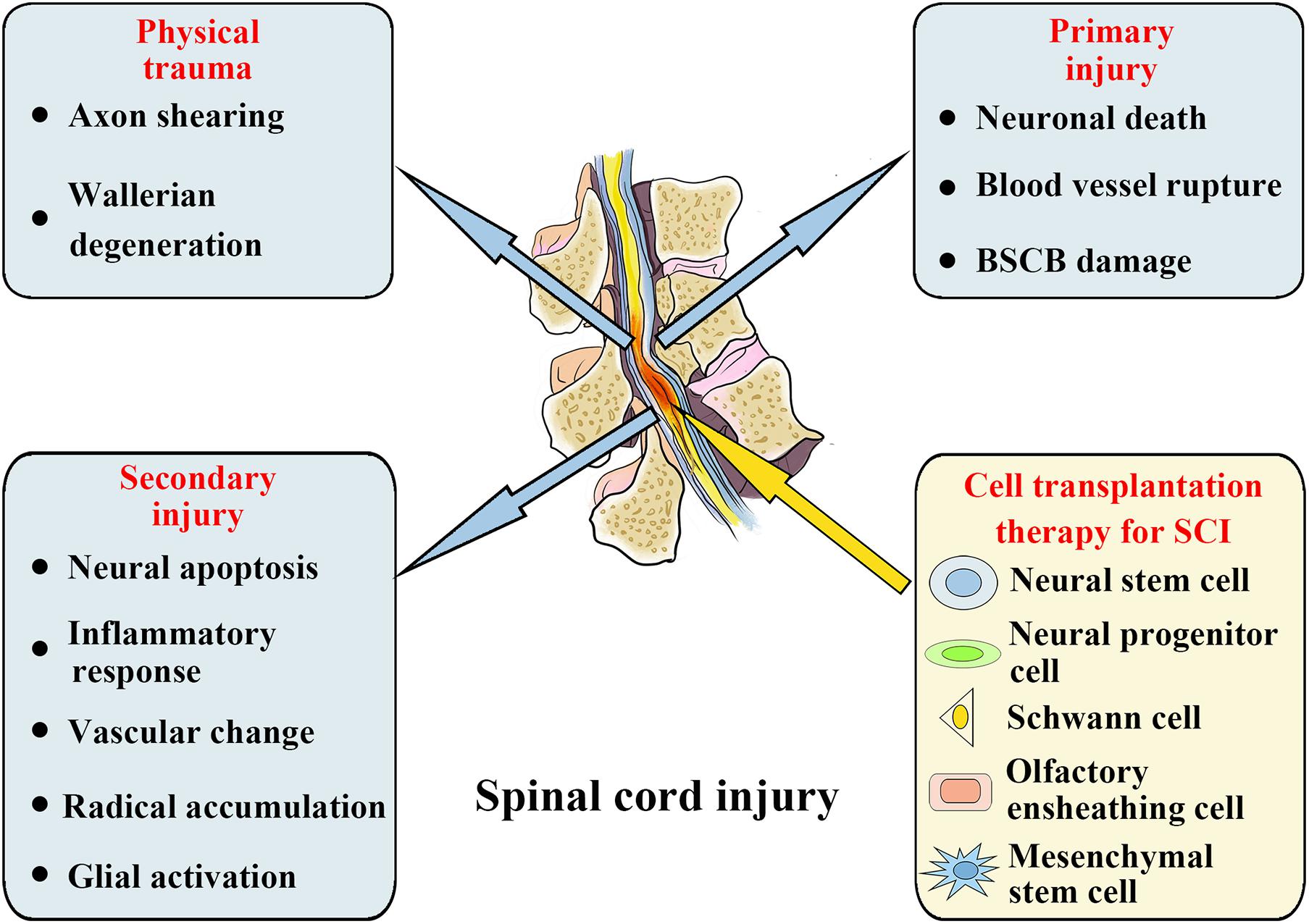
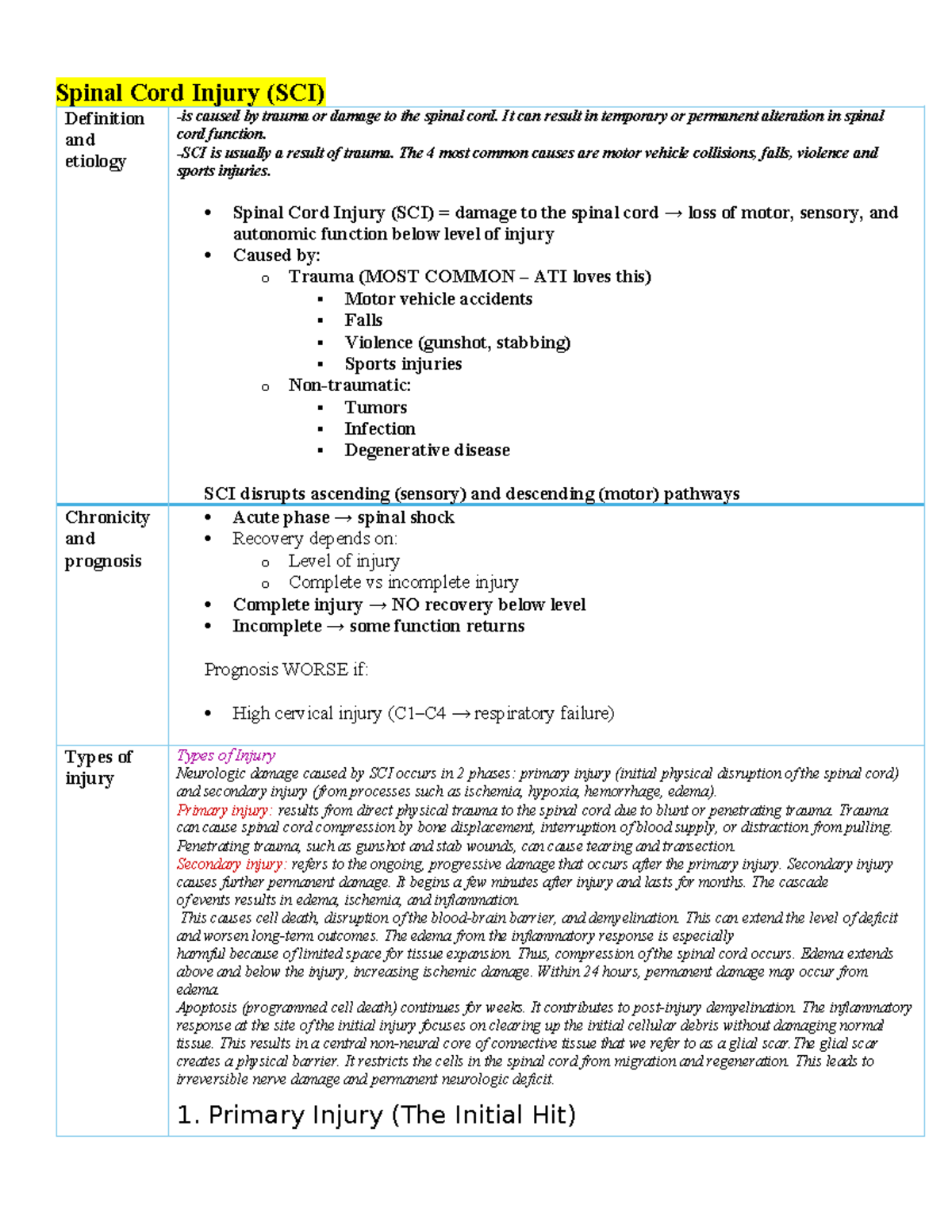
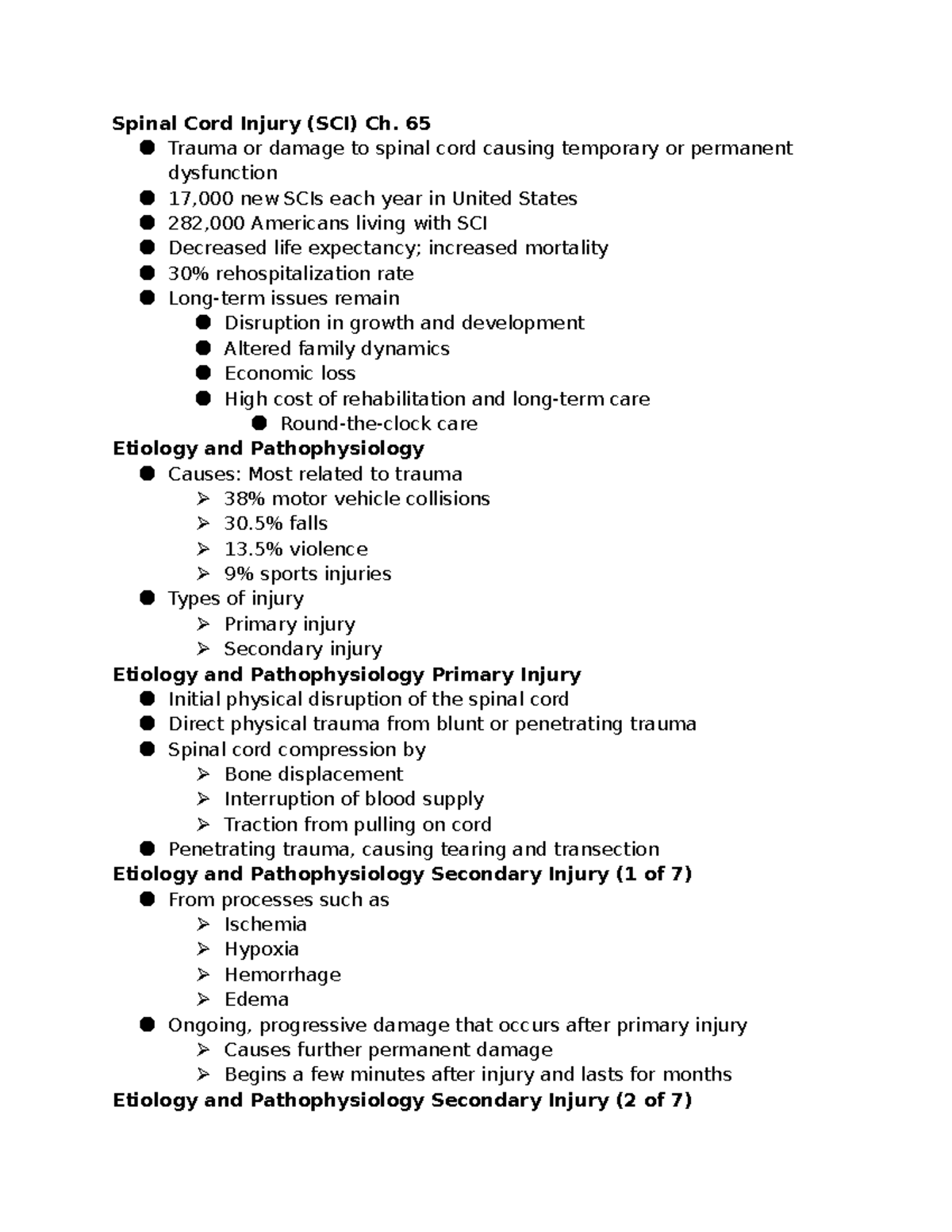
The immediate management of a suspected C6 SCI centers on the "time is spine" principle. The primary goal is to prevent secondary injury—further damage caused by inflammation, ischemia, and edema—rather than just treating the initial mechanical trauma.
Hemodynamic Stability
Cervical injuries often lead to neurogenic shock, characterized by bradycardia (slow heart rate) and hypotension (low blood pressure) due to the loss of sympathetic tone. In 2026, clinical guidelines mandate maintaining a Mean Arterial Pressure (MAP) of 85–90 mmHg for the first five to seven days post-injury to ensure adequate perfusion to the recovering spinal cord. This is often achieved through intravenous fluids and vasopressors in an intensive care setting.
Surgical Intervention
Decompression and stabilization are the cornerstones of surgical management. If there is evidence of cord compression from a herniated disc, bone fragments, or hematoma, early surgery (within 24 hours) is associated with better neurological recovery. For a C6 injury, surgeons typically utilize an anterior cervical discectomy and fusion (ACDF) or a posterior stabilization approach, depending on the mechanism of the fracture and the stability of the spinal column.
Respiratory Support
While the diaphragm is primarily innervated by the C3, C4, and C5 nerve roots (the phrenic nerve), a C6 injury still compromises respiratory efficiency. The loss of intercostal and abdominal muscle function limits the patient’s ability to cough and clear secretions, increasing the risk of atelectasis and pneumonia. Early aggressive chest physiotherapy and the use of assisted cough techniques are vital components of acute care.
The Tenodesis Grasp: The Key to Functional Independence
The preservation of the C6 level is often described as the "threshold of independence" in tetraplegia. This is primarily due to the tenodesis effect. Since the C6 nerve root controls the wrist extensors, the patient can lift the wrist upward. When the wrist is extended, the tendons of the finger flexors (which are paralyzed in a C6 injury) are pulled tight, naturally drawing the fingers toward the thumb.
Clinical Importance of Tenodesis
Occupational therapists (OTs) focus heavily on developing this passive grip. It is essential that the finger flexors are allowed to tighten (shorten) slightly during the early stages of rehabilitation. Overstretching the fingers by keeping them flat while the wrist is extended can "ruin" the tenodesis grasp, robbing the patient of their only natural way to pick up objects.
With a functional tenodesis grasp and the use of adaptive equipment, a person with a C6 injury can often perform the following tasks:
- Self-Feeding: Using "universal cuffs" or built-up handles on utensils.
- Grooming: Brushing teeth and washing the face with minor assistance.
- Upper Body Dressing: Utilizing loops and Velcro instead of buttons and zippers.
- Manual Wheelchair Propulsion: Using specialized "quad rims" or coated handrims to compensate for the lack of hand grip.
Secondary Complications and Long-term Management
Management of a C6 SCI extends far beyond the initial injury. The loss of autonomic control and mobility creates a high risk for several chronic conditions that require lifelong vigilance.
Autonomic Dysreflexia (AD)
Autonomic Dysreflexia is a potentially life-threatening medical emergency that occurs in individuals with SCI at the T6 level or above. Since C6 is well above this threshold, patients are at significant risk. AD is triggered by a painful or irritating stimulus below the level of injury—most commonly a distended bladder, a blocked catheter, or a pressure sore. The body responds with a massive sympathetic discharge, causing a sudden, dangerous spike in blood pressure. Symptoms include a pounding headache, profuse sweating above the level of injury, and blurred vision. Treatment involves immediately sitting the patient upright and removing the triggering stimulus.
Bladder and Bowel Management
At the C6 level, the "reflexic" or "upper motor neuron" bladder and bowel predominate. The bladder can empty reflexively when full, but this is often inefficient. Most patients utilize Clean Intermittent Catheterization (CIC). While some C6 patients gain enough hand function through tenodesis to self-catheterize, many require assistance or the use of a long-term indwelling or suprapubic catheter. Bowel management usually involves a scheduled program of chemical stimulants (suppositories) and digital stimulation to ensure regular evacuation and prevent fecal impaction.
Skin Integrity
Pressure injuries (decubitus ulcers) are a constant threat due to the lack of sensation and limited mobility. Because C6 patients can often perform "pressure reliefs" or "weight shifts" independently by leaning forward or side-to-side using their wrist extensors and shoulder strength, they have a better chance of maintaining skin integrity than those with higher-level injuries. However, rigorous skin checks remain mandatory.
Comparison of Cervical Injury Levels
The functional differences between C5, C6, and C7 are subtle but have profound impacts on a patient’s daily life and required level of care.
| Feature | C5 Injury | C6 Injury | C7 Injury |
|---|---|---|---|
| Key Muscle | Biceps (Elbow Flexion) | Extensor Carpi Radialis (Wrist Extension) | Triceps (Elbow Extension) |
| Grasp Mechanism | None (requires orthotics) | Tenodesis Grasp (passive) | Passive or Active (weak) |
| Transfers | Total Assistance | Some assistance to Independent | Often Independent |
| Wheelchair | Power chair preferred | Power or Manual (with rims) | Manual wheelchair |
| Driving | Specialized van (joystick) | Adapted vehicle (hand controls) | Adapted vehicle (hand controls) |
| Feeding | Setup required | Setup required to Independent | Independent |
Advanced Rehabilitation and Technology in 2026
As of 2026, the management of C6 SCI has been transformed by the integration of neurotechnology. While the biological repair of the spinal cord remains an area of active research, compensatory technologies have reached a high level of maturity.
Functional Electrical Stimulation (FES): Modern FES systems can be implanted or worn as "sleeves." These devices use low-level electrical currents to stimulate paralyzed muscles in the hands and arms. For a C6 patient, FES can augment the tenodesis grasp by providing active finger flexion, allowing for a much stronger and more precise grip than the passive mechanism alone.
Epidural Stimulation: In 2026, clinical trials for epidural spinal cord stimulation (SCS) have transitioned into standard specialized care for some patients. By placing an electrode array over the lower spinal cord, clinicians can "bridge" the injury site with electrical signals, which has shown promise in improving autonomic functions like blood pressure regulation and bladder control, even in complete injuries.
Exoskeletons and Robotics: Wearable robotic exoskeletons are now commonly used in clinical rehabilitation. For C6 patients, these devices assist with standing and gait training, which is vital for bone density, cardiovascular health, and psychological well-being, even if functional community ambulation is not the primary goal.
Frequently Asked Questions
What is the most significant functional advantage of a C6 injury over C5?
The most significant advantage is wrist extension. While a C5 patient can flex their elbow to bring their hand toward their face, they cannot control the hand's position. A C6 patient can lift the wrist, which activates the tenodesis grasp. This single motor function allows for independent feeding, grooming, and better management of manual wheelchairs, which are often impossible for C5 patients without heavy reliance on assistive technology.
Can someone with a C6 injury drive a car?
Yes, many individuals with C6 tetraplegia can drive. This typically requires a vehicle modified with hand controls for the brake and accelerator and a "spinner knob" on the steering wheel to allow for one-handed steering using the wrist. Accessing the vehicle often requires a converted van with a ramp or lift, as transferring from a wheelchair to a standard car seat can be challenging at the C6 level.
How is autonomic dysreflexia managed in C6 patients?
Management begins with prevention—ensuring the bladder is drained and skin is protected. If an episode occurs, the first step is to sit the patient upright to take advantage of orthostatic hypotension (dropping blood pressure). Next, the bladder should be drained and the rectum checked for impaction. If the blood pressure remains dangerously high (systolic >150 mmHg), medications like nitroglycerin paste or nifedipine may be administered as directed by a physician.
What is the life expectancy for a C6 SCI in 2026?
Life expectancy for individuals with C6 SCI has improved significantly due to better management of respiratory and renal complications. While it remains slightly lower than that of the general population, most individuals can expect to live well into their 60s or 70s, depending on their age at the time of injury. The primary factors influencing longevity are the prevention of secondary infections (pneumonia and urosepsis) and cardiovascular health.
Why is the C6 level called "the level of independence"?
It is called the "level of independence" because it is the highest neurological level at which a person can realistically perform most of their own transfers (moving from wheelchair to bed) and handle all aspects of personal hygiene and feeding. While it requires significant effort and the use of adaptive tools, the C6 level provides the mechanical building blocks (shoulders, biceps, and wrist extensors) necessary for a self-sufficient lifestyle.
Practical Recommendations for Care
For clinicians and caregivers managing a C6 SCI, the priority should remain on optimizing the upper extremity function while maintaining systemic health. Ensure that the patient is referred to a specialized SCI rehabilitation center where occupational therapists can properly train the tenodesis grasp.
Regular follow-ups with a physiatrist (Physical Medicine and Rehabilitation doctor) are essential to monitor for late-onset complications like syringomyelia (a fluid-filled cyst in the spinal cord) or carpal tunnel syndrome, which is common in C6 patients who over-rely on their wrist extensors for mobility. By 2026, the goal of management is no longer just survival, but the total integration of the individual back into their community using a combination of biological recovery and advanced assistive technology.
Image Gallery