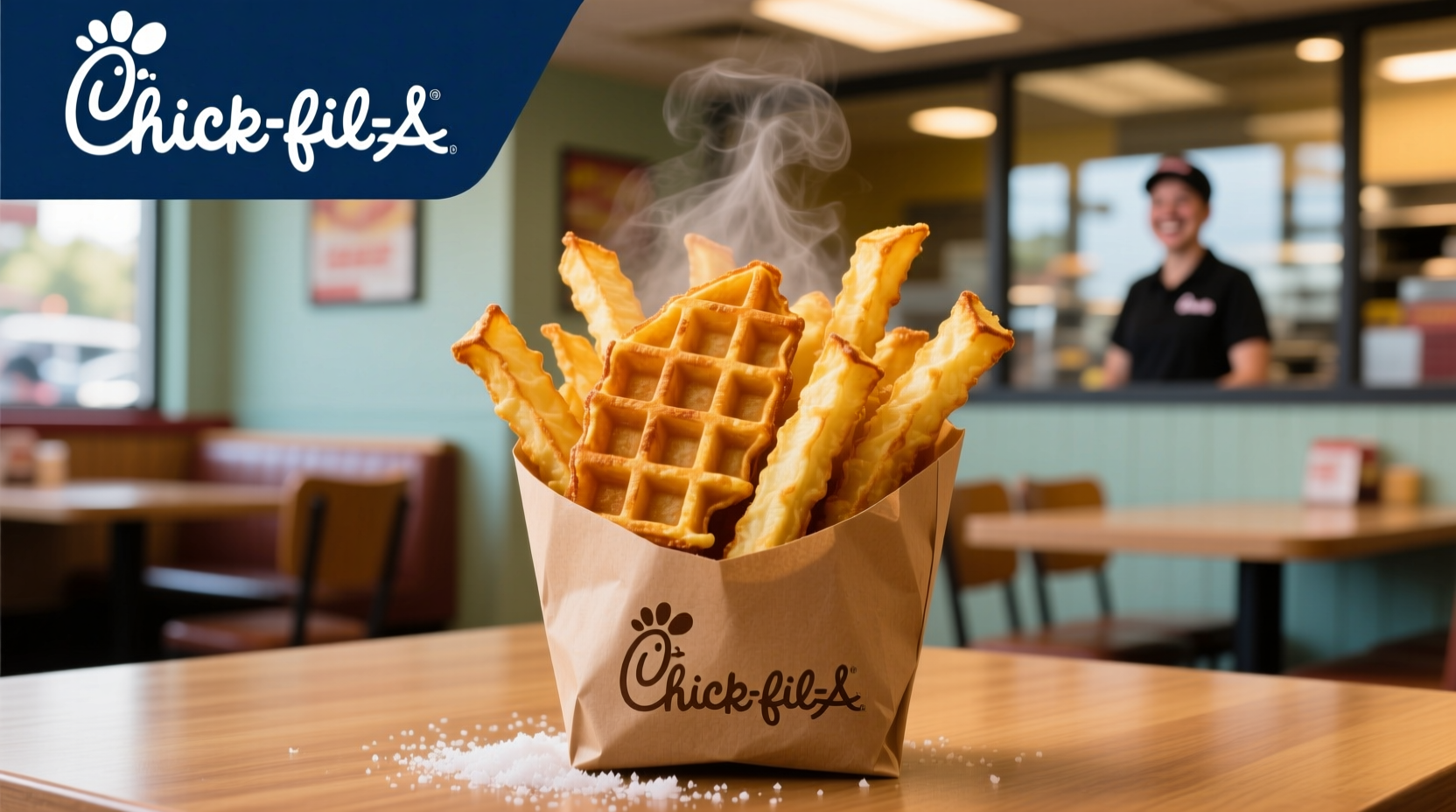
The Truth About Chick-fil-A Waffle Potato Fries: Ingredients, Nutrition, and Sourcing
The truth about Chick-fil-A Waffle Potato Fries is that they are made from three primary ingredients: real potatoes, refined canola oil, and sea salt. Unlike many competitors that use complex additives, Chick-fil-A relies on a specific...
The truth about Chick-fil-A Waffle Potato Fries is that they are made from three primary ingredients: real potatoes, refined canola oil, and sea salt. Unlike many competitors that use complex additives, Chick-fil-A relies on a specific "skin-on" waffle cut and dedicated fryers to maintain a vegan-friendly and gluten-free status, despite risks of kitchen cross-contact.
Contents
The Simple Ingredient List: Myth vs. Reality
For years, fast-food consumers have grown skeptical of ingredient lists, often expecting a laundry list of preservatives, anti-foaming agents, and artificial flavorings. However, Chick-fil-A has maintained a surprisingly minimalist approach to its most popular side dish. As of 2026, the core components of the waffle fries remain potatoes, canola oil, and sea salt.
The potatoes are grown primarily in the Pacific Northwest, specifically in the Columbia River Basin. This region provides the ideal soil and climate for the Russet Burbank potato, which is the variety of choice for the chain. The Russet Burbank is favored for its high starch content and low sugar levels, which result in a light, fluffy interior and a crisp exterior when fried.
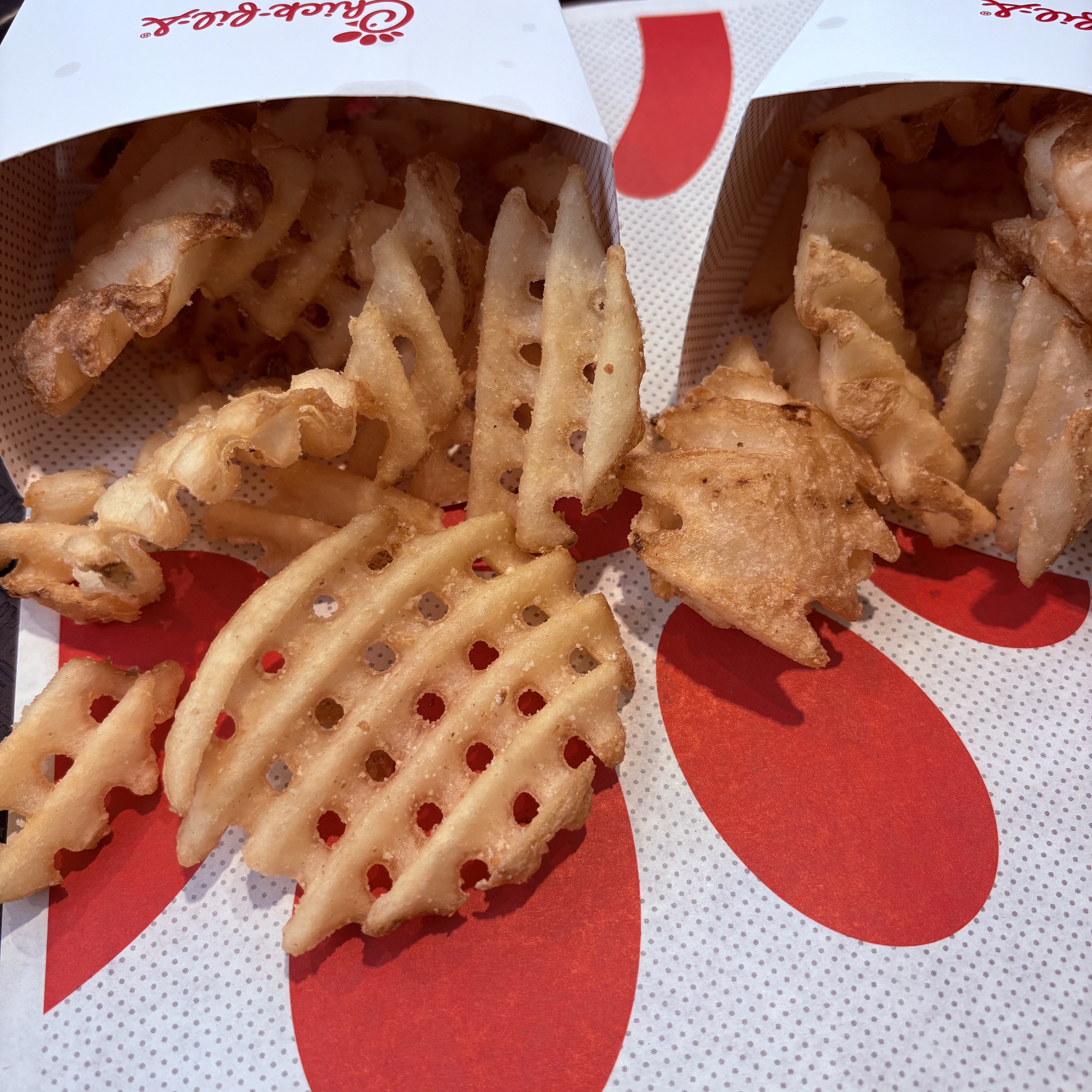
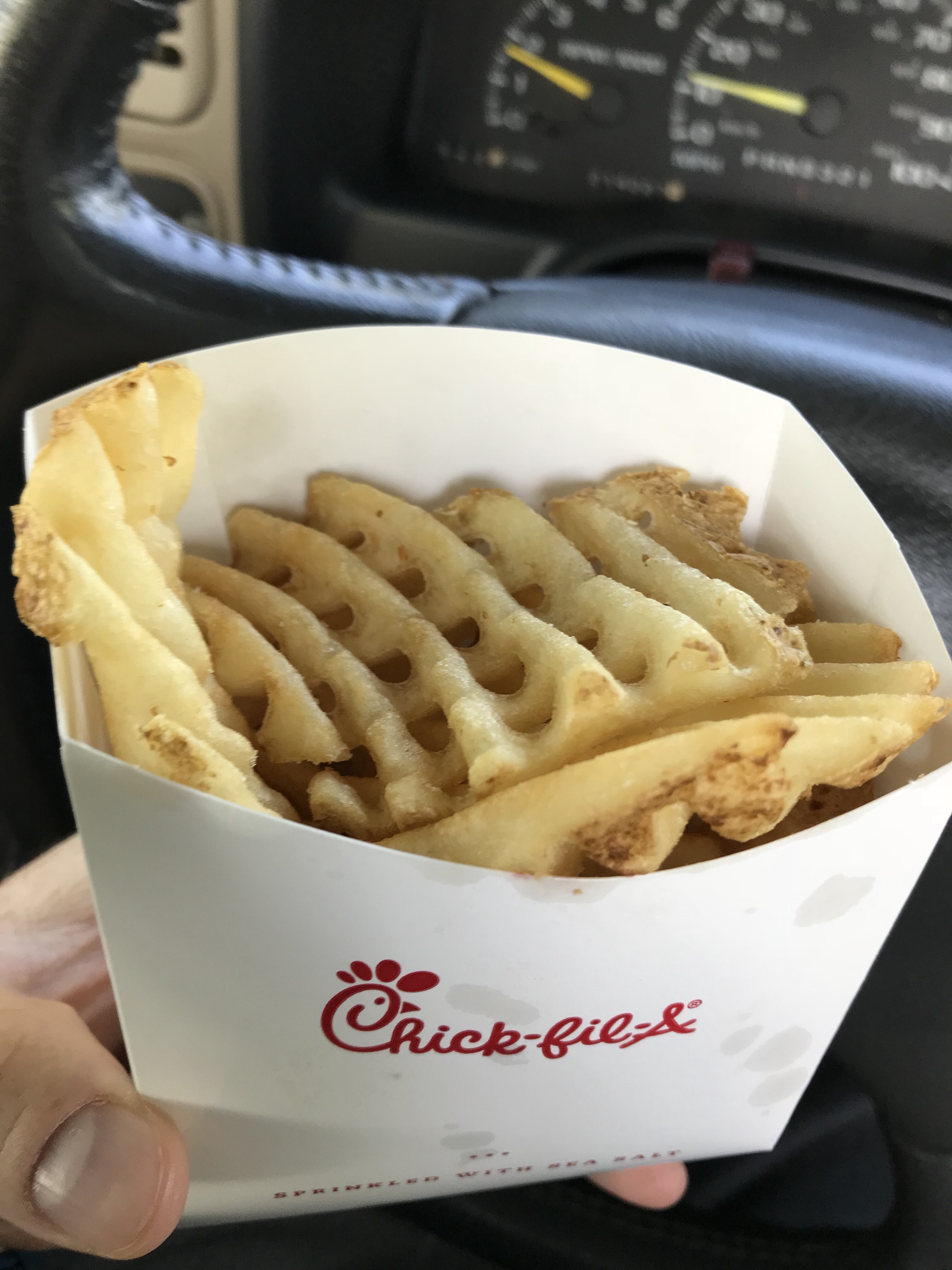
A common misconception is that the fries contain "pink slime" or a potato-based dough that is molded into shapes. In reality, these are whole-muscle vegetables. The potatoes are washed, scrubbed, and sliced using a specialized mechanical "waffle" blade that preserves the skin on the edges. This skin-on approach is not just for aesthetics; it provides a rustic texture and retains more of the potato's natural fiber and potassium compared to peeled varieties.
The Engineering of the Waffle Cut
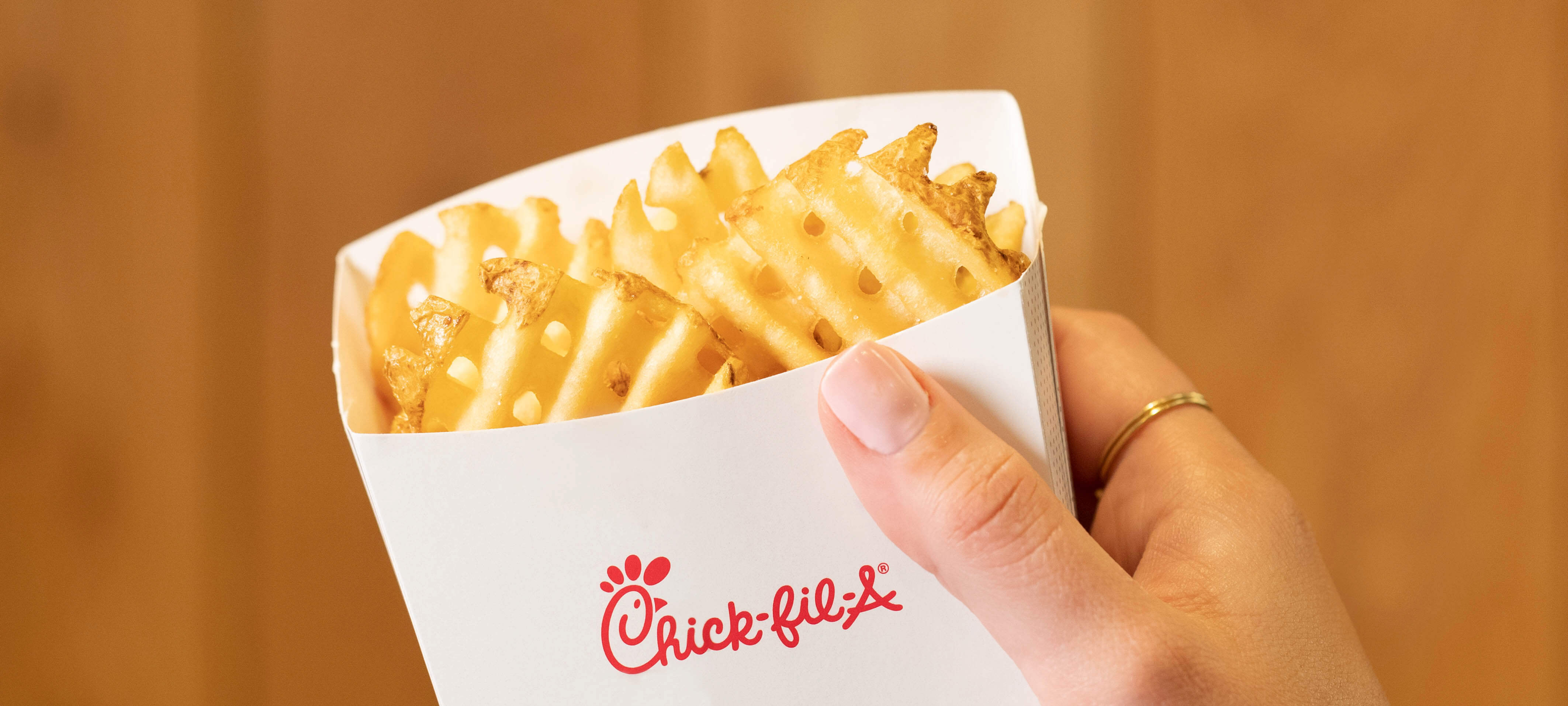
The "truth" about the waffle shape isn't just about branding; it is a matter of culinary engineering. The lattice design, known technically as a crinkle-cut or pommes gaufrettes, serves a dual purpose in the fast-food environment.
First, the waffle cut maximizes the surface-area-to-volume ratio. Because there are more edges and holes, a larger portion of the potato is exposed to the hot oil. This creates more "crunch" per bite than a standard shoestring or wedge fry. Second, the structural integrity of the waffle shape allows the fry to hold up better under the weight of sauces. Since Chick-fil-A is famous for its wide array of dipping sauces, the fries are designed to act as a "scoop" or "vessel," ensuring that the sauce stays on the fry rather than sliding off.
Furthermore, the holes in the waffle cut allow for better heat distribution during the frying process. This prevents the fries from becoming soggy in the center—a common issue with thicker steak fries. In the high-volume environment of 2026, where delivery and drive-thru dominate, this shape also helps the fries retain heat for longer periods during transport.
The Oil Debate: Why Canola and Not Peanut Oil?
There is often confusion regarding the oil used at Chick-fil-A. While the brand is synonymous with refined peanut oil for its pressure-cooked chicken, the waffle fries are cooked in refined canola oil.
This distinction is critical for two reasons: flavor profile and allergen management. Canola oil has a very neutral flavor, which allows the natural taste of the Russet potato and the sea salt to shine through. Peanut oil, while excellent for chicken, can sometimes impart a slightly nutty aroma that the culinary team decided didn't pair as well with the specific starch profile of their fries.
From a technical standpoint, the canola oil used is "highly refined." The refining process removes the protein that typically causes allergic reactions in individuals with peanut or seed allergies. However, Chick-fil-A still recommends that those with severe allergies exercise caution. The use of dedicated fryers for the waffle fries is a standard operating procedure across most locations to ensure there is no "flavor transfer" or protein cross-contamination from the breaded chicken.
Nutritional Breakdown and Health Considerations
When analyzing the truth about any fast-food item, the nutritional data is the most objective metric. Chick-fil-A fries are often perceived as a "guilty pleasure," but how do they actually stack up?
As of 2026, a medium serving of Waffle Potato Fries typically contains approximately 420 calories, 24 grams of fat, and 45 grams of carbohydrates. While they are a high-calorie side dish, they are notable for what they lack. They contain zero grams of trans fats and no cholesterol. The use of sea salt rather than standard table salt provides a slightly different mineral profile, though the sodium content remains a factor for those on restricted diets, averaging around 240mg per medium serving.
Compared to other major fast-food chains, Chick-fil-A fries often have a shorter shelf life in terms of peak freshness because they lack the heavy preservatives (like sodium acid pyrophosphate) used elsewhere to maintain color. This means that if your fries look slightly "browned" or less uniform, it is often a sign of a more natural product reacting to the sugars in the potato.
Nutritional Comparison (Medium Serving)
| Metric | Chick-fil-A Waffle Fries | Leading Competitor (Shoestring) | Second Competitor (Natural Cut) |
|---|---|---|---|
| Calories | 420 | 320 | 470 |
| Total Fat | 24g | 15g | 21g |
| Sodium | 240mg | 190mg | 950mg |
| Ingredients | Potatoes, Canola Oil, Sea Salt | Potatoes, Veg Oil Blend, Additives | Potatoes, Veg Oil, Dextrose |
| Vegan Friendly | Yes | No (Often contains beef flavoring) | Yes |
Lifestyle Compatibility: Vegan and Gluten-Free Status
One of the most significant "truths" that surprises many consumers is that Chick-fil-A Waffle Potato Fries are vegan-friendly. Many other major chains add "natural beef flavor" (which often contains milk or meat derivatives) to their frying oil or potato par-fry process. Chick-fil-A does not. Because the fries are cooked in 100% canola oil and contain no animal products, they are a staple for plant-based diners.
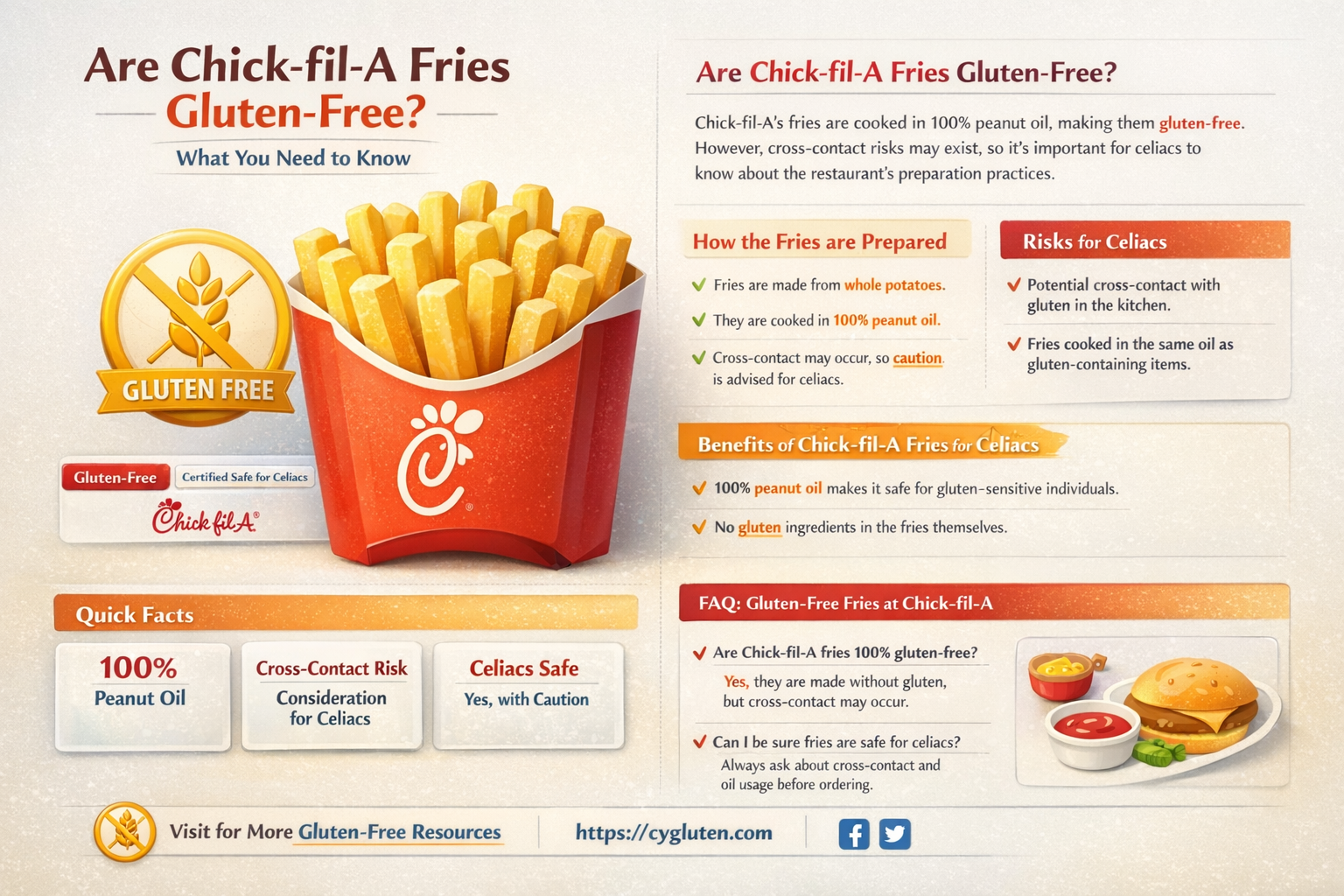
Regarding gluten, the fries themselves contain no gluten-containing ingredients. However, they are prepared in a commercial kitchen. While most locations use dedicated fryers specifically for the fries (separate from the breaded chicken), there is always a risk of cross-contact. In 2026, Chick-fil-A maintains a transparent policy: while the fries are "wheat-free" by recipe, they are not certified "gluten-free" due to the shared kitchen environment. Individuals with Celiac disease are encouraged to consult with the specific manager at their local branch to verify their fryer protocols.
Sourcing and Sustainability in 2026
The journey of a Chick-fil-A fry begins long before it hits the fryer. The company sources its potatoes from family-owned farms, many of which have been partnering with the chain for decades. In the Columbia River Basin, these farmers utilize high-tech irrigation and soil monitoring to ensure the Russet Burbanks meet strict size and density specifications.
Sustainability has become a larger part of the "truth" behind the brand in recent years. By 2026, many of the potato suppliers for Chick-fil-A have moved toward regenerative agriculture practices to maintain soil health. Additionally, the "waffle cut" is an efficient way to use more of the potato, reducing food waste during the mechanical slicing process compared to standard thin-cut fries which often require more trimming of the potato ends.
Frequently Asked Questions
Are Chick-fil-A fries frozen before they are cooked?
Yes. The potatoes are sliced, blanched, and flash-frozen at the processing plant before being shipped to individual restaurants. This process is necessary to ensure the starch is "set," which is what creates the crispy exterior when they are finally fried in the restaurant.
Why do some fries have more skin on them than others?
Because Chick-fil-A uses real, whole potatoes, the amount of skin depends on which part of the potato the fry was cut from. Fries cut from the ends of the potato will have significantly more skin, while those from the center will have almost none.
Is the salt used on the fries special?
Chick-fil-A uses sea salt. While chemically similar to table salt, sea salt is harvested through the evaporation of ocean water and often contains trace minerals that provide a slightly more complex flavor profile, which complements the earthiness of the potato skin.
Do they use the same oil for the fries and the chicken?
No. Chick-fil-A uses refined peanut oil for its breaded chicken and refined canola oil for its waffle fries. This separation is strictly maintained to ensure the fries remain vegan-friendly and to prevent flavor crossover.
Can I ask for fries without salt?
Yes. Like most fast-food chains, you can request "no salt" fries. This usually ensures that you receive a fresh batch, as the staff must fry a new load in a clean basket to avoid the salt residue from the previous batch.
Expert Recommendation for the Best Experience
To get the most out of your Chick-fil-A Waffle Potato Fries, the best practice is to consume them within five to seven minutes of purchase. Because they are made with minimal preservatives and natural oils, they lose their heat-retaining "crunch" faster than fries treated with chemical stabilizers. If you are ordering via delivery in 2026, consider reheating them in an air fryer at 375°F for two minutes to restore the original texture. This removes the moisture that accumulates in the cardboard packaging and revitalizes the sea salt seasoning.
Image Gallery