Everything You Need to Know About Papa John’s Special Garlic Sauce
Papa John’s Special Garlic Sauce is a shelf-stable, soybean oil-based dipping condiment famously included with every traditional-crust pizza. Since its 1984 debut, it has become a cult favorite known for its creamy texture, rich garlic...
Papa John’s Special Garlic Sauce is a shelf-stable, soybean oil-based dipping condiment famously included with every traditional-crust pizza. Since its 1984 debut, it has become a cult favorite known for its creamy texture, rich garlic flavor, and dairy-free composition, making it a unique staple in the fast-food industry.
Contents
The History and Origins of the Iconic Dipping Sauce
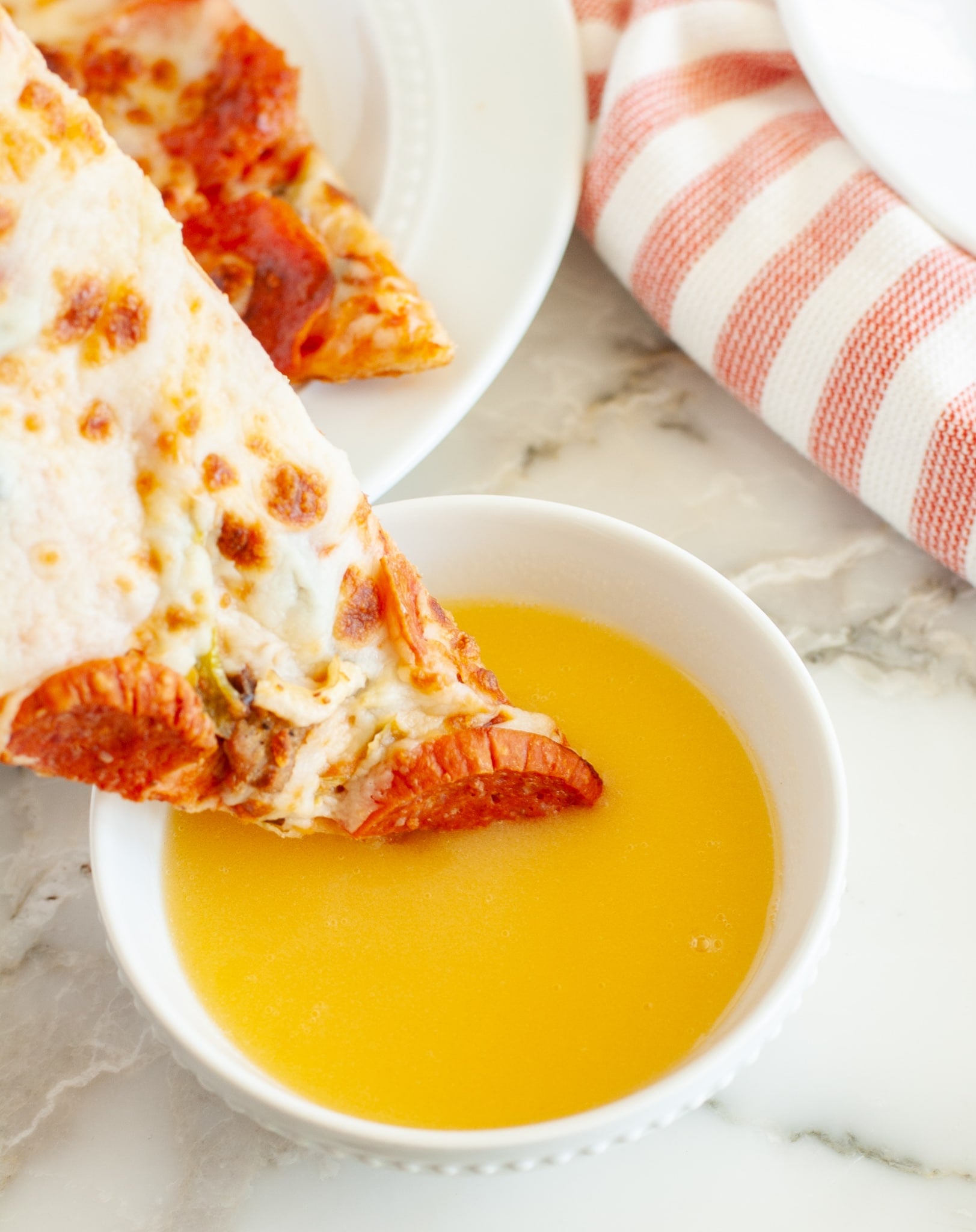
The story of the "Special Garlic Sauce" is inseparable from the history of Papa John’s itself. When John Schnatter founded the company in 1984 in the back of his father’s tavern in Jeffersonville, Indiana, he aimed to differentiate his pizza from established competitors. One of the primary ways he achieved this was by including a complimentary container of dipping sauce and a pickled pepperoncini with every pizza.
This move was revolutionary for the time. Most pizza chains treated dipping sauces as an afterthought or a paid add-on. By including the garlic sauce in the box, Papa John’s created a specific ritual for eating pizza—dipping the crust. This strategy helped build brand loyalty, as the sauce's flavor profile became synonymous with the Papa John’s experience. Over the decades, the recipe has remained remarkably consistent, surviving numerous menu changes and brand evolutions to remain the company's most requested side item as of 2026.
What’s Actually Inside? An Analysis of Ingredients and Nutrition
While many consumers refer to it as "garlic butter," the term is technically a misnomer. Papa John’s Special Garlic Sauce is actually a vegetable-oil-based emulsion. Understanding the ingredients helps explain why the sauce has such a distinct shelf life and consistency compared to homemade garlic butter.
Ingredient Breakdown
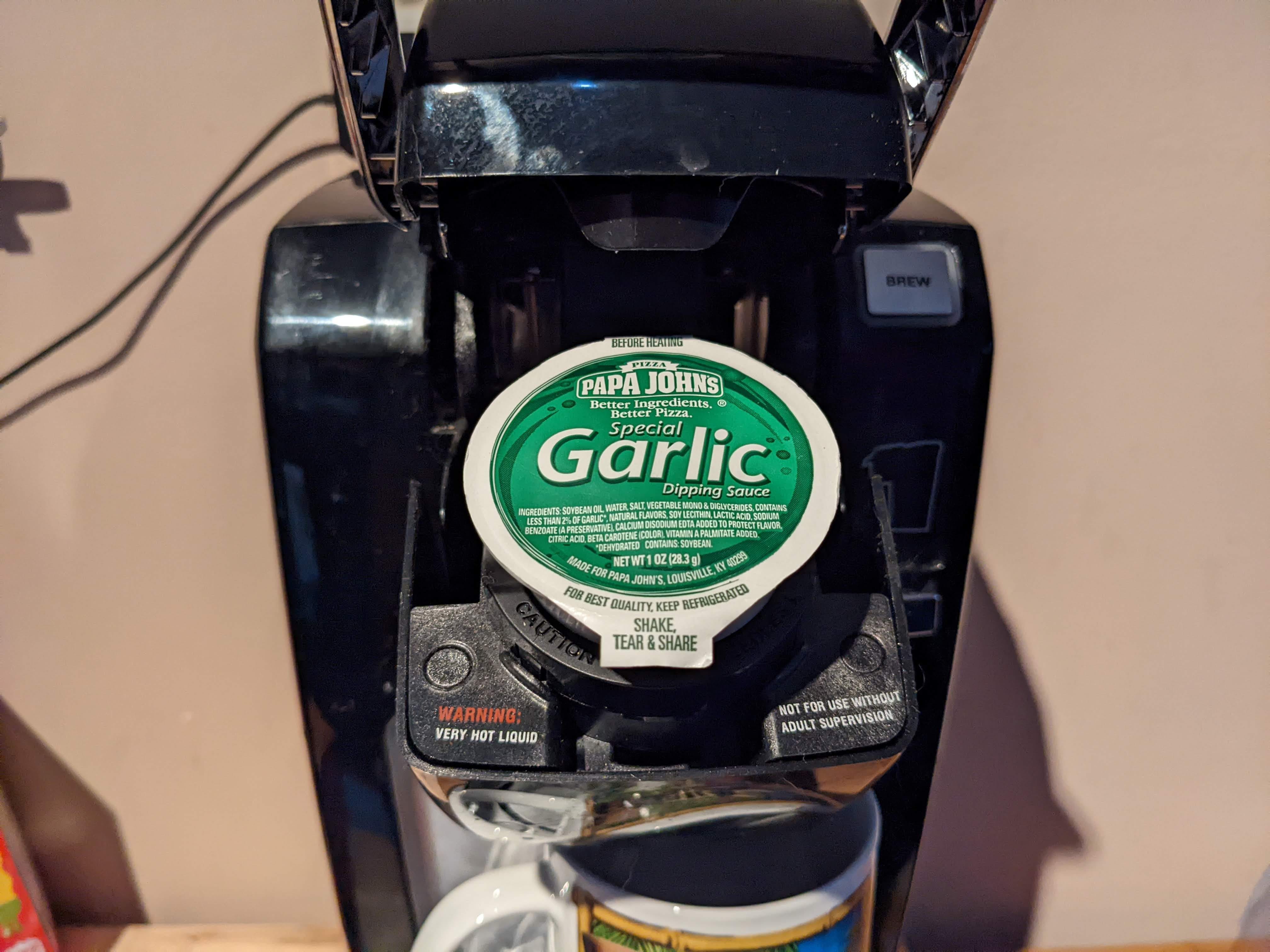
The primary ingredient is soybean oil, which provides the base and the smooth, liquid-to-creamy texture. Water and salt follow, creating the foundation for the brine-like savoriness. The "garlic" component comes from both natural and artificial flavorings rather than minced fresh garlic, which ensures a consistent flavor profile and prevents the sauce from spoiling quickly.
To keep the oil and water from separating, the recipe uses soy lecithin and vegetable mono and diglycerides as emulsifiers. It also contains lactic acid to provide a slight tang and sodium benzoate as a preservative. The vibrant yellow color is achieved through beta carotene, a natural pigment often found in carrots, rather than synthetic dyes.
Is Papa John’s Garlic Sauce Vegan?
One of the most surprising facts for many consumers is that the Special Garlic Sauce is completely vegan. Because it uses soybean oil rather than butter or cream, it contains no animal products or by-products. This has made it a favorite among the plant-based community, especially when paired with Papa John's original hand-tossed dough, which is also vegan. However, it is important to note that the "Garlic Parmesan" crust or other specialized sauces may contain dairy, so the "Special Garlic" remains the primary vegan-friendly choice.
Nutritional Information
As a fat-based condiment, the garlic sauce is calorie-dense. While the exact values can fluctuate slightly depending on the size of the dipping cup (usually 1.5 to 2 ounces), the following table provides a standard nutritional outlook for a typical serving.
| Nutrient | Amount Per Serving (Approx. 2 oz) | Daily Value % |
|---|---|---|
| Calories | 250 | 12.5% |
| Total Fat | 28g | 36% |
| Saturated Fat | 5g | 25% |
| Trans Fat | 0g | 0% |
| Cholesterol | 0mg | 0% |
| Sodium | 420mg | 18% |
| Total Carbohydrates | 0g | 0% |
| Protein | 0g | 0% |
Why the Sauce is a Cult Favorite
The popularity of Papa John’s Special Garlic Sauce transcends simple taste; it is a cultural phenomenon. Several factors contribute to its "cult" status in the fast-food world:
- The Consistency: Unlike real butter, which hardens when cold and becomes greasy when overheated, the garlic sauce maintains a silky, viscous consistency at room temperature. This makes it perfect for dipping hot crusts or cold leftovers.
- Flavor Balancing: Pizza is inherently acidic (from the tomato sauce) and salty (from the cheese). The rich, fatty nature of the garlic sauce provides a "marrow-like" richness that balances the acidity of the pizza, making each bite feel more substantial.
- Versatility: Beyond pizza crust, fans frequently use the sauce for dipping chicken poppers, breadsticks, and even home-cooked items. In 2026, it remains one of the few fast-food items that people regularly attempt to replicate in their own kitchens.
How to Order and Purchase Papa John’s Garlic Sauce
For many years, the only way to get the sauce was to order a pizza. However, due to high demand, Papa John’s has expanded the ways customers can access their "liquid gold."
- Extra Dipping Cups: When ordering via the app or website, you can add extra 1.5 oz dipping cups to your order for a small fee (typically ranging from $0.75 to $1.25 depending on the location).
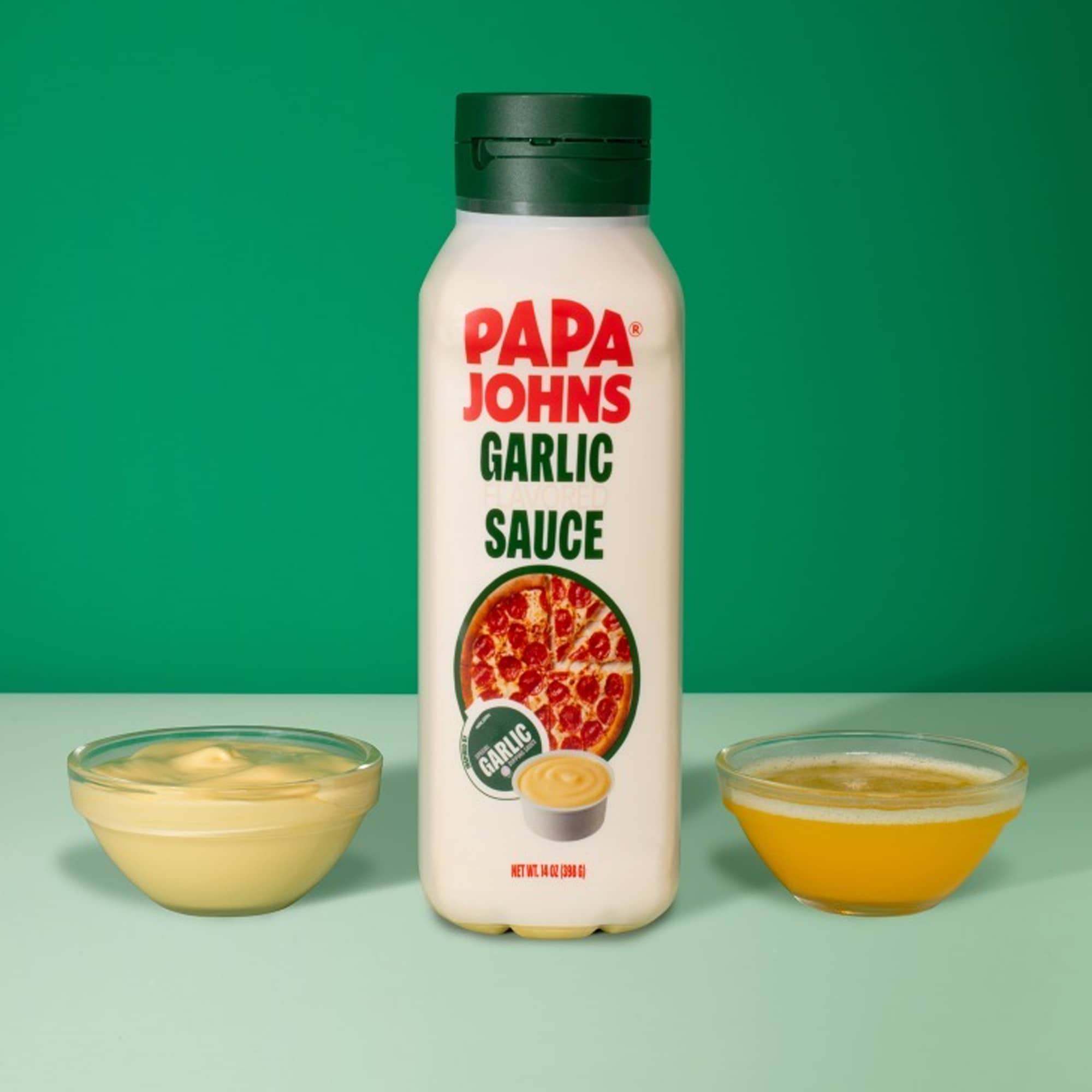
- The "XL" Bottle: At various points in the last few years, Papa John’s has released limited-edition 16-ounce or 20-ounce squeeze bottles of the Special Garlic Sauce. These are usually available through their official website or through secondary retailers during promotional periods.
- Bulk Ordering: For large parties or catering, many locations allow you to purchase the sauce in larger quantities if requested in advance.
DIY Guide: How to Make Papa John’s Special Garlic Sauce at Home
If you find yourself without a local Papa John’s or simply want to create a healthier or more abundant version at home, you can replicate the sauce with a high degree of accuracy. The key is to avoid using real butter if you want the exact "Papa John's" texture, as butter will solidify in the fridge.
Ingredients Needed:
- 1/2 cup of Margarine or Soybean-based vegetable spread (liquid or soft tub variety)
- 1/4 teaspoon of Garlic Powder
- 1/8 teaspoon of Salt
- A pinch of Onion Powder (optional, for depth)
Step-by-Step Instructions:
- Select the Base: Use a vegetable oil-based margarine. If you use real butter, the taste will be excellent but the texture will be different from the original.
- Melt Slowly: Place the margarine in a microwave-safe bowl. Heat in 10-second intervals until it is completely liquid. Avoid boiling it, as this can change the flavor and cause the solids to separate.
- Seasoning: Whisk in the garlic powder and salt. The fine granules of garlic powder are essential here; fresh garlic will be too heavy and will sink to the bottom, whereas powder stays suspended in the oil more effectively.
- Emulsification: For the best results, use a small hand frother or whisk vigorously for 60 seconds. This helps incorporate the salt and garlic thoroughly into the oil.
- Cooling: Let the sauce sit at room temperature for at least 15 minutes before serving. This allows the flavors to meld and the sauce to thicken slightly.
Storage and Safety: How Long Does It Last?
Because the official Papa John’s Special Garlic Sauce is an oil-based product with preservatives, it has a surprisingly long shelf life.
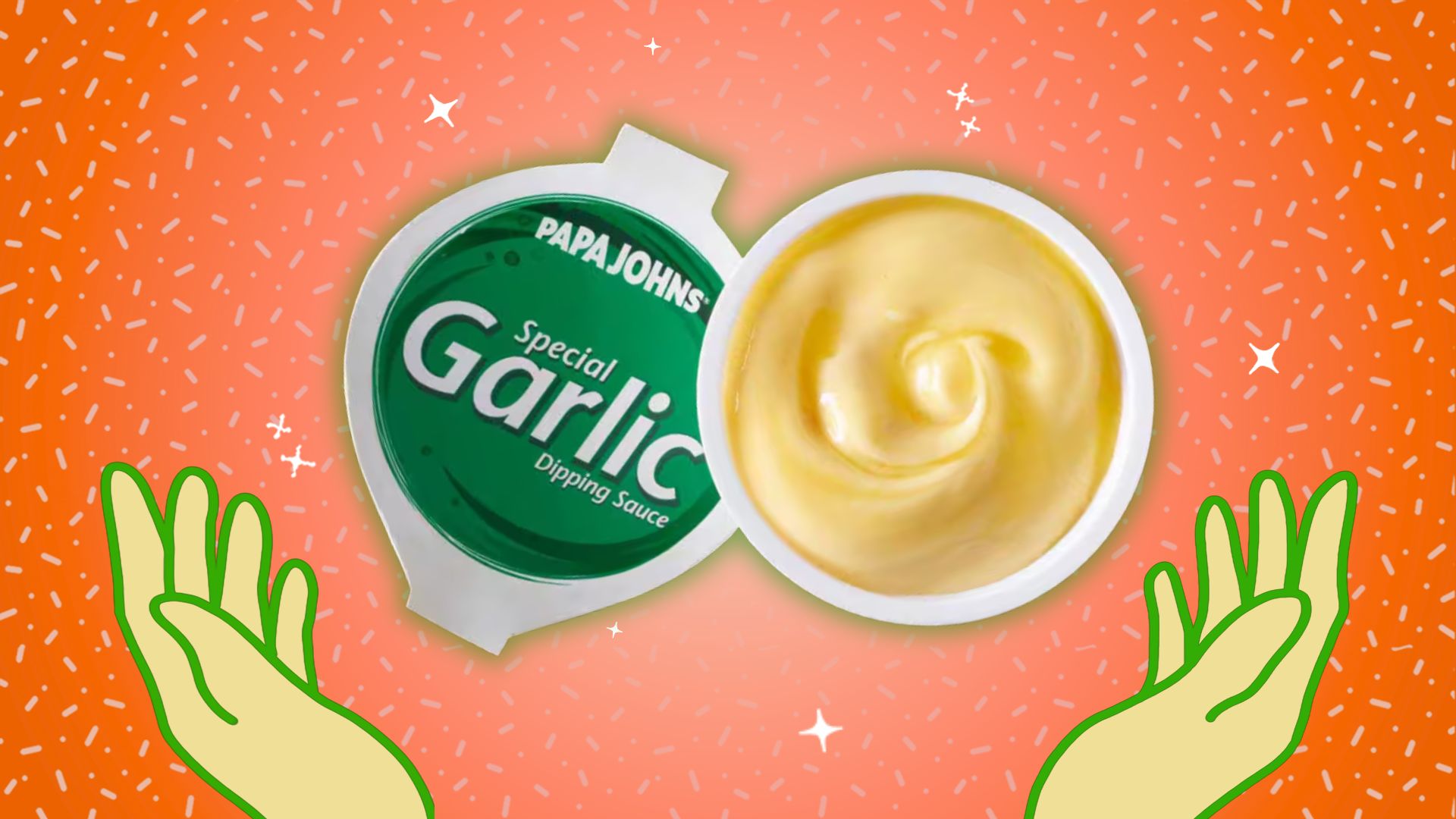
- Unopened Cups: An unopened dipping cup can last for several months at room temperature. Always check the "Best By" date printed on the foil lid. If the seal is bloated or the oil has turned a dark, murky color, discard it immediately.
- Opened Cups: Once the foil seal is broken, the sauce should be consumed within a few hours if left out. If refrigerated after opening, it can last for about 5 to 7 days. Note that refrigeration may cause the oil to cloud or thicken; simply let it sit at room temperature for 10 minutes to restore its liquid state.
- Homemade Versions: Since homemade versions typically lack the commercial preservatives (like sodium benzoate), they should always be stored in the refrigerator and consumed within 3 to 4 days.
Frequently Asked Questions
Does Papa John's Garlic Sauce need to be refrigerated?
Unopened cups do not require refrigeration because they are vacuum-sealed and contain preservatives that prevent bacterial growth at room temperature. However, many people prefer to store them in a cool, dark place to maintain the flavor profile. Once opened, any leftover sauce should be refrigerated.
Is the garlic sauce gluten-free?
Yes, according to the official ingredient lists provided by Papa John’s, the Special Garlic Sauce does not contain wheat, barley, or rye derivatives. It is considered safe for those with gluten sensitivities, though cross-contamination in a busy pizza kitchen is always a theoretical risk.
Can you buy Papa John's Garlic Sauce in grocery stores?
As of 2026, Papa John’s does not have a permanent, widespread retail presence in grocery stores like some other fast-food brands. However, they frequently partner with grocery delivery services or offer "retail-sized" bottles through their own storefronts during special promotions.
Is there a difference between the "Special Garlic" and "Garlic Parmesan" sauce?
Yes. The Special Garlic Sauce is the standard, dairy-free, oil-based dipping sauce. The Garlic Parmesan sauce is a separate product that contains dairy (cheese) and has a thicker, more opaque consistency and a different flavor profile.
Why does the sauce sometimes look separated?
Since it is an emulsion of oil and water-based flavorings, extreme temperature changes can cause slight separation. If you see a layer of clear oil at the top, simply stir or shake the container to re-emulsify the ingredients.
Final Recommendation
For the best experience with Papa John’s Special Garlic Sauce, always ensure you are dipping into a fresh container. If you are a fan of the flavor but concerned about the calorie density, consider using it as a light drizzle rather than a heavy dip. For those with dietary restrictions, the sauce remains one of the most accessible "accidental vegan" condiments in the fast-food industry. Whether you are ordering a fresh pie in 2026 or attempting a DIY recipe at home, the combination of savory garlic and smooth vegetable oil remains a timeless companion to a slice of pizza.
Image Gallery