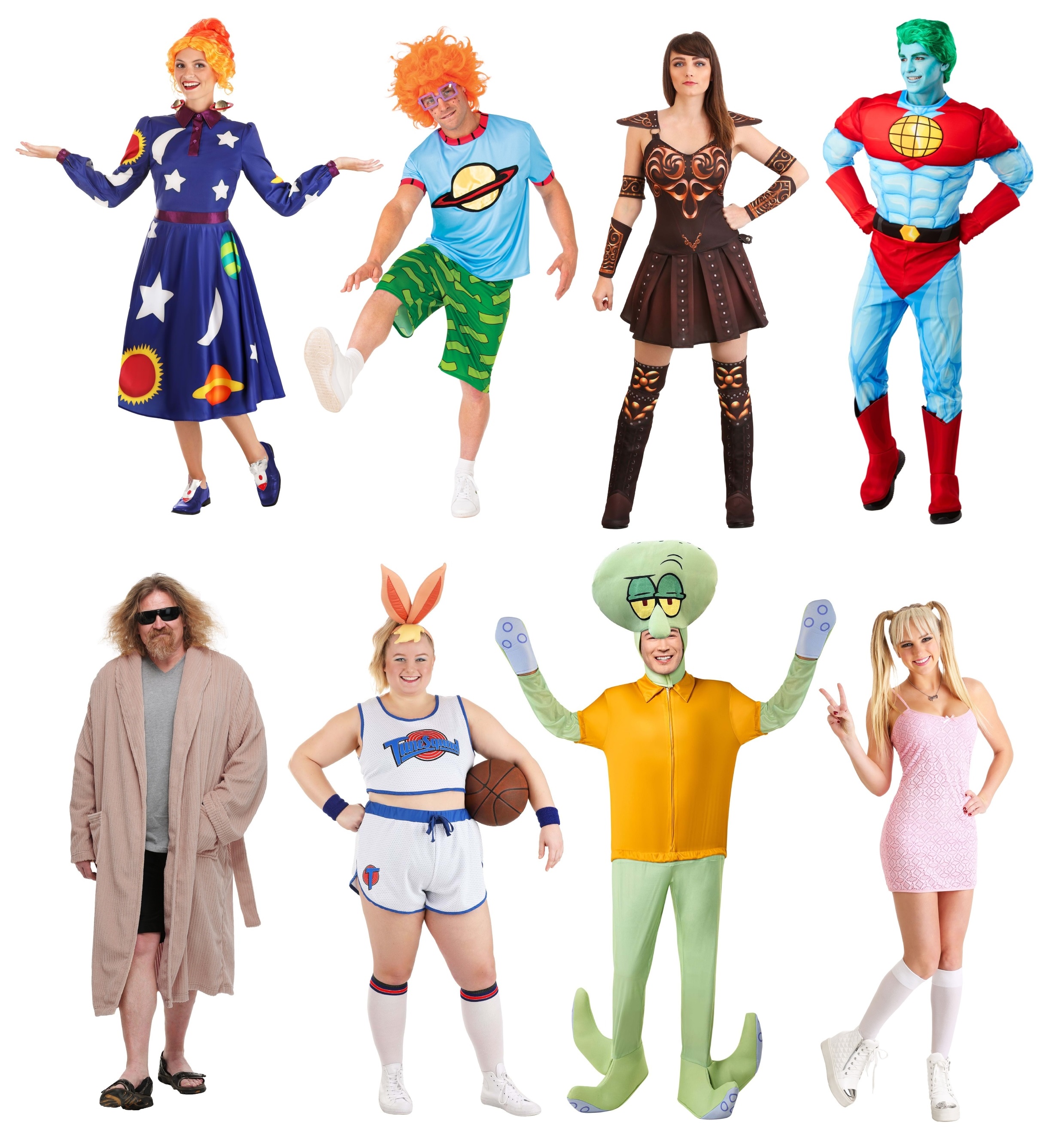
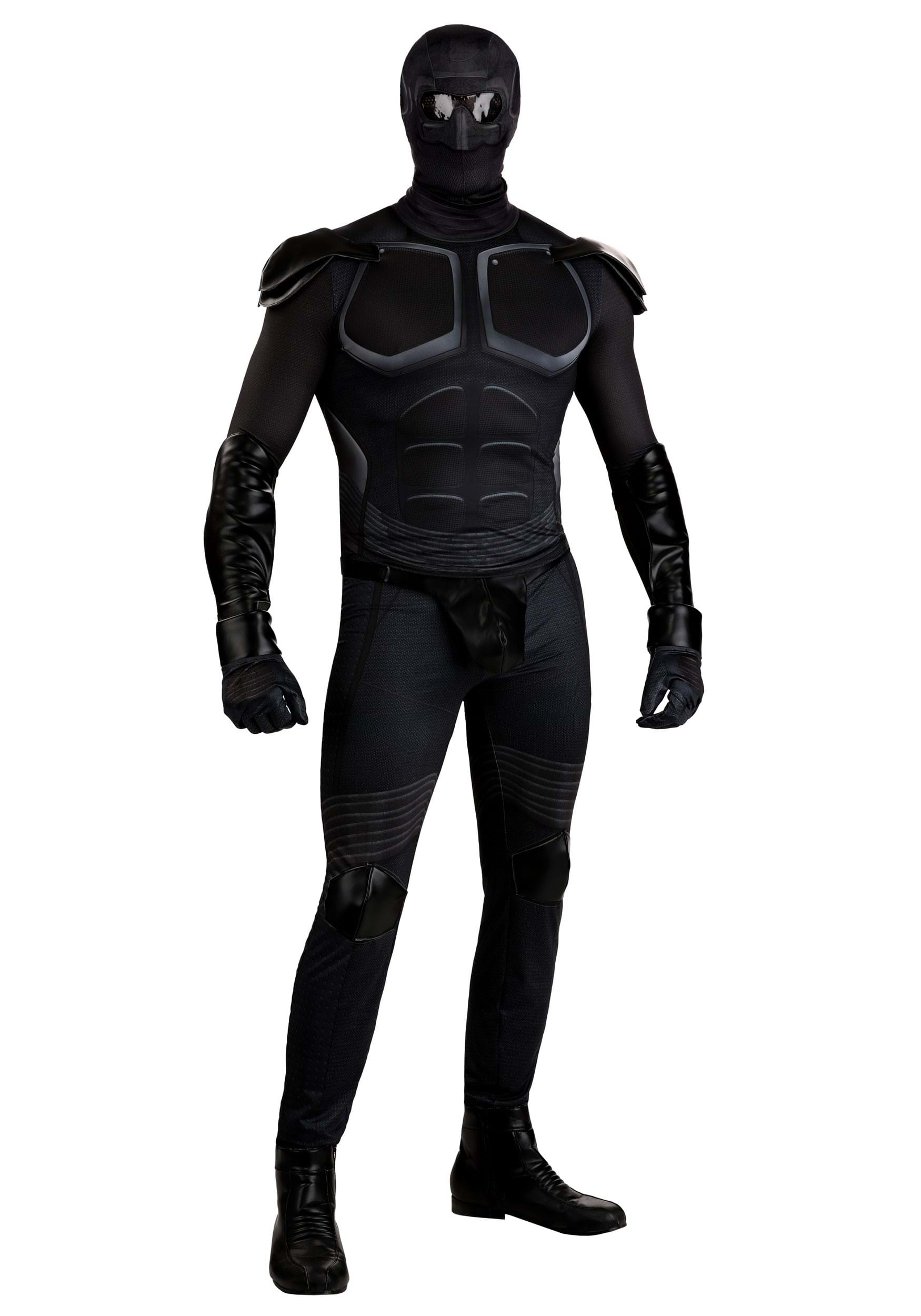
Cost Breakdown for TV Character Costumes for Men
Crafting or purchasing a television character costume for men involves navigating a wide financial spectrum, with total expenses typically ranging from under $50 for basic thrifted builds to upwards of $1,000 for screen-accurate replic...
Crafting or purchasing a television character costume for men involves navigating a wide financial spectrum, with total expenses typically ranging from under $50 for basic thrifted builds to upwards of $1,000 for screen-accurate replicas. Achieving a convincing look requires balancing budget allocation across core garments, distinctive accessories, footwear, and specialized props while deciding whether to buy off-the-rack, assemble a composite closet cosplay, or commission custom pieces.
Contents
Determining Your Costume Tier: The Three Budget Approaches
When planning a men's television costume, your first and most impactful financial decision is choosing your production method. Costumes generally fall into three distinct tiers based on quality, effort, and overall monetary investment: the Budget-Friendly Closet Cosplay, the Mid-Range Commercial Build, and the High-End Screen-Accurate Replica.
The budget approach relies heavily on existing wardrobe items, thrift stores, and minor modifications. This method is ideal for characters who wear contemporary or universal clothing styles, such as detectives, everyday office workers, or modern drama leads. Expenses are mostly limited to a single distinctive signature piece, such as a specific colored tie or a faux leather jacket.
Mid-range commercial builds involve purchasing pre-made costume kits or standalone licensed garments from specialty retailers. This tier suits recognizable fantasy, sci-fi, or period drama characters where standard retail stores fall short. You receive standardized sizing and recognizable silhouettes, though fabric quality and hardware accuracy may require minor upgrading to look truly authentic in well-lit environments.
High-end replicas cater to dedicated enthusiasts aiming for convention masquerades or professional media appearances. This tier incorporates custom tailoring, genuine leather goods, imported textiles, and 3D-printed or cast resin props. While individual components can quickly escalate expenses, the resulting visual fidelity matches professional wardrobe departments.
Itemized Cost Breakdown by Garment and Accessory Category
Breaking down a costume by its individual components prevents unexpected overspending and highlights where to allocate funds for maximum visual impact. Certain elements define a character instantly, while others can be simplified or substituted without hurting the overall illusion.
Outerwear, Jackets, and Signature Coats
Outerwear is frequently the most expensive single element of a men's television costume, particularly for characters defined by iconic coats like leather dusters, tailored trench coats, or distinctive blazers.
- Low-End Options ($25–$60): Generic thrift store blazers or plain synthetic jackets modified with patches or paint.
- Mid-Range Options ($75–$200): Mass-market reproduction jackets manufactured by specialty costume companies or fashion brands mimicking the silhouette.
- High-End Options ($250–$600+): Custom-commissioned leather jackets or bespoke wool coats tailored to exact body measurements using authentic screen-accurate materials and heavy-duty lining.
Shirts, Pants, and Base Layers
Base layers form the foundation of the silhouette. While viewers rarely scrutinize the brand of a shirt, fit and color accuracy remain critical for maintaining character recognition.
- Low-End Options ($15–$40): Fast-fashion retail basics, second-hand trousers, or clearance rack items dyed to match target color palettes.
- Mid-Range Options ($50–$120): Officially licensed costume uniform shirts or period-accurate reproduction trousers from specialized theatrical suppliers.
- High-End Options ($130–$300+): Custom-dyed fabrics, historically tailored breeches, or vintage-era deadstock garments sourced from specialty vintage dealers.
Footwear
Footwear is often neglected by beginners, yet incorrect shoes can instantly undermine an otherwise meticulously crafted costume.
- Low-End Options ($20–$50): Standard sneakers or everyday dress shoes modified with temporary boot covers or spats.
- Mid-Range Options ($60–$150): Commercial costume boots, work boots, or civilian footwear chosen for close color and textural matches.
- High-End Options ($160–$400+): Genuine leather period boots, exact replica stunt footwear, or professionally weathered boots designed for heavy convention wear.
Props, Gadgets, and Signature Accessories
Accessories transform ordinary clothing into a specific television character. This category encompasses items ranging from simple prop badges and pocket watches to complex prop weaponry and specialized headwear.
- Low-End Options ($10–$30): 3D-printed DIY kits requiring home assembly and painting, or simple plastic toy store accessories.
- Mid-Range Options ($40–$100): Pre-painted resin replicas, mass-market prop replicas, and branded costume accessories.
- High-End Options ($120–$500+): Metal-machined prop replicas, electronics-integrated props with sound and lighting effects, and artisan-crafted leather holsters or belts.
| Costume Component | Budget Tier (Closet/DIY) | Mid-Range (Commercial) | High-End (Replica/Custom) |
|---|---|---|---|
| Outerwear & Coats | $25 – $60 | $75 – $200 | $250 – $600+ |
| Shirts & Pants | $15 – $40 | $50 – $120 | $130 – $300+ |
| Footwear | $20 – $50 | $60 – $150 | $160 – $400+ |
| Props & Accessories | $10 – $30 | $40 – $100 | $120 – $500+ |
| Total Estimated Cost | $70 – $180 | $225 – $570 | $660 – $1,800+ |
Hidden Costs and Ongoing Maintenance Expenses
Beyond purchasing initial garments and core props, several secondary expenses frequently catch builders off guard. Factoring these variables into your planning ensures your project stays within financial limits.
Shipping fees and customs duties can significantly inflate the price of specialized components, especially when ordering custom pieces from international artisans. International currency conversion rates and unpredictable postal tariffs can easily add 15 to 30 percent to a component's base price.
Consumables and modification supplies are another hidden budget category. Fabric dye, specialized sewing thread, leather cement, acrylic paints, weathering pigments, and sandpaper are essential for transforming clean store-bought items into lived-in television-accurate costumes. Accumulating these workshop supplies can quickly add $30 to $80 to a build.
Maintenance and storage also demand attention. Delicate synthetic fibers, fragile resin props, and genuine leather require dedicated garment bags, protective cases, and specialized cleaning products. Proper storage prevents warping, fading, and chemical degradation between wears, protecting your financial investment for future events.
DIY Versus Buying Pre-Made: A Financial Analysis
Deciding whether to construct a costume by hand or purchase a complete pre-made kit involves balancing financial expenditure against available personal time.
Purchasing a pre-made commercial kit provides predictable expenses and saves dozens of hours of labor. However, off-the-rack costumes often suffer from universal sizing limitations, requiring additional expenditure on local tailoring to achieve a clean fit. Furthermore, mass-produced costumes frequently use lightweight, low-durability synthetic fabrics that fray or tear under active convention conditions.
Building a costume piece by piece allows you to stagger your spending over several months, spreading out financial strain. This approach yields higher material quality and superior durability. The primary downside is the steep learning curve associated with weathering techniques, prop finishing, and basic garment alteration, which can lead to costly mistakes if materials are ruined during experimentation.
Frequently Asked Questions
How can I save money when building a TV character costume?
Prioritize thrifting base garments like trousers, plain shirts, and basic jackets, then spend your core budget on the single most defining accessory or outer coat that identifies the character. Fabric dyeing and hand-weathering store-bought items also create high-end visual results at a fraction of custom-tailored prices.
Are pre-made television costumes on online marketplaces worth the price?
Pre-made costumes suit simple, modern characters or casual events well. For complex sci-fi, fantasy, or historical attire, baseline commercial kits often require extensive tailoring, component upgrades, and repainting to look convincing in person.
How much should I budget for convention-safe prop weapons?
Basic plastic or unpainted 3D-printed prop kits cost between $15 and $40. High-end finished prop replicas featuring realistic weathering, moving parts, or electronic lighting elements range from $100 to over $400. Always check venue weapon policies before purchasing props.
Why do custom-commissioned costume pieces cost so much?
Custom commissions require skilled artisan labor, pattern drafting, material sourcing, and individualized fitting. You are paying for manual craftsmanship, specialized industrial machinery use, and small-batch production runs rather than mass-factory assembly.
What is the best way to transport a delicate television costume?
Invest in heavy-duty garment bags for coats and structured clothing, hard-sided plastic cases with foam inserts for fragile props and helmets, and a separate shoe bag. Packing costumes correctly prevents crushed hats, bent armor, and scuffed footwear during transit.
Conclusion and Next Actions
Budgeting for a men's television character costume requires balancing visual accuracy against financial realism across garments, footwear, and props. To begin your project successfully, inventory your existing wardrobe for baseline pieces, select your target character, and establish a firm spending cap for signature items and necessary modification supplies.
Image Gallery