Siegfried and Roy at The Mirage: The Legacy of Las Vegas’s Most Iconic Residency
Siegfried and Roy’s residency at The Mirage (1990–2003) redefined Las Vegas entertainment by blending grand-scale illusions with rare white tigers and lions. It was the most commercially successful show in the city’s history, ending ab...
Siegfried and Roy’s residency at The Mirage (1990–2003) redefined Las Vegas entertainment by blending grand-scale illusions with rare white tigers and lions. It was the most commercially successful show in the city’s history, ending abruptly after Roy Horn was injured by a tiger named Montecore. Today, their legacy remains a foundational pillar of the modern Las Vegas Strip.
Contents
The Architect of an Era: Steve Wynn and The Mirage Vision
To understand the magnitude of Siegfried & Roy at The Mirage, one must look at the landscape of Las Vegas in the late 1980s. Before 1989, the Strip was dominated by aging casinos and smaller-scale lounge acts. When developer Steve Wynn envisioned The Mirage, he intended to create the world’s first true "mega-resort." Central to this vision was a headlining act that could match the property’s $630 million price tag and its tropical, volcano-fronted opulence.
Siegfried Fischbacher and Roy Horn were already established stars at the Frontier, but Wynn offered them a record-breaking $57.5 million "lifetime" contract to move to The Mirage. This deal was unprecedented in the entertainment industry at the time. The duo didn't just perform in a room; the resort built the Siegfried & Roy Theatre, a custom-designed, 1,504-seat venue specifically engineered to handle the massive pyrotechnics, hydraulic lifts, and animal habitats required for their performance.
The residency officially opened on February 1, 1990. It was more than a magic show; it was a theatrical spectacle that integrated Broadway-level production values with the raw power of nature. By 2026, looking back at the history of the Strip, this partnership is recognized as the catalyst that transitioned Las Vegas from a gambling-centric hub to a global destination for family-friendly, high-concept entertainment.
The Production Design: "Beyond Belief"
The show, often referred to as "Beyond Belief," was a masterclass in technical stagecraft. Directed by John Caird and featuring costumes by Eiko Ishioka, the production utilized cutting-edge technology that remained state-of-the-art for over a decade.
Illusion and Scale
Siegfried and Roy specialized in "grand-scale" illusions. Unlike close-up magic, their tricks were designed to be visible from the back of a 1,500-seat theater. Key technical elements included:
- The Mechanical Dragon: A massive, fire-breathing animatronic that the duo would "conquer" during the show’s climax.
- Disappearing Acts: The use of sophisticated trap doors and mirror arrays allowed 600-pound tigers to vanish and reappear in mid-air or inside transparent cages.
- Pyrotechnics: The show used a complex array of nitrogen-based fog and traditional flash-pots to mask stage transitions and enhance the "supernatural" themes.
The Role of the Big Cats
While the illusions were impressive, the primary draw was the White Tigers of Rewa. Roy Horn was the primary animal handler, advocating for a "bond-based" training method rather than traditional circus coercion. The show featured dozens of cats, including rare white lions, which were housed in a multimillion-dollar facility on-site. The animals weren't just props; they were the core identity of the brand. This connection between the performers and the predators created a tension that kept audiences captivated for nearly 14 years.
The Secret Garden and Dolphin Habitat
Beyond the evening performances, Siegfried and Roy’s presence at The Mirage extended to the Siegfried & Roy's Secret Garden and Dolphin Habitat. Opened in 1990, this outdoor attraction served as a sanctuary for the white tigers, lions, leopards, and Atlantic bottlenose dolphins.
The facility was designed with two primary goals: education and conservation. While the ethics of animal captivity in entertainment have evolved significantly by 2026, during the 1990s, the Secret Garden was seen as a pioneering effort in species preservation. The duo claimed to have successfully bred over 60 white tigers, helping to increase the global population of the rare feline.
The habitat featured lush, tropical landscaping and climate-controlled environments to protect the animals from the harsh Mojave Desert heat. For tourists, it offered a daytime activity that reinforced the brand of The Mirage as a "mirage" in the desert—an oasis of life and wonder. Although the Secret Garden officially closed in November 2022 following the transition of the property to new ownership, its influence on how Las Vegas resorts integrate non-gaming attractions remains evident.
Key Milestones of the Mirage Residency
| Year | Event | Significance |
|---|---|---|
| 1989 | Contract Signed | Steve Wynn signs the duo to a $57.5 million deal. |
| 1990 | Opening Night | The show debuts on February 1, setting new box office records. |
| 1996 | 3,000th Performance | Celebrated as one of the longest-running headliner acts. |
| 2001 | Contract Extension | A new "lifetime" contract is signed, solidifying their permanent status. |
| 2003 | The Final Show | The residency ends abruptly on October 3 following Roy Horn's injury. |
| 2020/21 | Passing of the Legends | Roy (2020) and Siegfried (2021) pass away, marking the end of an era. |
| 2024 | Mirage Closure | The Mirage closes for rebranding, ending the physical site of the show. |
The Incident: October 3, 2003
The most significant and tragic event in the history of the residency occurred on Roy Horn’s 59th birthday. During the evening performance, a seven-year-old white tiger named Montecore strayed from the scripted routine. When Roy attempted to redirect the cat, Montecore bit Roy by the neck and dragged him offstage.
The aftermath was catastrophic:
- Medical Impact: Roy suffered severe blood loss and a stroke, leaving him partially paralyzed and significantly affecting his speech and mobility for the remainder of his life.
- The Show's End: The Mirage immediately suspended the show indefinitely. It never reopened.
- The Investigation: Federal investigators (USDA) looked into the incident. While the official reports were inconclusive regarding the tiger’s motivation, Roy Horn consistently maintained that Montecore was attempting to save him from a medical emergency (a mini-stroke) by carrying him to safety.
The incident sparked a global debate over the safety of using wild animals in live performances. It effectively signaled the beginning of the end for large-scale animal acts in Las Vegas, as resorts began to pivot toward Cirque du Soleil-style acrobatics and digital-heavy productions.
The Cultural Impact and Legacy in 2026
As of 2026, the physical landscape of The Mirage has transformed into the Hard Rock Las Vegas, featuring a massive guitar-shaped hotel tower. However, the influence of Siegfried and Roy is still palpable in the city's DNA.
Economic Contribution
During their 13-year run at The Mirage, Siegfried and Roy performed for approximately 10 million people and generated more than $1 billion in ticket sales. They proved that a single residency could sustain an entire resort's brand, a model that paved the way for later stars like Celine Dion, Elton John, and Adele.
The Myth of the White Tiger
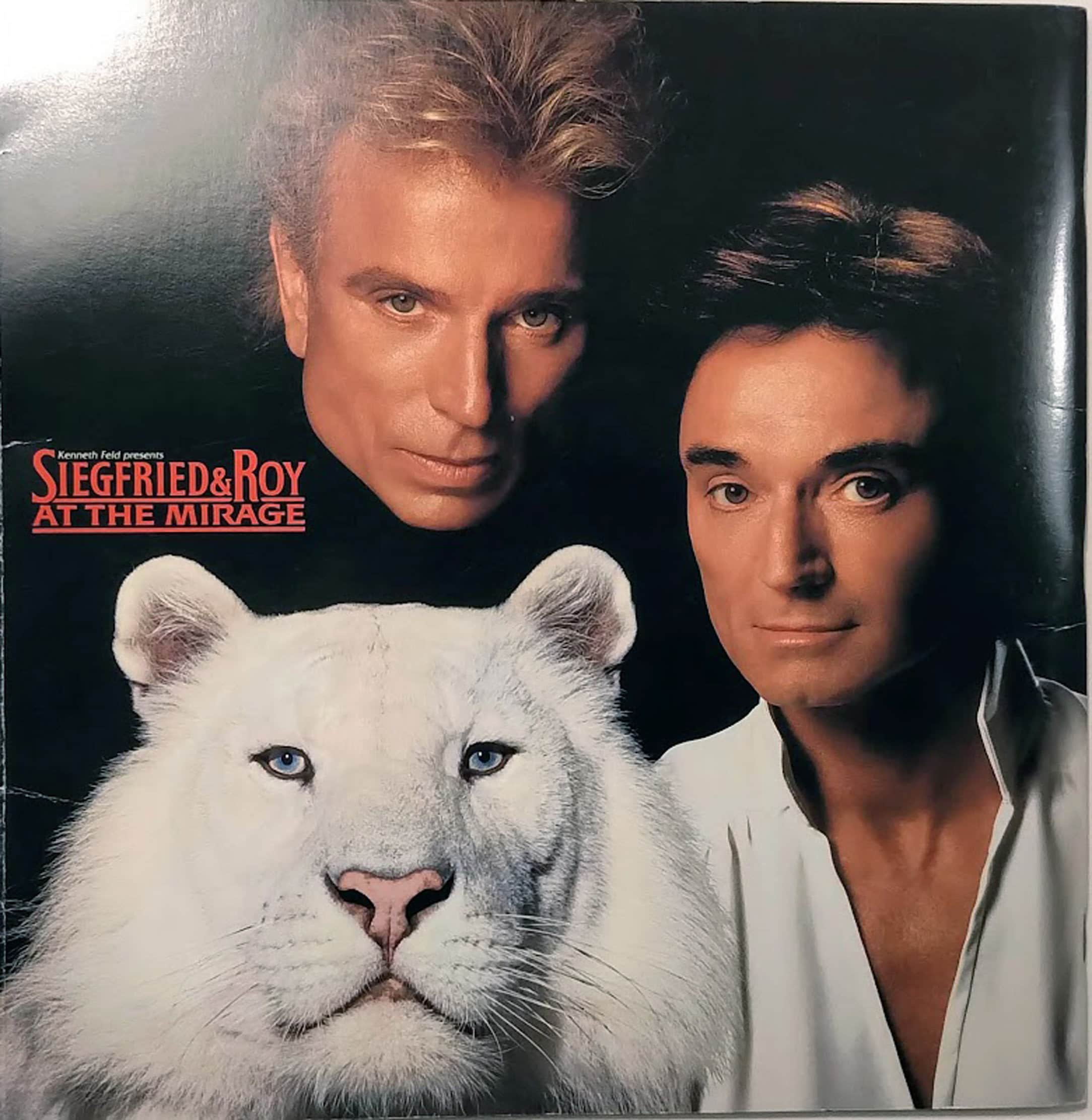
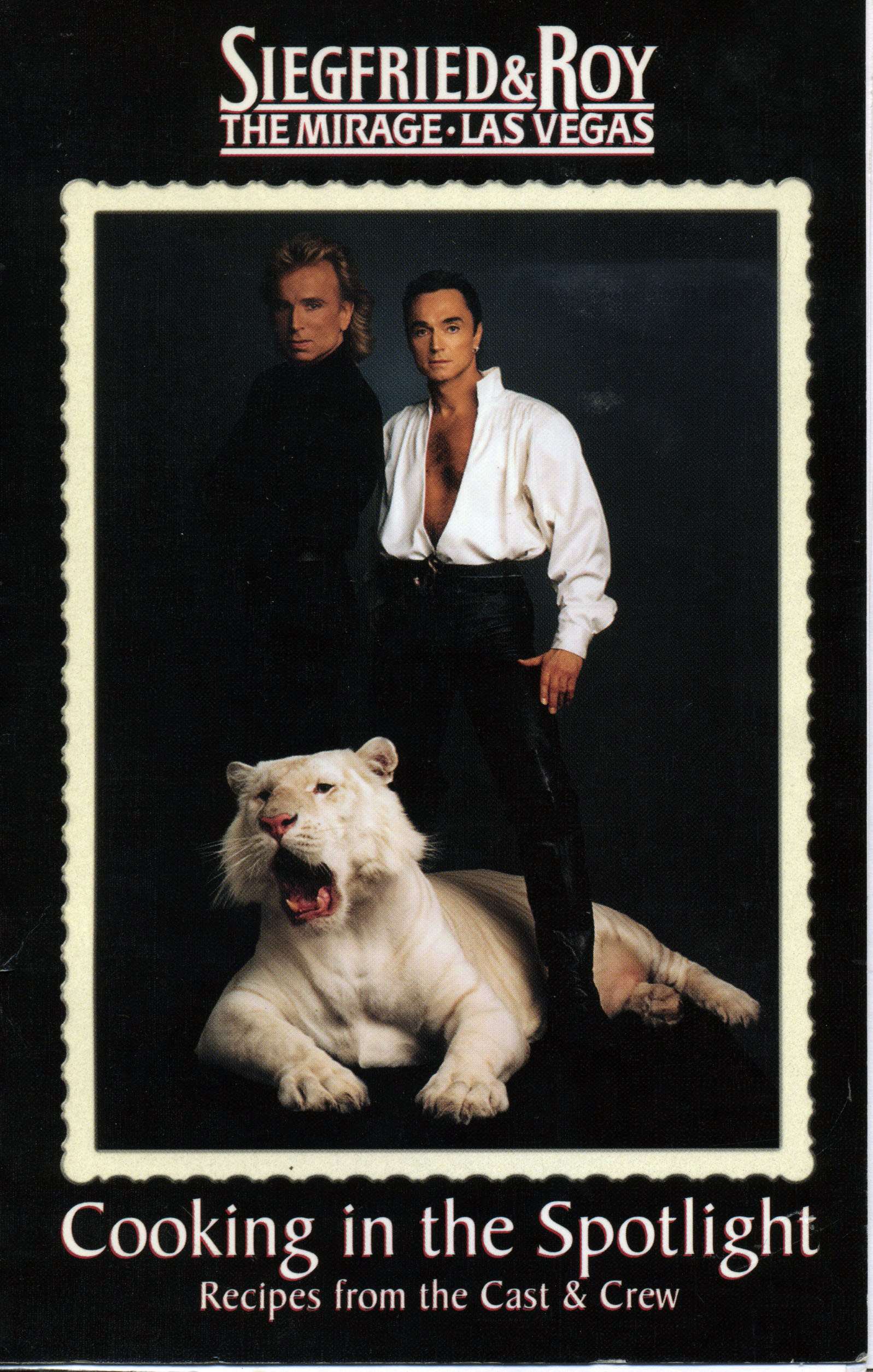
The duo successfully turned the white tiger into a symbol of Las Vegas luxury. Their image—cloaked in sequins, surrounded by white cats—is one of the most enduring visual icons of the 20th-century entertainment world. Even in 2026, "Siegfried and Roy" is shorthand for a specific kind of Vegas glamour: spectacular, slightly eccentric, and undeniably grand.
Conservation and Awareness
While the use of animals in entertainment is viewed through a more critical lens today, the duo’s S&R Diversity Foundation contributed millions to wildlife conservation. They brought global attention to the plight of endangered big cats, and many of their former animals were moved to accredited sanctuaries where they lived out their lives under professional care.
Common Questions Regarding the Residency
What happened to Montecore after the incident?
Montecore was not euthanized. Roy Horn insisted that the tiger was not at fault. The tiger lived out the rest of his life at the Secret Garden at The Mirage and died of natural causes in 2014 at the age of 17.
Are there any memorials to Siegfried and Roy at The Mirage site?
While the resort has been rebranded to the Hard Rock, a bronze statue of the duo was long a landmark at the property. In 2026, many of the physical archives and costumes from the show are preserved in private collections and museum exhibits dedicated to the history of Las Vegas.
How much did tickets cost for the show?
During the height of its popularity in the late 1990s and early 2000s, tickets typically ranged from $100 to $150. This included tax, gratuity, and two drinks, making it one of the most expensive—but also most sought-after—tickets in town at the time.
Why did the show never return after Roy's recovery?
Roy Horn’s injuries were extensive and required years of rehabilitation. While the duo made a one-time "farewell" appearance for a benefit in 2009, Roy’s physical limitations made the daily rigors of a high-energy magic show impossible. Furthermore, the entertainment industry had moved toward different safety standards regarding animal performances.
Next Steps for Enthusiasts and Historians
For those looking to explore the history of Siegfried and Roy at The Mirage, several avenues remain available in 2026:
- The Neon Museum: Located in North Las Vegas, this museum often features signage and historical context regarding the duo’s impact on the Strip.
- The Nevada State Museum: This institution holds various artifacts related to the production and the broader history of Las Vegas entertainment.
- Documentaries: Several high-definition retrospective documentaries were released following the duo's passing in 2020 and 2021, providing behind-the-scenes footage of the Mirage years.
The era of Siegfried and Roy represents a specific chapter in entertainment history where magic, risk, and massive ambition converged. While the tigers have left the stage and the Mirage volcano has been replaced, the standard they set for "the big show" remains the benchmark for every performer who steps onto a Las Vegas stage today.
Image Gallery