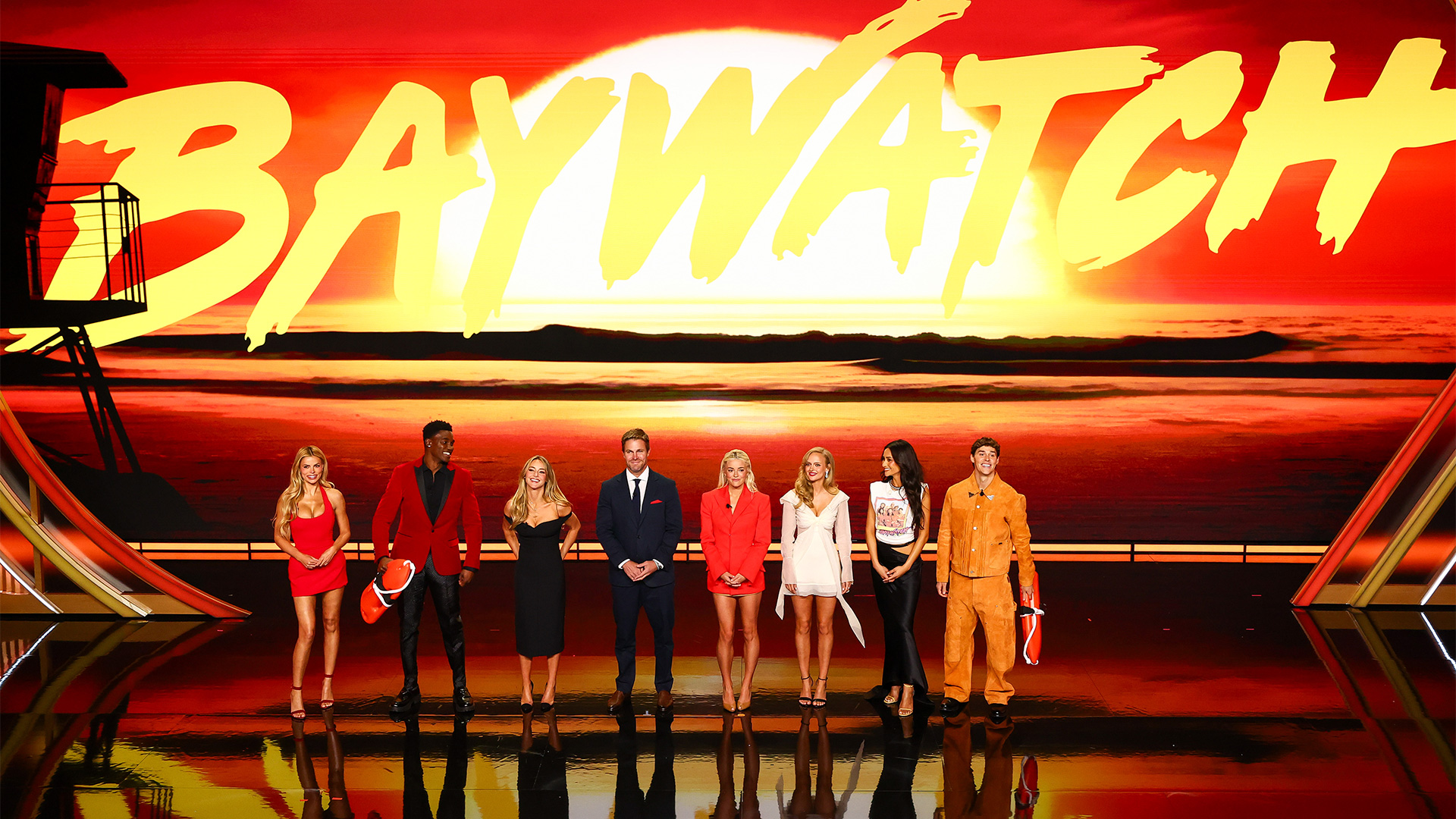
The Baywatch Show Cast Mixes Old and New Faces: A New Era for Emerald Bay
The new Baywatch television series successfully bridges the generational gap by integrating iconic legacy characters with a diverse, high-performance new cast. This "legacy sequel" approach, developed by Fox and Fremantle, ensures that...
The new Baywatch television series successfully bridges the generational gap by integrating iconic legacy characters with a diverse, high-performance new cast. This "legacy sequel" approach, developed by Fox and Fremantle, ensures that longtime fans find familiarity while younger audiences are introduced to a modernized, high-stakes version of ocean rescue drama.
Contents
The Evolution of a Global Phenomenon: From 1989 to 2026
When Baywatch first premiered in 1989, it faced an uphill battle, nearly facing cancellation after its first season on NBC. However, through the persistence of its creators and the eventual move into first-run syndication, it became the most-watched television show in the world, reaching over 1.1 billion viewers across more than 140 countries. The core of its success was its simple yet effective blend of "heroic lifeguards in red swimsuits" and sun-drenched action.
Fast forward to 2026, and the landscape of television has shifted from the episodic, campy style of the 1990s to a preference for serialized, character-driven narratives. The reboot, which received a script-to-series commitment from Fox, reflects this shift. Under the guidance of showrunner Lara Olsen—known for her work on Spinning Out and the 90210 reboot—the new Baywatch maintains the "blue water" aesthetic while introducing a level of technical and emotional depth that the original series often sidestepped.
The casting strategy for the 2026 iteration is a masterclass in modern IP revival. By mixing "old and new faces," the production addresses the primary challenge of any reboot: how to honor the past without becoming a parody of it.
Legacy Returns: Which Original Stars Are Back?
The phrase "old faces" in the context of the 2026 Baywatch reboot refers to the strategic inclusion of legacy cast members. Unlike the 2017 film adaptation, which took a more comedic, satirical approach to the source material, the new series treats the original characters with reverence.
The Mentor Roles
David Hasselhoff, the face of the original franchise as Mitch Buchannon, has been a key figure in the development of the new series. In the 2026 timeline, his involvement is more than a mere cameo. While he no longer performs the grueling physical rescues, his presence serves as a bridge to the "old guard." His role often mirrors that of a senior advisor or a retired chief, providing the institutional knowledge that anchors the younger team.
Recurring Cameos and Guest Arcs
Other original stars, such as Erika Eleniak, Nicole Eggert, and Alexandra Paul, have been integrated through guest arcs that acknowledge the history of the Los Angeles County Lifeguards (or the fictionalized Emerald Bay equivalents). These appearances are not just fan service; they are utilized to build a "Baywatch Universe" where the deeds of the past inform the training and protocols of the present.
The inclusion of these legacy stars serves several functions:
- Validation: It signals to the original fanbase that the new series is a legitimate continuation, not a replacement.
- Continuity: It allows the writers to reference specific historical events from the 1990s series as "legendary rescues" or "past tragedies."
- Cross-Generational Appeal: It creates "event television" moments that drive social media engagement across multiple age demographics.
The New Guard: Introducing the 2026 Lifeguard Squad
The "new faces" of Baywatch represent the modern face of lifeguarding—a profession that requires elite athleticism, medical expertise, and the ability to handle high-stress environmental crises. The 2026 cast was selected through a rigorous process that prioritized actors who could perform many of their own stunts, reflecting the show’s shift toward a more realistic, gritty portrayal of ocean safety.
Diversifying the Archetypes
The new cast breaks away from the stereotypical "California beach" mold of the 1990s. The squad features a more representative group of actors, including those with backgrounds in professional swimming, surfing, and endurance sports. This diversity isn't just about appearance; it's reflected in the characters' backstories, which range from former Olympic hopefuls to local surfers looking for redemption.
The Protagonists
The series centers on a core group of three or four new recruits. These characters are designed to be relatable to Gen Z and Millennial audiences, dealing with modern issues such as mental health, environmental conservation, and the pressures of being "public heroes" in the age of social media. The dynamic between the veteran leaders (the "old faces") and these new recruits provides the central conflict of the series, as traditional rescue methods clash with modern technology and perspectives.
Technical Depth: How the 2026 Series Differs from the Original
The 2026 production uses significantly different technology to bring the beach to life. While the original relied on 35mm film and practical slow-motion shots (the famous "Baywatch Run"), the current series utilizes 8K digital cinematography, advanced drone logistics, and sophisticated underwater rigs.
| Feature | Original Series (1989-2001) | Reboot Series (2026 Era) |
|---|---|---|
| Primary Network | NBC / First-Run Syndication | Fox / Streaming Partner |
| Showrunner | Michael Berk, Douglas Schwartz | Lara Olsen |
| Casting Strategy | International Physical Appeal | Performance-Based & Diverse |
| Narrative Tone | Episodic Action-Adventure | Serialized Emotional Drama |
| Primary Location | Malibu / Hawaii | Emerald Bay / Hawaii |
| Technical Focus | Slow-Motion Cinematography | Drone-Assisted Water Rescues |
| Character Depth | Heroic Archetypes | Complex, Flawed Protagonists |
The "old faces" frequently comment in interviews on how different the sets are today. The 2026 production involves a dedicated water safety team that rivals the real-life lifeguards they portray, ensuring that every rescue scene is technically accurate to current USLA (United States Lifesaving Association) standards.
The Creative Force and Production Vision
The involvement of Fremantle, the global production powerhouse that holds the rights to the Baywatch IP, ensures that the show maintains its international appeal. However, the partnership with Fox highlights a desire to return to "appointment viewing" on network television.
Lara Olsen’s vision for the show focuses on the "life and death" stakes of the ocean. In the 2026 version, the ocean itself is a character—unpredictable, dangerous, and a victim of climate change. This environmental angle allows the "new faces" to engage in storylines about beach erosion, plastic pollution, and rising tides, giving the show a sense of urgency that the original lacked.
The production also benefits from the expertise of original creators Michael Berk, Douglas Schwartz, and Greg Bonann, who serve as executive producers. Their role is to ensure the "DNA" of the show remains intact while Olsen and the new writing staff push the boundaries of the genre.
Why the "Old and New" Strategy Works
The decision to mix the cast is a calculated business move that addresses the fragmentation of modern media. By bringing back the "old faces," Fox can market the show to the millions of people who grew up with the red swimsuits in the 90s. Simultaneously, the "new faces" provide the fresh energy and social media following necessary to capture younger viewers who may only know Baywatch through memes or the 2017 movie.
This strategy also allows for "mentorship narratives," which are historically successful in reboots (e.g., Cobra Kai or Top Gun: Maverick). It creates a passing-of-the-torch dynamic that provides emotional weight to the series. When a legacy character passes their red buoy to a new recruit, it symbolizes more than just a change in cast—it represents the endurance of the brand.
Common Mistakes to Avoid in IP Revivals
The 2026 Baywatch succeeds because it avoids several common pitfalls found in other reboots:
- Over-Reliance on Nostalgia: The show does not spend every episode referencing the 90s. The legacy characters have their own active storylines that contribute to the current plot.
- Tonal Inconsistency: Unlike the movie, which couldn't decide if it was an action film or a parody, the 2026 series stays firmly in the "high-stakes drama" category.
- Neglecting the Tech: Modern audiences are savvy. The show’s commitment to realistic rescue techniques and modern medical procedures keeps it from feeling dated.
Frequently Asked Questions
Is David Hasselhoff a series regular in the 2026 reboot?
David Hasselhoff appears in a recurring capacity rather than a daily series regular role. His character, Mitch Buchannon, serves as a "Chief Emeritus" or mentor figure, appearing in pivotal episodes to guide the new squad and connect the new narrative to the legacy of the original team.
How does the 2026 series handle the "Slow-Motion Run"?
The iconic slow-motion run is used sparingly and often with a stylistic nod to the original. In the 2026 version, the cinematography focuses more on the kinetic energy of a rescue—fast-paced, high-tension, and shot with body-cams or drones—rather than the leisurely, stylized runs of the 1990s.
Are any of the original 1990s sets being reused?
While the show returns to iconic California beach locations, the sets—including the lifeguard headquarters—have been completely redesigned to look like a modern, high-tech command center. These new facilities include drone launch pads and advanced medical bays, reflecting the 2026 standards of ocean rescue.
Is the 2026 Baywatch a continuation or a total reboot?
It is a "legacy sequel," meaning it exists in the same continuity as the original 1989-2001 series. It acknowledges the events of the past while focusing on a new generation of characters, similar to how the Creed movies relate to the Rocky franchise.
Who is the showrunner for the new Baywatch?
Lara Olsen is the showrunner and executive producer. She is supported by original creators Michael Berk, Douglas Schwartz, and Gregory J. Bonann, who ensure the series maintains the core spirit of the brand while adapting to modern television standards.
Where can I watch the 2026 Baywatch series?
The series premiered on the Fox network and is available for streaming on Fox’s digital platforms and affiliated streaming partners. Due to Fremantle’s involvement, the show also has wide international distribution, appearing on various regional networks and global streaming services.
Practical Recommendation for Viewers
To fully appreciate the "old and new" dynamics of the 2026 Baywatch reboot, viewers should focus on the first three episodes, which establish the relationship between the legacy mentors and the new recruits. If you are a fan of the original, look for the "Easter eggs" in the lifeguard headquarters—such as vintage photos and awards—that confirm the show’s place in the established timeline. For the best experience, watch on a platform that supports 4K HDR, as the new "blue water" cinematography is specifically optimized for high-fidelity displays.
Image Gallery