Netflix’s Secret Mall Apartment Documentary Reveals Hidden Dangers
The documentary The Secret Mall Apartment reveals that while the four-year occupation of a hidden 750-square-foot room inside a Rhode Island mall began as a whimsical social experiment, it ultimately exposed severe structural safety ha...
The documentary The Secret Mall Apartment reveals that while the four-year occupation of a hidden 750-square-foot room inside a Rhode Island mall began as a whimsical social experiment, it ultimately exposed severe structural safety hazards, significant legal liabilities, and the alarming vulnerabilities of private security infrastructure in public-facing commercial spaces.
Contents
The Architectural Anomaly: How the Secret Apartment Began
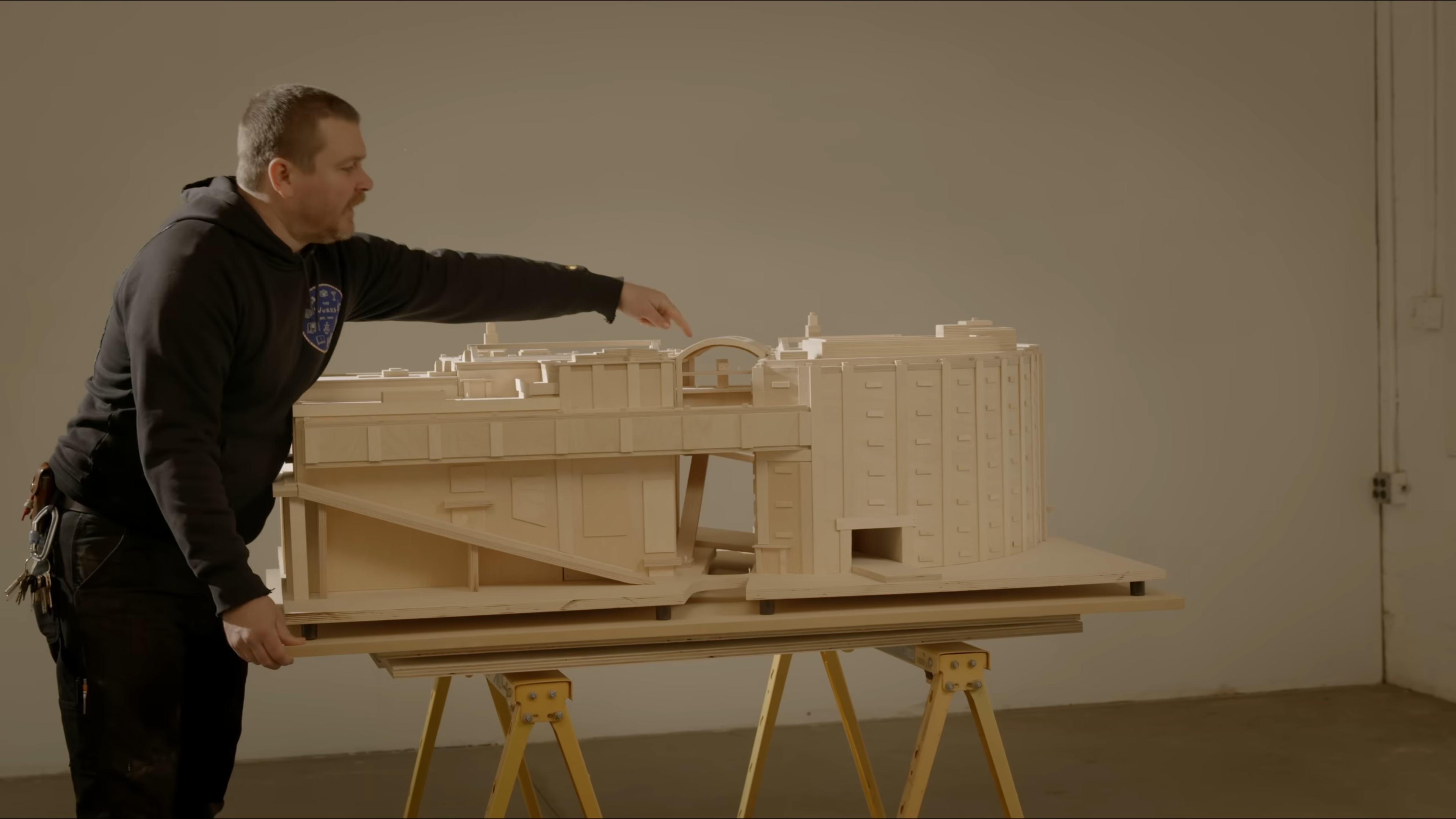
To understand the hidden dangers revealed by the Netflix documentary, one must first understand the sheer audacity of the project. In 2003, artist Michael Townsend and several collaborators discovered an "accidental" space within the Providence Place Mall in Rhode Island. This wasn't a small closet; it was a sprawling, 750-square-foot area created by the specific geometry of the mall’s parking garage and retail layout.
The documentary illustrates that the project was born from a mix of artistic rebellion and a response to the "mall-ification" of America. Townsend had previously lived in a space that was demolished to make way for the mall itself. By building a secret home within the very entity that displaced him, he aimed to reclaim private life within a temple of commerce. However, the film meticulously peels back the layers of this romanticized narrative to show that the logistical "success" of the apartment masked a series of escalating risks.
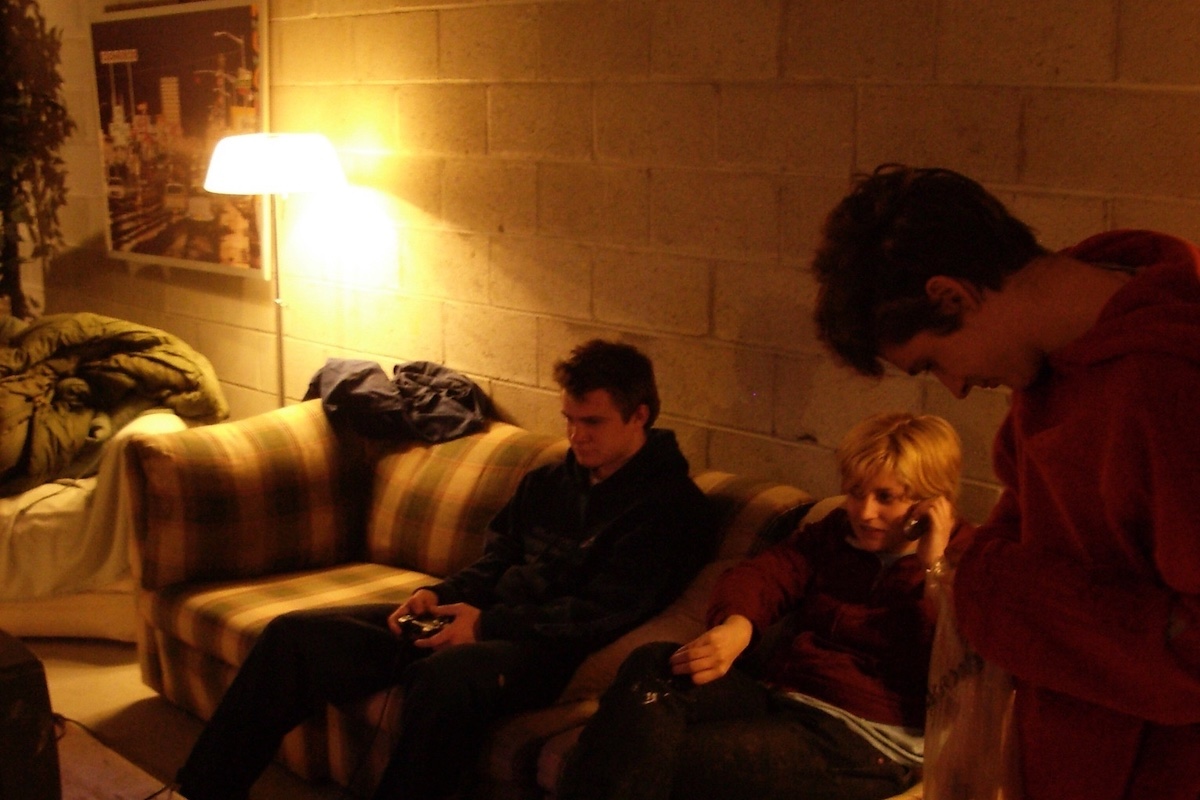
The group spent months smuggling in hundreds of pounds of cinder blocks, a sofa, a china cabinet, and even a Sony PlayStation. They constructed a wall to hide the entrance, effectively creating a "blind spot" in the mall’s blueprints. While the documentary captures the thrill of this subversion, it serves as a cautionary tale about the instability of unmonitored urban environments.
The Hidden Physical Dangers of Unregulated Living Spaces
One of the primary revelations in the documentary concerns the physical danger inherent in "dead spaces." Modern commercial buildings are governed by strict fire codes, ventilation requirements, and egress standards. By living in a space that technically "didn't exist" on the mall’s operational maps, the inhabitants bypassed every safety mechanism designed to protect human life.
Fire Hazards and Lack of Egress
The most pressing danger highlighted is the absence of fire suppression systems. Standard mall corridors are equipped with sprinklers and smoke detectors linked to a central command center. The secret apartment had none of these. If a fire had started—perhaps from the candles or small electric heaters the group used—there was no automated system to extinguish it. Furthermore, the "secret" nature of the entrance meant that if smoke filled the area, the residents would have been trapped in a windowless concrete box with no secondary exit.
Ventilation and Air Quality Issues
Commercial HVAC systems are balanced to ensure a constant flow of oxygen and the removal of carbon dioxide and pollutants. The secret apartment was located in a "stale" pocket of the building. The documentary notes the challenges the residents faced with air quality, particularly when the mall’s main systems were throttled during off-hours. In a confined concrete space, the buildup of moisture and lack of airflow can lead to rapid mold growth and respiratory issues, a hidden health danger that the group largely ignored in the pursuit of their art.
Structural Integrity and Loading
While the apartment was built on a concrete slab within the parking structure, it was never engineered to hold the weight of domestic furniture and human occupancy. The documentary discusses the risks of adding dead weight (cinder block walls and heavy furniture) to sections of a building not designed for such loads. While the mall didn't collapse, the unauthorized modification of a multi-story structure poses a "hidden danger" to both the residents and the shoppers below.
Security Vulnerabilities and the Illusion of Safety
Perhaps the most unsettling "hidden danger" revealed by the documentary is the failure of modern surveillance and security. The Providence Place Mall was, at the time, a state-of-the-art facility equipped with hundreds of cameras and a 24-hour security patrol. Yet, Michael Townsend and his guests lived there intermittently for four years.
The documentary shows how the group studied security patterns to find "dead zones"—areas where cameras didn't overlap or where guards rarely patrolled. This reveals a broader systemic danger: the "illusion of security." If a group of artists could smuggle a china cabinet past security, it implies that more malicious actors could exploit the same vulnerabilities. The film forces the viewer to confront the reality that the "secure" environments we frequent daily are often more porous than they appear.
| Feature | Standard Residential Living | The Secret Mall Apartment | Risk Level (Mall Apartment) |
|---|---|---|---|
| Fire Suppression | Monitored smoke alarms/sprinklers | None | Critical |
| Egress Points | At least two (door/window) | One (hidden/obstructed) | High |
| Legal Status | Deed or Lease agreement | Criminal Trespass | High |
| Utility Safety | Inspected electrical/plumbing | Bootlegged/Battery-powered | Moderate |
| Emergency Access | Direct street/hallway access | Unknown to emergency services | Critical |
Legal and Civil Consequences: A Permanent Price
The documentary does not shy away from the legal fallout of the project. When Townsend was eventually caught in 2007, he wasn't just asked to leave; he faced criminal charges. The film explores the "hidden danger" of a criminal record stemming from what one might consider a "harmless" art project.
Criminal Trespassing and Banishment
Townsend was charged with fourth-degree larceny and breaking and entering, though he ultimately pleaded no contest to a misdemeanor trespassing charge. He was given probation, but the more significant "danger" was his lifetime ban from the Providence Place Mall. In a world where malls serve as primary social hubs and transit intersections, being legally barred from such a massive piece of public-private infrastructure is a significant social handicap.
Liability and Insurance Risks
From a corporate perspective, the documentary reveals the nightmare scenario for mall ownership. Had an injury occurred within the secret apartment, the legal and insurance complications would have been catastrophic. The "hidden danger" here is the potential for massive civil litigation that can arise when private individuals inhabit non-residential commercial zones. The documentary serves as a case study for property managers on the importance of "knowing your square footage" and conducting thorough audits of empty spaces.
The Psychological Impact of Liminal Living
Living in a space designed for consumption rather than habitation has profound psychological effects, which the documentary explores through interviews with the original residents. The "danger" here is the erosion of the boundary between the public and private self.
The residents lived in a state of constant hyper-vigilance. Every footstep in the hallway or change in the mall’s ambient noise level triggered a "fight or flight" response. The documentary suggests that this long-term stress—living as a "ghost" in a machine of commerce—can have lasting effects on a person’s sense of security and belonging. The "hidden danger" is not just physical; it is the psychological toll of existing in a space where you are legally and socially invisible.
Furthermore, the documentary highlights the social danger of the disappearing "third space"—places that are neither home nor work. By attempting to turn a commercial space into a home, the project highlighted how few truly public, non-commercial spaces are left in modern cities. The danger revealed is a societal one: the privatization of our lives to the point where even "living" becomes a form of trespassing.
Documentary Insights: Why This Story Resonates in 2026
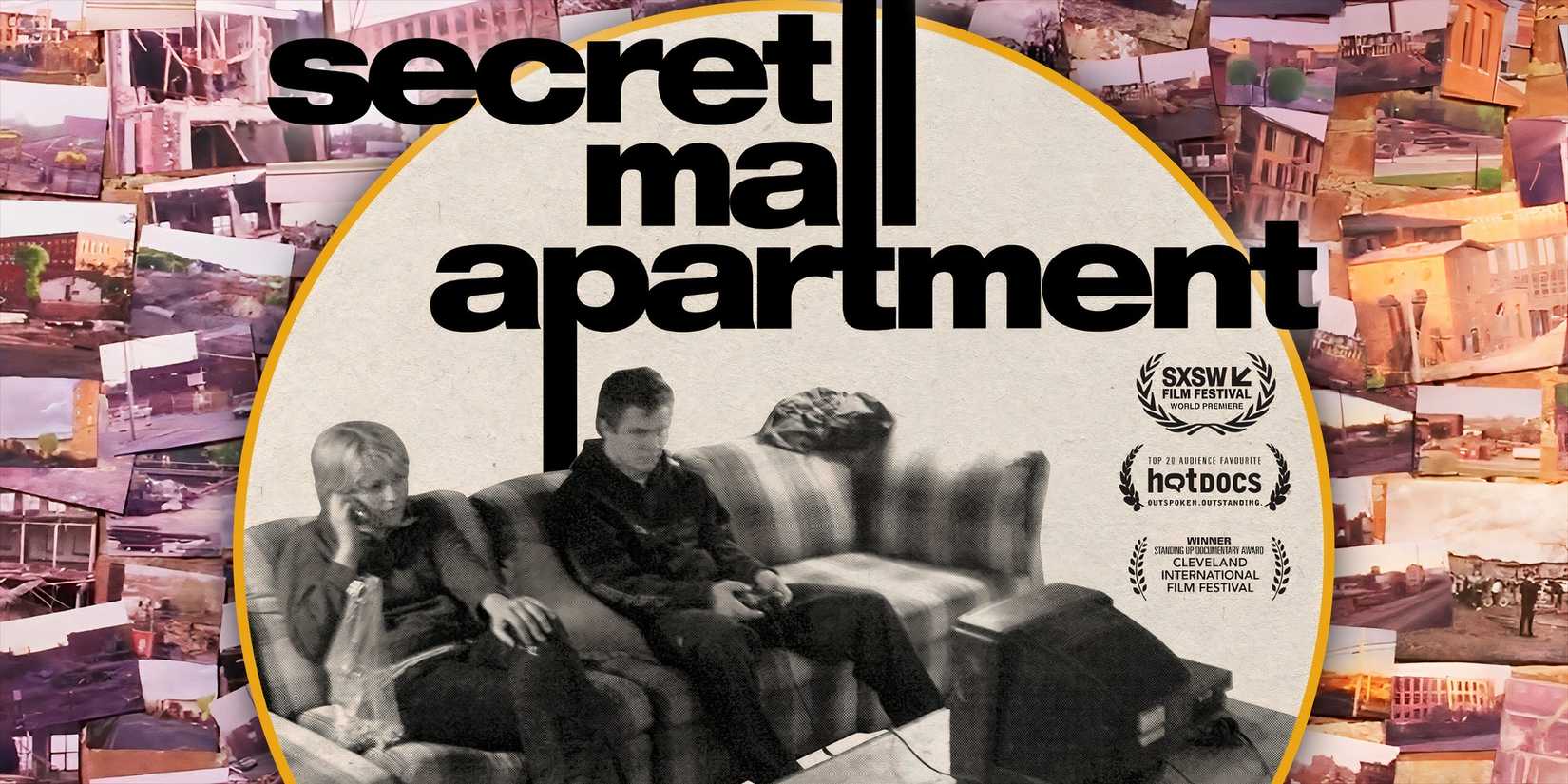
As of 2026, The Secret Mall Apartment remains a significant cultural touchstone on Netflix because it taps into the global housing crisis and the increasing surveillance state. The film, directed by Jeremy Workman, uses the 2003–2007 events to frame modern discussions about urban planning.
The documentary uses archival footage recorded by the residents themselves, providing an intimate—and often claustrophobic—view of their daily lives. By contrasting this grainy, handheld footage with high-definition drone shots of the massive mall, the film emphasizes the "David vs. Goliath" nature of the story. However, by the final act, the tone shifts from celebratory to sobering, as the "hidden dangers" mentioned throughout this article come to the forefront.
The film reveals that while the apartment was a triumph of the imagination, it was also a reckless gamble with human life and legal systems. It serves as a reminder that the spaces we build reflect our values, and when those spaces exclude human habitation in favor of pure commerce, people will find dangerous ways to bridge the gap.
FAQs About the Secret Mall Apartment Documentary
Is the secret mall apartment still there?
No, the secret apartment was dismantled by mall security and management immediately following Michael Townsend’s arrest in 2007. The space was cleared of all furniture and cinder blocks, and the entrance was permanently sealed and reinforced. Today, the area is strictly monitored as part of the mall’s utility and structural infrastructure.
Did Michael Townsend go to jail for building the apartment?
Michael Townsend did not serve significant jail time. He pleaded no contest to a misdemeanor charge of criminal trespassing. He was sentenced to six months of probation and received a lifetime ban from the Providence Place Mall. The documentary highlights that while he avoided prison, the legal stigma and the ban had a long-term impact on his life and work as an artist.
How did they get furniture into the mall without being caught?
The residents exploited the mall’s own logistics. They moved items during peak hours when the sheer volume of people and deliveries provided "social camouflage." Smaller items were carried in bags, while larger pieces like the sofa and china cabinet were broken down or moved through service corridors during shifts when security was known to be preoccupied with other areas of the facility.
Can I visit the location seen in the Netflix documentary?
While you can visit the Providence Place Mall, you cannot access the site of the secret apartment. It is located in a non-public, restricted area of the parking and structural framework. Attempting to locate or enter these "dead spaces" is considered criminal trespassing and, as the documentary reveals, carries significant safety risks.
What was the main motivation for the project?
The project began as an artistic response to the development of the Providence Place Mall, which was built on land that had previously housed artist studios and community spaces. Michael Townsend wanted to see if it was possible to live in the "heart of the beast" and create a private sanctuary within a space dedicated entirely to public consumption.
Practical Recommendation for Viewers and Urban Explorers
If you are inspired by The Secret Mall Apartment, the most practical takeaway is to appreciate the social commentary while respecting the life-safety boundaries it highlights. The documentary serves as a powerful reminder that unregulated living spaces are inherently dangerous.
For those interested in urban planning or "tactical urbanism," focus on legitimate ways to advocate for "third spaces" and affordable housing within your community. The "hidden dangers" revealed by the film—fire risks, legal banishment, and security failures—are real-world consequences that far outweigh the temporary thrill of a secret hideout. Use the film as a catalyst for discussion on how modern cities can better integrate human needs with commercial development, rather than attempting to replicate the dangerous conditions of the Providence Place experiment.
Image Gallery