What Makes Us Cruisers Truly Powerful: The Engineering and Culture of the Open Road
Cruiser motorcycles derive their unique power from a specialized combination of high-displacement, low-end torque engineering, an ergonomic design that prioritizes rider presence and control, and a massive aftermarket ecosystem that al...
Cruiser motorcycles derive their unique power from a specialized combination of high-displacement, low-end torque engineering, an ergonomic design that prioritizes rider presence and control, and a massive aftermarket ecosystem that allows for total personalization. Unlike sportbikes that rely on high-RPM horsepower, cruisers command the road through mechanical "grunt," stability, and a deeply rooted cultural identity.
Contents
The Engineering of Low-End Torque: Why Grunt Matters
When discussing what makes a cruiser powerful, the conversation begins and ends with torque. In the motorcycling world, horsepower is often a measure of top-end speed, but torque is the force that moves you from a standstill and allows for effortless passing without constant downshifting.
The Physics of the Long-Stroke Engine
Most traditional cruisers utilize V-twin engines with a "long-stroke" configuration. This means the stroke (the distance the piston travels) is longer than the bore (the width of the cylinder). In 2026, even with the advancement of liquid-cooled overhead cam engines, the fundamental physics remains: a longer stroke creates more leverage on the crankshaft.
This leverage translates into massive torque at very low revolutions per minute (RPM). While a 600cc sportbike might not "wake up" until 8,000 RPM, a 1,800cc cruiser provides nearly 100% of its pulling power as early as 2,000 RPM. This "power-on-demand" provides a sense of effortless strength that defines the cruiser experience.
Flywheel Mass and Inertia
Cruiser engines are typically built with heavy flywheels. This added mass serves two purposes: it smooths out the power pulses of large-displacement pistons and creates rotational inertia. Once a cruiser is in motion, that inertia makes the bike feel unstoppable. For the rider, this means the engine is less likely to stall at low speeds and provides a rhythmic, "thumping" cadence that is as much a sensory experience as it is a mechanical one.
Ergonomics and the Psychology of Command
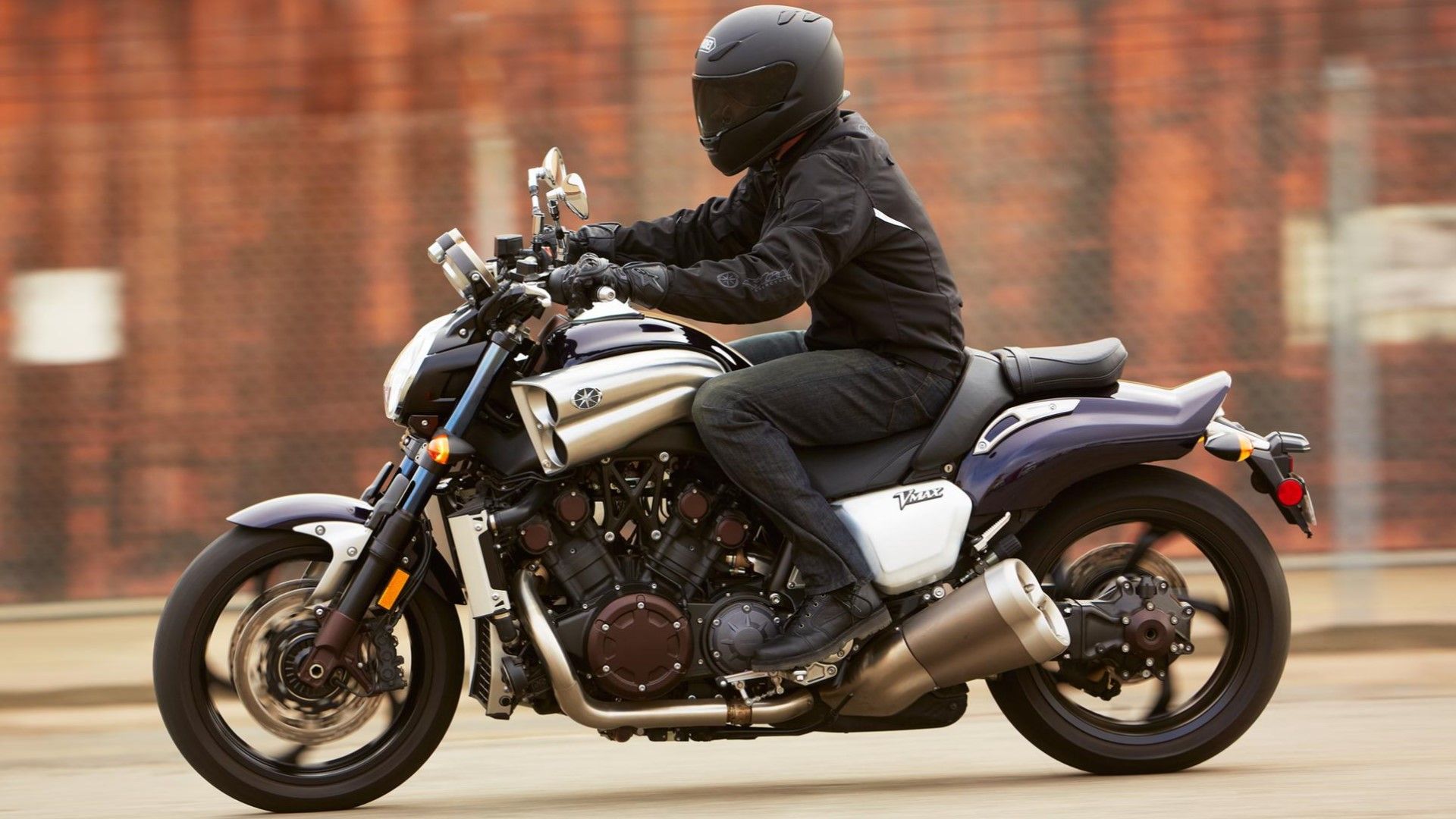
The "power" of a cruiser is not merely mechanical; it is ergonomic. The rider triangle—the relationship between the handlebars, the seat, and the footpegs—is designed to place the rider in a position of authority and comfort.
The Low Center of Gravity
Cruisers feature the lowest seat heights in the motorcycling world, often ranging between 25 and 28 inches. By placing the rider closer to the pavement and positioning the engine's weight low in the frame, the motorcycle gains immense low-speed stability. This allows the rider to manuever a 700-pound machine with surprising ease. The psychological power of being able to plant both feet firmly on the ground at a stoplight cannot be overstated; it provides a level of confidence and "command" that top-heavy adventure bikes or crouched sportbikes do not offer.
The Feet-Forward Stance
Forward controls are a hallmark of the cruiser category. By extending the legs forward, the rider shifts their weight onto the glutes and lower back rather than the wrists or inner thighs. This posture, often compared to sitting in a recliner, allows for hours of "power cruising" without the physical fatigue associated with more aggressive riding positions. In 2026, modern cruisers have refined this with adjustable floorboards and "mid-control" options that allow riders to find the exact balance between "cool" and "control."
The 2026 Technological Evolution: Heritage Meets High-Tech
As of 2026, the cruiser market has successfully integrated advanced rider assistance systems (ARAS) without sacrificing the "raw" feel that enthusiasts demand. The power of a modern cruiser is now augmented by digital precision.
- Adaptive Cruise Control (ACC): Using front-mounted radar, 2026 models from manufacturers like Indian and Harley-Davidson can maintain following distances automatically, allowing the cruiser to live up to its name on long interstate stretches.
- Cornering Optimized Electronics: High-inertia machines used to be difficult to manage in emergency leans. Modern 6-axis Inertial Measurement Units (IMUs) now adjust ABS and traction control specifically for the heavy, low-slung geometry of cruisers.
- Electric Torque Integration: The 2026 market sees an increase in "Power Cruisers" that utilize hybrid or fully electric drivetrains. These machines offer instantaneous torque that traditional internal combustion engines (ICE) cannot match, providing a silent but violent surge of power that is redefining the category.
Comparing Cruiser Power to Other Motorcycle Segments
To understand the specific power profile of a cruiser, it is helpful to compare it against the other dominant classes of motorcycles available in 2026.
| Feature | Cruiser | Sportbike | Adventure (ADV) |
|---|---|---|---|
| Primary Power Metric | Low-end Torque (ft-lbs) | High-end Horsepower (HP) | Mid-range Versatility |
| Engine Configuration | Large V-Twin / Boxer | Inline-4 / Triple | Parallel Twin / V-Twin |
| Seat Height | 25"–28" (Very Low) | 31"–33" (High) | 33"–36" (Very High) |
| Wet Weight | 550 – 900 lbs | 350 – 450 lbs | 450 – 600 lbs |
| Best For | Relaxed Touring / Style | Track Days / Speed | Off-road / Exploration |
| Maintenance Focus | Belt/Shaft Drive (Low) | Chain Drive (High) | Chain Drive (High) |
The Power of Personalization: The Customization Ecosystem
A stock cruiser is rarely the "final" version of the machine. One of the most powerful aspects of this niche is the sheer scale of the aftermarket industry. For many, a cruiser is a blank canvas.
The "Stage" Upgrades
The power of a cruiser is often "unlocked" through progressive upgrades, commonly referred to as Stages:
- Stage 1: High-flow air intake and exhaust. This allows the large-displacement engine to "breathe," often adding 5-10% more torque and the signature deep exhaust note.
- Stage 2: Camshaft upgrades. By changing the timing of the valves, riders can choose whether they want more "bolt-on" power for passing or more "stump-pulling" power for riding two-up with luggage.
- Stage 3 & 4: Big-bore kits and cylinder head work. These modifications can push a standard 114 cubic-inch engine into the 130+ range, creating a "sleeper" machine with world-class acceleration.
Aesthetic Authority
The visual "power" of a cruiser—the chrome, the paint, the leather, and the steel—serves a social function. It signals a commitment to a specific lifestyle. The ability to swap handlebars (from "ape hangers" to "drag bars") or change the rake of the front forks gives the rider the power to dictate the motorcycle's personality.
The Social Power of the Cruiser Community
The final element that makes "us cruisers" powerful is the collective. No other motorcycle segment has the same level of organized social infrastructure.
Clubs and Rallies
From the legendary Sturgis Motorcycle Rally to local owner groups (like H.O.G. or the Indian Motorcycle Riders Group), the cruiser community thrives on collective identity. This social power provides riders with a network for safety, mechanical advice, and organized charity work. For many, the "power" is not in the engine, but in the brotherhood and sisterhood of the ride.
Resale Value and Longevity
Cruisers are built to last. While a high-revving sportbike engine might show significant wear by 50,000 miles, a large-displacement, low-stressed cruiser engine can easily exceed 100,000 miles with basic maintenance. This mechanical longevity creates a powerful secondary market, ensuring that these motorcycles remain on the road as "modern classics" for decades.
Frequently Asked Questions
Are cruisers powerful enough for highway passing?
Yes. While they may not have the top speed of a sportbike, their high torque allows them to accelerate rapidly from 50 mph to 80 mph without needing to change gears. This "roll-on" power is ideal for highway environments.
Why do cruisers use belt drives instead of chains?
Most cruisers use carbon-fiber-reinforced belts because they are quiet, require no lubrication, and last significantly longer than chains. This aligns with the cruiser's goal of low-maintenance, long-distance "power" touring.
Can a beginner handle a "powerful" heavyweight cruiser?
Weight is the primary concern, not engine power. Because the power delivery is linear and predictable (not "twitchy"), a beginner can often manage a large-displacement cruiser as long as they are comfortable with the bike's physical weight during low-speed maneuvers.
Why are cruisers often louder than other bikes?
The "loudness" is often a result of aftermarket exhaust systems. From a technical standpoint, the large cylinders of a V-twin move a significant volume of air. Owners often use "less restrictive" exhausts to improve engine cooling and torque, which results in a deeper, louder sound profile.
Final Recommendation for Aspiring Cruisers
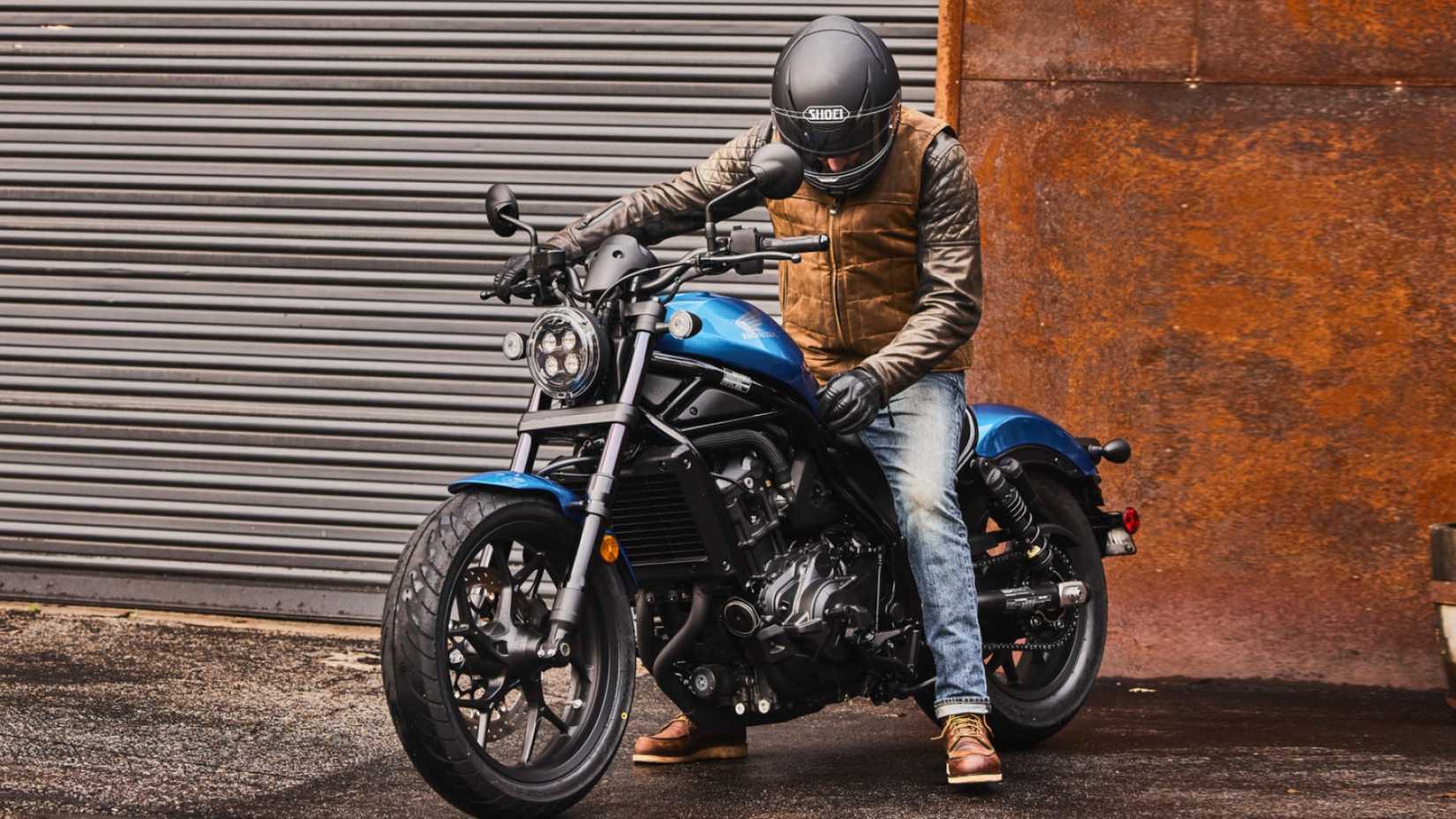
If you are looking to harness the power of the cruiser platform in 2026, start by prioritizing ergonomic fit over engine displacement. A 1,200cc bike that fits your reach and height perfectly will always feel more powerful and controllable than an 1,900cc bike that you struggle to manuever. Visit a local dealership to test the "rider triangle" and consider starting with a "mid-sized" cruiser—such as the Honda Rebel 1100 or the Indian Scout—which offers modern electronics and manageable weight without sacrificing that signature cruiser grunt.
Image Gallery