Detailed Guide to the Original Peter Pan Movie Cast
The original 1953 Disney animated feature Peter Pan remains the definitive cinematic adaptation of J.M. Barrie’s classic tale. Its cast featured a blend of child stars, seasoned character actors, and radio veterans who provided both th...
The original 1953 Disney animated feature Peter Pan remains the definitive cinematic adaptation of J.M. Barrie’s classic tale. Its cast featured a blend of child stars, seasoned character actors, and radio veterans who provided both the voices and the live-action physical references that defined the film's iconic animation.
Contents
Defining the "Original" Peter Pan Movie
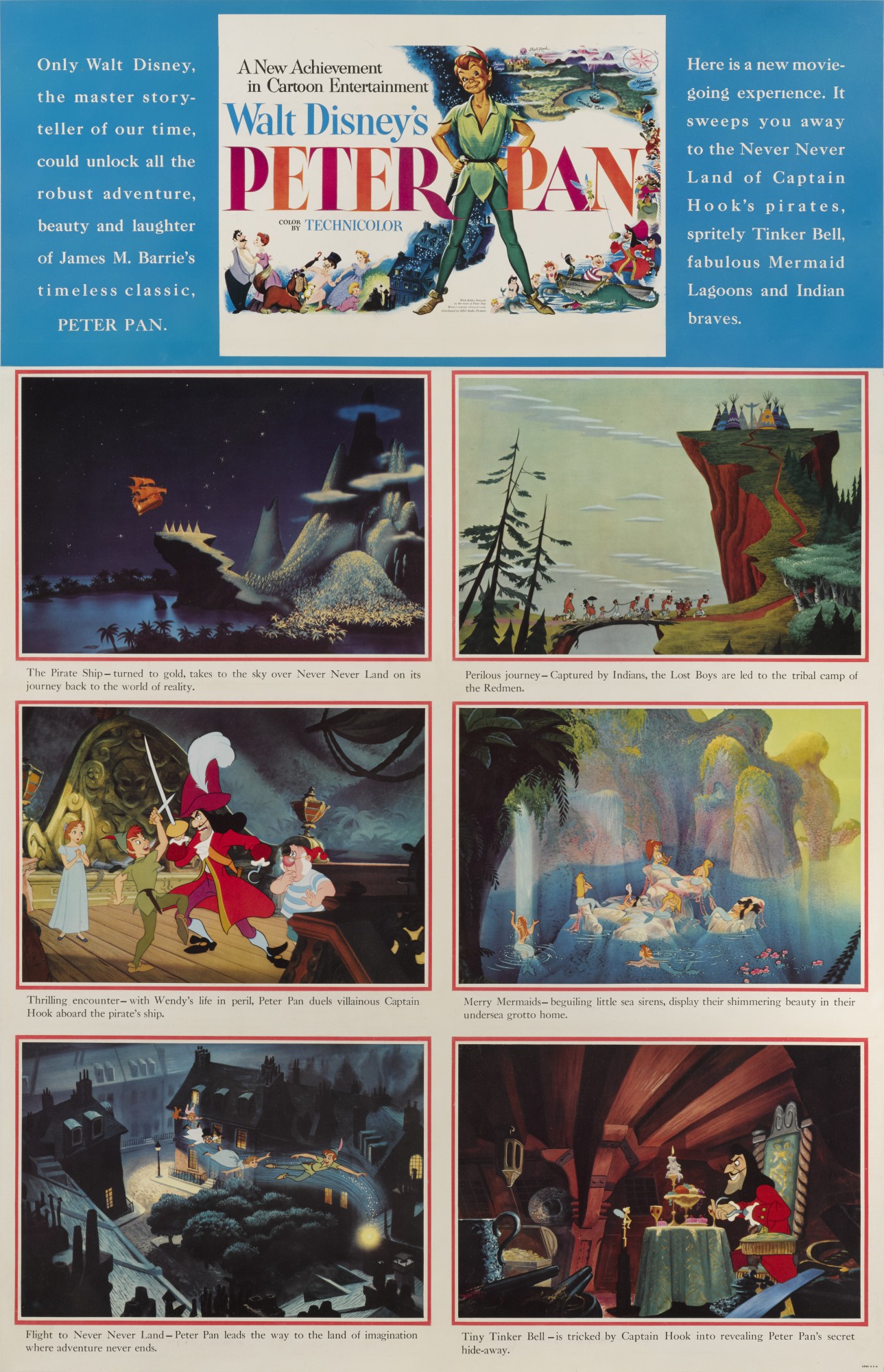
When searching for the "original" Peter Pan movie cast, it is essential to distinguish between the two primary historical versions. While a silent film was produced by Paramount in 1924 starring Betty Bronson, the term "original movie" in modern cultural discourse almost exclusively refers to the 1953 Walt Disney animated classic.
This production was a milestone for Disney, as it was the final film where all of the "Nine Old Men" (Disney’s core team of legendary animators) worked together as directing animators. The casting was equally significant, breaking the long-standing stage tradition of casting a woman as Peter Pan and instead opting for a young male actor to bring a more authentic, mischievous energy to the Boy Who Wouldn't Grow Up.
Bobby Driscoll as Peter Pan
Bobby Driscoll was the first male actor to portray Peter Pan in a major production, a role traditionally played by adult women on the stage (such as Maude Adams or Mary Martin). Driscoll was Disney’s "wonder child" of the late 1940s and early 1950s, having already starred in Song of the South (1946) and Treasure Island (1950).
The Performance and Physical Reference Driscoll did more than just provide a voice; he was the live-action reference for the animators. This meant he donned the green tunic and tights, performing scenes on a soundstage so that animators like Milt Kahl could study his movements, facial expressions, and weight distribution. Driscoll’s performance captured a specific blend of cockiness and youthful innocence that has defined the character for generations.
The Tragic Legacy Despite his success and receiving a Juvenile Academy Award in 1950, Driscoll’s career faltered as he entered adolescence. Shortly after the release of Peter Pan, his contract with Disney was terminated, largely due to a severe case of acne that made him difficult to cast in live-action roles. His life took a downward spiral involving substance abuse, and he passed away in obscurity in 1968. In 2026, his performance in Peter Pan remains his most enduring contribution to cinema history.
Kathryn Beaumont as Wendy Darling
Kathryn Beaumont was only 12 years old when she began working on Peter Pan, having recently finished her starring role as the voice of Alice in Disney’s Alice in Wonderland (1951). Beaumont was the perfect fit for Wendy, offering a voice that was both motherly and distinctly youthful.
A Multi-Faceted Role Like Driscoll, Beaumont served as the live-action model for Wendy. Her graceful movements helped animators capture Wendy’s Victorian sensibility and gentle poise. Beaumont’s relationship with Disney lasted decades; she continued to voice Wendy and Alice in various Disney projects and theme park attractions well into the early 2000s.
Later Career and Recognition After her time as a child star, Beaumont chose a different path, becoming an elementary school teacher for over 30 years. She was named a Disney Legend in 1998, a title she still holds with great respect in 2026. Her dual legacy as both a beloved voice actress and a dedicated educator makes her one of the most respected figures in the film’s history.
Hans Conried as Captain Hook and Mr. Darling
Hans Conried’s contribution to Peter Pan is perhaps the most technically impressive. Following the tradition established in J.M. Barrie’s original stage play, the actor playing the father (Mr. Darling) also portrays the antagonist (Captain Hook).
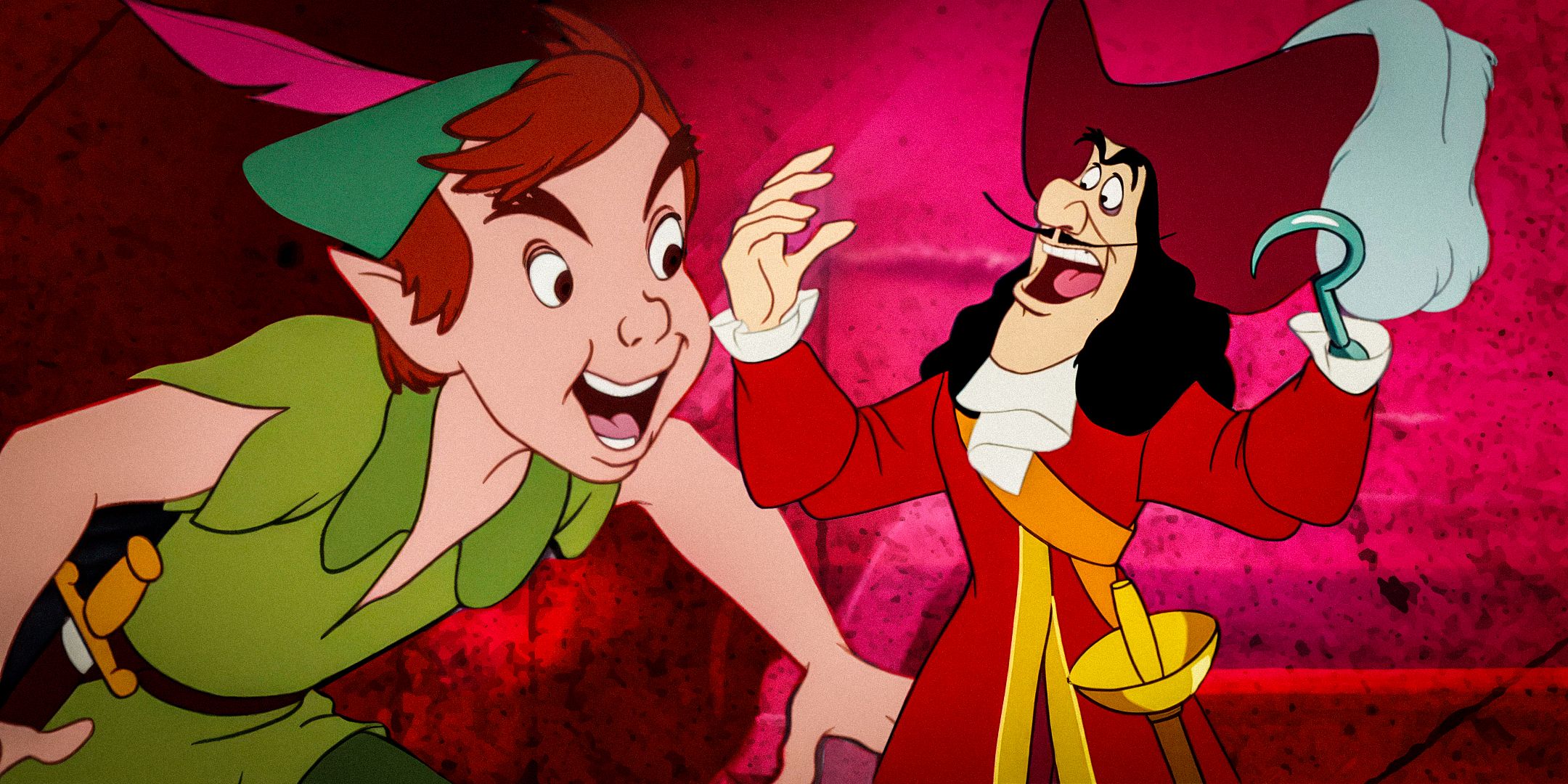
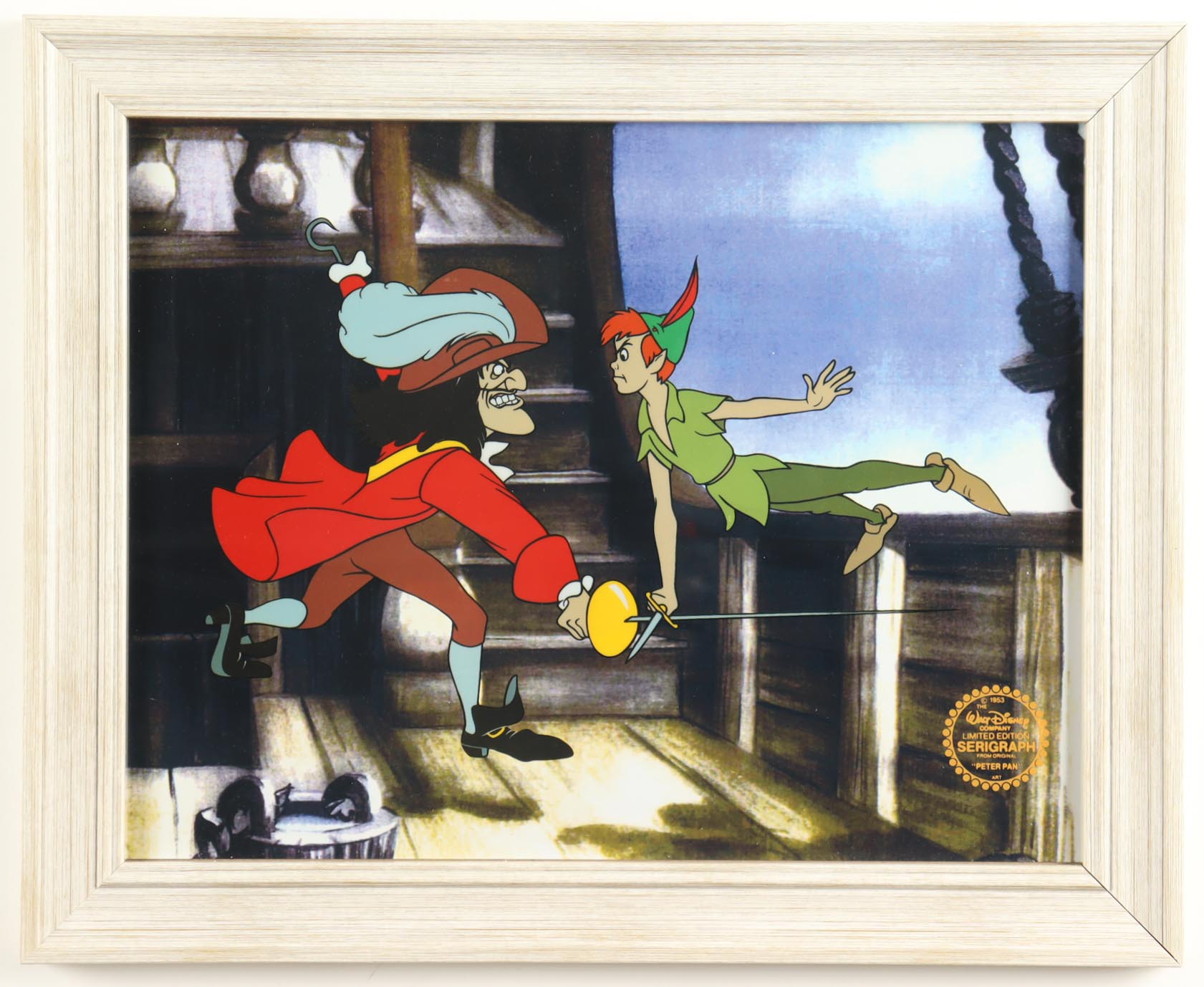
Capturing the Villainous Hook Conried was a veteran of radio and stage, known for his impeccable comedic timing and "transatlantic" accent. For Captain Hook, Conried provided a performance that balanced genuine menace with buffoonery. Frank Thomas, the animator responsible for Hook, worked closely with Conried’s live-action footage. Thomas famously noted that Conried’s exaggerated gestures and facial contortions provided more inspiration than the animators knew what to do with.
Mr. Darling’s Contrast As George Darling, Conried portrayed a blustering, somewhat stressed Edwardian father. This dual casting serves a psychological purpose in the narrative: Hook represents the "adult" world of rules and discipline that Peter Pan (and by extension, the children) is rebelling against, albeit in a stylized, villainous form.
Bill Thompson as Mr. Smee
Bill Thompson was a staple of the Disney voice cast during the 1950s. His performance as Mr. Smee, Captain Hook’s bumbling and lovable first mate, provided much of the film’s slapstick relief.
A Versatile Voice Thompson’s Smee was characterized by a high-pitched, slightly nervous warble. Beyond Peter Pan, Thompson was the voice of the White Rabbit in Alice in Wonderland, the Dodo in the same film, and Jock the Scottish Terrier in Lady and the Tramp. His ability to disappear into various characters made him one of the most valuable assets in the Disney stable.
The Supporting Darling Family and Pirates
While the leads often get the most attention, the supporting cast of Peter Pan was comprised of seasoned professionals who helped ground the fantasy in reality.
- Paul Collins as John Darling: Collins was a British-born actor who gave John his scholarly, slightly pompous tone. Collins later moved into live-action television and film, maintaining a long career in Hollywood.
- Tommy Luske as Michael Darling: Luske provided the voice for the youngest Darling child. Unlike Beaumont and Collins, Luske did not stay in the acting profession long after Peter Pan.
- Heather Angel as Mrs. Darling: Angel was a veteran British actress who brought a warmth and elegance to Mary Darling. Her voice provided the soothing presence that bookends the film’s adventures.
- Tom Conway as the Narrator: Conway’s sophisticated, calming voice opens the film, setting the "once upon a time" tone necessary for the transition from London to Neverland.
The Non-Speaking Cast: Tinker Bell and Tiger Lily
One of the most common misconceptions about the original Peter Pan cast is that Tinker Bell had a voice actress. In the 1953 film, Tinker Bell is entirely silent, communicating through pantomime and the sound of bells.
Margaret Kerry: The Model for Tinker Bell While she didn't speak, Margaret Kerry was the live-action reference model for Tinker Bell. For years, an urban legend circulated that Tinker Bell was modeled after Marilyn Monroe. However, Kerry was the actual person who spent six months on the Disney lot, performing on giant props (like a massive keyhole) to help animators capture the fairy’s sassy and jealous personality.
Tiger Lily The character of Tiger Lily is also largely silent in the 1953 version, though some vocal effects and screams were attributed to Corinne Orr in later archival records. The portrayal of Tiger Lily and the "Indians" in the film has been a subject of significant cultural scrutiny and criticism in the years leading up to 2026, marking a complex part of the film's legacy.
Summary of the 1953 Peter Pan Cast
| Character | Voice/Reference Actor | Notable Fact |
|---|---|---|
| Peter Pan | Bobby Driscoll | The first male actor to play Peter in a major film. |
| Wendy Darling | Kathryn Beaumont | Also provided the voice and model for Alice in Alice in Wonderland. |
| Captain Hook | Hans Conried | Also voiced Mr. Darling, following stage tradition. |
| Mr. Smee | Bill Thompson | Famous for voicing the White Rabbit and Droopy Dog. |
| John Darling | Paul Collins | Was only 13 years old during the recording process. |
| Michael Darling | Tommy Luske | His voice was chosen for its authentic "childhood" quality. |
| Mrs. Darling | Heather Angel | A prominent British actress of the 1930s and 40s. |
| Tinker Bell | Margaret Kerry | Model only; the character does not speak. |
The Impact of the Live-Action Reference Technique
To understand the cast's work in "detail," one must understand how they worked. In 1953, Disney did not simply record voices in a booth. The cast of Peter Pan essentially filmed the entire movie in live-action first on a bare-bones soundstage.
This technique, known as Live-Action Reference, was used to ensure that the human characters had a level of realism that matched the fantasy of the world. Actors like Hans Conried and Bobby Driscoll had to be skilled physical comedians, as their movements were traced (though not rotoscoped) by the animators to provide a foundation for the drawings. This is why Captain Hook's movements feel so theatrical and why Wendy's flight looks so graceful—it was all based on the physical labor of the cast.
Frequently Asked Questions
Did Marilyn Monroe voice or model for Tinker Bell?
No. Despite a long-standing urban legend, Marilyn Monroe had no involvement with the film. Margaret Kerry was the live-action model for Tinker Bell. Animators used Kerry's movements and expressions to create the character's personality. The "bell" sounds used for her voice were actually musical chimes created by the sound department.
Why did the same actor voice Captain Hook and Mr. Darling?
This was an intentional homage to the original 1904 play by J.M. Barrie. The tradition suggests that the villain in the children's fantasy world is a manifestation of their father's authority in the real world. Hans Conried was specifically chosen because he could play both the stern, flustered father and the flamboyant, cowardly pirate.
Is there a difference between the 1924 and 1953 cast?
Yes, they are entirely different. The 1924 film is a silent movie starring Betty Bronson as Peter Pan (a woman in the role) and Ernest Torrence as Captain Hook. There is no voice acting in the 1924 version; the story is told through intertitles and physical performance.
Who voiced the Lost Boys in the 1953 movie?
The Lost Boys were voiced by a variety of child actors, some of whom were uncredited. Notable voices included Robert Ellis, Jeffrey Silver, Johnny McGovern, and Stuffy Singer. Each boy was given a distinct personality and costume (such as the Fox, the Rabbit, and the Bear) to help audiences distinguish them.
What happened to Bobby Driscoll after Peter Pan?
Bobby Driscoll's life was unfortunately difficult after he left Disney. He struggled to find work as an adult actor, dealt with personal legal issues, and eventually moved to New York to join Andy Warhol's "The Factory" scene. He died in 1968 and was buried in an unmarked pauper's grave before his identity was later confirmed.
Final Recommendation
For those looking to experience the work of this cast in the most detailed way possible, the Walt Disney Signature Collection (or the 2026 digital equivalent) offers "The Peter Pan Story," a brief featurette produced at the time of the film's release. This footage shows Bobby Driscoll, Kathryn Beaumont, and Hans Conried performing on the live-action reference sets, providing a fascinating look at how these iconic performances were captured before they were transformed into animation.
Image Gallery