Understanding Lactose Intolerant Breastfeeding: Causes, Symptoms, and Management
Breastfeeding a baby with lactose intolerance is entirely possible and usually recommended, as true lactose intolerance in infants is exceptionally rare. Most cases are "secondary lactose intolerance" caused by temporary gut irritation...
Breastfeeding a baby with lactose intolerance is entirely possible and usually recommended, as true lactose intolerance in infants is exceptionally rare. Most cases are "secondary lactose intolerance" caused by temporary gut irritation or an "overload" of lactose due to oversupply. Management focuses on treating underlying causes or using lactase enzyme supplements rather than stopping breastfeeding.
Contents
Lactose is the primary carbohydrate found in human breast milk, providing about 40% of an infant’s caloric needs and playing a critical role in brain development and calcium absorption. For parents navigating the complexities of "lactose intolerant breastfeeding" in 2026, it is essential to distinguish between a temporary digestive hurdle and a permanent medical condition. This guide explores the biological mechanisms of lactose digestion, the critical differences between allergies and intolerances, and actionable strategies for maintaining a healthy breastfeeding relationship.
The Biological Reality of Lactose in Breast Milk
To understand lactose intolerance in the context of breastfeeding, one must first understand that lactose is synthesized within the mammary gland itself. Unlike many other nutrients, the concentration of lactose in breast milk remains remarkably stable regardless of the mother’s diet. Even if a breastfeeding mother removes all dairy, cheese, and milk from her own meals, her breast milk will still contain approximately 7% lactose.
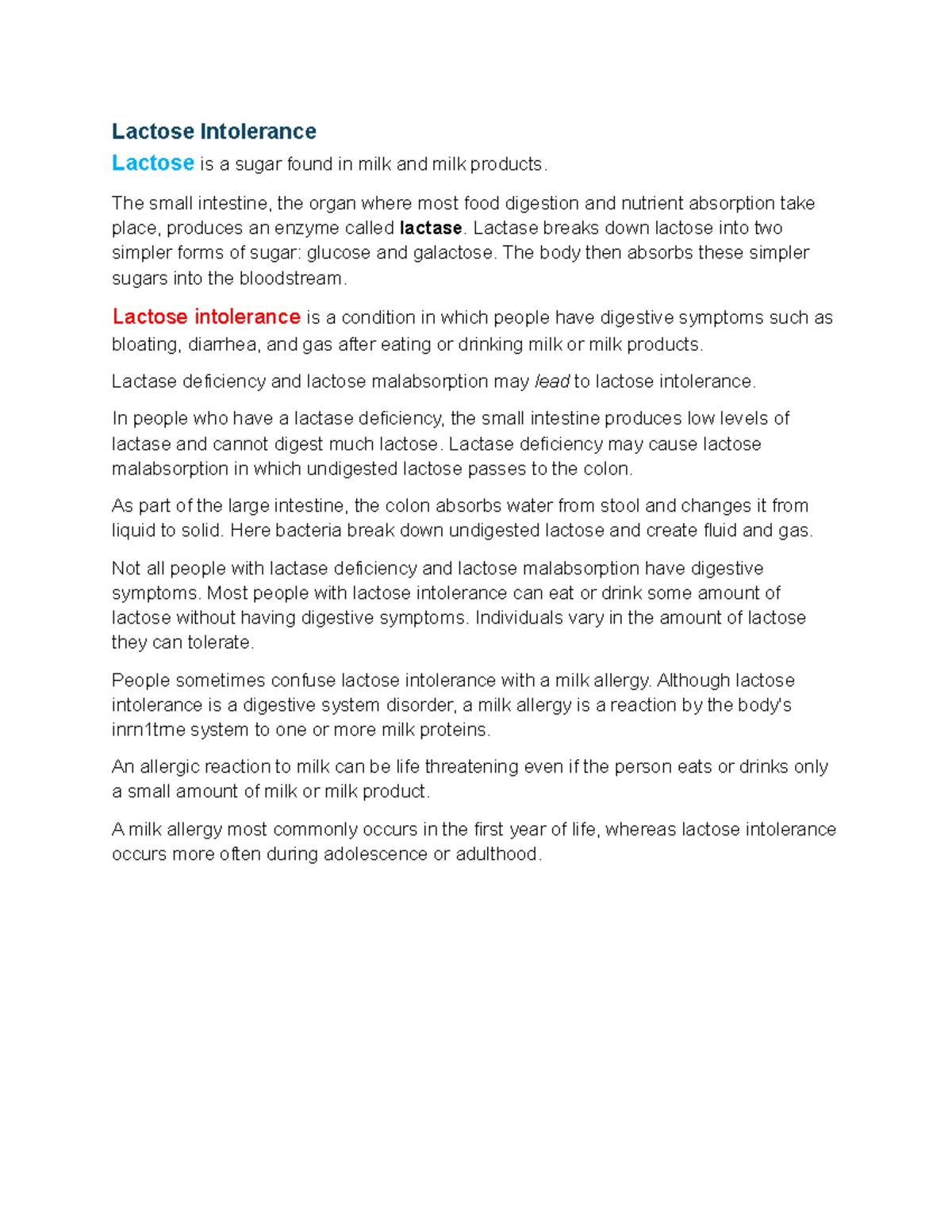
Lactose is a disaccharide, meaning it is composed of two simpler sugars: glucose and galactose. For the infant to digest this sugar, the small intestine must produce an enzyme called lactase. This enzyme sits on the "brush border" (the microscopic hair-like projections) of the intestinal lining. When lactase is present in sufficient quantities, it breaks down the lactose into glucose and galactose, which are then easily absorbed into the bloodstream.
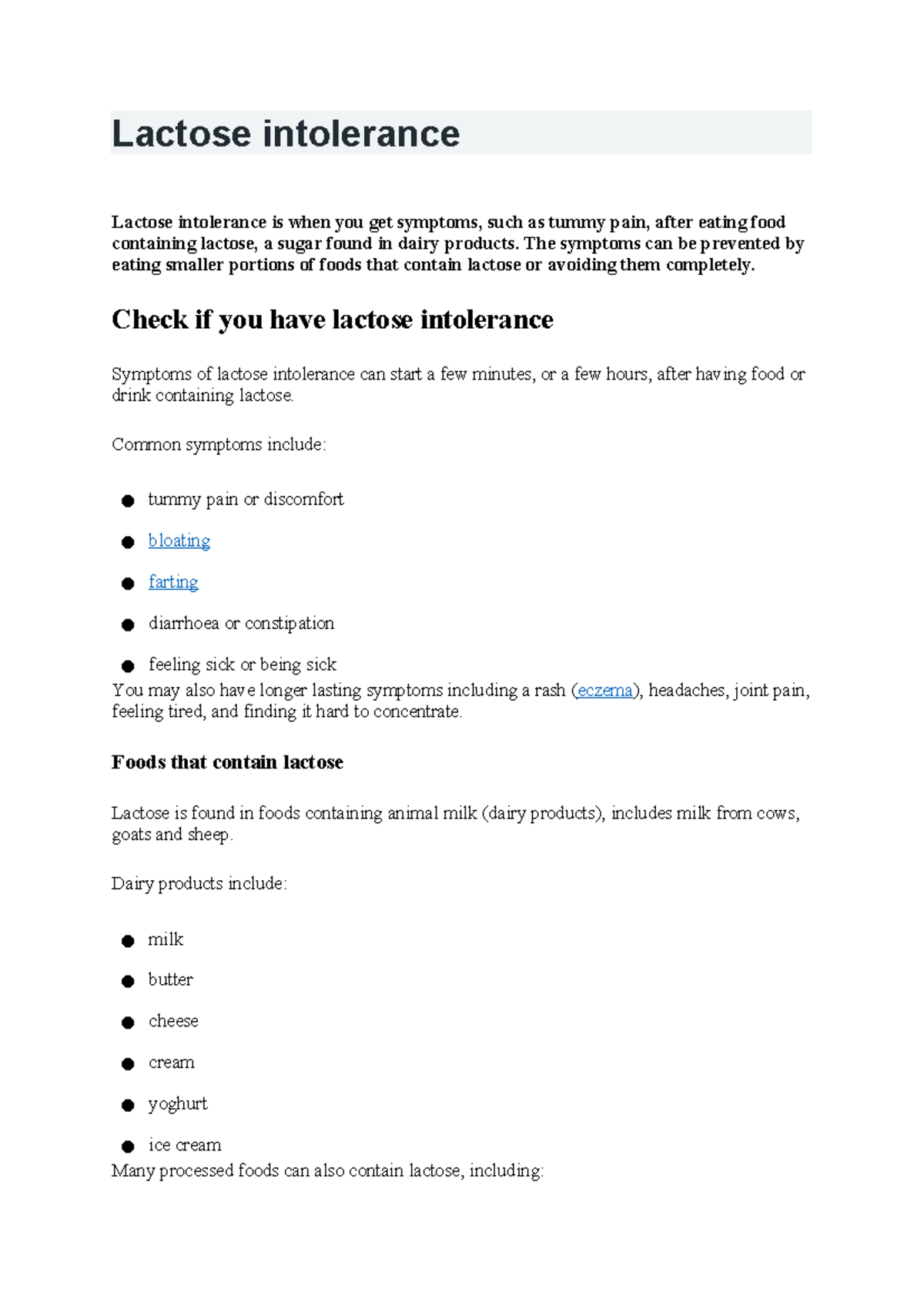
When there is a deficiency in the lactase enzyme, undigested lactose passes into the large intestine. There, bacteria ferment the sugar, leading to the production of gas (carbon dioxide and hydrogen) and lactic acid. This process results in the hallmark symptoms of intolerance: bloating, explosive flatulence, and acidic, watery stools.
Differentiating Lactose Intolerance from Cow's Milk Protein Allergy (CMPA)
The most common mistake made by parents and even some healthcare providers is confusing lactose intolerance with Cow’s Milk Protein Allergy (CMPA). While they share some gastrointestinal symptoms, they are biologically distinct.
- Lactose Intolerance: This is a chemical/digestive issue involving a sugar. It does not involve the immune system. Because breast milk naturally contains lactose, changing the mother's diet rarely solves this problem unless the intolerance is secondary to an allergy-induced gut injury.
- CMPA: This is an immune system response to the proteins (whey and casein) found in cow's milk. These proteins can pass through the mother’s bloodstream and into her milk. In this case, removing dairy from the mother’s diet does help because it removes the allergen, allowing the infant’s gut to heal.
In 2026, clinical guidelines from organizations like the American Academy of Pediatrics (AAP) emphasize that if a baby reacts to the mother's dairy intake, the culprit is almost certainly the protein (allergy), not the lactose (intolerance).
Types of Lactose Intolerance in Infants
Understanding which type of intolerance an infant is experiencing is vital for determining the correct course of action.
Congenital Lactase Deficiency
This is an extremely rare genetic disorder where the baby is born with little to no lactase enzyme. It is most frequently seen in populations in Finland. Babies with this condition cannot digest breast milk or standard formula from birth. They fail to thrive, suffer from severe dehydration, and require a specialized, lactose-free formula immediately. If your baby was able to breastfeed normally for several weeks before symptoms appeared, they do not have congenital lactase deficiency.
Developmental Lactose Intolerance
This occurs in premature babies born before 34 weeks of gestation. The production of lactase enzymes in the fetus usually ramps up during the third trimester. Preemies may have "immature" guts that struggle with lactose initially, but this typically resolves as the infant matures.
Secondary Lactose Intolerance
This is the most common form seen in breastfeeding infants. It is a temporary condition caused by damage to the gut lining where the lactase enzymes live. Common causes include:
- Gastroenteritis (Stomach Flu): A viral or bacterial infection can "scrape" the lactase enzymes off the intestinal wall.
- Undiagnosed Food Allergies: If a baby has CMPA or another food sensitivity, the chronic inflammation can damage the brush border.
- Celiac Disease: In older infants starting solids, gluten-induced damage can lead to secondary intolerance.
Lactose Overload (Functional Lactose Intolerance)
Often mistaken for true intolerance, "lactose overload" happens when a baby receives a high volume of milk very quickly—usually due to a mother's oversupply or a forceful let-down. The milk moves through the digestive system so rapidly that the available lactase enzymes are overwhelmed. The result is the same: undigested lactose reaching the large intestine and causing distress.
Identifying the Symptoms
Symptoms of lactose issues typically appear within 30 minutes to two hours after a feeding. Because many of these symptoms overlap with "normal" infant fussiness, look for the following specific clusters:
| Symptom | Lactose Intolerance/Overload | Cow's Milk Protein Allergy (CMPA) |
|---|---|---|
| Stool Appearance | Green, frothy, very watery, and "explosive." | May contain mucus or visible streaks of blood. |
| Skin Issues | Occasional diaper rash due to acidic stool. | Eczema, hives, or swelling of the lips/eyes. |
| Respiratory | None. | Wheezing, chronic congestion, or coughing. |
| Weight Gain | Usually normal (often high in "overload" cases). | May be poor if the gut is severely inflamed. |
| Timing | Immediate gastric distress and gas. | Can be immediate or delayed by several hours/days. |
Management Strategies for Breastfeeding Parents
If you suspect your baby is struggling with lactose, the goal is to manage the symptoms while preserving the breastfeeding relationship.
1. Treating the Underlying Cause
For secondary lactose intolerance, the priority is healing the gut. If the trigger was a stomach bug, the intolerance usually lasts 2–4 weeks. During this time, the World Health Organization (WHO) recommends continued breastfeeding. Breast milk contains growth factors and immune-protective properties that actually help the intestinal lining regenerate faster than formula does.
2. Using Lactase Enzyme Drops
In 2026, the use of lactase enzyme drops (such as Colief or similar brands) is a standard intervention. A few drops are expressed into a small amount of breast milk and given to the baby via a spoon or syringe before the feeding begins. These drops pre-digest the lactose in the baby’s stomach, significantly reducing gas and discomfort. This is often a more effective solution than the mother changing her diet.
3. Managing "Lactose Overload"
If the issue is caused by oversupply or a fast let-down, the following techniques can help:
- Block Feeding: Offering only one breast per feeding (or for a block of several hours) to ensure the baby reaches the higher-fat milk, which slows down digestion.
- Laid-Back Nursing: Nursing in a reclined position so the baby is working against gravity, which slows the flow of milk.
- Expressing the Let-Down: Manually expressing the first, fast-moving "burst" of milk before latching the baby.
4. When to Adjust the Mother's Diet
If the baby shows signs of CMPA (mucus/blood in stool or eczema), the mother should eliminate dairy proteins—not lactose—from her diet. This includes avoiding milk, cheese, yogurt, and hidden dairy in processed foods. It can take up to 2–3 weeks for the proteins to clear the mother's system and for the baby's gut to heal.
Common Mistakes and Misconceptions
One of the most frequent errors is switching a breastfed baby to a soy-based or lactose-free formula at the first sign of green stools. This can disrupt the infant's microbiome and often doesn't solve the problem if the underlying issue is an allergy to soy or other formula proteins.
Another misconception is that the mother should take lactase supplements herself. Because the mother's body synthesizes lactose in the breast, taking an oral enzyme will not change the lactose content of the milk she produces. The enzyme must be administered directly to the infant to be effective.
Frequently Asked Questions
Does a mother's intake of dairy affect the lactose in her breast milk?
No. The lactose in breast milk is produced by the mammary glands using glucose from the mother’s blood. It is not derived from the dairy products she eats. Removing dairy from the mother’s diet helps with protein allergies (CMPA), but it does not reduce the lactose levels in her milk.
Is lactose intolerance in babies permanent?
Except for the extremely rare congenital form, lactose intolerance in babies is almost always temporary. Secondary lactose intolerance usually resolves within a month once the gut lining heals. Developmental intolerance in preemies resolves as they reach full-term age.
Can I use lactose-free formula while continuing to breastfeed?
While some parents use "top-offs" of lactose-free formula, this can decrease your milk supply. Using lactase enzyme drops with breast milk is generally preferred as it allows the baby to continue receiving the immunological benefits of breast milk while managing the digestive symptoms.
How do I know if the green poop is "lactose overload" or just normal?
Occasional green stools can be normal. However, if the stools are consistently green, frothy, and accompanied by extreme gassiness and diaper rash, it suggests the lactose is fermenting in the colon. If the baby is also gaining weight very rapidly, "lactose overload" due to oversupply is the likely culprit.
Should I stop breastfeeding during a bout of diarrhea?
No. Current medical consensus, including guidance from the Centers for Disease Control and Prevention (CDC), states that breastfeeding should continue during diarrhea. Breast milk is hydrating and contains antibodies that help fight the infection causing the diarrhea.
Practical Recommendation
If your infant is showing signs of gastric distress, the first step is to consult a pediatrician to rule out Cow's Milk Protein Allergy. If a lactose issue is suspected, avoid the urge to immediately switch to formula. Instead, try using lactase enzyme drops before feedings for one week. If the symptoms improve, you are likely dealing with a temporary deficiency. Simultaneously, if you have a heavy milk supply, consult a lactation specialist to implement management techniques for oversupply, such as laid-back nursing. This dual approach addresses both the enzymatic deficiency and the mechanical speed of digestion, ensuring your baby remains comfortably breastfed.
Image Gallery