Why Steel Beats Iron for Most Builders: Structural Superiority in 2026
Steel dominates modern construction because it offers a significantly higher strength-to-weight ratio, superior ductility, and greater consistency than traditional iron. Unlike brittle cast iron or labor-intensive wrought iron, steel a...
Steel dominates modern construction because it offers a significantly higher strength-to-weight ratio, superior ductility, and greater consistency than traditional iron. Unlike brittle cast iron or labor-intensive wrought iron, steel alloys provide the predictable performance required for high-rise frames, long-span bridges, and seismic-resistant structures, while also being 100% recyclable.
Contents
The transition from iron to steel as the primary medium of the built environment was not an overnight occurrence, but by 2026, the preference for steel is nearly universal among commercial and residential builders. While "iron" is often used colloquially to describe heavy metal frameworks, the technical distinctions between elemental iron, cast iron, wrought iron, and modern structural steel are profound. For a builder, choosing the wrong material can lead to catastrophic structural failure, excessive costs, or an inability to meet modern building codes.
Understanding the Material Evolution: From Iron to Steel
To understand why steel is the superior choice, one must first understand what differentiates it from its predecessor. Iron is a chemical element ($Fe$), but in construction context, it refers to two specific historical products: cast iron and wrought iron.
The Chemical Distinction
The primary difference between iron and steel lies in the carbon content. Cast iron typically contains more than 2% carbon, which makes it hard but extremely brittle. Wrought iron contains very little carbon (less than 0.08%) but includes fibrous "slag" inclusions that give it a grain-like quality.
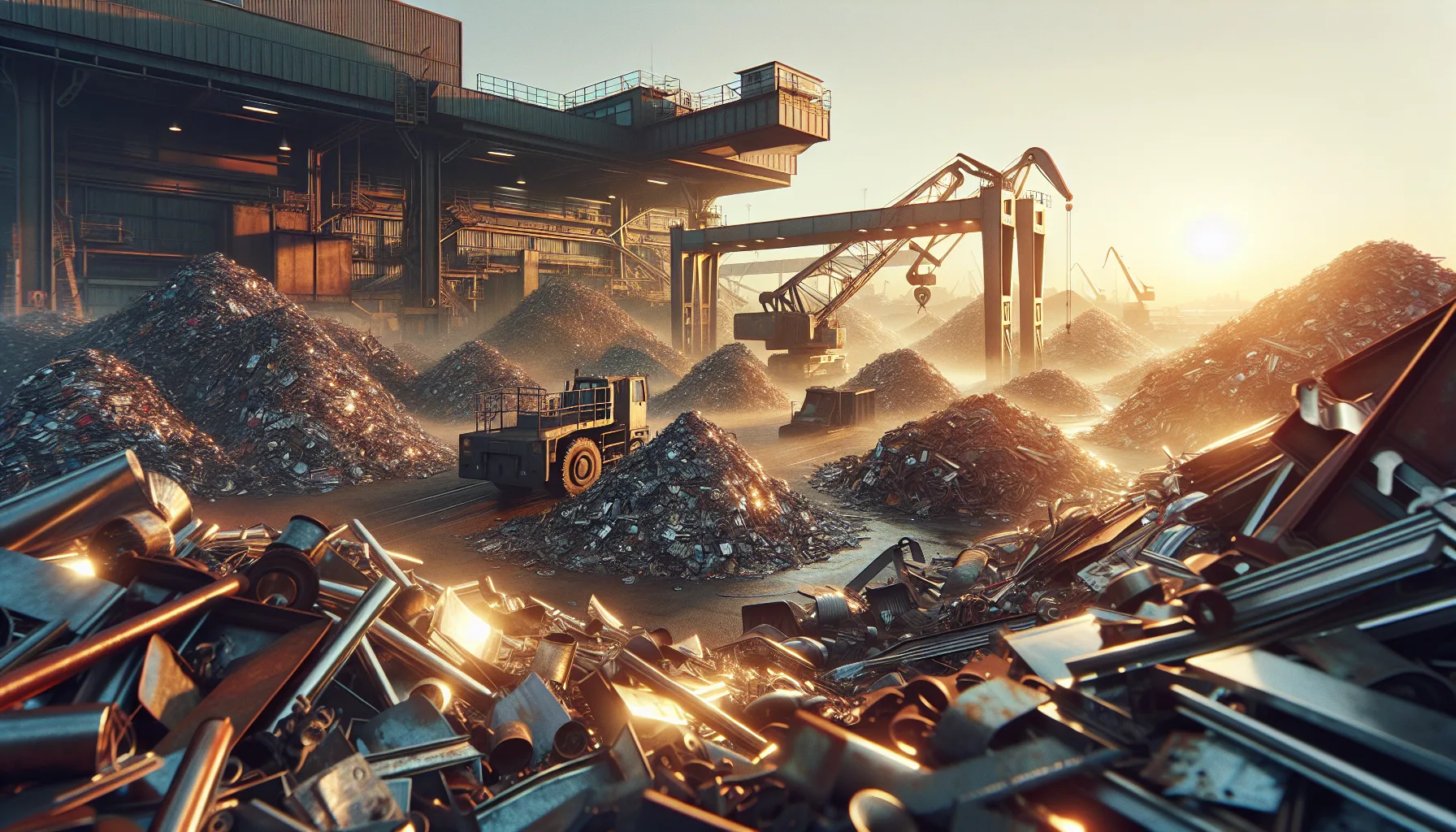
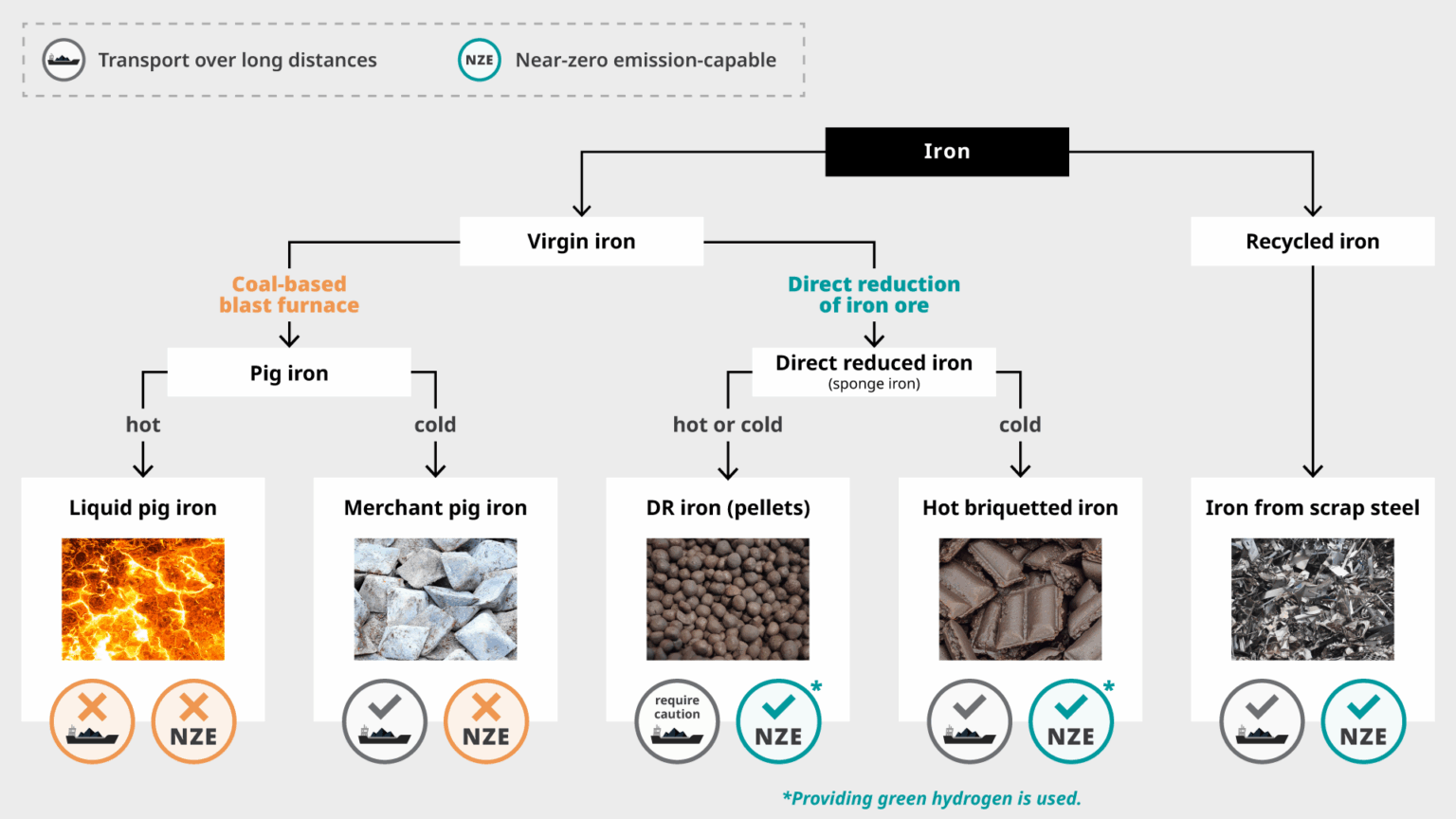
Steel is an alloy of iron and carbon, typically containing between 0.05% and 2% carbon. By precisely controlling this carbon level and adding other elements like manganese, chromium, or nickel, manufacturers create a material that captures the best of both worlds: the hardness of cast iron and the malleability of wrought iron. In 2026, the use of Electric Arc Furnaces (EAF) has allowed for even more precise control over these alloys, often utilizing high percentages of recycled scrap to produce high-strength structural steel with a lower carbon footprint.
Structural Performance: Strength, Ductility, and Resilience
The most compelling reason builders choose steel is its mechanical performance under various loads. In engineering, we categorize these loads into compression (pushing together) and tension (pulling apart).
Tensile vs. Compressive Strength
Cast iron is remarkably strong in compression, which is why it was used for the massive columns in 19th-century architecture. However, it is notoriously weak in tension. If a cast iron beam is subjected to a heavy load that causes it to bend, the bottom of the beam—which is under tension—is likely to snap without warning.
Steel, specifically ASTM A992 or A36 structural steel, possesses high strength in both compression and tension. This uniformity allows builders to use the same material for columns, beams, and trusses, simplifying the supply chain and the engineering math. The American Institute of Steel Construction (AISC) provides the standards that ensure these properties are consistent across every "I-beam" or "H-column" delivered to a site.
Ductility and Seismic Safety
Ductility is the ability of a material to deform plastically (bend or stretch) before breaking. This is perhaps the single greatest advantage steel has over iron in 2026. In the event of an earthquake or an unexpected overload, a steel frame will bend and absorb energy, providing occupants time to evacuate.
Cast iron, being brittle, fails suddenly and catastrophically. There is no "warning" bend; it simply shatters. Modern building codes, such as the International Building Code (IBC), effectively mandate ductile materials for primary structural frames in high-seismic zones, which virtually eliminates iron from consideration in modern skyscrapers.
Economic and Logistical Advantages for Modern Contractors
While the raw material cost of steel can fluctuate based on global trade and energy prices, its "installed cost" is almost always lower than iron for large projects.
Speed of Construction
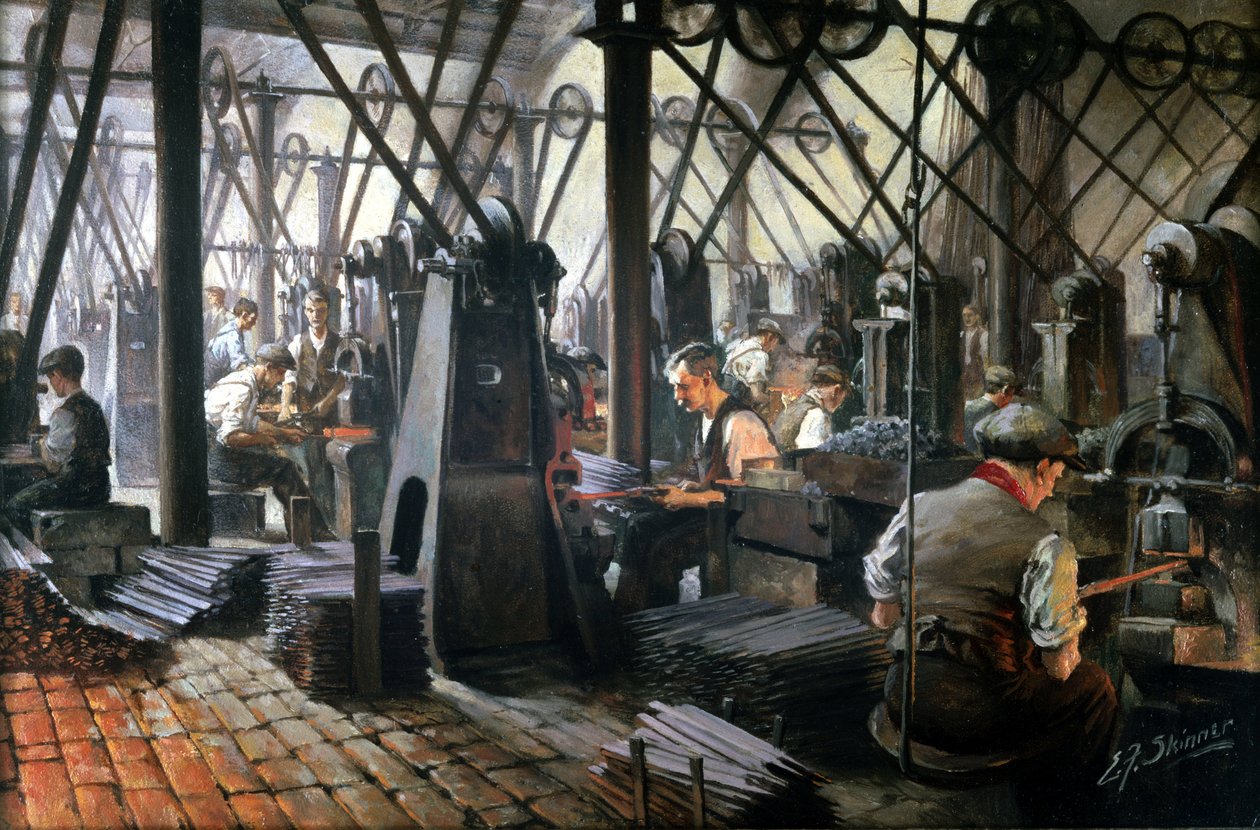
Modern steel construction relies heavily on prefabrication. Steel components are cut, drilled, and welded in controlled factory environments using CNC (Computer Numerical Control) machinery. These parts are then shipped to the construction site and bolted together. This "Meccano-set" approach is significantly faster than the labor-intensive processes required to work with iron or the long curing times required for reinforced concrete.
Foundation and Shipping Costs
Steel has a much higher strength-to-weight ratio than iron or concrete. This means a steel building weighs significantly less than a comparable building made of older materials. A lighter building requires a less massive (and less expensive) foundation. Furthermore, shipping lighter materials reduces transportation costs and the overall carbon emissions associated with the logistics phase of the project.
Sustainability and Life Cycle in 2026
In 2026, the environmental impact of construction materials is a primary consideration for builders aiming for LEED or BREEAM certifications. Steel is the most recycled material on the planet.
According to the World Steel Association, steel can be recycled infinitely without losing its structural properties. Most structural steel produced today contains at least 90% recycled content. Iron, while also recyclable, often requires more intensive refining to remove impurities (like excess phosphorus or sulfur) before it can be repurposed into modern high-grade alloys.
Furthermore, the longevity of steel, when protected by modern coatings such as high-performance epoxies or hot-dip galvanization, ensures that structures built today will remain viable for over a century.
Comparative Analysis: Steel vs. Iron Properties
The following table summarizes the key physical and operational differences that influence a builder's decision.
| Property | Cast Iron | Wrought Iron | Structural Steel (2026 Standard) |
|---|---|---|---|
| Carbon Content | 2.1% – 4% | < 0.08% | 0.05% – 2.0% |
| Tensile Strength | Low (Brittle failure) | Moderate | Very High |
| Compressive Strength | Very High | Moderate | High |
| Ductility | Extremely Low | High | Very High |
| Weldability | Poor (Requires specialized heat) | Fair | Excellent |
| Corrosion Resistance | Moderate (Forms protective patina) | High | Variable (Requires coating/alloying) |
| Primary Use in 2026 | Pipes, Manhole covers, Ornamental | Historic restoration only | Frames, Bridges, Infrastructure |
When is Iron Still Used?
Despite the overwhelming advantages of steel, iron has not disappeared entirely from the construction industry. Its use, however, has become highly specialized.
- Aesthetics and Restoration: For historical preservation projects, wrought iron is still utilized to maintain the architectural integrity of 18th and 19th-century fences, gates, and balconies.
- Compression-Only Applications: Cast iron remains a staple for heavy-duty pipes (ductile iron pipe), manhole covers, and certain heavy machinery bases where high mass and vibration dampening are more important than tensile strength.
- Ductile Iron: A modern evolution of cast iron, known as ductile or nodular iron, incorporates magnesium to change the graphite structure, making it less brittle than traditional cast iron. It is frequently used in water and sewer infrastructure.
Common Mistakes When Choosing Structural Metals
Builders transitioning from light residential work to heavy commercial projects often make several critical errors regarding metal selection:
- Assuming All Steel is Equal: Using a general-purpose mild steel where a high-strength, low-alloy (HSLA) steel is specified can lead to structural deflection.
- Neglecting Galvanic Corrosion: In 2026, with the rise of mixed-material "hybrid" buildings, builders often mistakenly join steel and aluminum or different grades of iron without proper insulation, leading to rapid corrosion.
- Underestimating Lead Times: Because steel is often custom-fabricated, builders who fail to finalize shop drawings early in the project lifecycle face significant delays that do not occur with "off-the-shelf" materials.
Frequently Asked Questions
Is steel more expensive than iron in 2026?
On a per-pound basis, specialized steel alloys can be more expensive than basic cast iron. However, because steel is much stronger, you need significantly less of it to support the same load. This reduction in material volume, combined with lower shipping and foundation costs, typically makes steel the more economical choice for the total project.
Does steel rust faster than iron?
Wrought iron is generally more resistant to atmospheric corrosion than carbon steel because of its slag inclusions. However, modern steel is rarely used "raw." Through processes like galvanization (zinc coating) or the use of weathering steel (Corten), steel's longevity in 2026 exceeds that of historical iron applications.
Can you weld iron to steel?
It is possible to weld certain types of iron to steel, but it is technically challenging. Cast iron’s high carbon content makes it prone to cracking when cooled after welding. Most modern builders prefer mechanical fastening (bolting) or specialized brazing techniques if they must join these two materials.
Why was the Eiffel Tower built of iron instead of steel?
At the time of its construction (1887–1889), steel production was still relatively expensive and the Bessemer process was not yet producing the consistent high-quality structural sections we have today. "Puddled" iron was the most reliable high-strength material available to Gustave Eiffel at that specific moment in history.
Is steel better for fire resistance?
Neither iron nor steel is inherently fireproof; both lose structural integrity at high temperatures (around 1,000°F or 540°C). However, steel's predictable failure rate allows engineers to apply precise amounts of intumescent paint or spray-on fireproofing to meet safety ratings, which is harder to calculate for the non-uniform grain of iron.
Practical Recommendation for Builders
For any project requiring a structural span of more than 10 feet or any building exceeding two stories, structural steel is the mandatory choice. Builders should consult with a structural engineer to specify the exact grade—typically ASTM A992 for wide-flange beams—to ensure compliance with 2026 safety standards. If the project involves coastal environments, prioritize hot-dip galvanized steel or 316-grade stainless steel to mitigate the higher risk of salt-water corrosion.
Image Gallery