The Cultural Impact of Beyoncé’s Pregnancy Images in the Media
Beyoncé’s pregnancy images represent a transformative shift in celebrity media, moving from tabloid-led "bump watches" to artist-controlled visual narratives. By leveraging platforms like Instagram and global stages like the MTV VMAs,...
Beyoncé’s pregnancy images represent a transformative shift in celebrity media, moving from tabloid-led "bump watches" to artist-controlled visual narratives. By leveraging platforms like Instagram and global stages like the MTV VMAs, Beyoncé utilized pregnancy portraiture to shatter social media records, reclaim her personal agency, and redefine the iconography of Black motherhood in the digital age.
Contents
The Evolution of the Celebrity Pregnancy Reveal
For decades, the media’s relationship with celebrity pregnancies was predatory. Tabloids frequently paid high prices for "paparazzi" shots of pregnant stars, often caught in unflattering or private moments. However, Beyoncé’s approach to pregnancy imagery fundamentally altered this power dynamic. Looking back from 2026, her strategy is now studied as the gold standard for celebrity brand management and digital PR.
In 2011, the reveal was performance-based. By 2017, it had become high-art digital portraiture. This evolution reflects a broader trend in how public figures use social media to bypass traditional gatekeepers (magazines and gossip sites) to speak directly to their audience. The "Beyoncé pregnant images" are not just photographs; they are calculated media events that dictated the news cycle for weeks.
The 2011 VMA Reveal: Breaking the Internet
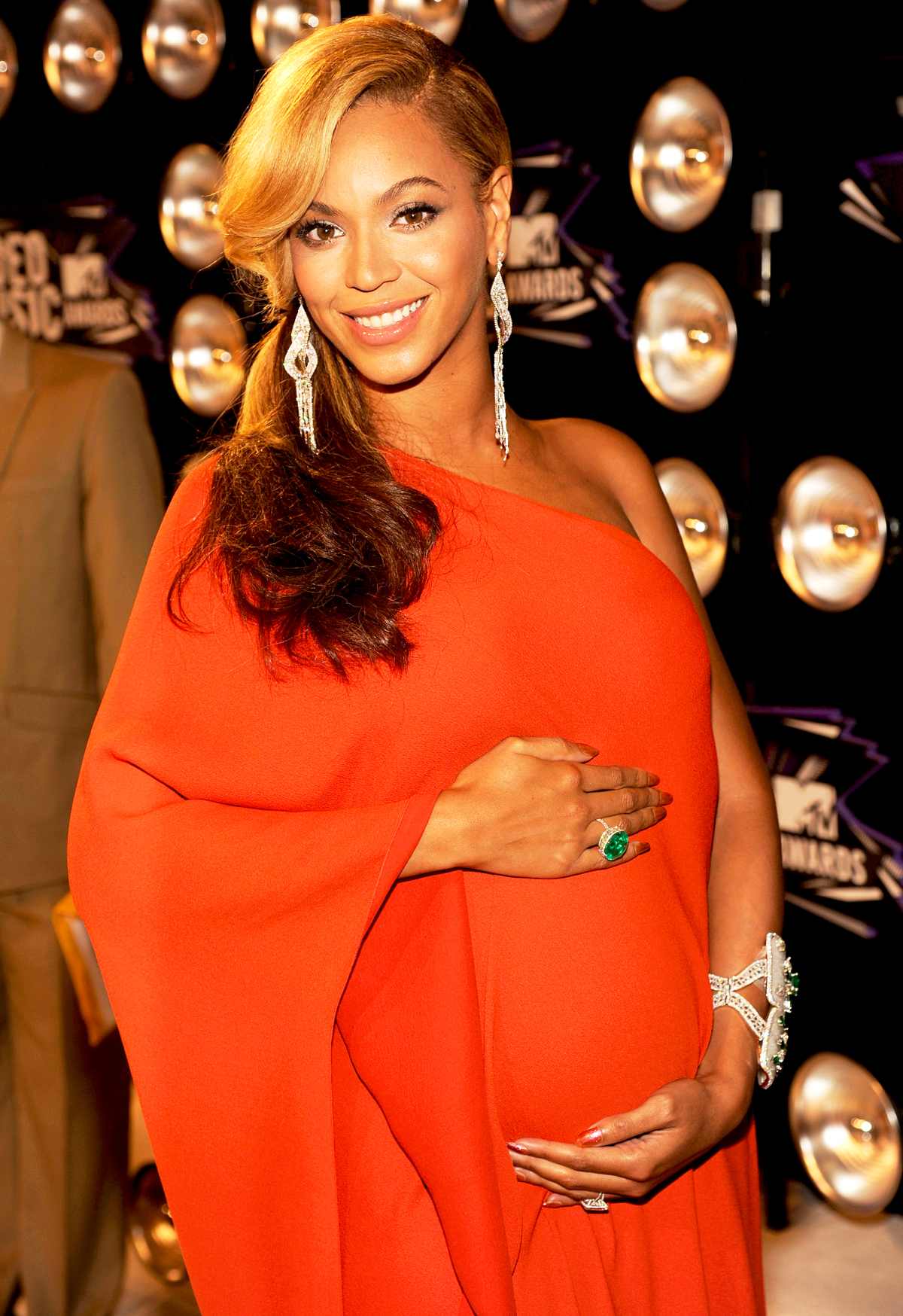
On August 28, 2011, at the MTV Video Music Awards, Beyoncé orchestrated one of the most memorable reveals in television history. Eschewing a traditional press release, she used a two-step visual approach that maximized media coverage.
Step 1: The Red Carpet Silhouette
Beyoncé arrived on the red carpet wearing a floor-length, bright orange Lanvin gown. While the dress was loose-fitting, she intentionally cradled her stomach for the cameras, providing the media with the "money shot" they needed before the show even began. This gesture acted as a soft launch for the news, ensuring that search interest peaked before her performance.
Step 2: The Performance Reveal
During her performance of "Love on Top," Beyoncé told the audience, "I want you to feel the love that's growing inside of me." At the conclusion of the song, she unbuttoned her sequined Dolce & Gabbana blazer and rubbed her belly.
The media impact was instantaneous. Twitter (now X) reported a record-breaking 8,868 tweets per second at the moment of the reveal, a milestone that stood for years. This event proved that a singular, controlled image on a live broadcast could generate more engagement than months of tabloid speculation.
The 2017 Twin Announcement: A Masterclass in Iconography
If 2011 was about the "reveal," the 2017 pregnancy images were about "myth-making." On February 1, 2017, Beyoncé announced she was expecting twins, Rumi and Sir Carter, via an Instagram post that remains a case study in digital art direction.
The Floral Backdrop and Religious Symbolism
Photographed by Awol Erizku, the image featured Beyoncé kneeling in front of a massive floral wreath, wearing a green veil and mismatched lingerie. The composition drew heavily from Renaissance art and religious iconography, specifically the "Black Madonna."
By using these historical and religious motifs, Beyoncé elevated her pregnancy from a personal medical fact to a cultural statement. The media analyzed every detail:
- The Veil: Symbolizing mystery and the sacred nature of life.
- The Flowers: Representing fertility and the "Earth Mother" archetype.
- The Color Palette: Soft greens and blues that suggested a connection to nature.
Shattering Digital Records
The 2017 announcement became the most-liked Instagram post of all time within eight hours, garnering over 6.3 million likes in that short window. This success demonstrated that high-production-value imagery could outperform candid photos in the attention economy. The media no longer had to hunt for a photo; Beyoncé provided a "perfect" image that served the needs of both high-end fashion editorials and social media feeds.
Comparative Impact of Beyoncé’s Pregnancy Announcements
| Feature | 2011 Announcement (Blue Ivy) | 2017 Announcement (Rumi & Sir) |
|---|---|---|
| Primary Medium | Live Television (MTV VMAs) | Social Media (Instagram) |
| Primary Visual | Red Sequin Blazer / Performance | Floral Wreath / Art Photography |
| Media Narrative | Spontaneity and Celebration | Artistry and Legacy |
| Technical Record | Twitter: 8,868 Tweets Per Second | Instagram: Most Liked Photo (at the time) |
| Photographer | Press Pool / Broadcast Crew | Awol Erizku |
| Style Influence | Classic Glamour | Surrealism / Renaissance Pop |
The "I Have Three Hearts" Editorial
Following the initial 2017 Instagram post, Beyoncé released a full digital lookbook on her website titled "I Have Three Hearts." This collection of images further saturated the media landscape. It included underwater photography, shots with her daughter Blue Ivy, and nude portraiture that echoed the work of painters like Botticelli.
The technical execution of the underwater shots was particularly praised by media critics. These images required specialized equipment and a high level of physical control, showcasing a version of pregnancy that was both ethereal and powerful. By releasing these images on her own platform, she forced media outlets to link directly to her website, driving massive traffic and controlling the metadata associated with the search term "Beyoncé pregnant images."
Reclaiming the Narrative from Paparazzi
The primary "problem" Beyoncé solved with her pregnancy images was the invasion of privacy. Historically, pregnant celebrities were hounded by photographers looking for "unprepared" shots. By flooding the media with high-quality, professional, and visually stunning images, Beyoncé effectively lowered the market value of paparazzi photos.
When the artist provides a superior product for free (via social media), the demand for grainy, unauthorized photos drops. This strategy has since been adopted by almost every major A-list celebrity, from Rihanna to Cardi B. The "Beyoncé model" proved that total transparency—on one’s own terms—is the best defense against tabloid intrusion.
Cultural and Societal Significance
Beyond the PR strategy, these images held deep cultural significance. In a media landscape where Black motherhood was often underrepresented or stereotyped, Beyoncé’s pregnancy portraits presented a vision of Black maternity that was opulent, divine, and celebrated.
Media scholars have noted that her 2017 imagery specifically challenged the "strong Black woman" trope by allowing for a narrative of vulnerability, softness, and ethereal beauty. By placing herself within the context of classical art, she asserted that Black bodies belong in the canon of high art—a message that resonated far beyond the world of entertainment news.
The Media’s Reaction and Long-term Legacy
The media’s reaction to these images in the years leading up to 2026 has been one of consistent deconstruction. Fashion magazines like Vogue and Harper’s Bazaar have dedicated features to the "Beyoncé effect" on maternity fashion. Before 2011, maternity style was often about concealment; after Beyoncé, it became about celebration and "body-con" silhouettes.
Furthermore, the "visual album" era of her career (starting with BEYONCÉ in 2013 and continuing through Lemonade and Renaissance) was heavily influenced by the success of her pregnancy reveals. She learned that a single, powerful image could communicate more than a thousand-word interview.
Frequently Asked Questions
Who photographed Beyoncé’s famous 2017 pregnancy announcement?
The 2017 announcement images were captured by Awol Erizku, an Ethiopian-American contemporary artist. Erizku is known for his work that intersects urban culture with art history, which is evident in the floral, Botticelli-inspired composition of the photos.
What was the media impact of Beyoncé’s 2011 VMA reveal?
The reveal set a then-world record for the most tweets per second for a single event. It shifted the focus of the VMAs from the awards themselves to the personal lives of the performers, proving that live television still had the power to create massive, instantaneous digital ripples.
How did Beyoncé’s pregnancy images change maternity fashion?
Beyoncé popularized the "visible bump" trend. Instead of wearing oversized or "tent" dresses, she opted for form-fitting gowns, sheer fabrics, and bold colors. This influenced a generation of celebrities and everyday women to embrace maternity wear as a high-fashion opportunity rather than something to hide.
Why are these images considered historically significant in media studies?
They represent the moment the "gatekeeper" model died. Beyoncé did not give an exclusive interview to a magazine like People or OK! to announce her pregnancies. Instead, she used her own social media channels, proving that celebrities with large enough followings could become their own news bureaus.
Did Beyoncé release a video for her pregnancy announcements?
While the 2017 announcement was primarily photo-based, she included video elements in her "I Have Three Hearts" digital gallery. Additionally, her 2011 reveal was essentially a live music video, as the "announcement" was choreographed into her performance of "Love on Top."
Practical Takeaway for Media Professionals
The legacy of Beyoncé’s pregnancy images in 2026 serves as a blueprint for narrative control. For public figures and brands, the lesson is clear: if you do not provide the imagery, the media will create it for you. By investing in high-concept artistry and timing releases for maximum social impact, individuals can protect their privacy while simultaneously increasing their cultural capital.
For those looking to study these images further, the official archives on Beyoncé’s website and the social media metrics from the 2017 Instagram release provide the most accurate data on how these moments reshaped the internet.
Image Gallery