Christmas Movies for Kids Explained: The Ultimate Guide to Holiday Classics and New Favorites
Christmas movies for kids are films specifically designed or rated for young audiences that center on the themes, traditions, and spirit of the holiday season. These movies typically focus on narratives of kindness, family bonding, and...
Christmas movies for kids are films specifically designed or rated for young audiences that center on the themes, traditions, and spirit of the holiday season. These movies typically focus on narratives of kindness, family bonding, and the magic of Santa Claus, carrying age-appropriate ratings like G or PG to ensure content is suitable for various developmental stages.
Contents
As we navigate the 2026 holiday season, the library of children’s Christmas cinema has expanded into a massive collection spanning nearly a century of filmmaking. From the hand-drawn charms of the 1960s to the high-definition CGI marvels on modern streaming platforms, these films do more than just entertain; they serve as cultural touchstones that help children understand the values of generosity and hope. Understanding the different categories, themes, and viewing platforms is essential for parents looking to curate a meaningful holiday experience.
Understanding Age-Appropriate Christmas Content
When selecting Christmas movies for children, the primary concern for most parents and educators is age-appropriateness. While a film may be "about Christmas," the tone and complexity can vary significantly. In 2026, the industry continues to use standard ratings provided by the Motion Picture Association (MPA), but the context of "holiday fear" or "slapstick violence" requires a closer look.
The General Audience (G) Category
Movies rated G are generally safe for all ages. These films, such as The Many Adventures of Winnie the Pooh: A Very Merry Pooh Year, avoid any intense conflict or scary imagery. The "explanation" for these movies is simple: they are designed to stimulate the imagination of toddlers and preschoolers without causing overstimulation or fear. They often rely on music and bright colors to maintain engagement.
The Parental Guidance (PG) Category
Most modern Christmas blockbusters fall into the PG category. These films, such as The Polar Express or Home Alone, may contain "mild thematic elements." In Christmas cinema, this often translates to scenes of mild peril (like a train sliding on ice) or slapstick comedy (like burglars getting hit with paint cans). For a child, these elements provide a sense of adventure, but parents should be aware that children under the age of five may find some of the "villains"—like the Abominable Snow Monster or Ebenezer Scrooge—slightly intimidating.
The Evolution of Christmas Animation
Animation is the cornerstone of children’s holiday media. Over the decades, the technology used to tell these stories has evolved, changing how children perceive the "magic" of the season.
Stop-Motion Classics (The Rankin/Bass Era)
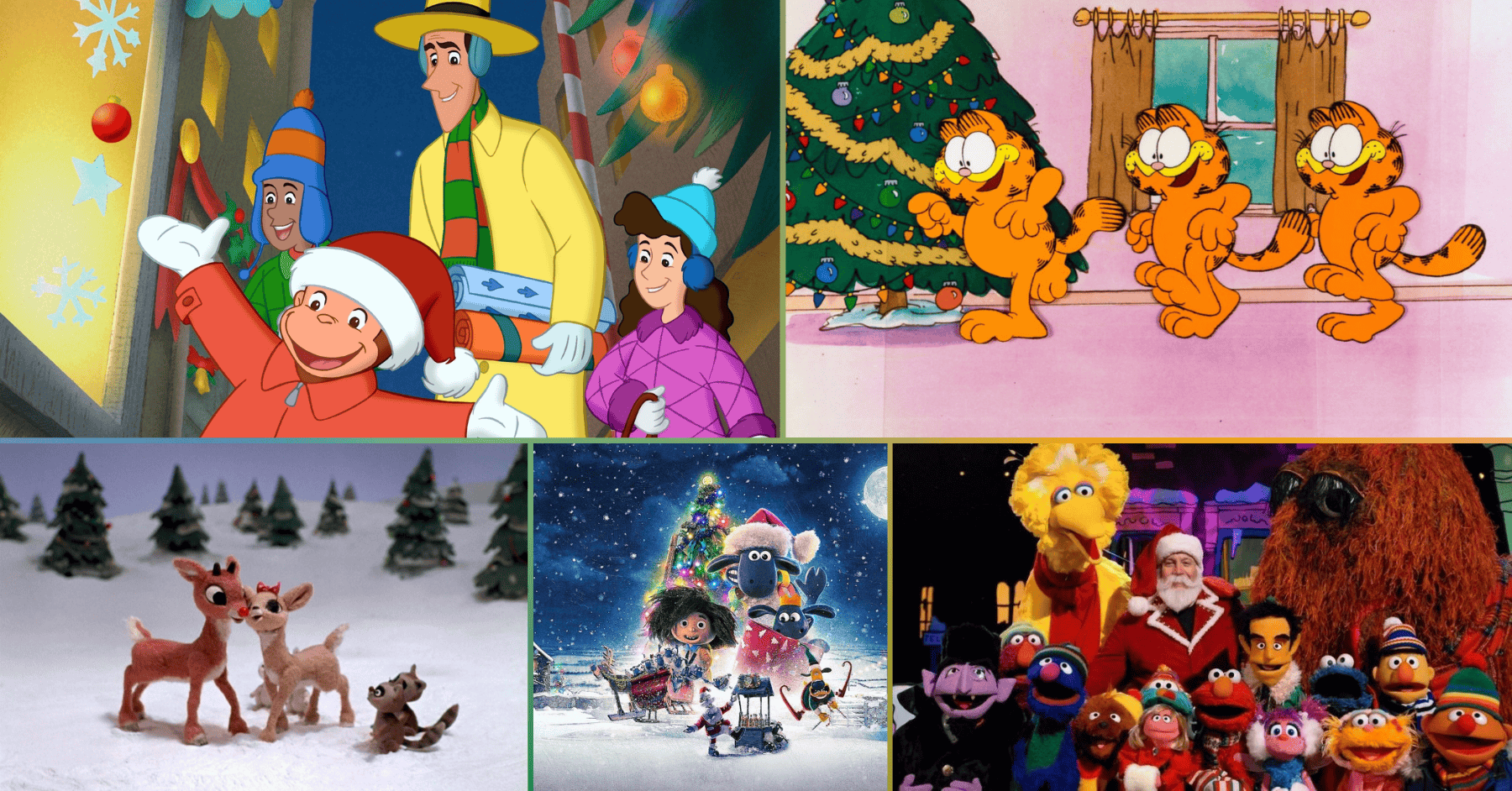
In the 1960s and 70s, companies like Rankin/Bass revolutionized Christmas movies with "Animagic" stop-motion. Programs like Rudolph the Red-Nosed Reindeer (1964) and Santa Claus Is Comin' to Town (1970) are explained as tactile, physical storytelling. Because these films use real puppets, they have a timeless, toy-like quality that continues to appeal to children in 2026. They often focus on the "misfit" theme—the idea that being different is a strength.
2D Traditional Animation
The 1966 How the Grinch Stole Christmas! remains the gold standard for 2D animation. Explained through the lens of Dr. Seuss’s rhythmic prose and Chuck Jones’s direction, this style emphasizes expression and movement. These films are often shorter (25–30 minutes), making them ideal for younger children with shorter attention spans.
The CGI and Hybrid Revolution
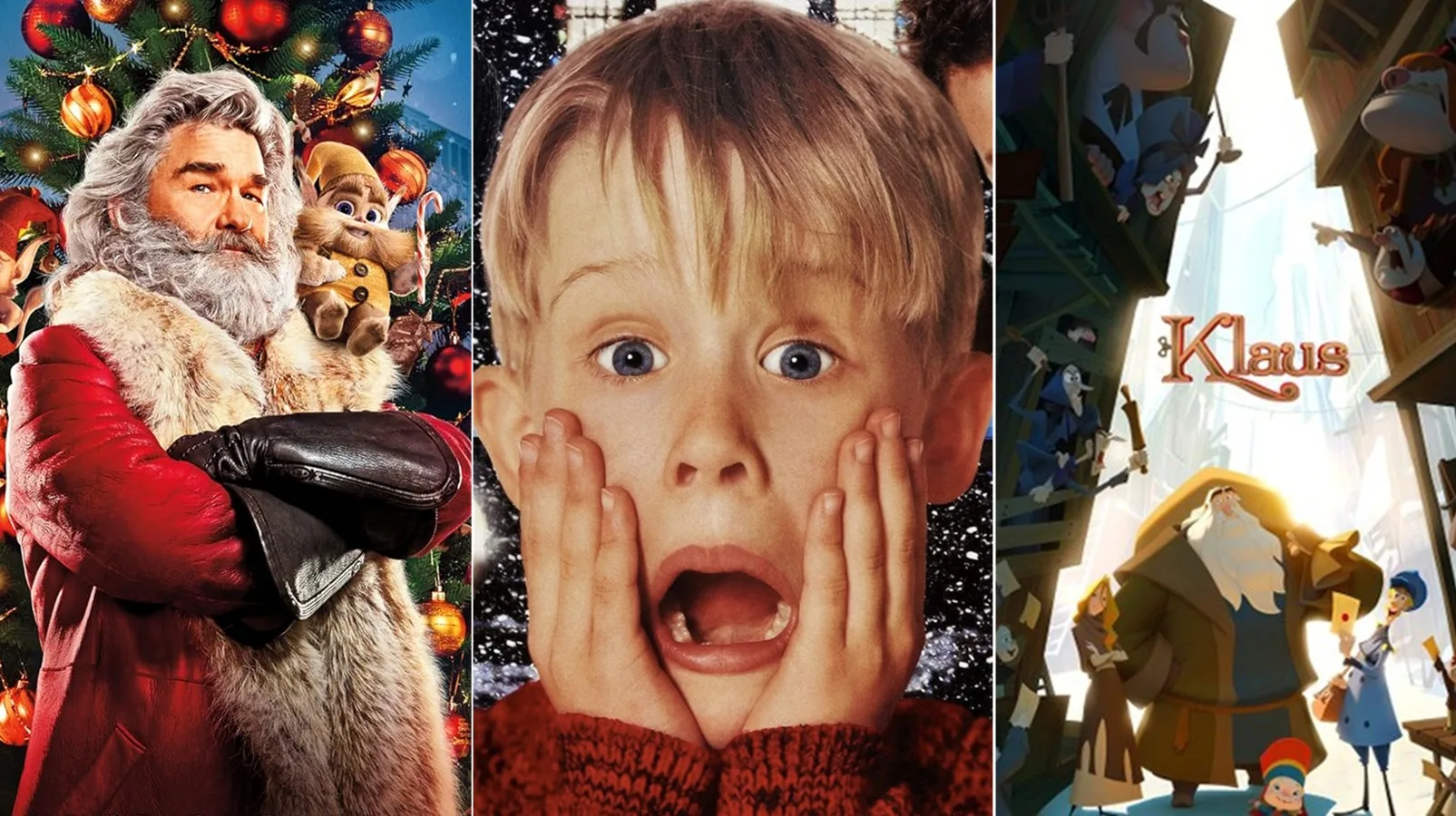
Modern films like Klaus (2019) or the 2018 version of The Grinch utilize advanced computer-generated imagery. These films provide a level of detail—from the texture of snow to the individual strands of fur—that creates a more immersive world for the viewer. Klaus, in particular, is often explained as a technical masterpiece because it uses specialized lighting to make 3D CGI look like traditional 2D hand-drawn art, bridging the gap between old and new styles.
Deep Dives into Core Themes
Why do we watch these movies? The primary search intent for "Christmas movies for kids explained" often stems from a desire to understand what these stories are actually teaching.
The Spirit of Giving vs. Materialism
Many children's Christmas movies address the conflict between "getting presents" and "giving joy." The Grinch is the most famous example of this. The plot explains that Christmas "doesn't come from a store," a vital lesson for children in an increasingly commercialized world. By the end of the film, the Grinch’s heart grows because he realizes that community and song are more valuable than the stolen "roast beast."
The Journey of Belief
Movies like The Polar Express and Miracle on 34th Street focus on the concept of "faith" or "belief." For a child, these movies explain that not everything needs to be seen to be real. The "silver bell" in The Polar Express only rings for those who still believe, serving as a metaphor for maintaining a sense of wonder even as one grows older.
Family and Belonging
Home Alone is often categorized as a comedy, but at its core, it is an explanation of the importance of family. Kevin McCallister initially wishes his family would disappear, but the narrative arc teaches him (and the audience) that independence is lonely and that the chaos of family is a gift.
Comparison of Popular Kids' Christmas Movies
The following table compares several staple Christmas movies to help parents decide which fits their current needs in 2026.
| Movie Title | Format | Rating | Core Theme | Target Age |
|---|---|---|---|---|
| Rudolph the Red-Nosed Reindeer | Stop-Motion | TV-G | Acceptance of Differences | 3+ |
| The Polar Express | CGI Animation | G | The Power of Belief | 6+ |
| Home Alone | Live Action | PG | Family Appreciation | 8+ |
| Klaus | 2D/CGI Hybrid | PG | Altruism and Origins | 7+ |
| A Boy Called Christmas | Live Action | PG | Courage and Adventure | 7+ |
| Frosty the Snowman | 2D Animation | TV-G | Innocence and Friendship | 3+ |
| The Santa Clause | Live Action | PG | Responsibility and Magic | 6+ |
Where to Find Kids' Christmas Movies in 2026
The streaming landscape in 2026 has consolidated, making it easier—yet sometimes more expensive—to find specific titles. Most "classic" content is divided among three major players:
- Disney+: This platform holds the monopoly on the Home Alone franchise, The Santa Clause series (including the newer episodic spin-offs), and all Disney-branded specials like Mickey’s Once Upon a Christmas.
- Netflix: Netflix has pivoted toward high-quality original holiday content. Klaus and The Christmas Chronicles are exclusive here. They also host a variety of international animated specials that offer a global perspective on the holiday.
- Max (Warner Bros. Discovery): Max is the home of the classic Rankin/Bass library and The Polar Express. Because of licensing agreements, many of the older stop-motion specials rotate through this service during the November–December window.
For those looking for free options, "Fast" services (Free Ad-supported Streaming TV) often run dedicated holiday channels starting as early as October. Local libraries also remain a vital resource for physical media (DVDs and Blu-rays), which avoid the "disappearing content" issue found on digital platforms.
Tips for a Successful Family Movie Night
To maximize the impact of these films, the experience should be more than just passive viewing. Explaining the context of a movie to a child can enhance their understanding.
- Pre-watch Discussion: If watching a classic like A Christmas Carol, explain that "Scrooge" is a word used to describe someone who isn't very kind, but that people can always change.
- Focus on the Visuals: For toddlers, point out the colors and the music. Ask them how the characters might be feeling when they are singing.
- The "Scary" Parts: If a movie has a potentially frightening character (like the Ghost of Christmas Future), stay in the room. Explain that these characters are there to help the main character learn a lesson, not to hurt them.
- Historical Context: For older kids, watching Miracle on 34th Street can be an opportunity to talk about what life was like in the 1940s—no cell phones, different clothes, and different ways of shopping.
Frequently Asked Questions
What is the best Christmas movie for a toddler?
The best movies for toddlers are usually short specials like Frosty the Snowman or A Charlie Brown Christmas. These films are under 30 minutes long, feature simple plotlines, and use gentle music. They avoid complex dialogue and intense "villain" moments that might confuse or scare a very young child.
Are there any Christmas movies that explain the history of Santa Claus?
Yes, several movies provide "origin stories." Santa Claus Is Comin' to Town explains the legend of the North Pole through stop-motion. Klaus provides a more grounded, fictionalized origin story involving a postman and a woodsman. A Boy Called Christmas is a live-action adventure that explores the "magic" behind the beginnings of Father Christmas.
Why do some Christmas movies for kids have scary parts?
Filmmakers often include "peril" or scary elements to create a dramatic arc. In The Polar Express, the danger of the train slipping off the tracks creates tension, making the eventual arrival at the North Pole feel more rewarding. These moments are designed to teach children about courage and overcoming obstacles, but parental supervision is recommended for sensitive viewers.
Is "The Nightmare Before Christmas" a Christmas movie or a Halloween movie?
It is both. Directed by Henry Selick and produced by Tim Burton, it explains the collision of two holidays. While it features Christmas themes like gift-giving and Santa (Sandy Claws), its visual style is rooted in Halloween aesthetics. It is generally recommended for slightly older children (7+) due to its darker imagery.
At what age can a child watch "Home Alone"?
While rated PG, Home Alone involves some cartoonish violence and "bad words" (like "crap" or "jerk"). Most child development experts suggest age 8 is the "sweet spot," as children at this age can distinguish between the "pretend" traps Kevin sets and real-life safety, understanding that the burglars are the antagonists.
Recommendation for Parents
When choosing a Christmas movie for your kids in 2026, start with the classics to build a foundation of holiday "lore." Begin the season with Rudolph the Red-Nosed Reindeer or The Grinch to establish the core themes of acceptance and generosity. As you move closer to Christmas Day, introduce more immersive experiences like The Polar Express or Klaus. Always check the specific content advisories on your streaming service, as these provide detailed breakdowns of any potential "fright" factors or language that may not align with your family's values.
Image Gallery